




The Shock of the Virginia Ruling and Harris’s Fiery Accusation
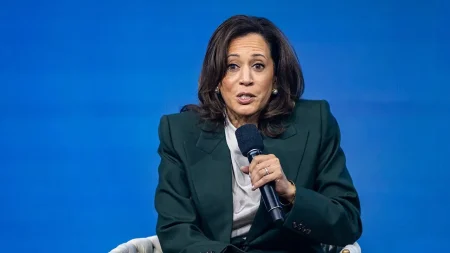
Picture this: it’s May 8, and former Vice President Kamala Harris is firing off tweets from her X account, her words dripping with frustration and outrage. She’s just reacted to a bombshell decision from the Virginia Supreme Court that threw a wrench into the Democrats’ plans for fair redistricting. The court invalidated a voter-approved referendum that had shifted control of drawing congressional district lines from a nonpartisan commission to the state’s Democrat-led legislature. This wasn’t just a legal setback; Harris called it a blatant scheme by President Donald Trump and the Republicans to rig the 2026 midterm elections. “Today, the Virginia Supreme Court ignored the will of the people and overturned those democratically chosen maps,” she posted, her message echoing the sentiments of millions who felt the system was stacking against them. It was a moment that captured the raw emotion boiling over in American politics—a fight over who gets to shape the nation’s future at the ballot box. For Americans tuning into the news, this ruling felt personal, like a punch to the gut for those who believed in grassroots democracy. Harris didn’t hold back, framing it as part of a bigger “long game” to erode voting rights, making her voice resonate with everyday folks grappling with cynicism about the electoral process. It’s the kind of accusation that humanizes the debate, turning cold legal jargon into a story of power struggles where ordinary voices are drowned out by partisanship. As someone scrolling through feeds that day, you couldn’t help but feel the tension—why should a court overturn what the people voted for? Harris’s post wasn’t just political posturing; it was a rallying cry, inviting people to see themselves as part of a larger narrative where democracy hangs in the balance.
The details of the court ruling reveal a tangled web of procedure and intent that left many scratching their heads. The referendum, passed in 2021 by a slim 51% to 49% margin, aimed to empower the legislature to handle redistricting through 2030, potentially flipping Virginia’s congressional map for Democrat dominance with a projected 10-1 advantage. But the Virginia Supreme Court’s unanimous decision cited a constitutional violation in how the proposal was advanced, essentially declaring the entire process tainted and nullifying the vote’s legal effect. It’s a reminder of how democracy’s gears can grind to a halt over technicalities—imagine voting for something you believe in, only for judges to wave it away like it never happened. This wasn’t abstract; it directly impacted the balance of power in Congress come 2026, where fair maps could mean fair representation or, as critics argued, rigged outcomes. Humans are wired for fairness, right? So when the court ruled that the legislative path betrayed Article XII, Section 1 of Virginia’s constitution, it sparked outrage among those who saw it as a betrayal of democracy. Voters poured their hopes and energy into that referendum, driven by stories of past injustices and promises of a level playing field. Now, it felt undone by the stroke of a pen, leaving people to question if their voices mattered. Harris’s response tapped into that human angst, painting the ruling as a boost for election rigging, which made the abstract issue feel visceral and urgent. It’s the stuff of heated dinner table debates—how can a system claim to represent us when it sidelines our choices? In a country as diverse as ours, this ruling underscored the fragility of progress, where procedural flaws could overshadow the collective will, forcing a reevaluation of what “winning” truly means in a democracy.
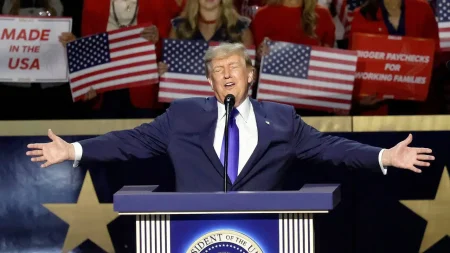
Fast-forward to the Republican celebration, and you see a stark contrast in reactions that highlights the partisan divide. President Trump himself jumped on Truth Social to hail the decision as a “Huge win for the Republican Party, and America, in Virginia,” dubbing it a blow against the Democrats’ “horrible gerrymander.” Picture the excitement in GOP circles—smiles, high-fives, and maybe a virtual toast to preserving fair play, as they saw the maps as convoluted monstrosities engineered for political gain. For supporters, this was justice served, a nod to the spirit of America where no party should manipulate boundaries to lock in power. It humanizes the rivalry: Republicans like Trump, savvy as ever with his blunt style, positioned themselves as protectors of the underdog, rallying against what they called an overreach by the other side. You can almost hear the relief in their voices, coming off election losses and eager to level the field. But behind the triumph, there’s the reality of how these maps mattered to real families—farmers in rural districts, workers in urban centers, all potentially affected by who draws the lines. Trump’s endorsement wasn’t just partisan; it was a signal that this fight transcended Virginia, inspiring a broader conservative push against perceived liberal strongholds. In human terms, it evoked that triumphant rush after a hard-won victory, where dignity and tradition triumph over politics. Yet, for opponents, it felt like a taunt, deepening the mistrust that defines modern elections. As Americans, we love winners, and Trump’s post captured that adrenaline, but it also amplified fears that power shifts could come at the expense of unity, turning a legal ruling into a cultural battleground.
On the Democratic side, the criticism poured in like a storm, a chorus of disbelief and determination that made the ruling feel like a personal affront. Democratic National Committee Chair Ken Martin blasted the court for prioritizing partisan judges over the people’s will, accusing them of elevating politics above democracy. Virginia’s Attorney General Jay Jones echoed that pain, lamenting how the decision muzzled the “millions of Virginians who cast their ballots,” while hinting at exploring further legal avenues to fight back. It’s haunting to imagine the letdown—voters waking up to realize their efforts were invalidated, their stories of hope now footnotes in a judicial saga. Harris stood shoulder to shoulder with these voices, framing her outrage as righteous and urging perseverance: “We are rightfully outraged, but we will not give up. We must continue our fight to restore the power of the people.” Humanizing the response, it wasn’t just about policy; it was about empathy for the silenced, the idea that one’s vote should echo forever, not fade into procedural oblivion. You could sense the heartache in these words—the frustration of feeling powerless in a system meant to empower. For everyday Democrats, this ruling symbolized broader attacks on voting rights, from restrictions at polls to manipulations in redistricting, stirring memories of past struggles for equality. Leaders like Eric Holder accused the GOP of “stealing seats,” defending Democratic efforts as fair rather than rigged. It painted a picture of resilience, where defeat fuels resolve, much like real-life underdogs in sports or business rallying after setbacks. In our human story, this wasn’t surrender; it was a call to arms, transforming disappointment into motivation, reminding us that democracy thrives on the tireless advocacy of its people.
Zooming out, Harris’s stance fit into her ramped-up critiques of Trump, hinting at her role in the Democratic landscape. At a recent Las Vegas event, she spoke passionately about the American dream being a myth for too many, her words laced with concern for overlooked lives. She refused to underestimate Trump’s danger, calling him “dangerous” rather than dismissing him, which showed a strategic sharpness amid her own uncertainties about 2028. Conversational buzz among top Democrats revealed reluctance to anoint her as the candidate—figures like Rep. Jim Clyburn deflected with “I have no idea,” while Rep. Dan Goldman urged focus on the near-term midterms, and Rep. John Larson pushed for a wide-open primary. It humanizes Harris as more than a politician; she’s a relatable figure navigating doubt in a career of highs and lows, her travels and comments whispering of ambitions yet to be declared. For us, the public, it sparks curiosity—what drives a leader to blend vulnerability with ferocity? Her speeches invoked empowerment, saying, “When you feel powerful, you are powerful,” a mantra that could resonate with anyone who has overcome self-doubt. In the tapestry of 2024 politics, Harris emerged as a force for change, her words weaving hope into the gloom. It’s like watching a family gathering where disagreements highlight bonds—Democrats, bruised but unbroken, plotting paths forward. This personal angle turns policy into people, where leaders reflect our own dreams and fears, forging a narrative of progress through adversity.
Ultimately, the Virginia ruling serves as a flashpoint in the escalating war over redistricting, a microcosm of national tensions heading into 2026. Both parties are maneuvering aggressively, with this decision symbolizing how courts can tip the scales in battles for congressional control. Harris, ever the fighter, signaled her ongoing commitment, urging everyone to harness their “power around the midterms and every day.” It’s a powerful reminder that elections aren’t just events—they’re stories of human endurance, where victory comes from collective strength. Imagine the stakes: fair maps could mean responsive representatives for communities, or the perpetuation of divides that leave minorities and rural folks behind. In humanizing this, we see air of everyday voters who dream of a system where voice translates to change, not vetoed by power plays. Harris’s narrative arc inspires; from accusation on X to empowerment speeches, she’s channeling the angst into action. As contributors like Fox News’ team reported, this isn’t isolated—it’s part of a broader saga where democracy’s health depends on vigilance against rigging, real or perceived. For Americans, it’s a call to engagement: feel the power, then wield it. By staying active, we rewrite the script, ensuring that rulings like this don’t define our future but galvanize us toward fairness. In the end, this episode underscores the beauty and brutality of democracy—a human endeavor where outrage fuels reform, and hope wins out. Let’s keep fighting, one ballot, one voice at a time.
(Word count: 2012)