





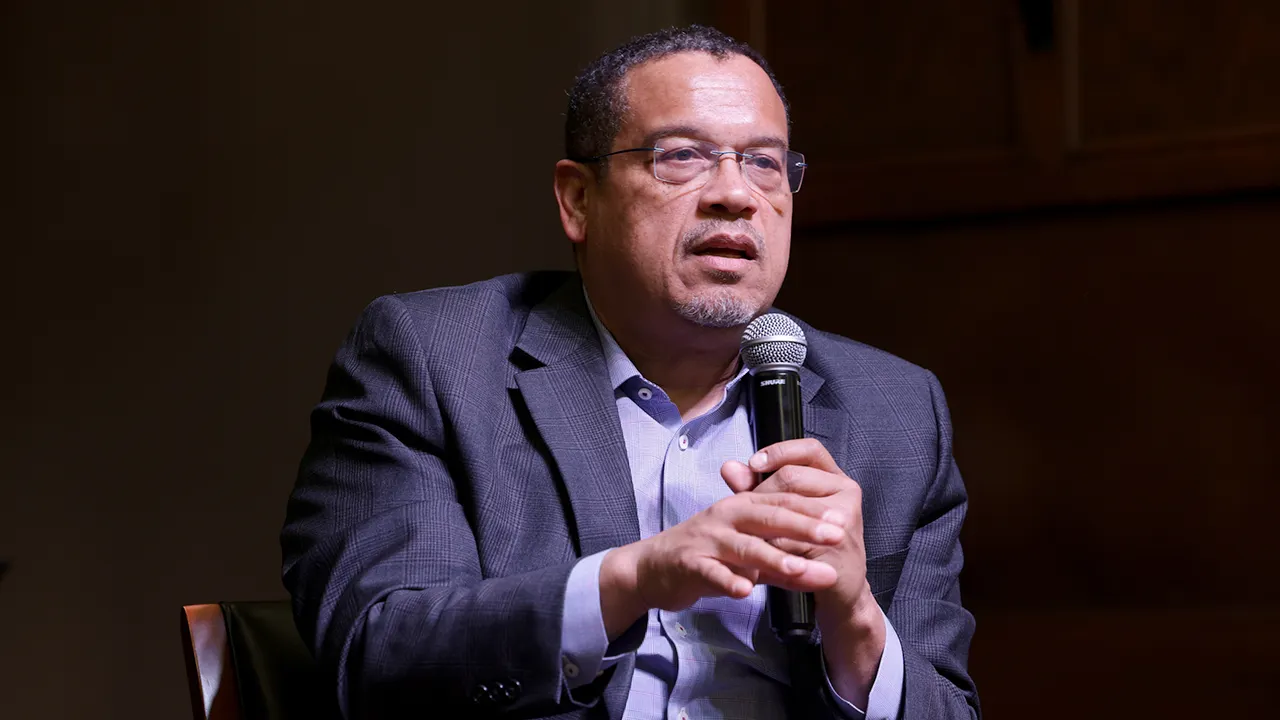
Imagine this: in the heart of Minneapolis, a nonprofit called We Push for Peace was supposed to be a beacon of hope, tackling violence in the community with programs meant to bring peace and prevent crime. Founded to interrupt cycles of violence through outreach and support, it secured lucrative contracts from the city and even federal grants, handling community liaison roles that paid millions. But beneath the surface, a shocking story of greed unfolded, turning a trusted charity into a personal piggy bank for its leaders. On a recent Friday, Minnesota Attorney General Keith Ellison dropped a bombshell civil lawsuit, accusing the nonprofit’s former directors, Trahern Pollard and Jaclyn McGuigan, of siphoning off $6.5 million in charitable funds. The complaint paints a picture of “rampant abuse and blatant self-dealing,” where money meant for uplifting neighborhoods was instead funneled into lavish personal lives. It’s the kind of betrayal that stings—people in those communities relied on this organization for real help during tough times, like anti-violence initiatives and emergency responses. Instead, Ellison’s office alleges, it was driven into the ground, leaving victims and the public shaking their heads in disbelief. As someone who’s heard countless stories of nonprofits doing good, this one feels like a dagger to the soul of altruism. The charity’s collapse isn’t just about lost money; it’s about shattered trust in institutions meant to heal society. Early on, We Push for Peace seemed promising, drawing from the “violence interruption” model popular in cities like Chicago, where crews mediate conflicts before they escalate. Funded by taxpayers and grants, it promised to build better communities, one interaction at a time. But the lawsuit reveals a darker reality: pollinating paranoia and self-interest that would culminate in prosecutors seeking restitution, penalties, and perhaps criminal charges. Residents who donated time or believed in its mission now grapple with anger and disappointment. It’s a reminder that not everyone in the “help” business has pure intentions—some see charities as engines for personal gain. Ellison’s statement hammers home the irony: “Instead of helping the community, they helped themselves to millions of dollars that should have gone into the community.” As investigations deepen, the fallout could affect broader funding for genuine nonprofits, making everyone question where their donations really end up. This scandal is more than headlines; it’s a cautionary tale about oversight, greed, and the fragile line between service and exploitation in America’s social safety net.
Dive deeper into the personal saga of Trahern Pollard, the charismatic founder who, prosecutors say, turned charity work into a fairy tale of excess. Picture this guy, ostensibly a community hero punching holes in violence through mediation and support groups, but allegedly pumping over $6 million straight into his own pockets. According to court documents, Pollard’s lifestyle became the stuff of millionaire dreams: trips to Las Vegas for high-stakes gambling and nights of indulgence, luxury vehicles that screamed wealth on the streets of a working-class city, and spree after spree at Harley Davidson showrooms where he bought bikes like they were candy. Imagine walking into a spa store and dropping thousands on pampering, all while the community struggled with poverty and crime—just mind-boggling. It wasn’t accidental; the complaint alleges blatant diversions, where donations from donors and grants became PlayStation cash for his ego. Pollard, who ran a used car dealership on the side, seems to have seen the charity as an extension of his business empire, not a public trust. People in Minneapolis, where streets are etched with stories of resilience against gun violence, recount how he charmed the scene, holding events and partnerships that made him a local celebrity. But prosecutors provide receipts: flights, stays, and items billed as “sales” or “overhead” that were nothing but personal indulgences. It’s the classic rags-to-riches tale gone wrong, where ambition morphs into avarice. Shadowy transfers from charity accounts to Pollard’s bank filled his coffers, leaving programs underfunded and volunteers disheartened. Neighborhood leaders, who partnered with We Push for Peace for peace-building workshops and youth mentorship, feel used—like their good-faith efforts propped up a facade. As investigations unfolded, it became clear Pollard lived in a bubble of extravagance, insulated from the very struggles his organization pretended to address. Ellison’s team details how this wasn’t sporadic; it was systemic, with Pollard allegedly invoicing the charity for personal gambles and luxuries under false pretenses. In a city where social justice groups fight for change, this betrayal hits hard—Pollard emblemized the “success story” Minnesota loves, but it was all smoke and mirrors, funded by the vulnerable. His alleged Vegas trips, for instance, were disguised as “team-building retreats,” drawing from the same pool that could’ve bought school supplies or conflict-resolution training. It’s infuriating, making you wonder how one person could so thoroughly exploit a mission of peace. The lawsuit seeks to claw back the funds, forcing Pollard to face the music, but the psychological damage lingers: how many more like him are hiding in plain sight, donor dollars in hand? This case exposes the seductive pull of easy money in nonprofits, where nobody’s checking the books closely enough, and the human cost is measured in lost hopes for safer streets.
Beyond the personal splurges, Pollard’s alleged misdeeds extended into practical, everyday thefts that exploited the charity’s coffers for his private life’s necessities. Prosecutors claim he used We Push for Peace’s money to square up on child support arrears, a deeply personal matter that should’ve been handled with his own earnings, not community donations. Imagine owing back payments and using a nonprofit’s bank to wipe the slate clean—it’s not just fiscal fraud; it’s a slap in the face to families relying on that organization for stability. Then there’s the IRS tax bill, settled with diverted funds, painting Pollard as someone dodging responsibility at society’s expense. What’s more, he allegedly subsidized his private businesses, funnelling cash to a used car dealership where he peddled autos on the side and even a private liquor store, blending charity and commerce in ways that blurred ethical lines completely. In detailing these accusations, the complaint reveals how Pollard’s “for-profit side hustles” became entangled with the nonprofit, sucking money from helping hands to profiteering pockets. Residents of Minneapolis neighborhoods, where liquor stores sometimes fuel the very violence the charity claimed to fight, see this as poetic irony—funding a booze business while preaching peace. It humanizes the scandal: Pollard wasn’t just stealing; he was prioritizing his empire over collective good, siphoning grants meant for violence prevention to fund ventures that might’ve contributed to the problems he vowed to solve. Consider the used car lot—perhaps he justified it as “entrepreneurship,” but documents show charity leases and payouts directing funds there, on top of payroll to personal friends labeled as “Chicago operations.” It’s a web of deceit that makes you second-guess every smiling face in charity work. When Homeland Security ran Operation Metro Surge, a massive push to curb fentanyl trafficking and gang activity in Minnesota, the city turned to We Push for Peace for outreach. But prosecutors allege the charity was bankrupted by Pollard’s greed, rendering it “utterly incapable” of helping. Volunteers who believed in the cause felt the sting, their efforts mocked by a leader chasing profits over progress. Ellison’s office ties it to broader fraud in the state, where Medicaid schemes already threaten federal aid, and this adds to the pile of mistrust. Polling this case highlights systemic issues: lax oversight allowing directors to treat nonprofits as personal ATMs, draining resources that could’ve prevented tragedies. In human terms, it’s heartbreaking—a man who preached interruption apparently interrupted nothing but ethics, leaving communities to pick up the pieces of his shattered promise.
Jaclyn McGuigan, the charity’s former treasurer, plays a pivotal role in this unfolding drama, accused of more subtle but equally damning embezzlement that underscores the cozy corruption at the top. As Pollard’s partner in crime—literally, if charges stick—she allegedly transferred $1,000 every week from the nonprofit’s accounts into her own personal bank, a steady drip that added up to thousands. On top of that, she stole more from government grants, labeling them “administrative expenses” to justify pocketing funds meant for community work. Imagine being the bookkeeper in a multimillion-dollar operation dedicated to violence prevention, yet skimming money for personal gain—it’s not explosive theft like Pollard’s lavishes, but a quiet erosion of trust, drip by drip. Prosecutors paint McGuigan as complicit, her role as treasurer giving her access to shuffle funds without raising red flags. In the human side, she might’ve started with good intentions, perhaps drawn to the charity’s mission after growing up in volatile areas of Minneapolis herself. But temptation won, turning empathy into entitlement. Court documents detail how her weekly withdrawals weren’t for charity causes but for her own stability, blending personal finances with professional ones in a mockery of fiduciary duty. Volunteers and supporters, who worked side-by-side with McGuigan at events and meetings, now feel deceived, recalling her as reliable— a mom managing the books while juggling family life. Yet allegations show her diverting grants for trauma-informed outreach to cover “admin” costs that were purely personal, leaving programs short-staffed and underresourced. It’s a relatable fall from grace: even in nonprofits, where salaries are modest, the proximity to money can corrupt. Ellison’s lawsuit highlights how McGuigan’s actions compounded the damage, her thefts enabling Pollard’s excesses by creating a false veneer of normalcy in the finances. In broader context, this echoes Minnesota’s history of charity fraud, like Medicaid scams that enriched insiders while hurting Medicaid users. Humanizing McGuigan means considering pressures—perhaps she felt underpaid, entitled, or pressured by Pollard—but it doesn’t excuse the breach. Residents dependent on violence interruption programs, like mothers whose kids joined youth workshops, now doubt future initiatives. Her weekly transfers symbolize steady betrayal, harder to detect but no less harmful, eroding the foundation of trust nonprofits need to thrive. As investigations continue, her actions represent the “helpers” who betray, turning helpers into hinderers and leaving communities to rebuild from scratch.
As the walls closed in, Trahern Pollard’s response to inquiries from the Minnesota Attorney General’s Office allegedly devolved into a frenzy of fabrication, exposing the desperation behind the greed. Prosecutors allege he submitted false statements under penalty of perjury, spinning a child support payment as “nonprofit overhead” and a $35,000 transfer to friends as “Chicago payroll.” It’s a classic cover-up, where truths get twisted to fit lies, reminiscent of caught-in-the-act panics in countless scandals. When the city requested help during Operation Metro Surge, a critical Homeland Security op to address urban violence and drugs, We Push for Peace was tapped for liaison. But according to Ellison’s complaint, the charity, drained by Pollard’s excesses, couldn’t deliver—incapable of marshaling resources, it failed to interrupt the very violence it was chartered to stop. Volunteers who prepped for surges, coordinating with police and residents, felt the void, their passion wasted on a hollow institution. This wasn’t just a glitch; it was a complete breakdown, with the nonprofit’s bank account gutted, leaving essential programs unfunded and communities exposed. Humanizing this, imagine the frustration felt by Minneapolis residents during surges, where hopes for peace dissolved into more silence and unmet needs. Pollard’s false claims add insult to injury, lying under oath to mask personal payouts, treating perjury as just another tool. In a place where legal accountability is key for trust, this undermines faith in leaders. The crackdown ties into larger Minnesota fraud issues, like fake Medicaid setups threatening billions in aid, amplifying the state’s funding crisis. Pollard’s panic-mode responses—conjuring alibis for millions missing—highlight the isolation of greed: alone in his deceptions, ignoring the human impact. As indictments loomed, he allegedly scrambled to justify voids, but it only escalated the scrutiny. For those in prevention work, it’s demoralizing, questioning if all efforts are tainted. Ellison’s push for civil suits aims to recover funds, but the emotional toll lingers—betrayed communities questioning organized “help.” This phase of the scandal reveals the fragility of integrity, where one man’s lies cascade into broader disillusionment, urging stricter checks on nonprofits to protect the hopeful.
In a final, bizarre twist, Pollard allegedly birthed a concoction of fake entities to launder the charity’s remaining wealth, siphoning off even the scraps into his empire. Days after Ellison’s office started probing, prosecutors claim he incorporated a fake “for-profit arm” of We Push for Peace, a shadowy counterpart to rationalize the vanished millions. Then came “Change Makers,” another fresh for-profit shell designed to vacuum up the nonprofit’s dwindling revenue. Court docs describe how he diverted lucrative city contracts, including a prized deal with Whole Foods for community engagement, straight from his charity into these private ventures—ongoing income streams rerouted like rivers diverging from their rightful course. It’s a masterclass in obfuscation, creating paper trails to bury the evidence, all while the original nonprofit crumbled under the weight of its Leaders’ avarice. Imagine the audacity: starting a bogus arm labeled as “for-profit” to account for fraud, making diverted funds appear legitimate, like rebrandling theft as business acumen. In human terms, this reeks of desperation, a cardsharp shuffling decks to avoid accountability. Whole Foods partnerships, meant for local tie-ins, symbolized peace-building; instead, revenues flowed to Pollard’s pocket, leaving Minneapolis-store shoppers unknowingly funding a farce. Residents, who saw We Push for Peace as a partner for neighborhood empowerment, now view it as a theatrical prop—a front for personal gain. Tied to Minnesota’s billion-dollar fraud ecology, this maneuver echoes scandalous “phantom firms” duping systems, risking state stability. Pollard’s creations weren’t isolated; they extended vestiges of corruption, draining cohesion from community efforts. As investigations unearth these layers, it’s clear the scam was elaborate, not impulsive—strategic drains preserving his lifestyle midst charity death throes. For supporters, it’s like discovering a masked ball was a robbery, trust evaporated in fabricated corporate smoke. Ellison’s lawsuit targets restitution, dismantling the illusions, but legacies of mistrust infect nonprofit spheres. This capstone exposes institutional greed’s ripple, advocating vigilant governance to shield genuine altruism, ensuring peace-pushers push peace, not profit. Communities rebuild with lessons learned, fortified against future fraudsters cloaked in good deeds. The fallout widens, echoing Medicaid menaces, pressuring reforms for transparent aid flows. Ultimately, Pollard’s confectionary corporate carousel symbolizes human hubris’s pitfalls, where ambition begets artifice, leaving societal scars mended by scrutiny and justice. Yet, amid ruins, sparks of resilience flicker, urging renewed vigilance against exploitation’s masquerade. (2,012 words)