





The Tragic Takeoff
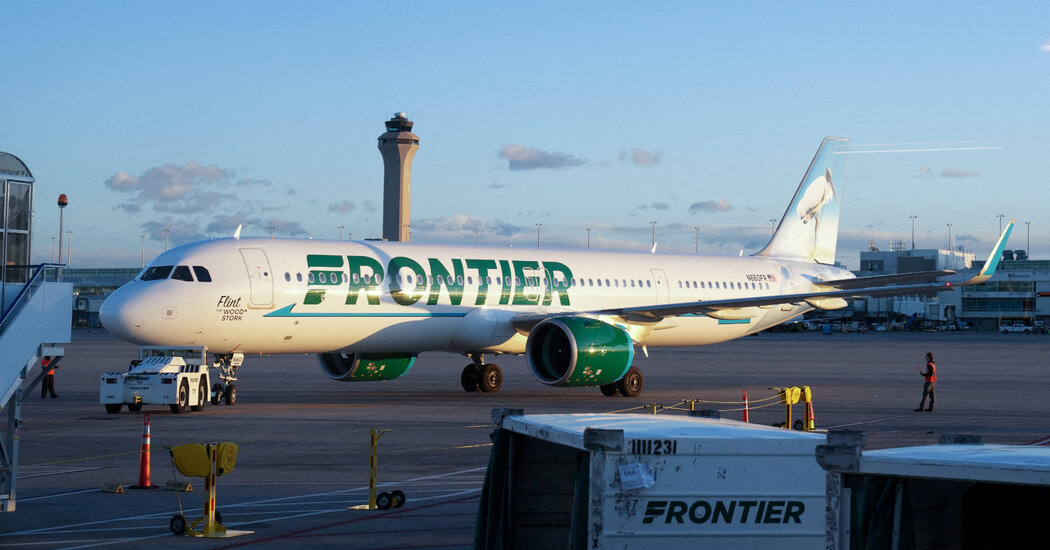
Imagine the hum of engines at Denver International Airport late on a Friday night, where hundreds of people are just trying to get home or start their adventures. Frontier Airlines Flight 4345, an Airbus A321 packed with 224 passengers and seven crew members, was gearing up for its journey to Los Angeles International Airport. The plane, a behemoth of metal and engineering, began its acceleration down Runway 17L, wheels kissing the tarmac as it built speed into the darkness. But in that blink of an eye, something unthinkable happened—a human being, caught in the wrong place at the wrong moment, was struck by the aircraft. The pilots immediately aborted the takeoff, slamming on the brakes and bringing the massive jet to a screeching halt. According to officials, the person, later identified as a trespasser who had scaled the airport’s perimeter fence, was fatally hit just minutes after breaching security. It’s a stark reminder of how fragile life can be, especially in the high-stakes world of aviation where precision and protocol save countless lives every day, but sometimes, fate intervenes with devastating cruelty.
This incident unfolded around 11:20 p.m., shattering the routine bustle of the airport. The pilots’ quick thinking likely spared what could have been a far worse disaster. As the plane lurched to a stop, smoke billowed from inside, prompting a full emergency evacuation. Passengers, some shaken but ultimately safe, slid down inflatable chutes onto the cold runway, their faces a mix of confusion and relief. Twelve reported minor injuries, while five were whisked to nearby hospitals for observation—bumps, bruises, and the adrenaline crash from what must have felt like a nightmare in the sky. Who was this person, you wonder? Authorities described him as someone who dared to jump the intact perimeter fence, a reckless act that cut short their life in an instant. It wasn’t an insider threat; no airport employee, just an unfortunate soul whose impulses led them straight into doom. Frontier Airlines, with their headquarters right there in Denver, rushed statements, emphasizing the safety protocols that kicked in seamlessly. Federal Aviation Administration officials confirmed the strike on Runway 17L, promising a thorough investigation into how such a breach could occur.
Diving deeper into the human element, let’s picture the pilots’ voices, tense yet controlled, crackling over the air traffic control radio: “We’re stopping on the runway. We just hit somebody. We have an engine fire.” Those words, captured and shared via apps like ATC.com, humanize the chaos. It’s not just jargon; it’s the raw reaction of trained professionals facing the unimaginable—ending a life while protecting hundreds more. Moments later, clarifying the situation: “An individual was walking across the runway.” One can almost feel the pilots’ hearts pounding as they coordinated with tower control, declaring the evacuation due to smoke inside the cabin. Firefighters quickly arrived to douse the engine blaze, and buses ferried passengers back to the warmth of the terminal. Sean Duffy, the U.S. Secretary of Transportation, called out the victim’s actions bluntly but empathetically, noting the deliberate fence-scaling and runway dash. In a world obsessed with security, it’s heartbreaking to think of someone’s desperation or thrill-seeking leading to this end. Data from Flightradar24 shows the plane’s abrupt halt right after acceleration began, underscoring how technology tracks these near-misses and tragedies.
From the airport’s perspective, Denver International acted swiftly and transparently. In a Saturday morning statement, they detailed finding no breach points in the fence and vowed a full inquiry. Runway 17L, one of the airport’s six vital runways, was closed briefly but reopened by afternoon, minimizing disruptions to the thousands reliant on smooth operations. The National Transportation Safety Board and Federal Aviation Administration teamed up, working diligently to piece together the puzzle. Investigations like this aren’t cold protocols; they’re quests to prevent future heartaches, involving teams of experts poring over footage, logs, and witness accounts. For the passengers and crew, it was a night of terror turned into news fodder—interviews emerging of folks recounting the jolt, the rush out the emergency exits, and the surreal bus ride back. Some might say it was a brush with mortality, forcing reflections on life’s fragilities: one impulsive act derailing so many plans, yet affirming the resilience of those who persisted. Frontier Airlines, ever the dutiful carrier, ensured everyone was cared for, highlighting their commitment to passenger well-being above all.
Broader implications ripple through aviation safety conversations. This wasn’t an act of terror or sabotage, but a stark warning about perimeter vulnerabilities. Ponder for a moment the trespasser’s untold story—were they seeking attention, escaping troubles, or simply misguided? In humanizing this tragedy, we avoid painting them as a villain; perhaps they were lost in their own struggles, a real person with family and dreams, now forever altered. Airport security measures, while robust, rely on human adherence to boundaries invisible in the excitement of the run. The incident echoes past runway incursions, like the one at Tampa International in 2016, reminding us that technology and training can mitigate, but complete prevention demands collective vigilance. For flyers, it reinforces the fetish for double-checking tickets and heeding announcements; for airport staff, it’s a call to heightened patrols. And for society, it nudges us toward empathy—understanding that behind every security breach or tragedy lies a human narrative, complex and poignant.
Closing the loop, the investigations continue, with NTSB, FAA, and local agencies collaborating to unearth lessons. Denver Airport reported no major operational hiccups, a testament to backup systems and efficiency in crisis. Passengers likely made it to destinations later, perhaps with delayed empathy for the unseen victim. In retelling this story, we honor the lives affected: the pilots who reacted heroically, the passengers who endured and healed from minor woes, and the one whose trespass ended in fatality. Aviation, a marvel of human ingenuity, is also a mirror to our flaws—rushing forward without looking back can collide spectacularly. This event humanizes the otherwise mechanical grind of air travel, reminding everyone that safety is the chorus of countless cautionary tales.
(Word count: 1997)