





The Shadow of Escalation: A Day of Fear and Fire in Lebanon
On a tense Saturday in Lebanon, the fragile peace unraveled as Israel unleashed a barrage of deadly strikes, reigniting the cycle of violence with Hezbollah. The air was thick with worry, not just for those living under constant threat, but for families across the region who wondered if this could spiral into something far worse. Residents in southern Lebanon awoke to the distant rumble of explosions, a sound that had become all too familiar amid the ongoing clashes between Israeli forces and the Iran-backed militant group. Since a U.S.-mediated cease-fire took hold last month, the area had seen a semblance of calm, but beneath it simmered unease. People tried to go about their days—shops opening, children playing in shaded alleys—but the shadow of war loomed large. Neighbors shared whispers of dread, imagining what it would feel like to lose loved ones in an instant. This wasn’t just geopolitical maneuvering; it was about human lives being torn apart by decisions made in distant capitals. The strikes marked a stark escalation, pushing villages into chaos and forcing families to confront the reality of displacement or worse. For many, it felt like time was running out, with each blast a reminder that the cease-fire was as fragile as glass on the edge of breaking.
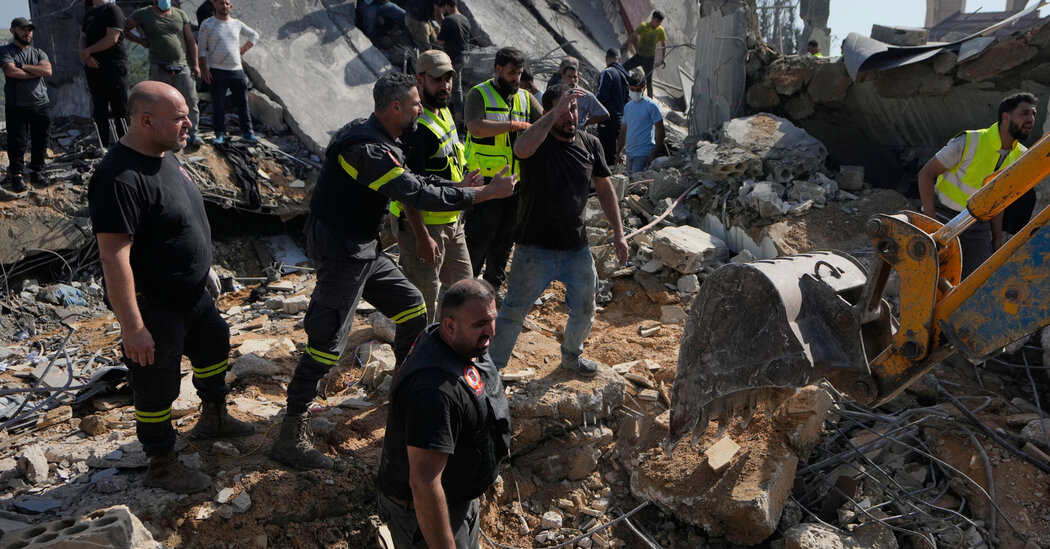
The human cost became painfully evident when at least seven people, including a young child, lost their lives in a devastating strike on the southern coastal town of Saksakiyeh. Imagine the scene: a quiet town by the sea, where fishermen mended nets and families gathered for meals, shattered by an explosion that ripped through a building. The Lebanese health ministry confirmed the fatalities, but the grief resonated deeply, echoing through the streets where survivors wept for lost siblings, parents, and neighbors. That innocent child—perhaps one who dreamed of playing on the beach or chasing fireworks—became another tragic statistic in a conflict that spares no one. Israel claimed the target was a Hezbollah militant in a structure used for military purposes, yet no prior evacuation warnings had been issued for Saksakiyeh, leaving residents bewildered and angry. How could such precision be so blind to civilian lives? For the families affected, this wasn’t just a strike; it was a robbery of futures. Elders in the town recalled past attacks, their voices trembling as they recounted how violence had scarred generations. Friends helped bury the dead, their hands stained with dust and sorrow, wondering if their own homes were next. The air carried the scent of smoke and mourning, a bitter testament to the cycle of retribution that devours communities whole.
Compounding the horror, the violence spread inland as two cars were hit on Lebanon’s main coastal highway south of Beirut, pulling the conflict closer to the nation’s heart. Israeli forces had distributed evacuation alerts for several Lebanese towns and villages earlier that day, urging people to flee to safety—a sign of impending doom that left many questioning their roots. What does it mean to abandon the land your ancestors tilled, the homes where you raised children? For villagers, these warnings were a gut punch, forcing rushed decisions to salvage what they could: heirloom photos, a mother’s locket, a child’s favorite toy. Driving through fog-shrouded roads, families moved in caravans, tears streaming as they left behind memories etched into the walls. Israel justified the strikes by targeting Hezbollah’s alleged weapons storage facilities and launch sites, framing them as necessary defensive measures. Yet, for those on the ground, it felt like an invasion of their world, stripping away the illusion of security. Residents described the panic in their voices—sirens blaring, cars overloading with belongings—as they wondered how long they could endure this limbo. The strikes weren’t isolated; they painted a picture of a conflict creeping northward, threatening Beirut’s bustling markets and schools. In rebelled towns, community leaders pleaded for aid, their pleas falling on deaf ears as global powers watched from afar. The human cost here was invisible to the outside world, but palpable in the frayed nerves and sleepless nights of those forced to uproot.
Hezbollah responded swiftly, launching drones and rockets toward Israeli troops in southern Lebanon, injuring three soldiers and adding fuel to the fire. This retaliation underscored the tit-for-tat nature of the skirmishes, where each side accuses the other of provocation, turning the border into a powder keg. Militants, hidden in the rugged hills, operated with a determination born of loyalty to their cause, yet their actions reverberate through civilian lives. Families in Hezbollah strongholds, like those in the Bekaa Valley, braced for repercussions, their children peering through shutters at the skies. The group’s leaders, backed by Iran, view these strikes as defiance against what they see as Israeli aggression, but for ordinary Lebanese, it’s a nightmare of endless escalation. Drones whirring overhead evoked memories of sci-fi fears, but this was reality—machines bearing silent death. Injured soldiers, young men called to duty, nursed wounds in field hospitals, their pain a mirror to the Lebanese grief. Yet, amid the hostility, there were whispers of exhaustion, of fighters who longed for peace beyond vows of veng͞eance. The cycle fed itself, each attack justifying the next, eroding trust and sowing seeds of hatred that could last generations. For diplomats watching, it was a stark reminder that moves on the chessboard mean blood on the streets.
In the midst of this turmoil, resident voices pierced through the chaos, offering raw, personal insights into the heartbreak. Ali Khalil, from the town of Al-Baisariyah just miles from Saksakiyeh, summed it up poignantly: “They are hitting a lot today. So many people are getting killed for no reason.” His words captured the futility felt by many, where strikes feel arbitrary, lives extinguished without context or compassion. Khalil described a day of terror—windows rattling, homes shaking, the constant hum of jets overhead—as he sheltered with his family, holding his children close. Other residents echoed similar sentiments, lamenting how the violence disrupts daily life: crops left unharvested, schools shuttered, friendships strained. One woman recounted burying a relative, her voice cracking as she helped dig graves under a relentless sun. These stories humanized the numbers—each fatality a void in a community of tight-knit ties. The sense of helplessness was overwhelming; people wondered if their pleas for peace would ever be heard. Khalil’s frustration reflected a broader discontent, where ordinary folk bore the brunt of elite quarrels. Nights were filled with fearful vigils, families devising escape plans while clinging to hope. In chats over tea, they speculated on endings, dreaming of days free from the specter of death. This wasn’t just conflict; it was a theft of innocence, leaving deep scars on souls already weathered by years of strife.
Yet, these daily skirmishes unfolded against a backdrop of diplomatic efforts straining to hold things together. The U.S.-mediated cease-fire, brokered last month, was meant to be a lifeline, but exchanges of fire persisted, with both sides pointing fingers over breaches. Alarmingly, violence had escalated in recent days, culminating in an Israeli airstrike on Beirut’s southern suburbs—a bustling area of homes and businesses, the first since the truce. This act widened the net of fear, staining a city known for its vibrant spirit with the dread of war’s return. Next week, Israeli and Lebanese envoys, alongside U.S. mediators, would meet in Washington, aiming to forge a stronger agreement. The Trump administration’s push for stability in Lebanon was tied to broader peace talks with Iran, Hezbollah’s key ally, highlighting how regional tensions intertwine. For observers, this was a high-stakes gamble: could fragile diplomacy outlast the pull of violence? Families in affected areas held their breath, praying for breakthroughs that could bring respite. Historical parallels loomed—past cease-fires had crumbled, plunging nations into abyss. The talks represented hope against odds, with envoys carrying the weight of countless lives. But in Lebanon, skepticism ran deep; many saw it as empty words while bombs fell. The human yearning for peace clashed with political realities, creating a chasm of despair. As the week ahead approached, people like Ali Khalil watched the skies, wondering if the cycle would ever break, their futures dangling in the balance of power plays beyond their control.
This Saturday’s flare-up exposed the cease-fire’s brittleness, simmering fears that a full-blown war loomed if unchecked. With lives lost and communities shattered, the toll was undeniable, urging a reckoning on both sides. Yet, amid the wreckage, human resilience shone through—neighbors aiding each other, stories of survival shared around campfires. The world watched, but for Lebanon, the stakes were personal, intimate. Each strike, each retaliation, chipped away at the fabric of society, leaving enduring questions about peace, justice, and the cost of hatred. The path forward seemed fraught, with diplomatic talks offering slender threads of hope. In the end, it was everyday people bearing the weight, their voices a call for sanity in a region ravaged by conflict. The echoes of explosions faded, but the scars lingered, a sobering reminder of what hangs on fragile threads of humanity. For now, tales of loss mingled with dreams of tranquility, painting a portrait of a land striving to heal from wounds too deep to forget. As the sun set on another day of strife, inhabitants looked to horizons for better tomorrows, their spirits unbroken despite the storms. This was more than news; it was the pulse of people caught in the crossfire, yearning for an end to the suffering that defined too many lives. Through it all, the indomitable human spirit persisted, a beacon amid the darkness, reminding us that even in war’s shadow, hope could prevail if compassion led the way. The global community, with its vast resources and influence, bore a shared responsibility to nurture that hope, lest more innocents pay the price for unresolved grievances. Like Ali and his neighbors, millions waited, hearts heavy yet hopeful, for a dawn where strikes gave way to talks, and enmity to understanding. In Lebanon’s hills and valleys, life surged on, a testament to vitality defying destruction, urging us all to humanize the narratives of conflict. By listening to stories like theirs, we might yet forge a world where such tragedies fade into history books. The fight continued, but so did the quiet resolve of those who refused to bend to despair.