





The Buzz Around a Potential FDA Shake-Up
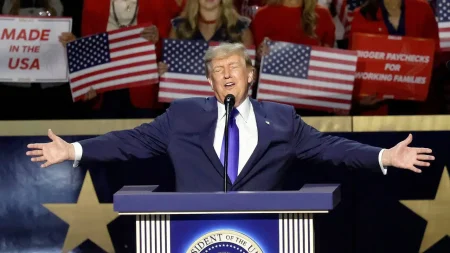
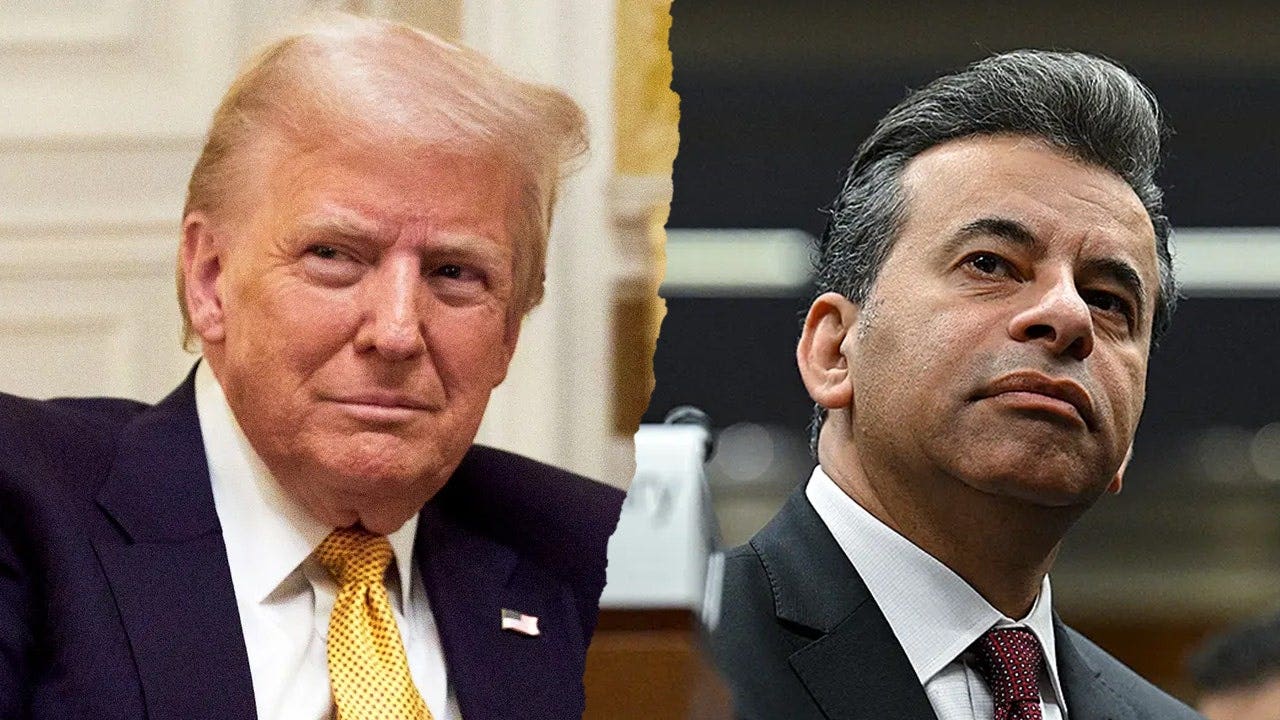
President Donald Trump has found himself in the middle of yet another whirlwind of speculation, this time revolving around the potential firing of Food and Drug Administration (FDA) Commissioner Dr. Marty Makary. It all started with reports that Trump might be eyeing a change at the helm of this crucial health agency, and the whispers have been swirling since Tuesday. When reporters cornered him on Friday, Trump played it cool, shrugging off the rumors with a familiar nonchalance that makes you picture him waving it away like an annoying fly at a picnic. “I’ve been reading about it, but I know nothing about it,” he said, his voice steady and almost amused. When pressed further on what was happening with Makary, he just replied, “nothing much,” leaving everyone in the room with raised eyebrows and a sense of déjà vu from his tweet-worthy deflections. It’s that classic Trump style—keep ’em guessing, never confirm, and let the drama unfold in the headlines. You can just imagine the press corps leaning in, phones recording every word, hoping for a slip-up that would make the evening news. But Trump held firm, saying “no, no” when asked if he was bringing in a new FDA head. This denial came at a time when the administration is under fire for various health policy moves, and Makary’s position has become a flashpoint for ideological divides. Picture the scene: Trump, the dealmaker-in-chief, surrounded by reporters in a bustling hallway, his suit crisp, his expression a mix of exasperation and enjoyment at the media circus. It’s human nature to speculate—what would a firing mean for Trump’s agenda? Would it appease one side while alienating another? The rumors didn’t just appear out of thin air; they were fueled by a Wall Street Journal report that pointed to underlying tensions. According to the article, Trump reportedly slammed and verbally abused a White House doctor who intervened in what was becoming a heated exchange about Makary. Imagine the intensity: officials scrambling, phones buzzing with leaks, and the doctor standing his ground only to face Trump’s wrath. This wasn’t just bureaucratic tension; it felt personal, like a behind-closed-doors feud escalating into something that could reshape public health policies overnight. For average Americans tuning in, it must feel dizzying—another day, another crisis in a government that’s supposed to protect us. Trump’s response, while evasive, adds a layer of intrigue; is he genuinely in the dark, or is this his way of letting the process play out quietly? Either way, the story highlights the volatile world of political appointments where one person’s job security can hinge on pleasing the boss. As the weekend approached, the headlines were already churning, and folks across the country were texting each other links, debating whether Makary was in or out. It’s a reminder of how quickly things can heat up in Washington, where a single report can turn allies into adversaries overnight. Trump’s cool dismissal might calm the waters for now, but with his history of bold moves, who knows what Monday will bring? The human element here is palpable: Makary, a seasoned oncology surgeon thrust into this role since March 2025, must be feeling the weight of public scrutiny, while Trump navigates the expectations of his base. It’s not just about jobs; it’s about trust in institutions that affect our daily lives, from vaccines to medications. As the rumors persist, one thing is clear—the drama isn’t over, and everyone from pro-life advocates to health reformers is watching closely, holding their breath for the next twist.
The Vape Controversy That Sparked the Fire
Diving deeper into the origins of this brewing storm, the initial buzz about a possible Marty Makary ouster dates back to a Tuesday Wall Street Journal exposé that painted a vivid picture of internal conflicts at the highest levels. The report detailed how President Trump leaned on Makary to expedite the approval of flavored nicotine vapes, a request that many in health circles view as risky, especially with concerns over youth vaping on the rise. Makary, ever the principled figure, reportedly pushed back hard, standing firm against rushing through what he saw as inadequate safety reviews. You can almost hear the tension in the room—a heated argument where Trump, frustrated by the resistance, lashed out, eventually giving the green light to a plan to fire Makary. This isn’t just a policy disagreement; it’s a clash of personalities that feels almost Shakespearean, with Makary as the defiant hero refusing to bend to pressure. The Journal’s account suggests that Trump’s ire was sparked by what he perceived as obstruction, turning what could have been a straightforward discussion into a pivotal moment. For everyday folks, this highlights the real-world implications: flavored vapes might sound harmless, like candy-flavored treats, but experts fear they’re luring kids into nicotine addiction. Makary’s stance resonated with parents who’ve shared heart-wrenching stories of their children battling vaping habits, leading to hospital visits and broken homes. Trump’s push, however, came from a different angle—perhaps seeing economic opportunities or fulfilling campaign promises to lighten regulations. It’s a classic divide: science versus politics, where evidence-based decisions clash with the haste of executive will. As the story unfolded, it became clear this wasn’t isolated; leaked memos and insider chats revealed a pattern of communication breakdowns that left White House staffers scrambling. Imagine the scene in the Oval Office—Trump pacing, demanding results, and Makary calmly but firmly explaining the dangers of haste. This human drama underscores how one policy choice can ripple out, affecting millions who rely on FDA decisions for safe products. The public outcry, especially from moms’ groups, amplified the story, turning it into a narrative of integrity versus expediency. Even as Trump downplayed it, the undercurrents suggest deeper issues, like trust in government processes that are meant to safeguard health. For Makary, this must have been a tough spot—loyal to science, yet under fire from the top. As the week progressed, the WSJ updates only fanned the flames, showing how a seemingly minor request escalated into a full-blown controversy. It’s a lesson in power dynamics, where voices of caution can invite backlash, and it leaves us pondering: in a fast-paced world, how do we balance speed with safety? The human side emerges in the quotes from advocates who cheered Makary’s resistance, seeing him as a bulwark against reckless policies. Overall, this vape row wasn’t just about e-cigarettes; it exposed fault lines in Trump’s administration that many fear could undermine public health if not addressed. As rumors of firing loomed, the air was thick with anticipation, and folks following the news felt a collective sigh of hope that reason would prevail.
Makary Under Fire from the Pro-Life Movement
Amid these tensions, Marty Makary’s tenure as FDA commissioner has been marred by a series of controversies that have galvanized different factions, each pulling in opposite directions like a tug-of-war at a county fair. One of the most contentious issues revolves around his handling of abortion pill safety reviews, particularly for mifepristone, a drug at the heart of reproductive rights debates. Pro-life activists, ever vigilant, have accused Makary of deliberately slow-walking the process, dragging out approvals in a way that they argue prolongs access to the medication. It’s a charge that hits hard, evoking emotions from families who feel personally affected by reproductive choices. SBA Pro-Life America president Marjorie Dannenfelser didn’t mince words, labeling it a “five-alarm crisis for the pro-life movement and for the GOP.” Her statement was impassioned, painting Makary’s actions as a betrayal of conservative values, where every day of delay translates to more abortions—a stark, human calculus that weighs on the conscience of believers. She warned that without decisive action, the Republican base would lose motivation, potentially costing elections and dimming the hope for a society that protects the unborn. This isn’t abstract politics; for pro-lifers, it’s about lives lost, communities fractured, and a sense of moral urgency that drives rallies and late-night vigils. Makary, a former oncology surgeon, might see his approach as thorough, a safeguard against untested risks, but critics portray it as obstructionist, a tool to undermine women’s choices in a politically charged climate. The numbers bandied about—claims of 500 abortions per day driven by Biden-era policies—add fuel, making the debate visceral. You can picture the activists, fueled by conviction, organizing petitions and phone calls, their voices rising in calls for Trump to act swiftly. For Makary, this must be a double-edged sword: praised by some for diligence, vilified by others for bias. Trump’s potential firing could be seen as aligning with his pro-life promises, rewarding loyalty to core constituents. Yet, it raises questions about the FDA’s independence—should it bow to political whims? The human stories behind this are compelling: women facing difficult decisions, doctors grappling with ethical dilemmas, and families navigating grief. Dannenfelser’s plea underscores the stakes, emphasizing that enthusiasm from the base isn’t guaranteed without leadership from the top. As the controversy builds, it feels like a referendum on values, where Makary’s fate could tip the scales in national debates over life, science, and governance. In interviews and statements, pro-life figures express a deep-seated frustration, sensing that Trump’s administration has the power to “end it,” as Dannenfelser put it. This ongoing battle highlights how personal ideologies intersect with public health, creating rifts that echo through society. For those on the fence, it’s a reminder of how policy feels lived, not just legislated, with real emotions and consequences at play.
Industry Pushback from Big Pharma and Biotech
Not everyone is calling for Makary’s head, but the opposition from the pharmaceutical and biotech sectors has been loud and substantive, adding another layer to the complex web of criticism facing the FDA commissioner. Take John Crowley, head of the Biotechnology Innovation Organization (BIO), who penned a sharp op-ed decrying what he termed “aggressive and often indiscriminate personnel cuts” at health agencies like the FDA. His words carried the weight of industry experience, portraying Makary’s reforms as shortsighted attacks that hinder innovation rather than help it. Picture Crowley, a seasoned advocate for biotech pioneers, articulating frustrations in an op-ed that reads like a rallying cry for a beleaguered sector. He argued that these cuts lack the “strategic insights necessary to modernize and reform” critical agencies, potentially stifling advancements in treatments for diseases that touch millions of lives. For biotech firms, this isn’t just business; it’s about funding life-saving research, developing new drugs, and navigating a regulatory maze that can make or break careers and cures. Crowley’s statement evoked the human toll: researchers working late hours, patients awaiting breakthroughs, and investors watching portfolios dwindle under uncertainty. They see Makary as disruptive, perhaps overly zealous in pruning staff, which could lead to delays in approvals and lost opportunities. In a world where pharmaceutical companies invest billions, any hint of instability feels like a threat, prompting letters, lobby meetings, and public outcries. This pushback contrasts sharply with pro-life demands, illustrating how Makary straddles conflicting expectations—from ideological purists on one side to profit-driven pragmatists on the other. His approach, while aimed at efficiency, is accused of lacking nuance, potentially alienating allies in an industry that thrives on collaboration. As rumors of firing swirl, execs in boardrooms must be weighing their options: does this mean a return to more lenient oversight, or a continuation of reforms that ruffle feathers? The drama feels personal and professional, with Crowley’s op-ed highlighting the clash between bureaucratic overhaul and economic imperatives. For average Americans, this adds anxiety—will cheaper drugs and faster innovations suffer under a changing guard? BIO’s stance underscores a broader narrative: health policy isn’t isolated; it’s intertwined with jobs, innovation, and access. Critics argue Makary’s personnel moves reflect political motivations, cutting deep into the expertise that drives FDA decisions. As the debate heats up, it’s clear that big pharma views him as an obstacle, their criticisms painting a picture of a commissioner out of sync with the needs of a dynamic sector. This opposition could influence Trump’s calculus, reminding him of the economic stakes in his health agenda. Ultimately, it’s a human story of ambition versus tradition, where reform collides with the status quo, leaving everyone wondering what comes next in this high-stakes game.
Defenders Rally Around Makary in the MAHA Movement
While the calls for firing Marty Makary resonate from pro-life groups and industry players, a formidable counterforce has emerged from the Make America Healthy Again (MAHA) camp, spearheaded by figures like Robert F. Kennedy Jr., rallying in support of the embattled commissioner. They frame the criticisms as coordinated assaults from corporate interests, defending Makary as a rare ally who prioritizes genuine health over profits. Kelly Ryerson, a vocal advocate in the MAHA circle and known as Glyphosate Girl, spoke passionately to Fox News Digital, calling Makary “an ally in the MAHA movement.” Her words evoke a sense of solidarity, positioning him as someone unafraid to challenge the “swamp”—a term that resonates with conspiracy-tinged frustrations about entrenched power. Ryerson highlighted the hypocrisy in attacks, noting how demands for speedy flavored vape approvals alarm mothers worried about their kids’ wellness. It’s a relatable narrative: parents sharing stories of addiction, pleading with policymakers to prioritize long-term health over quick market wins. Alex Clark, a podcaster affiliated with Turning Point USA, escalated the rhetoric on X (formerly Twitter), accusing the Washington “SWAMP CREATURES” of hating Makary for his “actual scientific scrutiny, independent thinking, and putting Americans’ health FIRST.” His post was fiery, a digital rallying cry warning against replacing him with a “pharma puppet,” which he saw as a step backward from Trump’s MAHA vision. Picture Clark typing furiously, echoing the anger of everyday Americans tired of big players dictating policy. Even Vani Hari, the beloved “Food Babe” blogger, chimed in, deeming a Makary ouster “a horrible move,” her influence amplifying the defense among health-conscious followers. Their support humanizes Makary, portraying him not as a lone wolf but as part of a movement that values transparency and real science. For MAHA supporters, this isn’t politics; it’s personal—a fight against perceived corruption in an industry that profits from sickness. Ryerson’s emphasis on mothers’ concerns adds an emotional layer, drawing in narratives of family protection, where flavored vapes symbolize a gateway to youth crises like those haunting opioid-ravaged communities. Clark’s post captured the outrage, blistering against media dependent on pharma ads, and urging defiance of corporate pressures. Hari’s stance reinforced the idea that bureaucrats’ egos should never trump public safety. Collectively, these voices create a narrative of resistance, where Makary is celebrated as a hero standing against the tide. As the debate unfolds, MAHA’s defense underscores Trump’s own slogan, suggesting that firing him would undermine health reforms. For observers, it’s inspiring yet divisive, highlighting how grassroots movements mobilize emotion to counter elite critiques. The supporters’ passion feels genuine, rooted in shared experiences of health struggles and distrust of big entities. It leaves us reflecting on whose voice prevails in shaping policy—and whether Makary’s tenure embodies a successful fight for human-centric health.
Wrapping Up the FDA Firestorm and Broader Implications
As the saga of Marty Makary’s potential firing unfolds, it encapsulates the turbulent intersection of politics, science, and personal convictions that defines contemporary American governance. President Trump’s dismissive comments might provide temporary respite, but the underlying rifts—sliced between pro-life urgencies, industry grievances, and health movement loyalties—signal a deeper divide that’s unlikely to resolve swiftly. Fox News Digital reached out to key players like the White House, HHS, FDA, BIO, and SBA Pro-Life America for additional insights, but details remain scarce, leaving the narrative to speculation and partisan spins. This opacity itself is telling, mirroring how health policy often simmers beneath high-profile headlines. For Makary himself, the mixed reviews paint a portrait of a principled yet polarizing figure, navigating a minefield where science meets ideology. His defenders in the MAHA camp see him as a beacon of hope, while detractors view him as a liability to progress and morality. Trump’s “nothing much” response echoes his style of deflection, but it can’t erase the human drama: frustrated advocates, anxious executives, and concerned citizens whose lives hang in the balance of FDA decisions. Looking ahead, any change at the agency could ripple through drug approvals, vaccine policies, and reproductive access, affecting everything from daily medications to national health strategies. It’s a reminder that these roles aren’t abstract; they influence real families, from moms monitoring vape trends to researchers chasing cures. The Roman adage “si vis pacem, para bellum” (if you want peace, prepare for war) might apply here, as factions gear up for prolonged battles. Ultimately, Makary’s fate could define Trump’s legacy on health, either as a champion of reform or a compromiser swayed by voices. For the public, it’s a call to engage—voting, advocating, and questioning how our leaders balance competing interests. As whispers of firing persist, one truth emerges: in the arena of public health, the stakes are as human as they are high, demanding vigilance and empathy from all sides. Whether Makary stays or goes, the conversation started here will shape discussions for months, proving that Washington’s dramas are more than tabloid fodder—they’re mirrors of our nation’s soul.