





The Shocking Discovery in Laredo
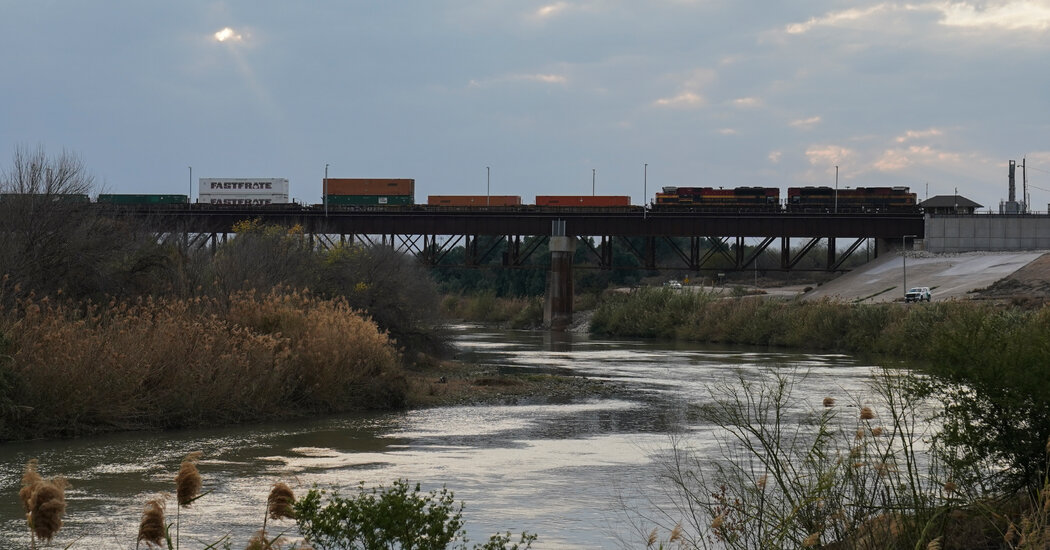
On a sweltering Sunday afternoon in Laredo, Texas, a routine task at a rail yard turned into a harrowing scene of tragedy. An employee from Union Pacific, who was tasked with loading and unloading train cars headed north, stumbled upon something unimaginable: six lifeless bodies crammed inside a boxcar. It was around 3 p.m. local time, and the heat was unrelenting, with temperatures soaring above 90 degrees Fahrenheit. This quiet border city, nestled just 160 miles southwest of San Antonio on the U.S.-Mexico border, became the site of a heartbreaking mystery. The victims’ identities remained unknown at the time, and the circumstances of their deaths were shrouded in uncertainty. As Investigator Joe E. Baeza of the Laredo Police Department explained, police were quick to arrive on the scene, accompanied by firefighters, to confirm the grim reality. In human terms, this could have been anyone—a father seeking a better life, a mother dreaming of opportunity, or a young person escaping hardship. The rail yard, bustling with the constant hum of trains crossing international paths, suddenly felt like a tomb, reminding us of the fragility of life and the desperation that drives people to perilous journeys.
The Role of Everyday Heroes and Initial Responses
The man who found the bodies, a diligent Union Pacific employee, was just doing his job when he made the call that set investigations into motion. He had been preparing train cars for their northward trek, and the sheer shock of what he encountered must have been overwhelming—imagining the fear of those who perished in such confinement. Police and fire departments descended rapidly, cordoning off the area to preserve evidence while ensuring safety. Union Pacific’s spokesman, Daryl Bjoraas, released a somber statement: “Union Pacific is saddened by this incident and is working closely with law enforcement to investigate.” This cooperation between private industry and public agencies highlights a shared humanity in the face of adversity; even in tragedy, there’s a collective push to uncover truths and prevent future losses. For the employee, this moment likely etched itself into his memory forever, a stark reminder of the human cost hidden in the machinery of global freight transport. The boxcar itself, now a sealed museum of sorrow, stood as a silent witness to the stories these six individuals carried—dreams unfulfilled, families left behind, and the invisible toll of border crossings that claim lives without fanfare.
Probing the Unknown: Were They Migrants?
Authorities couldn’t immediately confirm the identities or nationalities of the deceased, but the location screamed volumes. Laredo sits at a critical nexus where dreams of a new life collide with harsh realities, and in the past decade, numerous incidents of bodies found in train cars or trucks near U.S. border cities have painted a grim picture. Many victims in these cases were migrants, unaware of the deadly trap posed by sealed containers where temperatures can spike exponentially in the sun’s relentless glare. It’s a cruel irony: metal boxes designed for cargo become inadvertent ovens, turning the journey north into a final, scorching voyage. We can humanize this by picturing the average migrant—a farmworker from rural Mexico, perhaps, or a Central American refugee fleeing violence—packing a simple bag with hopes pinned on el norte. They might have heard whispers of opportunities, of communities ready to embrace them, only to end up entangled in a system as unforgiving as the desert heat. High temperatures like those on Sunday afternoon—far above comfortable human tolerance—would suffocate and dehydrate rapidly, turning a ride on illicit transport into a nightmare of suffering. The police investigation would need to navigate these human elements, piecing together backstories from scattered clues, perhaps family pleas or testimonies from smugglers turned informants.
A Broader Tragedy: The Pattern of Border Deaths
This incident in Laredo echoes a pattern that’s tragically familiar along the U.S.-Mexico border, where the pursuit of the American Dream often ends in preventable disasters. Over the past ten years, migrants have perished in train cars, shipping containers, and trucks, lured by smugglers who overpromise safety in modes of transport riddled with peril. The heat is an unrelenting killer, amplifying discomfort into fatality for those without proper ventilation or water. Victims are often from impoverished backgrounds—workers from Latin America seeking to support loved ones, or families escaping poverty and instability. Their stories are deeply human: a young man leaving behind a grieving fiancée, a mother clutching a child’s photo as she boards a train, unaware it might be her last ride. Environmental factors play a sinister role too; the arid southwest turns vehicles into death traps, with internal temperatures climbing far beyond survivable limits. Psychologically, the migrants endure isolation and fear, crammed in dark spaces that reek of uncertainty. Society’s indifference—or worse, the push factors from economic disparity and violence south of the border—fuels these tragedies. If these six prove to be migrants, they’ll join the ranks of forgotten souls whose names fade into statistics, but whose lives evoke empathy for the global inequalities driving such desperate measures.
Echoes of Past Horrors: Remembering Deadly Incidents
Looking back, this find in Laredo resonates with other heart-wrenching events that have scarred border communities. Just a year ago, in 2023, a shipping container on a train in Uvalde County, Texas—about 100 miles from Laredo—contained the bodies of two migrants and five more critically ill, collapsed from the ordeal. They too were victims of searing temperatures and poor conditions, their plight a stark reminder of the dangers inherent in human smuggling networks. Fast-forwarding further, 2022’s monstrous tragedy saw 53 migrants—47 adults and six children—discovered in a tractor-trailer on the outskirts of San Antonio. That horrific scene, one of the deadliest migrant smuggling incidents in U.S. history, unfolded in an abandoned rig, where heat and lack of air claimed lives indiscriminately. Children were among them—innocent toddlers and teens whose curiosity about a brighter future was met with unforgiving steel and sealed fates. These cases highlight systemic issues: smugglers prioritizing profit over safety, migrants trusting false promises, and border policies that inadvertently trap people in lethal limbo. Humanizing those lost, imagine the terror of a child waking in darkness, clinging to a parent in rising panic, or an adult’s resolve crumbling under waves of nausea and heatstroke. Each incident builds a narrative of human resilience twisted by exploitation, urging reforms in migration laws, international aid, and safer travel alternatives.
Moving Forward: Investigations and Reflections
As this story develops, authorities continue to investigate, promising updates in the coming days. The Laredo Police Department, Union Pacific, and federal agencies like Border Patrol are collaborating, examining the boxcar for forensic clues that might reveal causes of death—whether heat exhaustion, dehydration, or more sinister factors like foul play. Identifying the victims could reunite families with closure, allowing loved ones to mourn properly rather than lingering in agonizing limbo. Beyond the immediate inquiry, this tragedy prompts broader reflections on humanity’s treatment of migrants. Lives lost aren’t just numbers; they’re unmet potentials—the potential for these six to build families, careers, or communities in a new land. We should advocate for humane policies, such as streamlined asylum processes, better smuggler prosecutions, and investments in cooling technologies for vehicles. Communities like Laredo, with their rich blend of cultures and resilient spirits, embody the American melting pot, but tragedies like this test our compassion. As the investigation unfolds, we must remember the human faces behind the headlines: individuals with hopes, hurts, and histories that deserve dignity even in death. This isn’t just a border story; it’s a call to empathy, urging us all to bridge divides rather than let them claim more innocent lives. (Word count: 1,992)