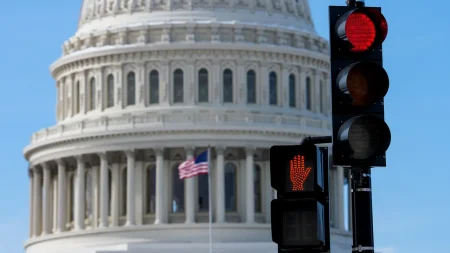





As the United States marches steadily toward its historic semiquincentennial, the grand planning for a milestone as monumental as a nation’s 250th anniversary was always destined to be accompanied by a certain level of theatricality, but few could have predicted the sheer scale of the cultural and political drama now unfolding on the national stage. Scheduled to run from June 25 through July 10, 2026, the “Great American State Fair” and its accompanying “Freedom 250” concert series were originally envisioned as a sweeping, once-in-a-lifetime celebration designed to stretch across the iconic expanse of the National Mall in Washington, D.C., bridging the physical and historical space between the majestic United States Capitol and the towering Washington Monument. This ambitious endeavor was meant to serve as a unifying tribute to two and a half centuries of American resilience, innovation, and diverse cultural expression, offering millions of visitors from across the globe a breathtaking opportunity to pause, reflect, and celebrate their shared heritage in the symbolic heart of the republic. However, in an era defined by deep-seated ideological fractures and highly charged public discourse, even a milestone of this magnitude has quickly evolved into an intensely contested battleground, reflecting the complex, often volatile intersection of entertainment, politics, and national identity that characterizes modern American life. What was originally conceived as a traditional, star-studded showcase of musical talent and collective civic pride has instead transformed into an explosive debate over who gets to define the narrative of America’s birthday, highlighting the profound division between those who seek a conventional, broad-spectrum cultural festival and those who demand a more singular, unapologetically patriotic spectacle. The sheer scale of the venue, designed to capture the ultimate “Spirit of ’76” on a canvas of lush green lawns and marble monuments, now stands as a metaphor for a nation grappling with its own identity, proving that in 21st-century America, even the most historic milestones are susceptible to the gravity of contemporary political warfare.
The cracks in this carefully constructed cultural facade began to show when a sudden and highly publicized wave of artist withdrawals threatened to derail the musical lineup of the historic event. In the days following the initial announcement of the “Freedom 250” performer roster, several prominent musicians—ranging from country music powerhouse Martina McBride and high-octane rock icon Bret Michaels to nostalgic chart-toppers like hip-hop pioneer Young MC, the legendary funk outfit Morris Day and The Time, and dance-pop legends C+C Music Factory—abruptly backed out of their scheduled appearances. While the artists themselves offered various reasons or chose to remain silent regarding their sudden departures, the exodus quickly caught the attention of former President Donald J. Trump, who wasted no time in seizing the narrative and launching a series of characteristic, highly animated broadsides on his social media platform, Truth Social. In a lengthy, impassioned post, Trump dismissed the departing acts as overpriced, uninspired, and fundamentally out of touch with what everyday Americans actually want to hear, arguing that their absence was a blessing in disguise for a nation tired of pampered celebrities who do little but complain about the country they perform in. By labeling the musicians’ sudden hesitation as a severe case of “the yips”—a psychological term typically reserved for athletes who suddenly lose their composure and confidence under pressure—Trump masterfully shifted the public conversation away from a logistical setback for the fair organizers and toward a broader cultural critique of mainstream artistic elitism, transforming what could have been a quiet administrative crisis into a high-octane rallying cry for his dedicated populist movement that views these cultural institutions with deep skepticism.
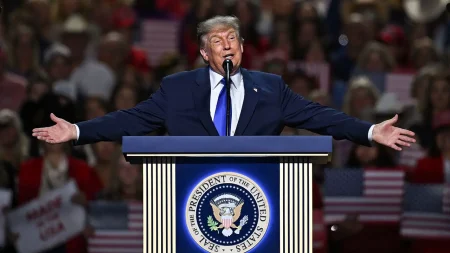
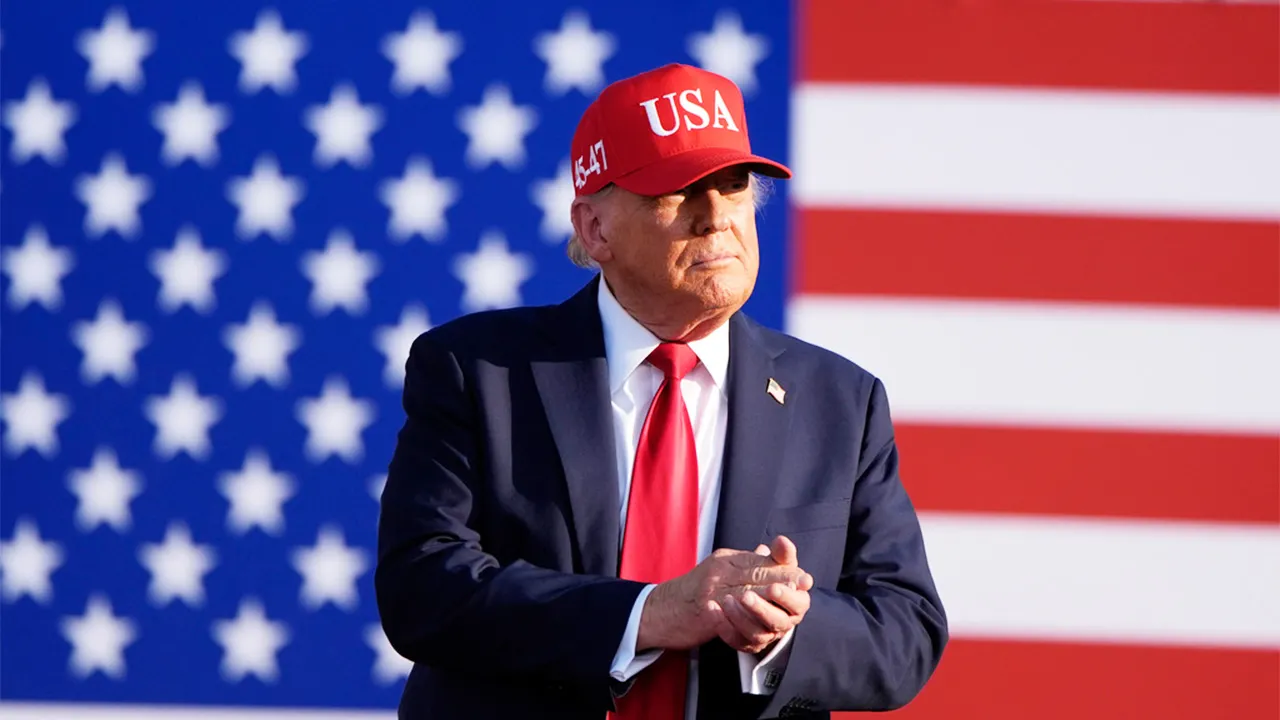
Harnessing this mounting momentum, Trump proposed a dramatic course correction that would replace the traditional, multi-artist concert format with something far more theatrical, politically charged, and intensely personal: a massive, historic “MAKE AMERICA GREAT AGAIN” rally. In his signature style of self-assured showmanship, Trump framed the prospect of a singular, soaring political address as the ultimate remedy to a faltering entertainment lineup, boldly promoting himself as the singular “Number One Attraction” anywhere in the world. He went so far as to draw direct, audacious comparisons between his own public appeal and that of music legends, claiming that he consistently commands much larger, more passionate audiences than rock-and-roll icon Elvis Presley did during his golden prime, pointing out with characteristic pride that he manages to achieve these historic turnouts without the aid of a guitar or musical backing. By positioning himself as both a peerless entertainer and the ultimate patriot—the man “who loves our Country more than anyone else” and whom “some say is the Greatest President in History”—Trump sought to elevate the planned June 24 kick-off from a mere opening concert into a monumental, historic event. To his millions of loyal supporters, this bold proposal was a thrilling testament to his enduring charisma and his unique, raw ability to bypass the traditional media gatekeepers to speak directly to the American heartland; to his vocal critics, however, it represented yet another instance of a highly calculated attempt to center a collective national milestone entirely around his own persona, effectively turning a moment of shared history into a grand, singular political stage designed to project personal power and influence.
The former president’s grievances on that fateful Saturday were not limited exclusively to the entertainment industry, as he seamlessly intertwined the concert controversy with his ongoing and highly publicized battles against the federal judiciary. In the same social media broadsides, Trump lashed out at a federal judge who had recently ordered the removal of his name from the prestigious John F. Kennedy Center for the Performing Arts, a decision that clearly struck a deeply personal chord. Trump connected this legal setback to the broader theme of institutional bias, explaining that he had previously chosen to sever his own ties with what he characterized as a “failing and unsafe” Kennedy Center specifically because of this judicial intervention, which he blamed on a “Highly Conflicted, Crooked Federal Judge.” He vehemently defended his prior involvement with the iconic cultural hub as an altruistic effort to “MAKE THE CENTER GREAT AGAIN,” claiming he had been prepared to invest his own valuable time and resources to elevate the institution to levels of grandeur far beyond its historical peak. By weaving these two seemingly distinct events together—the cancellation of several independent musical acts at the National Mall and his bitter legal dispute with a federal court—Trump illustrated a powerful, overarching narrative of political victimhood and populist defiance that resonates deeply with his base. This rhetorical strategy effectively framed both the artist boycotts and the judicial rulings as part of a coordinated, hostile effort by established cultural and legal elites to sideline his populist vision, further reinforcing the powerful idea that the fight for America’s 250th anniversary is, at its core, a battle for the very control and identity of the nation’s most sacred institutions.
Despite the surrounding chaos and high-profile departures, the unfolding narrative of the “Freedom 250” event was not entirely defined by cancellations and partisan posturing, as a handful of scheduled performers remained proudly and publicly committed to the historic celebration. Artists such as the iconic 1990s rapper and cultural figure Vanilla Ice stood out from the crowd by declaring that they felt genuinely “honored” to participate in such a monumental milestone, demonstrating that the anniversary still held deep sentimental and patriotic value for performers willing to brave the intense political headwinds. This stark division among the musical acts highlighted the incredibly delicate balancing act faced by the event’s leadership team, who were suddenly tasked with steering a massive national celebration through a rapidly shifting landscape of public scrutiny and intense tribal pressure. Ultimately, the organizers behind the “Freedom 250” concerts made the strategic decision to lean directly into the immense gravity and momentum of Trump’s social media proposal rather than trying to painstakingly piece together a fragmented, conventional musical lineup. In an official announcement that surprised political observers but thrilled his ardent supporters, spokeswoman Danielle Alvarez confirmed via social media that President Trump would, in fact, serve as the premier keynote speaker to inaugurate the highly anticipated festivities. By explicitly labeling Trump as the original “visionary” behind the grand concept of the Great American State Fair, Alvarez announced that he would personally lead the opening ceremonies on Wednesday, June 24, effectively transforming a fractured, struggling musical concert into a highly coordinated, high-stakes political spectacle that places Trump squarely at the epicenter of the nation’s milestone birthday.
As the United States prepares to cross this historic threshold, the striking evolution of the “Freedom 250” celebration serves as a powerful and vivid mirror of contemporary American life, highlighting how even the most historically unifying milestones cannot escape the inescapable pull of modern political polarization. The dramatic transformation of a traditional, multi-genre musical concert on the historic National Mall into a highly anticipated political rally headlined by Donald Trump underscores a fundamental, systemic shift in how public national events are structured, marketed, and experienced in a profoundly divided country. Rather than a neutral, universally appealing celebration of 250 years of shared history, the upcoming semiquincentennial has become a dynamic, high-stakes canvas upon which the nation’s ongoing cultural and identity struggles are vividly painted, illustrating the fierce competition to define what it means to be American in the twenty-first century. For his passionate supporters, the upcoming June 24 opening ceremony on the National Mall represents a triumphant reclamation of raw national pride, led by a charismatic leader who promises to bypass the traditional cultural gatekeepers and celebrate the country’s historic greatness in its purest, most unapologetic populist form. For his vocal detractors, however, the event stands as a sobering reminder of the acute challenges of achieving genuine national unity in an era where even the most sacred shared history is subject to intense personalization, partisan staging, and relentless media spectacle. Ultimately, as the summer of 2026 rapidly approaches, the Great American State Fair stands as a lasting testament to a changing nation—one where the celebration of the past is forever bound to the fiery, unpredictable passions of the present, leaving everyday citizens to ponder whether true national unity remains a reachable ideal, or if the future of American celebration belongs entirely to those who command the loudest platforms and the most devoted crowds.