






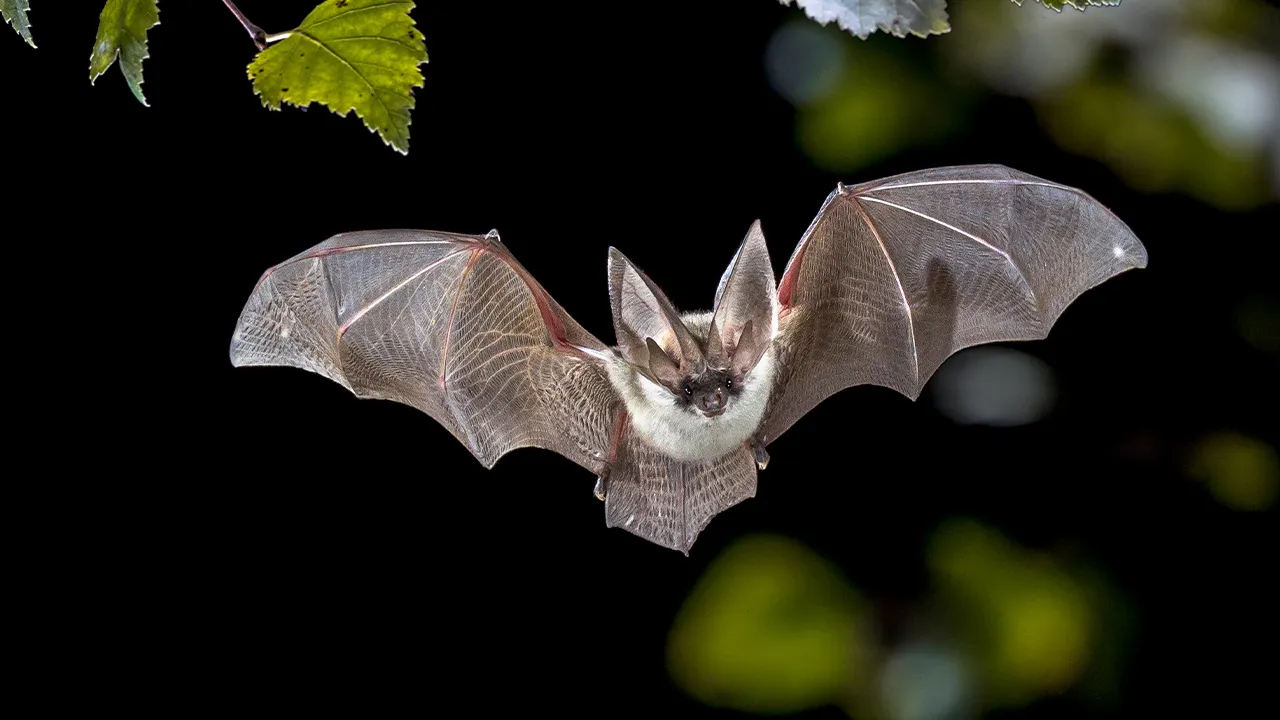
A quiet walk through a neighborhood park or along a suburban sidewalk is supposed to be a peaceful escape from the hustle and bustle of daily life, but a recent discovery in South Fremont, California, has served as a stark reminder of the wild, invisible forces that exist just beyond our doorsteps. On May 26, a tiny, unassuming bat was spotted lying near a sidewalk at Palo Verde Common. It was positioned within arm’s reach of unsuspecting pedestrians, children, and passing pets, presenting an immediate, silent hazard. When Alameda County Vector Control stepped in to test the creature, the results confirmed every parent’s and pet owner’s worst nightmare: the bat tested positive for rabies. For the tight-knit Fremont community, the news has sparked a wave of concern, prompting local health and police authorities to urgently remind the public about the delicate, sometimes dangerous boundaries between suburban life and the natural world.
While the word “rabies” can easily evoke scenes from horror films, understanding the disease is the first step in replacing fear with constructive vigilance. Rabies is a severe, historically terrifying viral disease that directly attacks the nervous system and brain, progressing to a fatal conclusion once symptoms present themselves. Yet, modern medicine has turned this ancient scourge into a completely preventable condition. The key to survival lies entirely in the speed of the human response; if an exposed person or domestic animal receives a post-exposure vaccination sequence immediately after contact, the virus can be successfully neutralized before it ever takes hold. By raising the alarm so quickly regarding the Palo Verde Common incident, local health officials are relying on community education as their primary shield, ensuring that no resident is left in the dark about how to react to a potential encounter.
Fortunately, public health officials have confirmed that there are currently no known human or animal exposures linked directly to this specific bat. However, because the virus is so unforgiving, authorities are taking zero chances, actively investigating the area and encouraging anyone who might have touched or stepped near the bat to seek immediate medical consultation. If you, a loved one, or even a neighbor believe there was any physical contact with the animal, Fremont authorities urge you to immediately contact the Alameda County Public Health Acute Communicable Disease Program at 510-267-3250. This call is not about sparking panic, but rather about securing a safety net for local families, ensuring that anyone potentially exposed can access the life-saving medical care they need without a moment’s delay.
Beyond human health, this incident highlights the immense responsibility we bear as protectors of our domestic companion animals. Our curious dogs and cats, driven by primal instincts to sniff, chase, and investigate rustling leaves or fallen creatures, are incredibly vulnerable to rabies. Unvaccinated pets are classified by health departments as being at a medium-to-high risk of contracting and spreading this fatal virus, transforming them from beloved family members into potential vectors of disease. Ensuring that your pets are fully up to date on their rabies vaccinations is more than just a regulatory box to check; it is a vital act of love that establishes a biological firewall between the wild elements of nature and the safety of your living room.
Coexisting with wildlife in California often means sharing our neighborhoods with beautiful, complex creatures like skunks, foxes, coyotes, raccoons, and bats, all of whom can naturally host the rabies virus. While our natural, empathetic human instinct when seeing a sick, injured, or struggling animal is to reach out and help, health officials stress that we must override this urge for our own safety. If you encounter an animal acting strangely, staggering, or lying motionless in your yard or on a public path, do not touch it under any circumstances. Instead, allow trained professionals to manage the situation by immediately reporting the animal’s behavior and location to Fremont Animal Services or the Alameda County Public Health Department, keeping your family and your pets at a safe distance.
Ultimately, the discovery of a rabid bat in Fremont is not an invitation to fear the outdoors, but an opportunity to practice smart, respectful neighborliness with the environment. Simple, proactive habits—such as keeping your trash bins securely shut, removing outdoor pet food bowls that attract hungry nocturnal visitors, and keeping domestic animals confined to your property—can drastically minimize the chances of an unwanted wildlife confrontation. We live in a world where asphalt roads and pristine lawns overlap with ancient animal habitats. By remaining alert, respecting local wildlife advisories, and acting with swift caution, we can keep our communities safe, healthy, and harmonious for both the humans who walk the sidewalks and the wild creatures that fly above them.