





Here is a humanized and expanded summary of the provided text, crafted into a six-paragraph narrative.
—
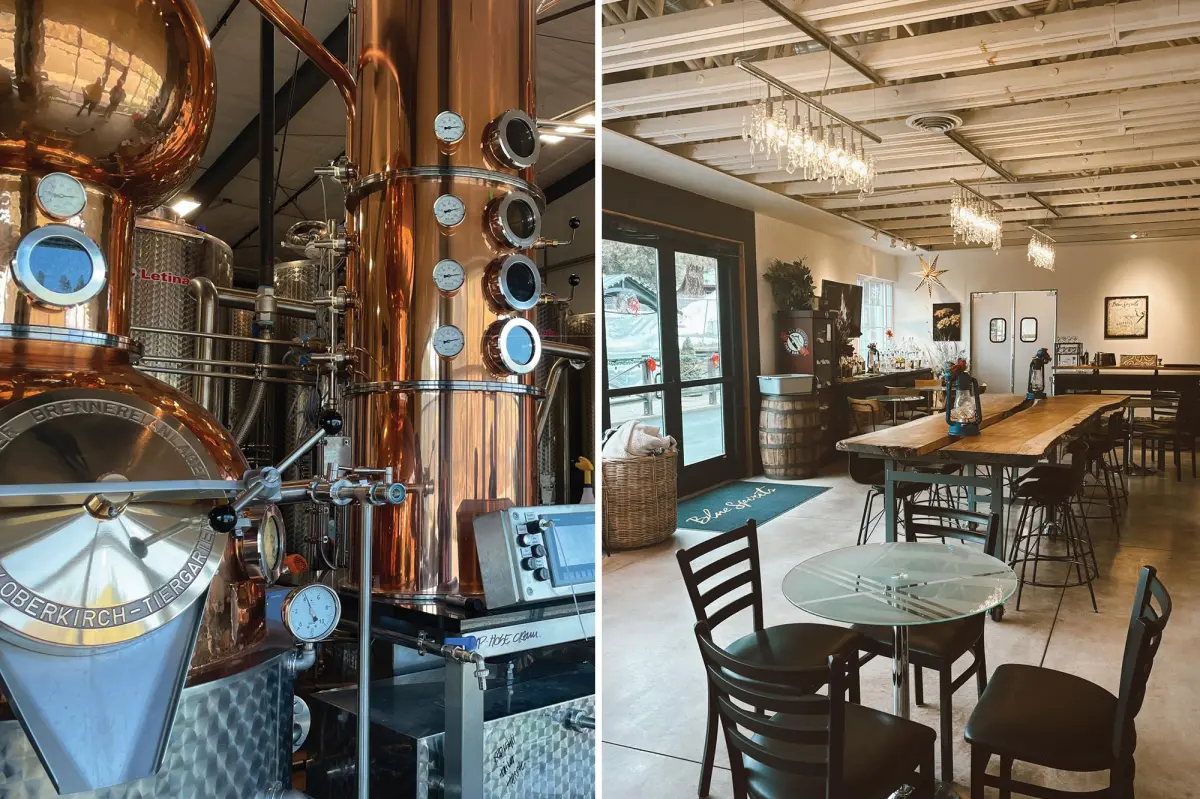
The vibrant story of Blue Spirits Distilling, a beloved craft operation nestled in the heart of Washington State, has come to a quiet and somber end. The award-winning distillery, renowned for its quirky and cult-favorite flavors like pickle and espresso vodkas, has officially poured its final drink. The company has filed for Chapter 7 bankruptcy in the Eastern District of Washington, opting for a complete liquidation rather than a path to recovery. This decisive move has led to the immediate shuttering of its popular tasting room in the charming town of Leavenworth and the closure of its manufacturing facility in nearby Cashmere, leaving local fans and the regional spirits community in a state of shock and mourning.
The news marks a dramatic fall for a business that was once a shining star in the Pacific Northwest’s thriving craft beverage scene. For years, Blue Spirits was a destination for tourists and locals alike, drawing crowds to its Leavenworth tasting room with the promise of unconventional and memorable flavors. Their pickle vodka, a daring and savory concoction, and their rich, coffee-infused espresso vodka, became signature products that earned the distillery a devoted following and a prominent place in the region’s cultural identity. The very character of the brand was built on its willingness to experiment and stand out in a crowded market, making the closure feel like a genuine loss to the community that had embraced it.
Adding a layer of bittersweet irony to the closure is the distillery’s recent and impressive run of success. Just months before the bankruptcy filing, Blue Spirits was celebrating a major victory at the prestigious 2025 New Orleans Spirits Competition. There, both its pickle vodka and espresso vodka were awarded gold medals, a testament to the quality and creativity of its products. The distillery’s trophy case boasted numerous other accolades, underscoring the fact that its failure was not due to a lack of public appreciation or product excellence. In fact, the company had successfully expanded its portfolio beyond its famous vodkas to include gin, whiskey, rum, and tequila, demonstrating an ambition to become a comprehensive craft spirit house with something for every palate.
However, behind the accolades and the celebratory tastings, the financial foundation of the distillery was clearly cracking under pressure. As reported by NCW News, signs of trouble emerged as early as 2022 when Blue Spirits requested and received a temporary rent deferral from the Chelan-Douglas Regional Port Authority for its Cashmere property. At the time, the company candidly cited facing significant financial challenges. This was a critical early indicator that despite its strong brand image, the business was struggling to manage its overhead and debts. The decision to invest heavily in its physical locations, including a reported $590,000 poured into improving restrooms and the HVAC system at its Port-owned buildings, was a significant financial commitment that may have ultimately stretched the company’s thin margins to their breaking point.
The underlying cause of this financial hardship can be traced to the intensely competitive and volatile nature of the craft spirits industry. Beyond the initial difficulties of a global pandemic that shuttered tasting rooms and disrupted supply chains, the market became increasingly saturated as more and more distilleries entered the fray. This over-saturation led to a brutal price war and made it incredibly difficult for smaller producers to secure and maintain vital distribution channels. Shelf space in liquor stores became a premium commodity, and the cost of raw ingredients, glass bottles, and shipping all rose sharply. For Blue Spirits, the dual pressure of a dwindling wholesale distribution business and the significant debt accumulated from their capital improvements created an insurmountable financial hill to climb, making the decision to file for Chapter 7 a difficult, but ultimately unavoidable, reality.
Now, as the final boxes are packed and the doors are locked, the legacy of Blue Spirits Distilling remains complex. A court-appointed trustee will now take control of the company’s remaining assets to sell them off and repay creditors, a process that brings a formal, administrative close to the chapter. While its days of operating as a bustling community hub are over, the distillery’s impact will not be easily forgotten. For those who enjoyed a uniquely savory shot in Leavenworth or a smooth espresso martini made from their favorite local vodka, the memory of what Blue Spirits offered will linger. The closure serves as a poignant reminder that within the world of small business, even a winning formula of creativity, dedication, and critically acclaimed products can be defeated by the unforgiving math of the market, leaving behind a silent tasting room where the only thing left to serve is a reflection on the fragility of an American dream.