





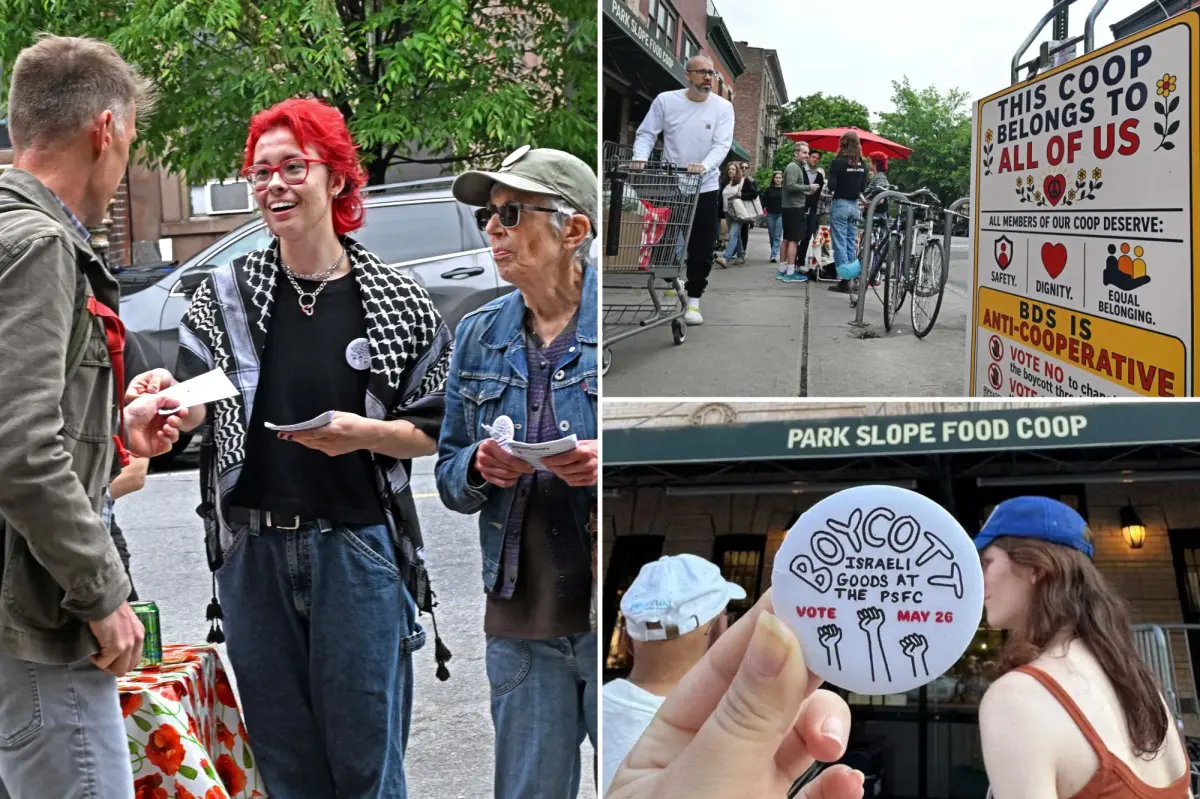
For over half a century, the Park Slope Food Coop stood as more than just a grocery store; it was a living, breathing testament to Brooklyn’s utopian dreams of collective responsibility and community. Founded in 1973, this legendary institution evolved into a vibrant cultural touchstone where neighbors from all walks of life—artists, teachers, activists, and young families—worked side-by-side stocking shelves, weighing bulk grains, and chatting about local affairs. The air inside the coop, traditionally thick with the scent of organic cheese, artisanal bread, and fresh-baked goods, represented a safe haven of progressive solidarity, a place where the chaotic, hyper-capitalist world outside could be temporarily suspended in favor of a shared, cooperatively run sanctuary. However, that decades-old dream of a harmonious, progressive oasis was shattered on a recent Tuesday night, replaced by a deep-seated ideological warfare that has turned this neighborhood anchor into a bitter battleground. What was once described as Brooklyn’s living room morphed into a metaphorical boxing ring as over 7,000 of the cooperative’s 15,000 members logged onto a historically massive, tension-filled Zoom call. This staggering turnout, comfortably cementing itself as the largest gathering in the co-op’s 53-year history, was not born out of a sudden collective passion for organic produce sourcing or membership fee restructurings; rather, it was the climax of a toxic, years-long civil war over a geopolitical nightmare thousands of miles away. The decision to host the monumental meeting entirely online was itself a stark, heartbreaking indicator of how fractured the community had become. Jewish members had voiced explicit, deeply felt fears for their physical safety should they gather in person, reflecting how the national and global traumas of the Israel-Gaza conflict had seeped into the very streets of this progressive Brooklyn enclave, turning former friends and neighbors into suspicious adversaries who could no longer bear to share the same physical room.
The roots of this bitter division trace back to a highly contentious campaign by the Boycott, Divestment, Sanctions (BDS) movement targeting a tiny handful of Israeli-made products sold on the coop’s shelves, including hummus, matzo, and specific consumer goods. While on paper the debate centered around a few grocery items, in reality, it became a proxy war for the raw pain, grief, and fury surrounding the Middle Eastern conflict. In the months leading up to the historic vote, the intellectual, polite veneer of Park Slope began to peel away, revealing raw nerves and explosive anger that spilled out onto the sidewalks and online message boards. During a grocery meeting just a month prior, the atmosphere curdled into what many described as an ugly, antisemitic spectacle, with Jewish members facing accusations of supporting genocide while others hurled venomous insults across the room. Historically, the co-op’s monthly meetings were quiet, almost mundane affairs where fifty to two hundred dedicated souls would gather to debate routine administrative business, such as electing members to the Revolving Loan Committee or updating the pension education details. The contrast between those gentle, administrative discussions and the current ideological crucible could not be more jarring. Longtime member Ramon Maislen captured the tragic mutation of the co-op’s spirit, poignantly observing that while the cooperative once felt like a warm, comforting extension of their own homes, it now felt like “judgment day at noon” with every single gathering carrying the threat of excommunication and mutual condemnation. The profound sadness of this shift lies in the loss of a collective space where people who disagreed politically could still share a smile over a communal bin of apples; now, that mutual respect has been thoroughly incinerated by a demand for absolute ideological conformity.
As the virtual doors opened for the fateful Tuesday night meeting, the digital atmosphere was charged with an exhausting, anxious energy that only intensified as the night dragged on. The agenda started with the standard, dry democratic processes of a cooperative enterprise, but everyone in attendance knew these were merely a prelude to the main event: a pair of highly controversial votes regarding voting thresholds and the proposed boycott of Israeli goods. The meeting quickly spiraled into bureaucratic chaos as the Zoom polling software malfunctioned under the weight of thousands of users, forcing organizers to make multiple frantic attempts to salvage the process while anxious participants watched their screens in mounting frustration. At one point, the digital room grew so overwhelmed by technical failures and emotional fatigue that a motion was put forward to postpone the entire ordeal to another day. Yet, driven by a desperate, weary desire for closure after months of paralyzing anticipation, the members pushed forward, voting by a literal show of hands on their screens to keep going well past their usual bedtimes. It was after nine o’clock in the evening when the first critical, procedural maneuver of the night began, fundamentally altering the co-op’s constitution on the fly. Members voted to lower the threshold required to enact a product boycott from a strict 75 percent supermajority down to a simple majority. This crucial rules change passed with 61 percent in favor and 38 percent against, taking effect immediately and clearing a direct path for the main boycott vote to succeed. It was a dramatic, high-stakes moment of political maneuvering that set the stage for a permanent fracturing of the cooperative’s governance.
With the procedural barrier dismantled, the actual vote on the Israel boycott commenced, ultimately passing with a 67 percent majority in favor, 31 percent against, and 2 percent abstaining. Had the traditional, stabilizing 75 percent supermajority requirement still been in place, the boycott would have failed, leaving the community to find another path forward. Instead, the sudden shift in the rulebook combined with the immediate passage of the ban sent shockwaves of betrayal, anger, and grief through the cooperative’s substantial Jewish and moderate membership. The pain was compounded by an unprecedented and deeply controversial tactical maneuver during the meeting itself: the passage of a motion to move straight to the vote without allowing any anti-boycott proponents the opportunity to speak or defend their position. For a community that had historically prided itself on meticulous, sometimes maddeningly thorough democratic debates where every single voice was given space to be heard, this total silencing of opposition felt like a gut-punch. Anonymous attendees later expressed their profound disgust and heartbreak, noting that this was the first time in fifteen years that an item of such monumental, community-altering scale had been voted on without open, balanced discussion. The feeling of being systematically shut out and silenced in their own coop left many members feeling alienated, discarded, and deeply cynical about the future of the institution. Talk of impending lawsuits and formal legal challenges quickly began to circulate among the outraged membership, with critics arguing that changing voting rules on the very same night a major vote is scheduled is not only ethically bankrupt but potentially legally indefensible.
Beneath the procedural battles and the cold statistics of the voting percentages lies a deeply human tragedy of lost connection and broken trust among neighbors who must still see each other on the streets of Brooklyn. For decades, the Park Slope Food Coop was a rare space where the shared labor of stocking shelves and cleaning floors built bridges across cultural and political divides, fostering a unique brand of local solidarity. But in the wake of this vote, that fragile social fabric has been torn apart, replaced by a cold, uncomfortable silence and lingering looks of suspicion. Parents who once carpooled together or watched each other’s children now find themselves on opposite sides of a bitter ideological chasm, wondering if they can ever look at their neighbors the same way again. The email sent out before the meeting by general coordinators Ann Herpel and Matt Hoagland, which earnestly pleaded with members to maintain a respectful, cooperative tone and avoid personal attacks or comments directed at religious and ethnic identities, read like a desperate, futile warning to hold back a flood that had already breached the dam. The plea for civility felt tragically out of step with the raw, uncompromising anger that has taken hold of the community, where compromise is increasingly viewed as complicity and nuance has been utterly abandoned in favor of tribal alignment. This erosion of interpersonal warmth is what hurts the most for long-time members who invested decades of their lives into building this community, only to watch it collapse into a microcosm of the very same polarization that is paralyzing the rest of the nation.
Ultimately, the passage of the boycott has left many members reflecting on the true cost of this victory and whether the co-op has irreparably damaged its own soul to make a political statement that will have little to no practical impact on the global stage. Cooperative member Barbara Mazor beautifully summarized this tragedy of missed opportunities, lamenting that instead of using the coop’s massive platform, resources, and sudden national publicity to amplify voices working toward coexistence, cooperation, and a shared future for both Israelis and Palestinians, the organization chose to descend into a divisive, inward-facing battle that only succeeded in alienating its own members. The tragedy is that a grocery store, which should have been a sanctuary of nourishment and local unity, has instead chosen to export geopolitical division into the daily lives of Brooklynites who just wanted to buy groceries in peace. As the Zoom screens finally went black and the quiet Brooklyn night reclaimed the streets, the victory celebrations of some members stood in stark, painful contrast to the quiet grief, fear, and disillusionment of others who felt newly unwelcome in the very place they helped build. The Park Slope Food Coop now faces an incredibly uncertain future, haunted by the specter of lawsuits, potential membership drops, and a deeply fractured community that may never again find its way back to the shared, harmonious living room it once proudly claimed to be. In trying to change the world, the co-op may have simply broken itself, leaving behind a sobering cautionary tale of what happens when the pursuit of global righteousness completely blinds us to the humanity of the neighbors standing right next to us.