





The Truth About Your Shoe Size: Why Your Feet Change and How to Finally Walk Comfortably
There’s a peculiar kind of nostalgia that comes with holding onto a favorite pair of shoes long after they’ve stopped being comfortable. We keep them in our closets like old photographs, reminders of who we once were—the ones who could strut through a night of dancing or hike ten miles without a second thought. But then comes that inevitable moment when you slide them on, expecting the familiar embrace, and instead feel a vicious pinch that makes you wince. You push through the discomfort, telling yourself they just need to be broken in, or that your feet have always been this size, so they must fit. Unfortunately, this is a self-deceptive and ultimately damaging mindset. Dr. Rock Positano, a leading podiatrist and co-director of the Non-Surgical Foot and Ankle Service at the Hospital for Special Surgery in New York, states emphatically that one of the most common misconceptions in the medical field is that shoe size is a static, unchanging number for adults. In reality, he asserts, it is highly improbable that your shoe size at age 20 is the same as it will be at age 40 or 60. We change as we age, and our feet change with us娀.
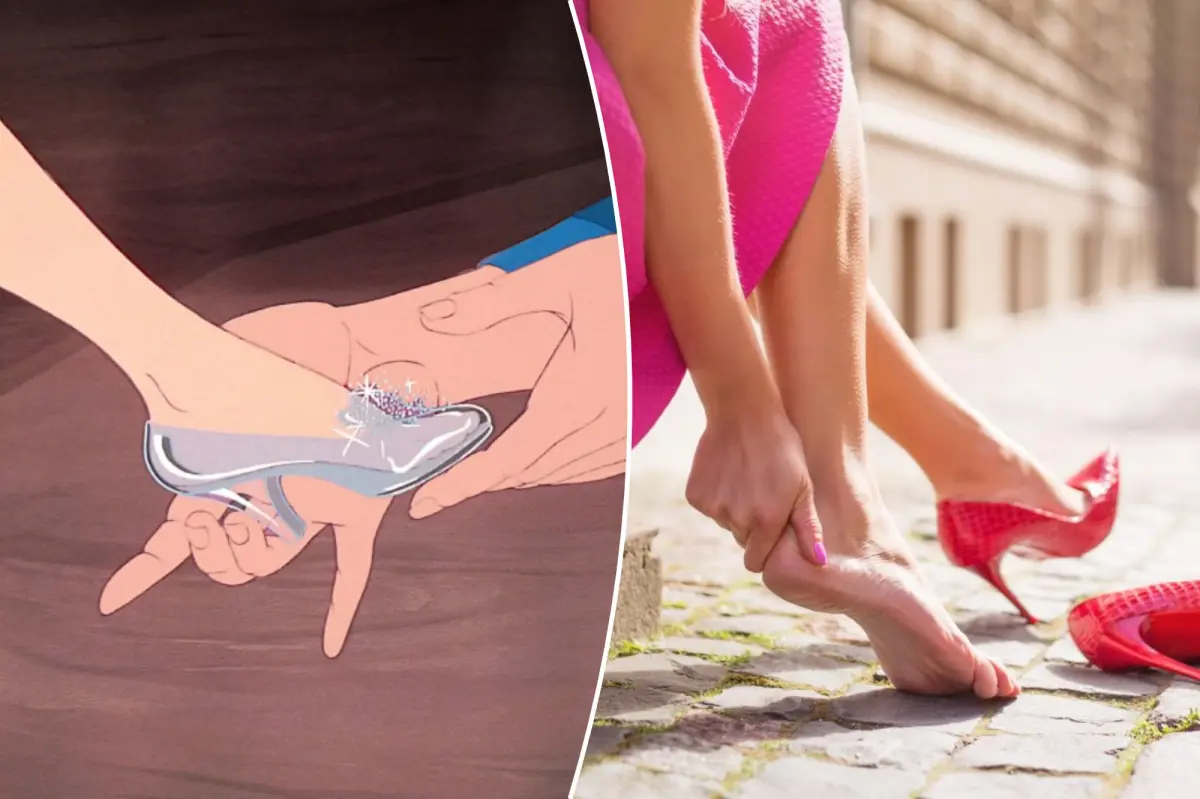
This misunderstanding leads millions of people to engage in a silent battle against their own bodies. There is even a clinical term for it. Dr. Positano describes it as the "Cinderella complex," referencing the fairy tale where the glass slipper fits perfectly. In reality, it is the stubborn attempt to force a foot that has grown, widened, or flattened into a shoe that no longer fits. A landmark study that examined over 350 women discovered that the vast majority were wearing shoes that were too small for their actual foot dimensions, often causing them chronic discomfort without them even realizing the source. These women had purchased shoes years ago or sized down for aesthetic reasons, ignoring the fact that their feet had naturally expanded over time due to aging, ligament laxity, and weight fluctuations. The consequences of this lifelong struggle are not merely cosmetic. The constant compression can cause irreversible damage, leading to painful conditions like bunions, hammertoes, and neuromas. It is a silent epidemic of foot pain that many suffer through daily, assuming that aching feet are simply a normal part of getting older, when in fact it is often simply a case of wearing the wrong size shoe.

For women, one of the most significant catalysts for changing foot size is pregnancy. This biological event can permanently alter the structure of the lower limbs, often leaving mothers contemplating a completely new wardrobe of shoes. The body releases a hormone called relaxin during pregnancy to loosen the pelvic ligaments and prepare the body for childbirth. However, this hormone does not limit its effects to the pelvis; it also targets the ligaments throughout the entire body, including those in the feet. As a result, the arches of a pregnant woman's feet can gradually flatten and collapse under the increasing weight of her growing body. This flattening effectively lengthens and widens the foot, causing the bones to splay out. Many women find that they go up a full shoe size or more after having a child, a change that is often permanent. The loosened ligaments, combined with the sheer physical load of carrying a baby, cause the foot to widen structurally. Trying to squeeze this new foot shape back into pre-pregnancy footwear is not just tight—it's damaging. It compresses the metatarsal bones locked in leather, leading to nerve pain, bunions, and sheer misery. The mother who tries to wear her old stilettos is essentially replaying the "Cinderella complex," but this time with the added twist of thinking her body should snap back to its original shape just because the baby has been delivered. Understanding the physiological reason behind this permanence helps women forgive their post-pregnancy feet and invest in proper support rather than fighting a losing battle.

Of course, the changes don't stop after the childbearing years. The aging process itself ensures our feet continue to morph, demanding new attention. As the decades pass, the fat pads that cushion the bottom of our feet begin to thin out, which paradoxically can make the foot feel larger as it presses closer to the ground upon impact. More significantly, the ligaments in our feet, like the rest of our bodies, lose elasticity and tone, leading to fallen arches. This process of over-pronation makes the foot longer and wider. Additionally, conditions like osteoarthritis can cause joint swelling, while bunions—which are inherited but exacerbated by tight footwear—can force the big toe to drift into the second toe, widening the forefoot. These structural shifts mean that the pair of running shoes you bought five years ago not only have worn-out cushioning but are likely physically too narrow and too short for the evolved shape of your foot. When you then insist on wearing them for a long walk, the resulting friction doesn't just cause a blister; it compresses the metatarsal heads, potentially injuring the nerves between the toes, a condition known as Morton's neuroma, which causes severe, stabbing foot pain.

The discomfort caused by improperly sized shoes is not confined to the foot itself; it creates a ripple effect that biomechanically compromises the entire body. When a shoe is too tight, particularly in the toe box, it alters your natural gait. You might unconsciously roll your foot outward or inward to avoid the discomfort, placing uneven stress on your ankles, knees, and hips. Over time, this unnatural alignment can lead to chronic knee pain, hip bursitis, and even lower back issues. The feet are the foundation of our posture. If the foundation is compressed and unstable, the entire structure above it is compromised. Additionally, the sheer act of wearing shoes that are too small restricts circulation, which can lead to cold feet, tingling, and an increased risk of developing ingrown toenails. Conversely, wearing shoes that are too large is equally problematic, as it causes the foot to slide forward, leading to hammer toes and blisters on the heels. The goal is not just a "close enough" fit; it is a precise alignment of width, length, and deptharch support.

Fortunately, adapting to your changing feet is a straightforward process if you let go of ego and embrace practicality. First and foremost, never buy a shoe based on the number on the tag. Sizing algorithms vary dramatically between brands, and even between different models from the same brand. European, British, and American sizing systems only add to the confusion. The only reliable method is to measure your feet professionally at least once a yearache. Dr. Positano stresses that you should always shop for shoes in the afternoon or evening, as your feet naturally swell throughout the day due to gravity and circulation. Trying on shoes in the morning, when your feet are at their smallest, is a recipe for pain by dinner time. When trying on a shoe, always wear the type of socks or hosiery you intend to wear with it and take a brisk walk around the store. Pay attention to the "toe box"—the front area of the shoe. You should be able to easily wiggle all of your toes inside it. If the fifth toe is rubbing against the side or being squeezed, you are inviting corns and calluses to form.

Dr. Positano offers a simple, practical test for proper shoe fit that goes beyond the conventional "thumb’s width" rule. He advises that when you stand in the shoe, you should be able to feel the widest part of your foot sitting comfortably in the widest part of the shoe. There should be no pinching, and the sides of the shoe should not bow out over the sole of the footwear. He also warns against buying shoes with the intention of "breaking them in." While leather may soften and mold slightly to your foot’s shape, the length and width of the shoe will not magically expand to accommodate a foot that is significantly too large for it. If the shoe causes immediate pain or feels too tight when you are standing with your full weight on it, it will not get better. You cannot stretch the shoe to a larger size; you will only stretch your foot to suffer. Look for a thumb’s width of space between your longest toe and the end of the shoe when standing up, and ensure that the ball of your foot sits comfortably in the widest part of the shoe. If your foot spills over the edges of the sole, the shoe is the wrong width.

As we age, we must also accept the changes in the shape of our feet beyond just length and width. The fat pads on the soles of the feet thin out, meaning that we require more cushioning and support than we did in our youth. A thin-soled flat that felt fine at 25 may cause severe metatarsalgia (pain in the ball of the foot) at 55. Similarly, the Achilles tendon and calf muscles naturally tighten with age, meaning that high heels become increasingly problematic languages. The fashionable shoes of your youth may no longer be viable options, and that is perfectly okay. Finding shoes that properly accommodate the shape of your foot—perhaps with a wider toe box, a lower heel height, or a removable insole for custom orthotics—is not an act of surrender but an act of intelligent self-preservation. It is about valuing mobility and long-term health over a momentary flash of style. The ease with which you walk, the ability to stand in line without pain, and the simple joy of a pain-free evening out far outweigh the superficial benefit of wearing a smaller number on the inside of the shoe.

Ultimately, the takeaway is to approach footwear with the same thoughtfulness that we approach eye care or dental care. Getting your feet measured professionally is a simple procedure that can prevent years of agony. Regular foot check-ups are especially vital for older adults and those with conditions like diabetes, where foot health is critical to overall well-being. Dr. Positano’s advice dispels the glamour of suffering for fashion. The notion that you have to "break in" a new pair of shoes is a dangerous fallacy. A quality shoe should feel comfortable from the moment you put it on. If it pinches, rubs, or causes numbness, do not buy it. It will not magically stretch to fit perfectly; it will likely just remain a source of misery in your closet. Listen to your body. If a shoe causes pain of any kind, it is the wrong shoe for you, regardless of how beautiful it is or how expensive it was. The modern footwear market offers incredible versatility in terms of stylish shoes that provide proper arch support, cushioned soles, and wide widths. There are now countless brands that marry fashion with podiatric health, removing the excuse that comfortable shoes are ugly.

In a world that often obsessed over the external, our feet are the silent workhorses that carry us through life. They bear the brunt of our daily activity, support our weight, and keep us balanced. We clothe them, moisturize them, and yet often abuse them with ill-fitting, inappropriate footwear for the sake of vanity. Dr. Positano’s insights serve as a vital reminder that vanity comes with a price—and the bill is often paid in chronic back pain, knee issues, and debilitating foot deformities. The "Cinderella complex" might find a prince in a fairytale, but in real life, it only leads to a lifetime of podiatrist visits. The wisest approach is to honor the reality of your body. Measure your feet regularly. Shop for shoes in the afternoon when your feet have expanded to their daily maximum. Try on both shoes, as our feet are notorious for being different sizes from one another. Walk around in the store, pay attention to any pressure points, and trust your physical instincts over the size printed on the box. Your feet are the foundation of your life—they deserve the support they need to carry you comfortably through it. Discard the outdated belief that shoe size symbolizes something about your worth or age. Instead, view buying shoes as a journey to find a partner for your feet that provides comfort, stability, and joy aus, ensuring you can live your life to the absolute fullest.Here is a detailed, humanized article on the topic:
There is a peculiar brand of nostalgia that lives in our closets. We keep those shoes—the scuffed leather loafers from our first job, the sleek heels we wore to a wedding ten years ago, or the stylish sneakers we bought for a vacation we took in our twenties. They are badges of our past selves, and we often cling to them long after they’ve stopped being comfortable. When we finally decide to wear them again, we are convinced that a good hour of walking will break them in, that the leather will magically stretch, and that they will once again feel like a dream. But Dr. Rock Positano, the Director of the Non-Surgical Foot and Ankle Service at the Hospital for Special Surgery in New York, is here to debunk that romantic myth. He states, very bluntly, that most of us are walking around in shoes that simply don’t fit. One of the biggest misconceptions we hold is that our foot size is fixed after adolescence. Positano insists that it is incredibly rare, perhaps even improbable, for your shoe size at twenty to remain the same size at forty or sixty. Our feet change, expanding and sometimes even lengthening over the years, yet we stubbornly insist that we are the same size we always were, forcing our evolving anatomy into outdated footwear.
This stubbornness has a name. Dr. Positano calls it the “Cinderella complex.” In the fairy tale, the glass slipper fits perfectly, signifying a perfect match. In reality, this complex represents the agonizing attempt to squeeze a foot that has grown wider and longer into a shoe that is now structurally incompatible. It’s a problem that affects a massive portion of the population, particularly women. In a landmark study observing over 350 women, researchers found that the vast majority were wearing shoes that were significantly too small for their actual foot dimensions. They were buying shoes based on the size printed inside the shoe rather than the actual fit on their foot, leading to a host of deformities and chronic pain. We see the “7” on the box and decide it must fit because it fit once. But our feet spread with age, our fat pads thin out, and our arches might collapse, physically changing the architecture of the foot. Ignoring these changes means we are essentially damaging our foundation, simply for the sake of vanity or convenience. The “Cinderella complex” is a recipe for bunions, hammertoes, and crippling plantar fasciitis—all because we refuse to let go of a number.
For women, one of the most profound and undeniable catalysts for this foot change is pregnancy. During pregnancy, the body releases a flood of hormones, including relaxin, which is designed to loosen the ligaments in the pelvis to prepare for childbirth. However, this hormone does not discriminate; it relaxes the ligaments throughout the entire body, including those in the feet. As an expectant mother gains weight, the pressure on her feet increases, forcing the arches to flatten and the overall structure to spread out. This is not a temporary condition. Many women find that after giving birth, their feet have permanently expanded by a half-size or even a full size. The beautiful ballet flats they wore before pregnancy are now simply instruments of torture. This isn’t just about the baby weight; it’s about the relaxin hormone that permanently loosens the foot’s architecture. A woman might lament that her “feet grew” during pregnancy, but actually, the ligament laxity allowed the bones to splay, flattening the arch and increasing the length of the foot. Trying to wedge these changed feet back into pre-baby shoes is a recipe for disaster.
And it is not just pregnancy that changes the landscape of our feet; it is the sheer act of aging itself. Over the decades, the tendons and ligaments throughout our bodies lose their tightness, and gravity takes its toll on our feet. The feet tend to get longer and wider as the connective tissues loosen and the bones spread. We lose the cushioning fat pads on the balls and heels of our feet, making us more sensitive to hard soles and narrow toe boxes. Furthermore, the natural wear and tear of a lifetime leads to conditions like bunions, where the big toe drifts painfully toward the others, and hammertoes, which cause the middle joints of the toes to bend permanently. The arches that held everything together with youthful elasticity often collapse with age, leading to flat feet. A collapsing arch causes the foot to elongate, effectively making you go up a size or need a wider width to feel comfortable. When the ligaments that support the foot’s arch lose their tone, the entire dynamic shifts. It is a fluid, moving structure that we must accommodate, not force into a static constraint url.
The failure to accommodate these changes has consequences that go far beyond a mild ache at the end of the day. Wearing shoes that are too narrow or too short is like adopting a strict diet that starves your feet. The constant compression of the toes can lead to a condition called Morton’s neuroma, a thickening of nerve tissue that causes sharp, shooting pain in the ball of the foot. Ill-fitting shoes are the leading cause of bunions, painful bony growths on the side of the big toe, and hammertoes, where the toes become bent into a claw-like shape. Podiatrists see these deformities constantly in patients who refused to move up a size. For women, the shift often begins with pregnancy. The body releases the hormone relaxin, which loosens ligaments throughout the body to allow for childbirth, but this hormone also targets the feet. A woman’s foot can easily flatten and widen during pregnancy, sometimes resulting in a permanent half-size or full-size increase. Once that foot widens or flattens, it is a structural change—it isn’t going to revert back to its smaller form. Ignoring this and squeezing back into pre-baby stilettos is not a triumph of willpower; it is a fast-track ticket to nerve pain, bunions, and chronic corns.
The impact of these changes goes far beyond the foot itself. The foot is the foundation of the body’s entire kinetic chain. When a guy or woman wears a shoe that is too narrow, the foot spreads over the sole of the shoe causing instability. This causes the ankle to roll inward, affecting the knee’s alignment, which in turn alters the angle of the hip and ultimately places undue stress on the lower back. That nagging tightness in your shoulders or the chronic ache in your lower back could quite possibly be traced back to the shoes on your feet. Ill-fitting footwear doesn’t just cause flat-out pain in the sole of the foot—like plantar fasciitis or metatarsalgia—it causes a cascade of compensation throughout the body. Furthermore, shoes that are too small pinch the nerves, leading to neuromas (a thickening of nerve tissue, often between the third and fourth toes) which cause burning pain, requiring aggressive treatment to resolve. Equally dangerous are shoes that are too big, as they cause the foot to slide forward, jamming the toes into the front of the shoe, leading to ingrown toenails and potentially damaging the toe joints permanently.
So, what are we to do about this lifelong problem? The first step is to let go of the past. It is vital that you go into a shoe store with an open mindarkeology. Most people have their feet measured once in their youth and assume that number is their “magic size.” However, our feet flatten and spread—not just through pregnancy, but through ordinary life. The fat pads under our feet that cushioned us as young adults become thinneraca. The ligaments loosen. Many people also experience a flattening of the arch over time, which causes the foot to actually lengthen and widen. Positano emphasizes that getting your feet properly measured every few years is essential. And you must measure both feet, because usually, one is slightly larger than the other. When you buy shoes, you should always fit to the larger footmatic.
The second step is to abandon the idea of a rigid number. Because sizing varies enormously between manufacturers and even between different models from the same brand, trying to rely on the number is a fool’s errand. You have to actually pay attention to how the shoe is constructed and how it feels on your particular sole. When you try on new shoes, the timing matters. You should always go shoe shopping in the afternoon or evening, not the morning. Our feet swell as the day goes on due to gravity and general activity. Therefore, a shoe that fits perfectly at 9 a.m. will likely be excruciatingly tight by 4 p.m. Dr. Positano offers a simple litmus test for the right fit: press your thumb down on the toe box. There should be roughly a thumb’s width of space between the tip of your longest toe and the end of the shoe. This extra room is not a flaw; it is a necessity. When you walk, your feet slide forward slightly with each stepchild. If you don’t have that space, your toes will be jammed against the leather or fabric, leading to bruises, ingrown toenails, and a painful condition known as hammer toe, where the toes become bent at the middle joint and permanently deformed.
You also need to think about the width of the shoe, not just the length. The widest part of your foot—usually at the base of the toes—should perfectly align with the widest part of the shoe. If you can see your foot bulging over the sides of the insole, the shoe is too narrow. This constant squeezing can compress the nerves and lead to Morton’s neuroma, a stabbing pain in the ball of your foot, or it can force the big toe to angle inward, creating a bunion. Many of us are tempted to buy a shoe that fits the length but is tight on the sides, convincing ourselves that the leather will “give” eventually. Positano warns that this is a dangerous fallacy. while leather gloves might stretch slightly over years of wear, a shoe will never dramatically alter its structure to accommodate a foot that is fundamentally too wide or too long. A shoe that pinches in the store will pinch on the street, and it will pinch months later offers.
This obsession with our former shoe size does not come out of thin air. For many, it is tied up in identity and a fear of change. Admitting that we need a wide width or a half-size larger can feel like admitting we are aging or that we have lost some control over our bodies. But there is a biological and physiological reality to why our feet “grow” as adults. The foot is a complex mechanism of 26 bones, 33 joints, and more than 100 muscles, tendons, and ligaments. Over a lifetime, the ligaments that hold the bones together can stretch, and the plantar fascia (the thick band of tissue across the bottom of the foot) can lose its tautness Flash. This causes fallen arches, which makes the foot longer and wider as it flattens. The body also naturally accumulates a bit of weight as it ages, and this increased load contributes to the flattening of the arch retically. Furthermore, the hormone relaxin, which is not just present during childbirth but fluctuates throughout a woman’s life, can cause joints to become more lax, leading to a widening of the foot. Simply put, our feet are the foundation of our bodies, and they work incredibly hard; it is logical that they would naturally splay and settle over time.
This brings up the specific case of women, who are more prone to changing foot sizes than men, largely due to pregnancy. When a woman is pregnant, her body releases the hormone relaxin to loosen the pelvic ligaments for delivery. However, this hormone also affects the many ligaments throughout the body, including those in the feet. Combined with the substantial weight gain of pregnancy, the arches of the feet can flatten noticeably. Some women find that their feet grow a half-size or a full size permanently after their first pregnancy十五. It is a physiological change, not a failure to lose “baby weight.” A parent might look at their pre-pregnancy high heels with sadness, but they cannot (and should not) force their changing foot into them. Likewise, as we age, the fat pads on the soles of our feet—our natural shock absorbers—thin out. To compensate, our feet splay out slightly to distribute our weight, making them wider and making that stiff, narrow pump impossible to wear. Our feet also simply flatten. Over time, the posterior tibial tendon—which supports the arch—weekens, causing the arch to collapse. Your feet get longer and wider. This is why measuring your feet is not a one-time event but a recurring necessity.
The risks of wearing ill-fitting shoes, however, go far beyond simple discomfort. Forcing your foot into a shoe that is too small actually alters your gait, the way you walk. To avoid the pain of the pinched toe, you might naturally shorten your stride, or walk more heavily on the outside of your foot. Over time, this unnatural biomechanical movement affects your knees, hips, and lower back. Your posture suffers, and you might develop chronic joint pain. The foot is the foundation of the body; if the foundation collapses or is misaligned, the entire structure crumbles. Moreover, the constant friction from a shoe that is too tight can create serious medical conditions. Ingrown toenails are a direct result of compression from the vamp of the shoe. Hammertoes, where the middle joint of the toe is permanently bent, are often caused by shoes that are too narrow, forcing the foot into a cramped, unnatural position. Those with underlying conditions like diabetes are particularly at risk; a minor blister from a tight shoe can quickly escalate into a dangerous ulcer that may not heal due to poor circulation. So, the act of wearing ill-fitting shoes is not merely a minor inconvenience; it is a potential catalyst for severe, lasting structural damage to your body.
For women, the hormonal and physical changes of pregnancy serve as a dramatic, often permanent, turning point for foot size. During pregnancy, the body releases the hormone relaxin, which, as the name suggests, relaxes the ligaments in the pelvis to prepare for childbirth. However, this hormone circulates throughout the entire body and has the same laxative effect on the ligaments in the feet. Combined with the weight gain of pregnancy, the arches of the feet often fall and flatten under the added pressure or loosen entirely. Many mothers joke that their feet “grew a size” during pregnancy secret quietly discover they need to buy a completely new wardrobe of footwear. This isn’t weight gain in the foot; it is increased volume and splaying. While some women see their feet return to normal size after delivery, many are left with permanently wider and longer feet. Around the same time in a woman’s life, perimenopause and menopause bring their own set of changes. The natural loss of estrogen can weaken tendons and ligaments throughout the body, including those in the feet, contributing to a general widening and flattening of the arch. The result is that the stylish Size 7 heels you wore at 25 are simply not an option at 50, not because of a lack of willpower, but because the physical geometry of your foot has changed.
Beyond the structural changes, the very way we walk puts stress on the feet over decades. The fat pad on the bottom of the foot, which acts as a natural cushion, begins to atrophy as we age. This thinning exposes the bones of the metatarsals to increased pressure, meaning that a thinner-soled, minimalist shoe that was once comfortable now feels like walking on rocks. This condition typically forces older adults into shoes with more substantial cushioning and deeper toe boxes. Additionally, conditions like osteoarthritis or bunions—which are often hereditary but exacerbated by tight shoes—cause the big toe joint to become enlarged and painful. This makes conventional narrow footwear prohibitive. Those with bunions often need to go up a width and sometimes even a length to accommodate the structural change in the front of the foot. The ankles also lose their springiness as we age, and the tendons become less flexible, meaning that shoes with straps or very rigid structures can cause chafing and strain.
One of the most common triggers for a drastic shoe size change, however, is the “middle-age spread” combined with general ligament laxity. The extra pounds we carry in our abdomen change our center of gravityam, increasing the load our feet have to bear. Over time, this can cause the arches to fall, a condition known as adult-acquired flatfoot, which notably increases foot length. A size 7 foot can easily become a size 7.5 or 8 as the arch collapses and the foot flattens against the ground. Additionally, the physical trauma of life—years of walking, running, jumping, and standing—takes its toll. The supporting muscles weaken naturally with age, and the connective tissues become less elastic. This is why podiatrists recommend a professional foot measurement at least once a year, especially for those over the age of 50. Buying a new pair of shoes should involve a trip to the measurement device, not just a recollection of what we wore in our thirties. A proper fitting should account for the fact that our feet are different lengths—often by a half size or more—so we should always fit the larger foot.
Beyond the size and length, we must also acknowledge the changing shape and needs of the mature foot. As we age, the natural fat pad that cushions the bottom of the foot thins out, leaving our heels and the balls of our feet vulnerable to impact. This means that a flat, flimsy ballet flat that we loved in our twenties might now cause severe metatarsalgia (pain in the ball of the foot). We may require extra cushioning or orthotic inserts that take up space within the shoe, requiring us to buy a larger size just to accommodate our insoles. The tendons in our feet also become less elastic over time, making the high heels of our youth not just uncomfortable, but potentially dangerous. Shoes that force the foot into an unnatural position can cause the calf muscles to shorten permanentlyaine, leading to pain that radiates up the leg. Ignoring these changes doesn’t just cause blisters; it alters your gait. When you walk with painful feet, you change the way you move, which puts stress on your knees and hips glob, leading to severe lower back pain. The medical community is increasingly recognizing the foot as a foundational structure, where even a slight misalignment caused by a tight shoe can cause a ripple effect of dysfunction through the entire kinetic chain of the body.
The good news is that correcting this “Cinderella complex” is incredibly liberating. The first step is a professional measurement. Instead of eyeballing your old shoe box, visit a high-quality shoe store and have your feet sized on a Brannock device. Have both feet measured, as one is almost always larger than the other, and always fit the larger foot. Make sure you do this at the end of the day when your feet have naturally swollen to their largest size. When you try on the shoe, walk around the store. If your toes are cramped or if you feel any tightness, do not buy them under the assumption they will stretch. Look for shoes that have a broad toe box that allows your toes to splay naturally, and ensure the heel grip is snug enough to prevent slipping but not so tight that it causes blisters. Lace-up shoes are often better for accommodating foot changes than slip-ons, as they allow for more adjustability. And while high heels might be a fashion staple, the height can cause a cascade of problems, from shortened calf muscles to instability and falls; saving them for special occasions rather than daily wear is a wise shift.
Ultimately, accepting a new shoe size is not a sign of defeat; it is a victory for your health. It is a recognition that your body has lived a life, and that life has physically changed your structure. The pride we take in fitting into a smaller size is a societal construct that we need to dismantle before it dismantles us—or our toes. The next time you go shoe shopping, do yourself a favor: bring the type of socks you plan to wear, measure both of your feet (yes, they are different sizes), and measure them at the end of the day when your feet are at their largest. Walk around the store in them to feel where the pressure points are. Do not wait for the pain to signal that something is wrong. Treat your feet with the respect they deserveholidays, after all, every step you take for the rest of your life depends on them. Investing in correctly fitting shoes is not admitting defeat to the aging process; it is a proactive investment in a future of mobility and physical well-being. So, let go of the Cinderella complex. The healthiest thing you can do is find a shoe that fits the body you have today, not the one you had a decade ago, and allow yourself to walk comfortably into the future.