





There’s something quietly symbolic about a grocery store named Publix becoming a little less public. This week, the beloved supermarket chain announced it would be closing several key locations across Florida, Georgia, and South Carolina, and while the official reasons sound like typical corporate caution — modest profit growth, changing consumer habits, and policy shifts — the chatter in the retail world points to a more surprising culprit: Ozempic. The superstore’s latest earnings statement showed only a 1% increase in profits, and company leadership pointed to the Inflation Reduction Act, which has reduced Medicare reimbursement rates for certain drugs, as a current challenge. They also mentioned, somewhat vaguely, “economic conditions impacting consumer spending.” But retail expert Scott Mushkin of R5 capital offered a sharper explanation to Grocery Dive, suggesting that “the rising popularity of GLP-1 medications are leading people to cut back on how much food they buy.” In other words, as America’s waistline shrinks, so too might the grocery basket. It’s a strange twist on an old story: a drug designed to help people eat less is now helping drive a grocery chain to close stores. And while that may sound like an overreach at first, the logic is hard to ignore — fewer cravings, smaller portions, and less frequent trips to the supermarket add up to real dollars lost.
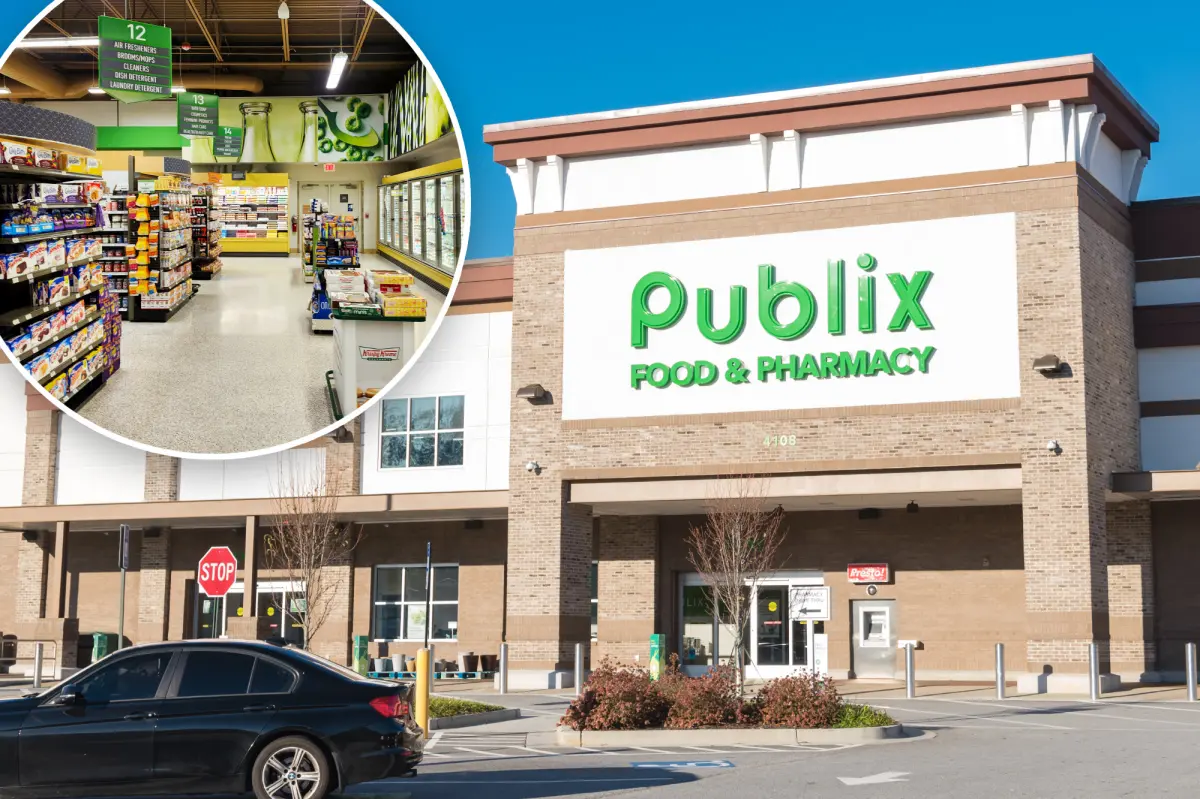
Publix is not just any grocery chain, which is why these closures feel especially personal to so many shoppers. It’s the largest employee-owned grocery store in America, a point of pride that gives its staff a sense of ownership and customers a sense of familiarity. With more than 1,440 stores spread across eight southeastern states, roughly 900 of those locations are in Florida alone, making up about 62% of its entire footprint. For generations, Publix has been more than a place to buy groceries; it’s been a community anchor, a reliable stop for birthday cakes, holiday dinners, and after-school snacks. It has built its reputation on pristine aisles, friendly baggers who walk you to your car, and, of course, the legendary Pub Sub — the custom deli sandwich that has achieved near-cult status, especially among Gen Z shoppers who post their creations on social media. The sandwiches aren’t just food; they’re a small cultural phenomenon, with fans debating the best bread, toppings, and sauces with the kind of seriousness usually reserved for sports rivalries. That deep emotional connection is exactly why the announcement of store closings feels jarring. It’s not just a business decision on a spreadsheet; it’s the closing of a local institution, a place where employees know your name and your usual order, where the deli counter hums with the rhythm of small talk and sliced turkey. The challenge now is that even the most beloved institutions have to adapt to a changing world, where appetite suppressants are quietly reshaping what people put in their carts.
The rise of GLP-1 medications like Ozempic, Wegovy, and Mounjaro has been nothing short of revolutionary for weight loss, but the ripple effects are reaching far beyond patients’ waistlines. These drugs work by mimicking hormones that regulate hunger, making people feel fuller faster and for longer periods of time. That means smaller grocery bills, fewer impulse buys, and less interest in the kind of indulgent, ready-to-eat meals that supermarkets love to sell. Mushkin’s observation that GLP-1 popularity is “leading people to cut back on how much food they buy” captures a genuinely modern economic phenomenon. It’s not that Americans are suddenly eating less because they’ve become health fanatics; it’s that a generation of consumers is being medically conditioned to eat less, and the food industry is only beginning to feel the squeeze. For a chain like Publix, which thrives on high-volume, high-quality fresh goods and an expansive deli, the impact is twofold. Not only are people buying fewer items overall, but they’re also skipping the extras — the chips, the cookies, the soft drinks, the little treats that add up over time. Even the Pub Sub, a sandwich big enough to be a splurge, might become a less frequent indulgence. The grocery industry has long operated on the assumption that appetites are endless, but Ozempic and its peers are challenging that core premise. If the trend continues, it won’t just be a few store closures in the Southeast; it could reshape how supermarkets stock their shelves, how they price their products, and how they market to a nation that is, quite literally, eating less.
The specific stores slated for closure in 2026 paint a picture of a company tightening its footprint in areas where perhaps the math no longer works. In Florida, Publix will close locations on Park Street N. in St. Petersburg, Mills Drive in Miami, Southern Blvd. in West Palm Beach, and Babcock Street NE in Palm Bay. In Georgia, the chain will shutter stores on Atlantic Drive NW in Atlanta and Shallowford Road NE in Chamblee. And in South Carolina, the store on St. James Ave. in Goose Creek will also close its doors. These are not all struggling rural outposts; some are in densely populated, competitive urban and suburban markets where real estate is expensive, traffic is heavy, and consumers have plenty of alternatives. Notably, Publix has said it plans to replace the West Palm Beach and Palm Bay supermarkets in the future, but no timeline has been announced. That leaves a kind of limbo for loyal customers in those areas, who will have to drive farther, wait longer, or simply find another place to shop in the meantime. For employees, the news is even more unsettling, despite the company’s employee-owned model. Publix is known for treating its workers well, offering stock ownership and career stability, but a closure still means disruption — reassignments, relocations, or, in the worst cases, layoffs. The company has not shared specific staffing plans, but the human cost behind these decisions is real, and it’s a reminder that behind every retail headline are real people who built relationships with regulars, remembered birthdays, and took pride in making the store gleam.
Yet, in the supermarket version of “The Circle of Life,” the beloved franchise is not just contracting; it’s also expanding. The same week it announced closures, Publix revealed six new locations set to open this month, showing a strategic shift toward other parts of the Southeast. In Alabama, a new store will open in Athens on October 7. Kentucky will get two stores — one in Florence on October 7 and another in Independence on October 28. In Florida, the home state remains a priority, with a new Bradenton location opening October 22 at Cortez Road W. North Carolina will see two new stores: one in Fayetteville on October 21 and another in Sunset Beach on October 28. This pattern suggests Publix is not retreating from the grocery wars entirely, but rather making deliberate choices about where to grow and where to pull back. The new locations are largely in growing suburban and exurban areas where development is booming and competition may be less intense. It’s a classic retail strategy: close underperforming stores, double down on promising ones, and keep the brand fresh while shedding dead weight. But there’s an emotional dimension to this as well. For the communities receiving new stores, it’s a moment of excitement and convenience. For those losing their local Publix, it feels like a rejection, even if that’s not the company’s intent. The contrast between the closing list and the opening list is a reminder that even beloved brands have to make tough choices to survive, and that the grocery aisle is just as much a battlefield as any other industry.
At its core, this moment is about more than just one supermarket chain’s bottom line. It’s about the way that profound societal shifts — in this case, the rise of weight-loss drugs — can quietly reshape the most mundane aspects of daily life. We don’t often think about Ozempic when we walk through the produce section, but the connection is becoming increasingly clear. As millions of Americans take medications that suppress appetite, the food industry is being forced to recalibrate. For Publix, that means rethinking which neighborhoods can support a full-scale supermarket, which stores are worth redeveloping, and which markets are better served by a smaller, smarter format. It also means acknowledging that the era of ever-bigger grocery stores and ever-larger shopping carts may be ending, at least for a segment of the population. But the story isn’t purely pessimistic. Publix is still a massive, profitable, employee-owned company with a fiercely loyal customer base. The new store openings are a sign that it’s not shrinking so much as shifting, adapting to a future where people might buy less food but still want quality, convenience, and a sense of community. The challenge ahead is to figure out how to remain the same lovable Publix in a world where appetites are changing — literally. If the company can navigate this transition with the same care it puts into its sandwiches and customer service, it may well find that even in a thinner, GLP-1-fueled America, there’s still a place for a grocery store that feels like home.