





In an era dominated by carefully curated social media feeds showcasing the glitz and glamour of high-net-worth lifestyles, a refreshing wave of counter-cultural parenting advice has taken the digital world by storm. At the center of this conversation is Lia Higgins, a New York City mother, writer, and former lawyer who recently went viral on TikTok for her candid stance on family travel. Despite having the financial means to easily afford premium travel experiences, Higgins made a firm and conscious decision: her young children will not be flying first class or business class. Highlighting her family’s comfortable life in a beautiful Manhattan apartment, complete with excellent schooling and rich extracurricular activities, Higgins readily acknowledges that her children are undeniably privileged. However, it is precisely because of this deep-seated privilege that she seeks to draw a hard line when it comes to the luxuries of air travel. Her viral video tapped into a raw, collective nerve among modern parents who constantly grapple with the daunting task of raising grounded, empathetic, and grateful children in an environment of abundance. By bringing this internal maternal debate to a public platform, Higgins didn’t just share a travel preference; she ignited a sprawling, cross-generational dialogue about wealth, meritocracy, family values, and the subtle, everyday psychological conditioning that shapes how our children perceive their place in the wider world. Humanizing this debate requires looking beyond the clickbait headlines to understand the genuine maternal concern driving her choices, recognizing that behind the viral video is a mother trying to protect her children’s developing moral compasses from the distorting effects of unearned entitlement. In doing so, Higgins has invited us all to reflect on what it truly means to prepare children of privilege for a diverse, complex, and often unequal world, where character cannot be bought with a first-class ticket.
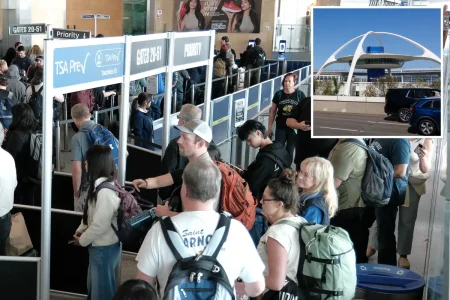
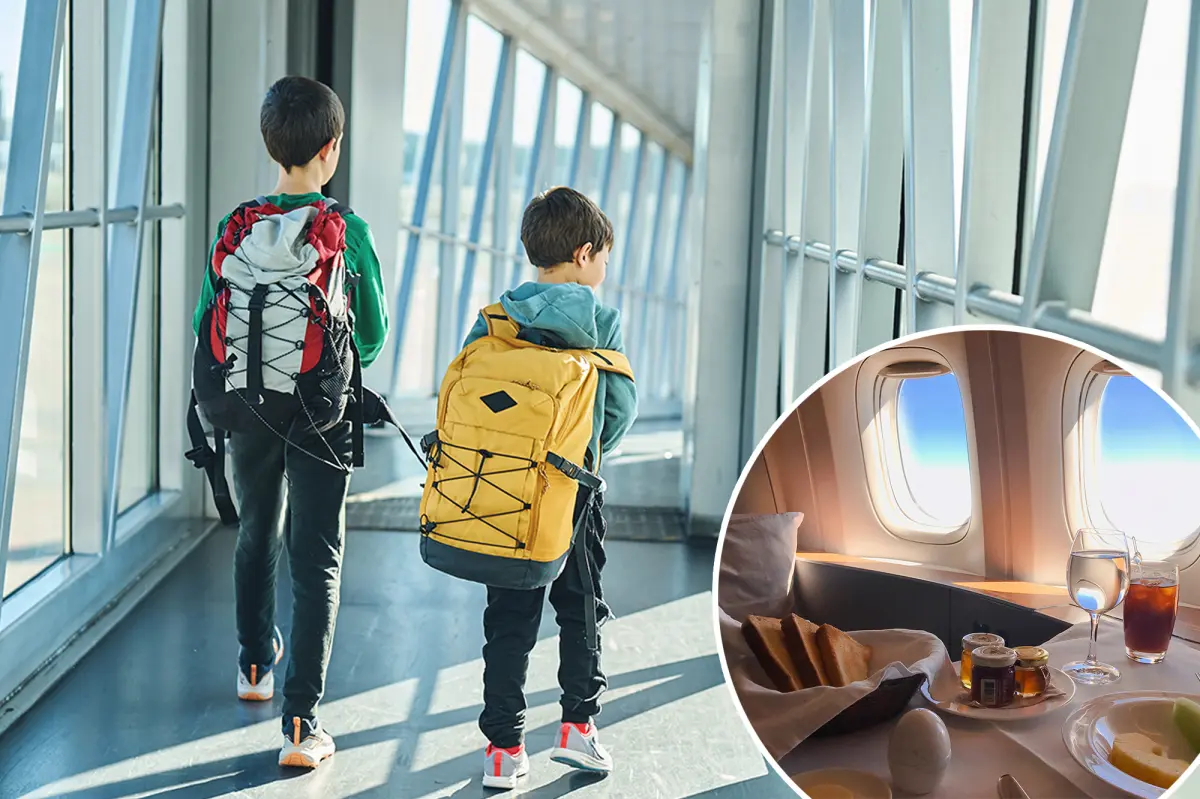
The crux of Higgins’s argument lies in a highly specific, visceral moment of the air travel experience: the boarding process. She points out that when young children, who have never worked a single day in their lives, sit comfortably in spacious, luxury seats while older, noticeably hardworking adults file past them on their way to the cramped quarters of coach, it sends a deeply problematic psychological message. In her view, this physical hierarchy signals to a child’s impressionable, developing brain that they are somehow inherently superior to the people walking past them simply by virtue of their seating arrangement. To Higgins, this dynamic is not just an innocent luxury; it is a psychological pitfall that fosters a false sense of merit and status, conditioning children to equate financial privilege with personal worth. Flying coach, therefore, is not about punishing her children, but rather about shielding them from a toxic feedback loop of superiority that could warp their understanding of human dignity and labor. She argues that the layout of a modern commercial airplane serves as a raw, concentrated microcosm of societal inequality, one where class distinctions are garishly on display. By placing her children in economy class alongside the vast majority of travelers, Higgins believes she is helping them internalize a fundamental truth: that they are no better than anyone else, and that luxury is something to be earned through hard work, not handed down as a birthright. This intentional grounding of her children represents a proactive effort to combat the “bubble” effect of high-society living, forcing a daily confrontation with the realities of average human experiences. Ultimately, she views the modest confines of coach as a crucial leveling ground, a space where her kids can learn to coexist with the rest of humanity on equal terms, breathing the same recycled air and sharing the same limited legroom as the very people who keep our society running.
As expected, Higgins’s provocative take sparked an immediate and incredibly diverse wave of reactions from parents across the globe, revealing the complex nuances of raising children in the modern era. While thousands of viewers flooded the comment section to praise her mindfulness and intentionality, many others offered thoughtful counterpoints that highlighted the practical realities of family life. Some parents noted that while they deeply respected Higgins’s perspective, they did not believe that occasionally enjoying luxury travel inherently ruins a child’s character, provided they are taught to be respectful and appreciative of such opportunities. Others brought up the sheer logistical survival of long-haul travel, with one single mother recounting her journey to Bali with her three- and five-year-old children. For this mother, booking business class was not about status or spoiling her children; it was a desperate, purely practical measure to ensure her young toddlers could sleep properly on an exhausting, multi-flight international journey so that she could survive the trip as a solo parent. These stories humanize the debate, illustrating that parenting decisions are rarely black-and-white and are often shaped by situational necessity rather than ideology. For many families, luxury travel is a rare, hard-earned treat or a sanity-saving tool rather than an everyday expectation, meaning that a child’s reaction to first class is shaped far more by the rarity of the event than by an ongoing sense of entitlement. By sharing these diverse experiences, the online community highlighted that there is no singular, correct blueprint for teaching gratitude, and that what works for an affluent family in Manhattan might not apply to a struggling single mother halfway across the world. These varied perspectives showcase the rich tapestry of parental decision-making, where the desire for convenience often clashes with the pursuit of character-building, leaving every family to find their own delicate equilibrium between comfort and conscience.
Furthermore, several insightful commentators pointed out that children of privilege are exposed to economic disparity long before they ever step foot onto an airplane, making airline seating just one small part of a much larger educational puzzle. In a wealthy household, children routinely interact with nannies, housekeepers, school security guards, lunch ladies, and custodial staff—individuals who keep their privileged worlds running but who clearly live very different socio-economic lives. These commentators argued that kids are highly observant; they already notice that their nanny might take the subway while they ride in a private car, or that their school’s cleaning crew wears different clothes and doesn’t enjoy the same material luxuries. Therefore, these observers argued, preventing children from flying first class does not magically shield them from the realities of class inequality, nor does it automatically prevent them from becoming entitled or arrogant. Instead, the true measure of a child’s character lies in how their parents teach them to interact with and respect the people who occupy different social strata. It is the lessons of daily life—observing how their parents speak to waitstaff, how they treat household employees, and how they address the marginalized—that truly mold a child’s ethical framework. By focusing too heavily on plane seats, some argued, parents might miss the forest for the trees, forgetting that the ultimate goal is not to hide privilege, but to cultivate an active, conscious spirit of respect, empathy, and social responsibility in every face-to-face interaction their children have. True humility is not cultivated through artificial deprivation, but through the consistent modeling of compassion and respect in the home, ensuring that children view all human beings, regardless of their economic standing or professional role, as worthy of absolute dignity. Without these vital conversations, a child could easily grow up in first class completely blind to the systemic inequities of the world, or conversely, grow up in coach but still harbor a sense of superiority derived from other aspects of their rich life. Thus, seating choice is simply a physical manifestation, but the conversations around the dinner table are the true architects of their souls.
Undeterred by the pushback, Higgins embraced the feedback in a follow-up video, agreeing with many of the points raised while expanding on her core philosophy of parenting through intentional discomfort. She readily conceded that flying coach is certainly not a standalone cure-all for entitlement, nor is it the only way she teaches her children to be decent, compassionate human beings. Instead, she framed the experience as one of many deliberate tools in her parenting toolkit designed to foster resilience and psychological strength. In today’s hyper-connected, convenience-oriented world, wealthy children are often insulated from any form of physical or emotional discomfort, leading to a fragile disposition that crumbles at the first sign of adversity. Higgins argues that by choosing the less comfortable option of coach, she is giving her children a rare and valuable opportunity to sit with discomfort, to navigate cramped spaces, delayed flights, and the general unpredictability of public travel. This managed discomfort, she believes, is essential for building real confidence and adaptability, helping her children realize that they can survive and even thrive when things are not perfectly tailored to their desires. It is a powerful antidote to the “frictionless” life that money can buy, reintroducing a healthy dose of reality into their upbringing. By refusing to smooth over every rough edge of travel, Higgins is teaching her children how to tolerate frustration, share space with strangers, and develop the thick skin necessary to navigate a world that will not always cater to their whims. This philosophy shifts the narrative from one of deprivation to one of empowerment, suggesting that by allowing our children to experience the minor hardships of everyday life, we are actually gifting them the psychological tools they need to become robust, self-reliant, and emotionally stable adults. She wants them to understand that luxury is a pleasant anomaly rather than a baseline expectation of existence. By learning to find joy in a cramped window seat, share snacks with a sibling in tight quarters, and patiently wait their turn to deplane, her children are practicing the essential life skills of patience, sharing, and emotional regulation in real-time.
Ultimately, the conversation sparked by Lia Higgins transcends the specifics of airport cabins and delves deep into the universal challenge of modern parenting: how to raise kind, grounded, and resilient human beings in an increasingly complex and divided world. Whether a family chooses to fly economy to build character, or opts for business class to preserve their sanity during a long journey, the underlying motivation remains the same—a deep, protective love for their children and a desire to prepare them for the future. Higgins’s viral moment serves as a powerful reminder that privilege is not merely a financial state, but a psychological landscape that requires careful, active navigation by parents. By humanizing this debate, we see that there are no easy, one-size-fits-all answers, but rather a spectrum of thoughtful choices that reflect a family’s unique circumstances, values, and priorities. The real success of parenting lies not in the class of ticket we purchase, but in the ongoing, quiet conversations we have with our children about gratitude, empathy, and our shared humanity. As long as parents remain actively engaged in questioning how their lifestyle choices impact their children’s character, there is hope for raising a generation that values people over status and character over comfort. In the end, the true destination of any family journey is not the luxury resort we arrive at, but the kind of people our children become along the way, proving that the most valuable lessons in life are often learned when we are willing to step out of our comfort zones and embrace the beautifully messy, shared human experience. By fostering these open dialogues, we can move closer to a world where empathy is the ultimate currency, and where the true measure of a person’s wealth is found not in the luxury of their surroundings, but in the depth and sincerity of their character. After all, the cabins we choose are fleeting, but the moral compass we instill in our children remains forever, guiding them through the turbulent skies of life long after they have left the family nest.