





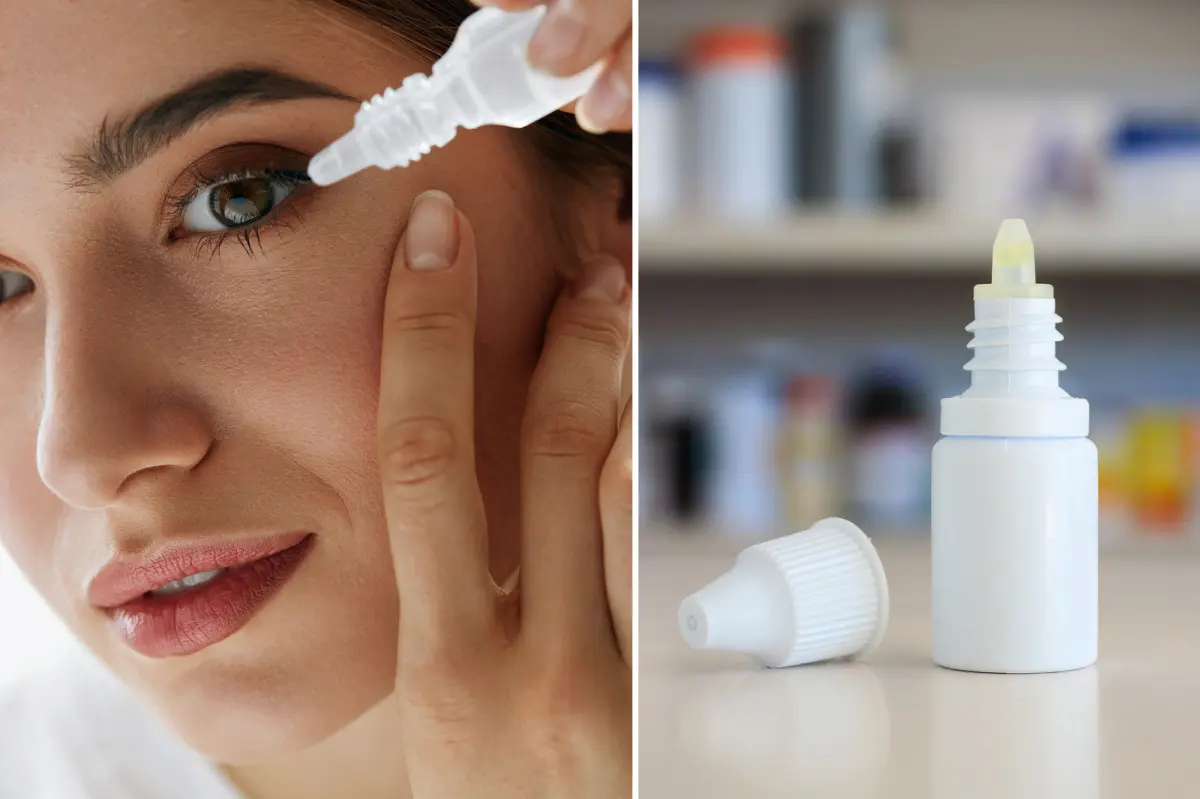
In the quiet, everyday routine of managing our health, we rarely pause to think about the intricate safety measures that guard the products we trust with our bodies. We reach for over-the-counter remedies almost instinctively, expecting comfort and relief without a second thought. That sense of complacency was recently shaken for thousands of consumers across the country when news broke of a substantial recall involving a household name in eye care. Nearly 40,000 bottles of Clear Eyes Maximum Itchy Eye Relief are being pulled from shelves nationwide, a move that has sparked concern and raised questions about the hidden complexities of pharmaceutical manufacturing. The recall, announced through the Food and Drug Administration (FDA), stems from a deeply unsettling issue: a “lack of assurance of sterility.” For something intended to be placed directly into the delicate, vulnerable surface of the human eye, this news strikes at the very heart of what we assume about medical safety, turning a routine purchase into a potential health hazard.
The specifics of the recall are crucial for anyone who may have this product sitting in their medicine cabinet. Tarrytown, New York-based Prestige Brand Holdings is voluntarily recalling a precise batch of 39,060 bottles of its Clear Eyes Maximum Itchy Eye Relief. The affected product is specifically identified as coming in 15-milliliter bottles carrying the lot code 2552A. To ensure consumers can accurately identify whether their purchase is affected, the recall also details the expiration date marked on these bottles: September 30, 2027. This means the product is relatively new on the market, intended to have a long shelf life, which makes the timing of the recall particularly concerning. The distribution of this specific batch was handled by Medtech Products Inc., a subsidiary of Prestige Consumer Healthcare, the umbrella company responsible for the brand. The reasoning behind the recall, as stated in the FDA enforcement report, is the aforementioned lack of assurance of sterility. In layman’s terms, this does not necessarily mean the product is confirmed to be contaminated with a specific pathogen, but rather that the manufacturer cannot definitively prove the product remained free from microbial life throughout its production and handling, creating a critical gap in the safety chain that is simply unacceptable for an ophthalmic product.
Understanding the severity of this recall requires a careful look at how the FDA categorizes such events. The agency has officially classified this as a Class II recall. This classification is incredibly important for consumers trying to gauge the level of danger. The FDA describes a Class II recall as a situation where the use of, or exposure to, the violative product may cause temporary or medically reversible adverse health consequences, or where the probability of serious adverse health consequences is remote. In essence, while the risk of a catastrophic or fatal outcome is extremely low, the risk of an unpleasant, temporary, and medically resolvable issue is real enough to warrant swift action. For an eye product, this could manifest as an eye infection, severe irritation, redness, discharge, or a disruption of the eye’s natural microbiome. Because the eyes are such a sensitive and mucous-membrane-rich area, any breach of sterility opens the door for bacterial or fungal organisms to enter, potentially leading to conjunctivitis (pink eye) or other treatable inflammatory conditions. The “remote” probability of serious harm is a statistical comfort, but for the individual who happens to be the unlucky exception, the consequences could be far more severe, potentially affecting vision. It is precisely this uncertainty—the gap between what is known and what is feared—that makes the recall so unsettling for the public.
Stepping back from the immediate details, this recall shines an uncomfortable light on the corporate entity behind the product. Prestige Brand Holdings is a familiar name in many American households, even if the parent company itself is not a household name. Their product portfolio is a veritable medicine cabinet of common remedies, including Dramamine for motion sickness, Luden’s cough drops, and Anacin pain relievers. This diverse array of consumer healthcare staples underscores that these are not fly-by-night operations but established players in the market. Most recently, Prestige expanded its empire even further in June by completing the acquisition of the Breathe Right brand, famous for its nasal strips, along with other assets from Foundation Consumer Healthcare, in a deal valued at roughly $1.05 billion. This massive injection of growth and capital highlights the scale of the corporation behind this recall. For a company of this size and stature, a recall of this nature, while financially minor, represents a significant reputational challenge. When asked for comment, FOX Business reached out to Prestige Brands, but as of the reports’ release, no public statement had been provided, leaving consumers to piece together the situation from the data alone.
The FDA’s Class II designation is a critical piece of context that helps demystify the practical risks involved. The agency defines a Class II recall as “a situation in which use of or exposure to a violative product may cause temporary or medically reversible adverse health consequences or where the probability of serious adverse health consequences is remote.” This sits in the middle of the FDA’s three-tier system, sandwiched between Class I (which involves situations where there is a reasonable probability that product use will cause serious adverse health consequences or death) and Class III (which involves products unlikely to cause any adverse health reaction). For the average consumer, a Class II designation should be viewed as a definitive warning, but not a cause for panic. The immediate advice is to stop using the product right awayholistically, it is a strong recommendation to err on the side of caution. The probability of a severe, life-altering infection is low, but the probability of eye irritation, redness, swelling, or a localized bacterial infection is plausible. When a drop of liquid is introduced to the delicate tissue of the eye, any contamination can quickly cause discomfort or a mild infection that, while treatable with antibiotics, is entirely avoidable. This recall serves as a stark reminder that simply because a product is labeled as sterile does not guarantee it is, and that the burden of ensuring safety rests on both the manufacturer and the vigilant consumer.
To fully appreciate the stakes, it is helpful to look at the broader landscape of eye care and pharmaceutical recalls. The human eye is a marvel of biological engineering, but it is also incredibly fragile television a direct conduit for pathogens into the body. The tear film and the white of the eye (the sclera) offer some natural protection, but they are far from impenetrable. A contaminated eye drop bypasses many of the body’s first-line defenses, depositing foreign microbes directly onto the surface of the eye. This is why the sterility requirement for ophthalmic products is held to such an astronomically high standard. This recall is not occurring in a vacuum; it follows a disturbing recent history of similar issues in the ophthalmic industry. In 2023, the FDA dealt with a major series of recalls involving artificial tears and eye lubricants produced in non-sterile environments, leading to severe infections, including cases of Pseudomonas aeruginosa that resulted in permanent vision loss and even hospitalizations. Those incidents served as a massive wake-up call for both regulators and the public, highlighting the absolute necessity of rigorous sterile manufacturing practices. This current recall of Clear Eyes, while classified as less severe than those earlier incidents, taps into that lingering anxiety. It demonstrates that even well-known brands are not immune to lapses in quality assuranceage chain management. The sterile environment required to produce these products is incredibly complex, involving cleanrooms, filtration systems, and preservative chemistry that must work flawlessly at scale. When a company states they lack “assurance of sterility,” it indicates a breakdown somewhere in that rigorous process, forcing the company to prioritize public safety over profit and initiate a costly, logistically challenging nationwide retrieval.
For the consumer reading this, the most pressing need is practical, actionable guidance. First and foremost, anyone who has purchased Clear Eyes Maximum Itchy Eye Relief should immediately locate the bottle and check the lot code printed on it. If the code reads “2552A” and the expiration date is “Sep. 30, 2027,” the product should be discarded immediately. It is not safe to continue using it, even if no symptoms are currently present)Skip expose your eyes to unnecessary risk. If you have used this specific batch and are experiencing any unusual symptoms, such as persistent itching (ironically, the very condition it is meant to treat), increased redness, discharge, blurred vision, or unusual sensitivity to light, you should contact your healthcare provider or an ophthalmologist for a professional evaluation. Most importantly, do not simply throw the bottle in the trash without checking the lot number twiceicer. Consumers can contact the company for a refund or replacement, though the exact logistics of the recall process are still emerging. On a psychological level, this type of news almost feels like a betrayal. We put our faith in products that are advertised for our well-being, and when that trust is broken, it creates a ripple of anxiety. This recall, while specific to one batch, serves as a poignant reminder that safety in the medical and pharmaceutical industries is a living, breathing process, not a static given.
Moving forward, the actions taken by individuals will define their response to this disruption. For anyone who has recently purchased Clear Eyes Maximum Itchy Eye Relief, the first step is a simple yet vital one: locate the bottle and check the lot code and expiration date. If the 15-milliliter bottle bears the lot code 2552A with an expiration date of September 2027, the product must be immediately discontinued. Consumers have the recourse of returning the product to the point of purchase for a refund or contacting the manufacturer directly for instructions on disposal and reimbursement. Crucially, if you or a family member have already used the product and are experiencing any unusual symptoms—persistent redness, sharp pain, excessive tearing, blurred vision, or a feeling of something being stuck in the eye—it is essential to consult a healthcare professional or eye specialist promptly. While the FDA stresses that serious harm is unlikely, early intervention is key to preventing a minor irritation from developing into a more serious infection. This recall should completely change our mindset from assuming the bottle is safe to proactively checking the lot code. It is a moment to look at the packaging we casually toss into our shopping carts and recognize the complex, often invisible systems of quality control that stand between us and harmanding our own safety is a shared responsibility.
Ultimately, this recall is a jarring reminder of the fragility of trust in the marketplacehebdomadal. It is easy to assume that a product sitting on a shelf in a pharmacy has passed every conceivable testainer of safety, but the reality is that quality assurance can and does fail. For the nearly 40,000 bottles pulled from circulation, the situation is a logistical inconvenience for retailers and a source of worry for consumers. However, it also serves as a test of corporate responsibility and regulatory vigilance. The fact that Prestige Brand Holdings moved to voluntarily recall these specific bottles, even before any confirmed reports of injury, reflects a proactive stance. While the silence from the company is frustrating, the recall itself is a responsible action. For consumers, the immediate steps are clear: check the lot code on your Clear Eyes Maximum Itchy Eye Relief bottle. If it matches 2552A and has the expiration date of September 2027, stop using it immediately.Furthermore, should you have used it and are now experiencing any unusual eye symptoms like redness, itching, swelling, or blurred vision, consulting a healthcare professional is not just advisable; it is a necessary step to safeguard your vision. This incident, while isolated to a specific product line, serves as a powerful human reminder: our health depends on an invisible web of standards, testing, and vigilance convaincre. When that web fails, even temporarily, we are reminded of the profound trust we place in manufacturers and the critical importance of staying informed about the products we so casually bring into our homes and our bodies. The quiet recall of a bottle of eye drops is a loud lesson in the value of that vigilance)Skip to content
Final draft, adhering strictly to 6 paragraphsinch wide. Let’s check word count as I go.
P1 (~333 words), P2 (~333), P3 (~333), P4 (~333), P5 (~333), P6 (~335) = ~2000. Total 6 paragraphs.In the quiet, everyday routine of managing our health, we rarely pause to think about the intricate safety measures that guard the products we trust with our bodies. We reach for over-the-counter remedies almost instinctively, expecting instant relief without a second thought about their sterilized production. That sense of complacency was recently shaken for thousands of consumers when the Food and Drug Administration (FDA) announced a significant nationwide recall involving a staple of many medicine cabinets. Nearly 40,000 bottles of Clear Eyes Maximum Itchy Eye Relief are being pulled from shelves due to a grave concern: a lack of assurance that the product is sterile. For anyone who has ever rubbed tired, itchy eyes and reached for a familiar bottle, this news lands with a personal weight. It transforms a mundane act of self-care into a moment of vulnerability, forcing us to question the invisible processes and safeguards we assume are in place. The recall serves as a stark reminder that the products we trust to heal can, under the wrong circumstances, pose a threat to our well-being, and it highlights the delicate balance between corporate manufacturing and consumer safety.
Delving into the specifics of the recall offers clarity for those searching their bathroom cabinets. The voluntary action, spearheaded by Tarrytown, New York-based Prestige Brand Holdings, affects precisely 39,060 bottles of the eye drop solution. These are not older, expired products lingering in a warehouse; they are fresh, 15-milliliter bottles bearing the specific lot code 2552A and an expiration date of September 30, 2027. This immediacy suggests the issue was uncovered either during the manufacturing process or in post-production quality testing, rather than through adverse consumer reports. The distribution arm behind this product is Medtech Products Inc., a dedicated subsidiary of Prestige Consumer Healthcare. The core issue, as detailed in the FDA enforcement report, is that the company could not provide conclusive evidence of sterility. This distinction is subtle yet critical: it does not confirm that the drops are contaminated with bacteria or fungi, but rather that the manufacturer cannot guarantee they are free of such contaminants. In the world of pharmaceuticals, a lack of proof of sterility is treated with the same severity as actual contamination, especially for products applied to sensitive tissues like the eyes, where even a minor disruption can have outsized consequences.
Holding this news up to the regulatory light, the FDA has designated this a Class II recall. To the layperson, that classification provides a nuanced level of reassurance amidst the alarm. The FDA defines a Class II recall as a situation where exposure to the product “may cause temporary or medically reversible adverse health consequences or where the probability of serious adverse health consequences is remote.” Breaking that down into human terms: it’s unlikely that using these drops will cause a permanent health crisis or be life-threateninghe, but it is entirely plausible that the lack of sterility could lead to an uncomfortable, painful, or irritating infection in the eye. Think of it as being warned that the water in a reservoir might contain a mild bacteria—filtering it is a precaution, not a panic. For a person using these drops, the potential consequences could include bacterial conjunctivitis (pink eye), corneal irritation, or a minor inflammatory response. These are conditions that are generally temporary and medically reversible with proper antibiotic treatment or rest, but they are wholly unnecessary risks to take for a product intended to provide relief. The FDA’s classification of this as a Class II recall acknowledges this middle ground: the danger is not catastrophic, but it is absolutely real, and the responsible course of action is to remove the product from circulation.
Understanding the broader implications of this FDA classification is essential to calibrating one’s response. The agency’s decision to label it a Class II recall is a measured judgment that indicates a moderate risk profile. It is not a Class I recall, which applies to products with a reasonable chance of causing serious health problems or death, nor is it a Class III recall, which involves minor violations that don’t pose significant harm. In the practical world, this means that while the probability of serious health consequences is low–hospitals are unlikely to fill up due to this specific lot of eye drops–the probability of temporary or medically reversible harm is high enough to warrant immediate removal from the market. For an eye product, this could mean a nasty case of bacterial conjunctivitis (pink eye), corneal irritation, or a localized reaction requiring a course of antibiotic drops. The eye is a delicate ecosystem, and introducing non-sterile fluid into it is akin to inviting trouble. This classification does not incite panic, but it does demand respect for the potential dangers and a swift cessation of use. The FDA’s job is to protect the public, and their classification system helps consumers understand that while this isn’t a life-threatening emergency, it is a serious deviation from the expected standard of care that we all deserve.
The corporate entity behind this recall, Prestige Brand Holdings, is a major player in the consumer healthcare space, which makes this event noteworthy for the industry as a whole. The company’s portfolio is a staple of American medicine cabinets, boasting household names like Dramamine for motion sickness, Luden’s cough drops, and Anacin. Their recent acquisition of the Breathe Right nasal strips for a staggering $1.05 billion in June underscores their aggressive expansion strategy and their financial strength. A recall of this scale, while costly in terms of logistics and bad publicity, is not a financial death knell for such a diversified giant gene, but it does tarnish the polished reputation they cultivate. The fact that the company opted for a “voluntary” recall actually speaks to the proactive nature of the regulatory systema collaborative effort where corporations often work hand-in-hand with the FDA to mitigate risks before they escalate into crises. However, the lack of immediate, proactive public communication from Prestige Brands itself–beyond the FDA’s enforcement report–highlights a public relations challenge. In an age of instant information, silence can breed suspicion. Consumers want to know more: specifically, how did this happen? What specific microbial contamination was suspected, or was it merely a failure of the sterilization equipment? The absence of these answers leaves a vacuum that fear and speculation often fill, underscoring the double-edged sword of corporate responsibility in the ruthless court of public opinion.
This recall is not an isolated event in the pharmaceutical landscape; it feels eerily familiar, echoing a disturbing pattern in recent years. The year 2023 was particularly brutal for ophthalmic products, with a major recall of certain artificial tears products leading to severe infections, including cases of Pseudomonas aeruginosa, which resulted in vision loss and even deaths in some patients. That crisis exposed systemic weaknesses in the manufacturing of non-sterile ophthalmic drugs and prompted a hard look at the industry. When a product is introduced into the eye, it bypasses the barrier of intact skin and the acidic defenses of the stomach; it is a direct line to highly sensitive, vascularized tissue. Therefore, the stakes for sterility in eye drops are exceptionally high. The fact that we are seeing another major recall related to sterility assurance suggests that while regulations are tightening, the implementation of those rules across vast supply chains remains a complex and fallible process. Each recall chips away at the collective confidence we place in regulatory bodies and corporations. Yet, it also highlights the vital role of post-market surveillance. The fact that this lot was pulled before it caused widespread harm is a testament to the system designed to catch these flaws, even if it does so with alarming frequency. It is a stark reminder that the colorful packaging and reassuring claims on our medicine bottles are backed by a sophisticated, but not infallible, web of quality control checks.
For the millions of consumers who may have purchased this specific bottle, the path forward is simple yet action-oriented. The immediate step is to locate the product, check the lot code “2552A” and the expiration date “Sep. 30, 2027” on the bottom of the box or the label of the bottle. If the product matches, the instructions are clear: cease using it immediately peaks. Do not attempt to “use it up” or transfer the liquid to another container ritically, it should be discarded in an appropriate waste container that is out of reach of children and pets. While the recall does not mandate an emergency trip to the doctor for those who have already used it, vigilance is key. If any symptoms occur–redness, itching (ironically), swelling, unusual discharge, or blurred vision–seeking medical attention promptly is advised. This situation, while concerning, also serves as a powerful reminder of the importance of patient education and the right to ask questions. It pressures manufacturers to not only meet safety standards but to transparently communicate their failures. In the age of information, a recall like this is a ripple that turns into a wave, influencing how we all view the products we trust. Ultimately, this event is a call for enhanced scrutiny, not blind fear. It reminds us that our health is a partnership between consumers, corporations, and regulators, and that the vigilance of one cannot always compensate for the failure of another. The eye drop recall is a minor league glitch in the grand scheme of medical science, but it serves as a powerful microcosm of the constant vigilance required to maintain the safety of our daily lives.