






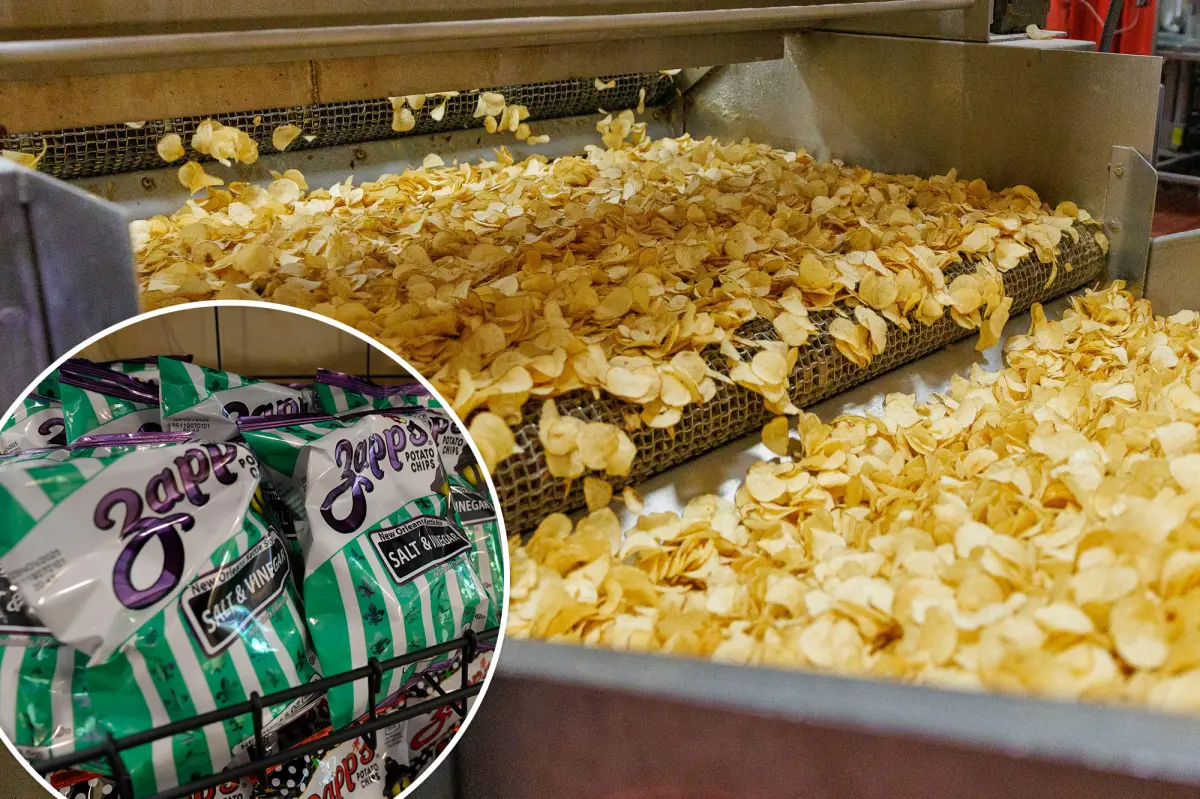
For millions of snack lovers across the country, a bag of potato chips is far more than just a quick bite; it is a comforting companion to a lunchtime sandwich, a staple at weekend tailgates, or a guilty pleasure enjoyed during a quiet evening at home. Among the most popular premium offerings on grocery shelves today are Zapp’s and Dirty brand potato chips, famously celebrated for their unique kettle-cooked crunch and bold, regional flavor profiles. However, snack time has taken a sudden and serious turn as Utz Quality Foods, LLC, the parent company behind these iconic brands, continues to navigate an ongoing product recall that federal regulators have officially elevated to the highest level of urgency. What began as a precautionary measure on April 28 has been reclassified by the United States Food and Drug Administration (FDA) as a Class 1 recall. This designation is reserved for only the most critical situations, defined by the government as those in which there is a reasonable, scientifically backed probability that eating or being exposed to the compromised product will cause serious adverse health consequences or, in the most tragic scenarios, death. This alarming administrative upgrade has transformed a routine supply-chain incident into a matter of paramount public health safety, prompting families, distributors, and grocery retailers nationwide to immediately double-check their pantries and store shelves to ensure that these potentially dangerous packages are kept far away from hungry hands.
The underlying culprit behind this high-stakes food safety scare is not the potato crop itself, nor is it a failing in the washing, slicing, or kettle-frying processes that turn simple potatoes into golden chips. Instead, the biological hazard traces back to a single, essential component of the chips’ signature seasoning blends: dry milk powder. According to official disclosures filed by Utz Quality Foods, the potential risk of bacterial contamination was first brought to light when the company received notification from a third-party seasoning supplier that a batch of dry milk powder, originally sourced from California Dairies, Inc., may contain the presence of Salmonella. In our highly integrated modern agricultural and manufacturing systems, raw ingredients are frequently shipped from agricultural cooperatives to ingredient processors, who then blend them into specialty flavorings before delivering those mixtures to snack manufacturers. This complex, multi-tiered supply chain means that a single microscopic pathogen introduced at an early stage can easily scatter across multiple retail brands, flavor lines, and distribution centers. This situation underscores how vulnerable favorite foods are to upstream supply-chain disruptions, demonstrating that even when a manufacturing facility maintains pristine internal sanitation and hygiene standards, it remains at the mercy of the raw components provided by external suppliers.
Understanding the specific health risks associated with the recall is essential for keeping loved ones safe, especially since Salmonella is one of the leading causes of bacterial foodborne illnesses worldwide. When a person accidentally ingests foods contaminated with these bacteria, they develop a condition known as salmonellosis, with symptoms typically manifesting anywhere from six hours to six days after consuming the compromised product. For most healthy adults, the resulting illness is an exhausting and deeply unpleasant experience characterized by sudden-onset watery diarrhea, intense abdominal cramping, painful stomach spasms, nausea, vomiting, and a moderate to high fever. While these symptoms usually run their course within four to seven days without requiring medical intervention beyond rest and generous hydration, the scenario can be drastically different for vulnerable individuals. For infants, toddlers, elderly grandparents, and anyone living with a compromised immune system, a Salmonella infection can rapidly escalate from an uncomfortable digestive issue into a severe, life-threatening systemic infection that can spread from the intestinal tract into the bloodstream, requiring immediate medical care and hospitalization. Fortunately, in the case of this specific Utz recall, there have been absolutely no reports of illness, serving as a highly reassuring silver lining and proving that early tracking systems can successfully intervene before a widespread public health crisis occurs.
To ensure your home remains safe, you should systematically audit your kitchen cabinets against the specific list of affected kettle chips, checking the flavors, sizes, UPC codes, batch codes, and best-by dates. The recall specifically targets a limited run of flavored items, beginning with Zapp’s Brand Bayou Blackened Ranch Potato Chips, which are affected across three package sizes: the 1.5-ounce bags (UPC 83791272917) showing batch codes of 26030070101, 26036070102, 26043070101, or 26052070103 with best-by dates between August 3 and August 24, 2026; the 2.5-ounce bags (UPC 83791272924) with batch codes of 26029070104, 26044070104, 26045070104, or 26058070104 and best-by dates from August 3 to August 31, 2026; and the 8-ounce bags (UPC 83791272931) showing batch codes of 26024070105, 26024070104, 26029070104, 26030070104, 26037070105, 26038070105, 26044070105, or 26045070105 and best-by dates ranging between July 27 and August 17, 2026. Fans of tangy treats must also watch out for Dirty Brand Salt and Vinegar Potato Chips in 2-ounce bags (UPC 83791520148) with batch codes of 26030070104, 26031070104, 26031070101, 26038070102, or 26038070103 expiring on August 3 or August 10, 2026, as well as 60-count cases of Zapp’s Brand Salt and Vinegar Potato Chips in 1.5-ounce bags (UPC 83791010144) marked with batch codes of 26030070101, 26031070101, 26036070102, or 26037070102 with August 3 or August 10, 2026 dates. Finally, the recall covers 2-ounce bags of Dirty Brand Maui Onion Potato Chips (UPC 83791520162, batch 26052070103, best by August 8, 2026); Zapp’s Brand Big Cheezy Potato Chips in 2.5-ounce and 8-ounce sizes (UPC 83791192208/83791192246, batches 26058070104 or 26059070104, best by August 31, 2026); and 2-ounce bags of Dirty Brand Sour Cream and Onion Potato Chips (UPC 83791520094, batch 26059070104, best by August 31, 2026).
If you search your pantry and discover one of these exact packages matching the specified details, the instructions provided by both Utz Quality Foods and state health departments are clear and non-negotiable: do not open, eat, or share the product under any circumstances, and do not feed the chips to family pets, who can also fall ill from Salmonella. Instead, food safety officials strongly advise that you immediately discard the affected snack bags in a secure, outdoor trash bin where neither children nor local wildlife can access them, or return the unopened packages to the store where you bought them to secure a complete refund. Consumers who prefer to handle the matter directly from home can reach out to the customer service team at Utz Quality Foods to register their affected bags, voice concerns, and coordinate direct reimbursement, ensuring that their household groceries budget is not impacted by this manufacturing oversight. On a broader note of reassurance, Utz has clarified that this safety recall is strictly limited to these seasoned chip varieties, which means that the vast majority of other delicious, crowd-pleasing snacks produced under the Utz umbrella—including their classic salted potato chips, sourdough pretzels, cheese balls, and unflavored tortilla chips—are completely unaffected, safe to buy, and ready to be enjoyed without any hesitation. This level of corporate transparency and swift corrective action helps preserve consumer trust, demonstrating that the snack giant prioritizes your family’s health over short-term profits.
Ultimately, the realities of food manufacturing in the twenty-first century remind us that while advancements in technology have made delicious, diverse foods more accessible than ever before, they have also made our global food supply increasingly complex, requiring continuous vigilance from corporations and consumers alike. While encountering a Class 1 recall on household favorites like Zapp’s and Dirty chips can initially feel alarming, the incredibly rapid identification of the contaminated California Dairies milk powder and the swift mobilization of the public alert are actually proof that our federal safety protocols are working exactly as intended, neutralizing the potential biological threat before a single person has fallen ill. For dedicated snack fans, a temporary pause in enjoying a bag of Maui Onion or Blackened Ranch chips is a very small price to pay to ensure the safety of our homes, neighborhoods, and schools. As Utz Quality Foods collaborates alongside the FDA and its independent seasoning partners to trace and eliminate any lingering contamination from their supply systems, we can rest easy knowing that our food regulatory safety net is holding fast, and that our favorite, crunchy potato chips will soon make a triumphant, completely safe return to our lunch boxes and snack cabinets.