





The End of an Era: Stone Brewing’s Exit from Escondido and the Changing Face of Craft Beer
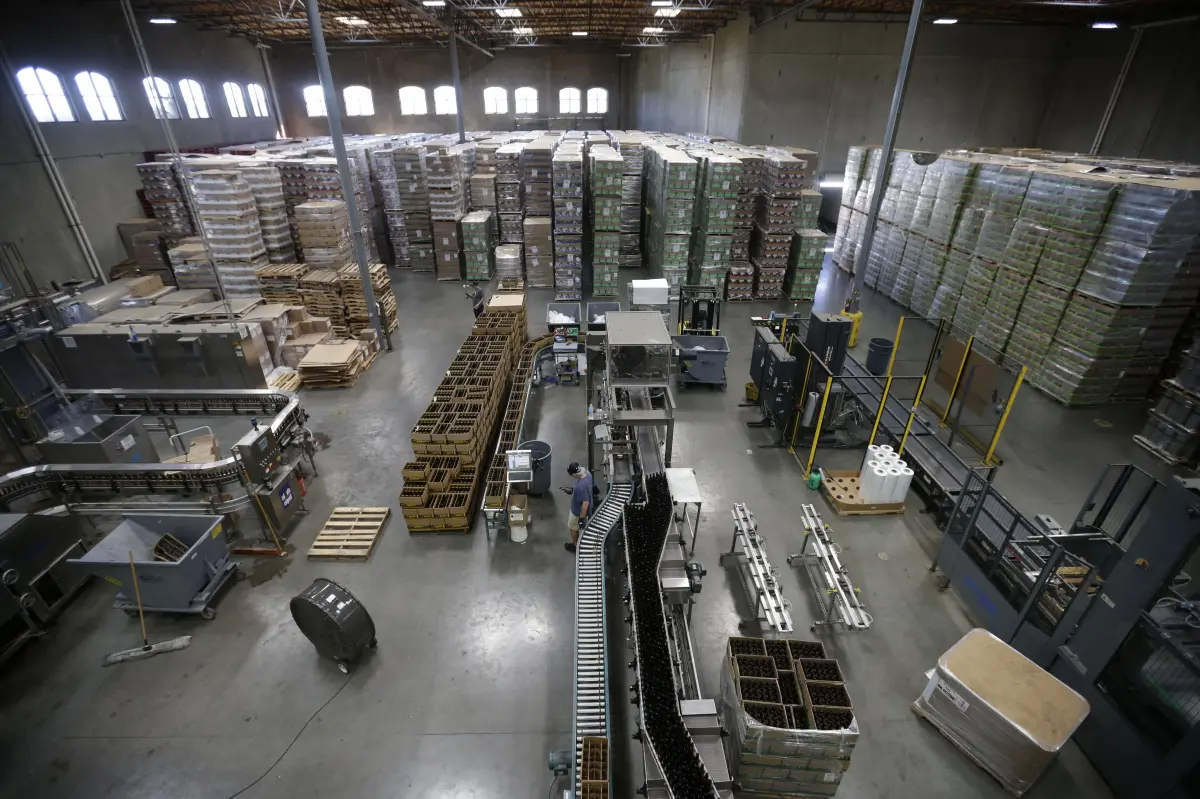
The news landed like a heavy pint glass on a bar counter—unexpected, jarring, and final. Hundreds of workers in Southern California are facing an uncertain future as Stone Brewing, one of the region’s most iconic craft beer pioneers, announced it will be shuttering its production facilities in Escondido. The company, which helped put San Diego County on the global beer map, is relocating its brewing operations to Paso Robles in San Luis Obispo County and to Kansas City, marking the end of a remarkable chapter in the region’s brewing history. For the employees who have dedicated years to perfecting the art of craft beer, and for the community that has proudly claimed Stone as its own, this news represents more than just a corporate restructuring—it’s the closing of a cultural institution that helped define an entire movement.
The human toll of this decision is staggering. According to notification documents filed with the state, Sapporo, the Japanese beer giant that acquired Stone Brewing in 2022, will begin the painful process of layoffs in late October, starting with 58 workers before eventually eliminating a total of 220 positions. These are not just numbers on a spreadsheet; they represent real people with mortgages, families, and dreams—brewers who perfected their craft, packaging specialists who took pride in every bottle, warehouse workers who kept the operation running smoothly, and administrative staff who supported the business behind the scenes. Each of these individuals contributed to the legacy of a company that rose from humble beginnings to become the ninth-largest craft brewery in the United States. The announcement has sent shockwaves through the tight-knit brewing community, where many of these workers have colleagues and friends who will be affected by this massive restructuring.
Zach Keeling, the CEO of Sapporo USA, delivered the news with a tone that attempted to balance corporate necessity with human compassion, acknowledging that this is “an understandably difficult time for our Escondido employees and community.” His statement about the company’s commitment to supporting workers “through this transition” offers some solace, but for those facing unemployment in an industry already struggling with declining sales, the future looks daunting. The closure of the Escondido facilities represents a significant blow to the local economy, where Stone Brewing has been a major employer and a source of community pride for nearly two decades. The company’s presence in Escondido has been about more than just beer production—it has been a gathering place, a tourist attraction, and a symbol of the region’s entrepreneurial spirit and creative energy.
The story of Stone Brewing is deeply intertwined with the rise and fall of the craft beer movement itself. Founded in 1996 in nearby San Marcos, the company quickly established itself as a force to be reckoned with in the brewing world, known for its bold, aggressive flavors and its unapologetic approach to beer-making. When the company relocated to Escondido in 2006, it was riding the crest of the West Coast craft brewing wave, a period of explosive growth and innovation that transformed American beer culture. Stone’s flagship brewery became a destination for beer enthusiasts from around the world, drawing visitors who wanted to experience the magic of a brewery that had become synonymous with quality, creativity, and the rebellious spirit of craft beer. The company’s success was not just measured in barrels produced or revenue generated, but in the cultural impact it had on a generation of beer drinkers who learned to appreciate the complexity and diversity of artisanal brews.
The acquisition of Stone by Sapporo in 2022 seemed to promise a new chapter of growth and stability. The Japanese beer giant saw value in Stone’s brand recognition and its production capabilities, particularly its ability to brew Sapporo beers for distribution across North America. The deal was part of Sapporo’s broader strategy to expand its presence in the American market, and Stone’s facilities in Escondido were seen as key assets in that plan. However, the reality of the post-acquisition landscape proved more challenging than anticipated. The craft beer market, which had been booming for years, was beginning to show signs of saturation, and the COVID-19 pandemic had dealt a severe blow to the hospitality industry, which was a crucial sales channel for craft breweries. The national trend of declining alcohol consumption, particularly among younger generations who are increasingly health-conscious and price-sensitive, added another layer of complexity to an already difficult situation.
The recent sale of Stone Brewing to Firestone Walker Brewing Company and Duvel Moortgat USA in May seemed to offer a glimmer of hope for the brand’s future. The buyers, both respected names in the brewing industry, acquired the Stone brand and some hospitality locations, promising that “Stone Brewing will retain its distinct voice, joining a family of breweries that share a deep respect for beer tradition and culture.” However, the announcement conspicuously omitted any mention of the Escondido sites, leaving observers to wonder about the fate of the facilities that had been Stone’s home for so many years. The subsequent news of the closures has answered those questions, though not in the way that Stone’s loyal fans and employees had hoped. The decision to move production to Paso Robles and Kansas City reflects a strategic realignment that prioritizes efficiency and cost-effectiveness over the emotional and cultural connections that had been forged in Escondido over nearly two decades.
There is a bittersweet note in the announcement that one location in San Diego will continue to operate as both a hospitality destination and an active brewing facility, preserving at least some of Stone’s physical presence in the region. This small consolation offers a thread of continuity for those who have followed the company’s journey from its earliest days. The San Diego location will serve as a reminder of what Stone once was and what it could have continued to be, a testament to the enduring appeal of craft beer even in challenging times. For the workers who will lose their jobs, this may offer little comfort, but for the broader community, it represents a chance to preserve some connection to a brand that has meant so much to the region’s identity.
As the craft beer industry faces its most significant challenges since its inception, the story of Stone Brewing serves as both a cautionary tale and a reminder of the fragility of even the most successful enterprises. The company’s rise was meteoric, fueled by a combination of exceptional product quality, savvy marketing, and a cultural moment that celebrated artisanal production and local business. Its decline has been slower but no less dramatic, a victim of changing consumer preferences, market saturation, and the harsh realities of corporate consolidation. The workers who will lose their jobs in the coming months are not just casualties of a business decision; they are witnesses to the end of an era, a moment when the dreams and ambitions that built a company and a community gave way to the cold calculus of profitability and efficiency.
The legacy of Stone Brewing in Escondido and the broader San Diego region will endure long after the last batch of beer has been brewed at the facility. The company helped establish the region as a world-class beer destination, paving the way for dozens of other craft breweries that have flourished in its wake. Its commitment to quality and innovation raised the bar for what beer could be, inspiring a generation of brewers and drinkers alike. The physical spaces that Stone created—the brewery, the bistro, the gardens—have been more than just industrial facilities; they have been community gathering places where people came together to celebrate, to connect, and to share in the simple pleasure of a well-crafted beer. As those spaces close their doors, the memories and experiences they hosted will live on in the hearts of the thousands of people who visited over the years.
For the employees facing layoffs, the road ahead will be challenging, but their skills and experience will serve them well in an industry that, despite its struggles, continues to offer opportunities for talented and dedicated professionals. The brewing community is known for its camaraderie and mutual support, and it is likely that many of these workers will find new positions with other breweries in the region or beyond. The broader lesson of Stone Brewing’s story is one of resilience and adaptation, qualities that have defined the craft beer movement from its earliest days. While the closure of the Escondido facilities marks the end of a significant chapter, it is not the end of the story. New breweries will open, new beers will be created, and new communities will form around the shared love of quality craft beer. The spirit that animated Stone Brewing from its founding in 1996 will live on, even as the company’s physical presence in Escondido fades into memory.