






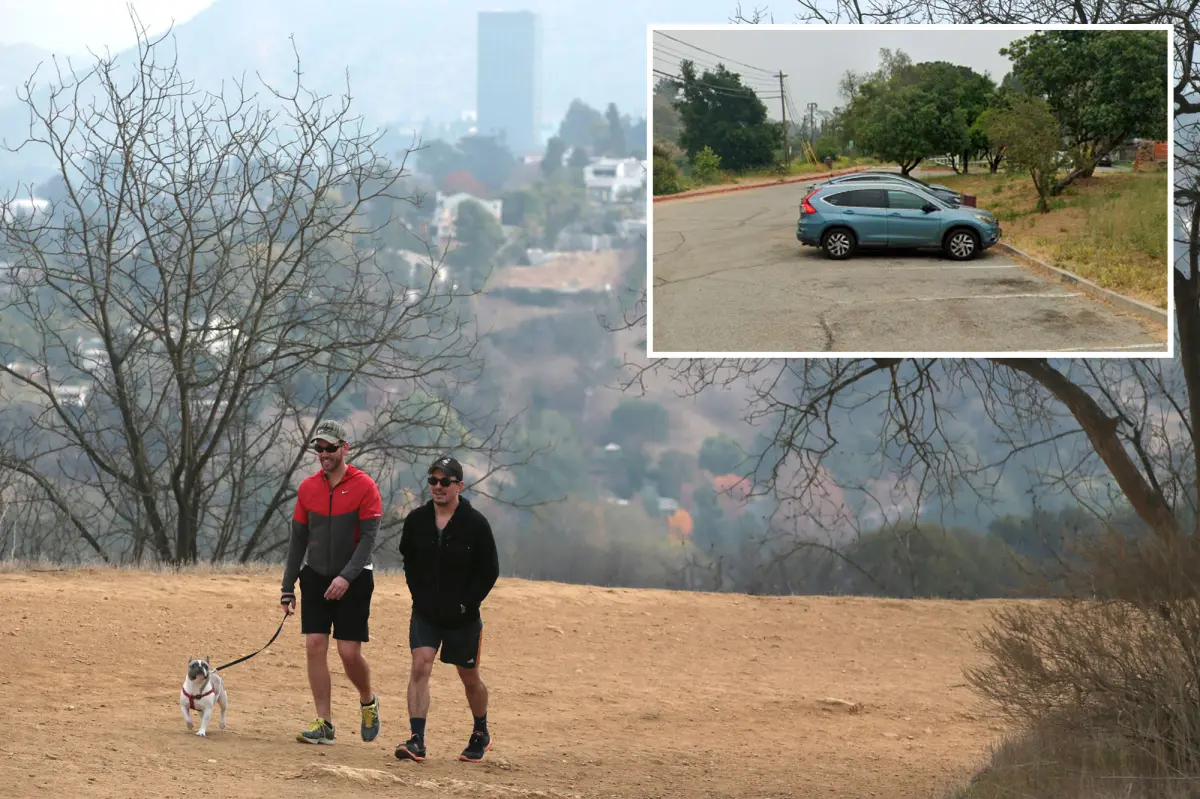
For generations of Angelenos, the Hollywood Hills have served as a natural sanctuary from the relentless hustle and bustle of city life. Among these cherished escapes, Fryman Canyon at Wilacre Park in Studio City holds a special place in the hearts of locals and tourists alike, offering breathtaking views of the San Fernando Valley and a peaceful retreat for mind, body, and soul. However, this beloved hiking haven has recently become a source of deep frustration and community division. The source of the tension is not the trail itself, which remains as beautiful as ever, but a sudden and strict shift in how visitors are allowed to park when they arrive to enjoy it.
The spark that ignited this local controversy was the introduction of steep new parking fees at the Wilacre Park trailhead lot, managed by the Mountains Recreation and Conservation Authority (MRCA). Hikers are now required to pay $7 for up to two hours of parking, with the fee jumping to $14 for those wishing to stay longer. For a community accustomed to accessing their neighborhood park freely, the sudden financial barrier has come as a jarring surprise. Regular visitors have expressed dismay over the fees, viewing them as an unnecessary tax on nature and a discouraging obstacle to physical and mental well-being in a city where affordable outdoor recreation is already scarce.
According to the MRCA, the decision to implement these parking fees was not made lightly but was born out of necessity following recent Los Angeles County budget cuts that severely impacted ongoing park maintenance and operations. Park authorities argue that the revenue generated from parking is essential to preserving the trails, managing overcrowding, and keeping the park safe and clean for everyone. From their perspective, the fees are a practical solution to a financial crisis, ensuring that the natural beauty of Fryman Canyon can be maintained for future generations despite shrinking public funding.
However, the consequences of the new parking fees have rippled far beyond the borders of the trailhead lot and into the surrounding residential neighborhoods. In an effort to dodge the new costs, many drivers have begun parking on nearby side streets like Laurel Lane and Sunshine Terrace. This swift influx of vehicles has left local residents grappling with congested streets, blocked driveways, and increased noise. While neighbors have long complained about trail-related traffic, the new parking policy has only exacerbated the friction, turning quiet residential blocks into overcrowded overflow lots and prompting the city to aggressively step up parking enforcement and ticketing.
Now, visitors who choose not to pay the lot fee or who park illegally on residential streets face a steep $73 citation. For many devoted hikers, this aggressive enforcement feels like a betrayal of the park’s spiritual purpose. Local trailgoers describe the canyon not just as a place for exercise, but as a secular “church” where they go to clear their minds, heal their bodies, and find peace. The introduction of expensive parking meters and the constant threat of a costly ticket have cast a stressful shadow over what used to be a worry-free ritual of renewal.
As the community adjusts to this new reality, many hikers are left restructuring their routines, showing up at the crack of dawn to secure parking, or reluctantly seeking out alternative trails entirely. The situation at Fryman Canyon highlights a delicate, ongoing struggle facing many urban green spaces today: the difficult balance between funding public land conservation and keeping nature accessible to all. While the city and park authorities work to manage budgets and neighborhood safety, the people who love the trail are left hoping for a solution that preserves both the canyon and the welcoming spirit that made it so special in the first place.