



Some of the most revealing letters to an advice columnist are not really about the surface problem at all. They arrive as questions about etiquette, family conflict, or personal hardship, but beneath them is something more universal: people asking whether it is all right to live according to their own needs without being judged. In a single edition of “Dear Abby,” two such letters appear side by side, and together they capture a full range of human loneliness. The first comes from a 62-year-old woman in Texas who signs herself “Unsettled.” In just a few lines, she sketches a life that has been shaped by grief, addiction, estrangement, and a deep need for solitude. The second letter, from a man who calls himself “Famished Family,” asks a much smaller but still telling question: Is it good manners to make guests who arrive on time wait for those who arrive late to a holiday meal? On the surface, a domestic tragedy and a dinner-table inconvenience could not seem more different. But both writers are looking for the same thing: permission to set a boundary, to take up space, and to say that their own comfort matters too.
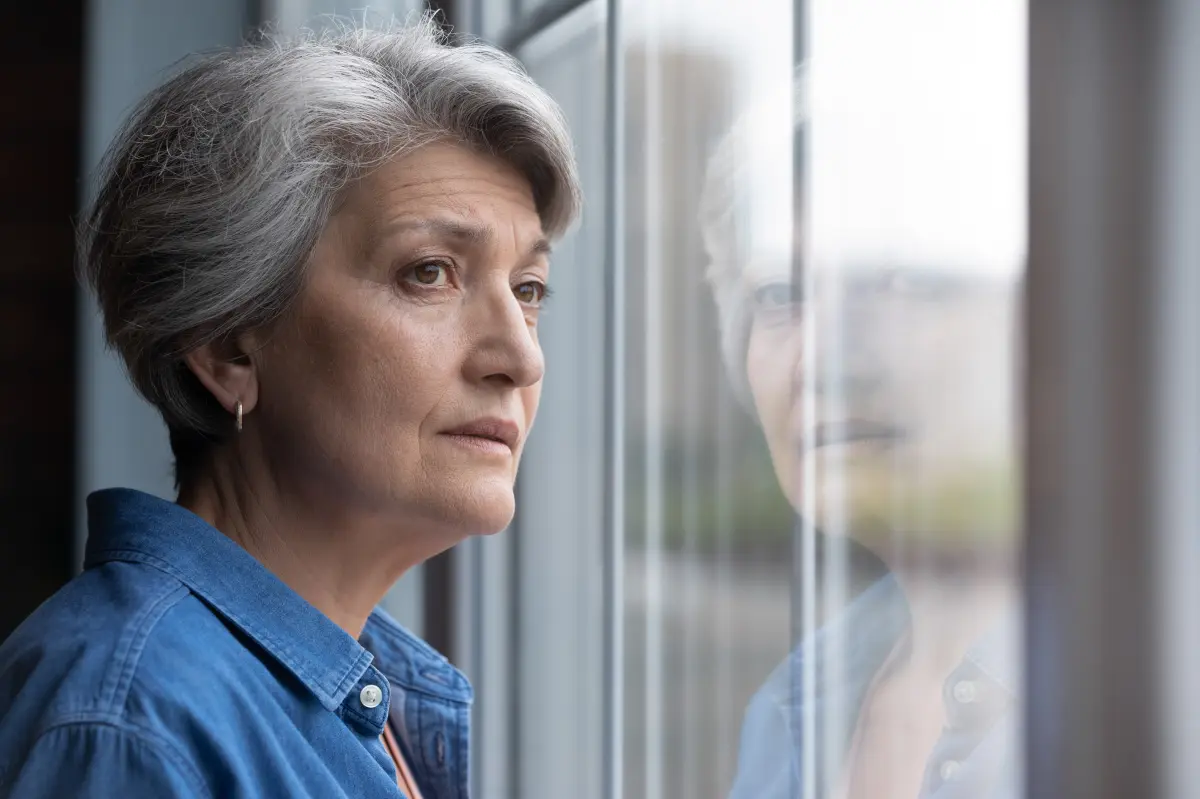
Abby’s first correspondent has been through what she calls a devastating two years. Her mother and her beloved dog, the two companions she felt closest to, died within six months of each other. Her husband, who had struggled with addiction for many years, went to Alcoholics Anonymous and managed to stay sober for a decade—long enough for the couple to have two more children and to build a family that seemed stable. During those years, she and her husband sacrificed greatly to give all their children a good upbringing, including college educations. But now the children rarely speak to her, and one has stopped speaking to her altogether because of political differences. Her husband has relapsed into addiction, and she has been diagnosed with PTSD after an unrelated trauma in her teenage years. She has spent years in therapy and takes medication, and her internist monitors her mental health carefully, but she is exhausted. Six months ago, she moved into her mother’s house, which is jointly owned by her siblings. She says she loves being alone, keeps busy, and is enjoying the most peace she has ever known. At the same time, she is terribly lonely and suffers from social anxiety. She does not work, her husband gives her an allowance, and because they live apart, she has fallen into debt. At 62, she says, everything she pursued—marriage, career, family—has amounted to nothing. She wants to be left alone with her pets, but her husband controls the money, and he does not mind the separation because it allows him to continue his addiction without interference.
Abby’s reply is brief but compassionate. She tells the woman to talk with a family law attorney about what her finances would look like if she divorced, noting that she would not want to live alone at 62 but that if that is the life the woman truly prefers, she will not judge. That simple answer, short though it is, actually touches on a deep truth. The woman has spent years accommodating other people: her husband’s addiction, her children’s opinions, her family’s expectations. Now, for the first time in her life, she has found a quiet refuge in her mother’s house, where she can simply exist without performing a role. But her financial dependence keeps her tethered to a man who is no longer a true partner. She is caught between the peace she craves and the practical reality of needing money. In a wider sense, her letter is not really about whether it is okay to want to be alone. It is about whether a person who has been broken by life is allowed to define a smaller, gentler existence for herself. The answer, if we humanize it, is yes. There is no shame in wanting solitude after a lifetime of emotional upheaval. The problem is not the desire for peace; it is the lack of support and independence to sustain it. Talking to a lawyer is not just about money—it is about reclaiming agency. She may not be ready to divorce, but she is ready to know what her options are. That knowledge alone could ease some of her fear.
The second letter seems lighter but is just as meaningful. A man who has attended his wife’s family holiday gatherings for 30 years describes a familiar scene. The family has grown large, with grandchildren and great-grandchildren, and everyone gathers before noon to talk and share a meal. The patriarch is known for being eager to eat on time, but for the past few years, the matriarch has insisted that no one begin eating until the last guest arrives—often 30 minutes to an hour late. The man, who signs himself “Famished Family,” says he would never bring it up to his wife or the host, but he wonders what Abby thinks. Abby’s answer is clear and practical. No, it is not good manners to make punctual guests wait. The host should make every effort to begin the meal at the time stated in the invitation. Latecomers should not be made to feel guilty; the meal already in progress will make the point better than words. When they arrive, the host should simply welcome them warmly, offer a plate, and return to the guests who showed up on time. This advice may sound simple, but it contains a whole philosophy of respect. When a host delays the meal for latecomers, they are, in effect, teaching everyone that the people who wait are less important than the people who arrive late. The patient guests are being asked to manage their own hunger and frustration so that someone else’s poor planning can be accommodated. Over time, that creates resentment, even in families where no one talks about it.
Read together, the two letters reveal how much of human suffering comes from an imbalance of power. In the first letter, the imbalance is brutal and obvious: a woman who has given everything to her family is now financially dependent on a husband who has abandoned their marriage in spirit. Her desire to be alone is not a symptom of failure; it is a survival strategy. She has already been deeply hurt by people she loved, and solitude is the only place she feels safe. But safety does not solve the problem of money, and it does not replace community. She may be at peace in her mother’s house, but she is also isolated, in debt, and unsure what will happen when her husband’s allowance stops or when the siblings decide to sell the house. She needs not only a lawyer but also a long-term plan that respects her emotional limits while giving her enough stability to live without fear. In the second letter, the imbalance is smaller but still real. The matriarch, perhaps wanting to keep the family together or to show affection for the latecomers, inadvertently punishes the people who have done the right thing. The patriarch, who used to symbolize punctuality, has been overruled. The guest, despite 30 years of love and welcome, feels too powerless to even mention the issue to his own wife. He and the lonely woman in Texas are more alike than they appear: both are caught in family systems where their needs are secondary.
The beauty of Abby’s column is that it treats these ordinary problems with dignity. She does not lecture the woman for wanting to live alone; she simply gives her practical next step and refuses to judge her choice. She does not mock the hungry guest; she validates his frustration and tells him that his time deserves respect. Humanized, these letters tell us that we are allowed to take care of ourselves. We are allowed to start lunch on time. We are allowed to want a quiet home with pets instead of a crowded social life. We are allowed to ask for financial independence even when it feels easier to stay dependent. We are allowed to love our families and still refuse to let them make us small. The woman in Texas has lost two best friends and many of the relationships she once cherished. She has carried trauma, addiction, and estrangement. Yet in the middle of all that pain, she has found something precious: a room of her own, a sense of peace, and the courage to wonder if it is okay. It is. The hungry guest, meanwhile, has learned a quieter lesson: sometimes the most loving thing a family can do is not wait for someone who will not show up on time, but instead to begin the meal, save a plate, and keep the door open without abandoning the people who are already there. That is the wisdom of “Dear Abby” in its most humane form. Life is short, grief is heavy, and hunger is real. We do not have to wait for perfection to begin living. We can take the small, practical steps that protect our hearts and our boundaries—and we can do it without guilt.