





The Golden Hour of Tea: How California Transformed a British Ritual into a Luxury Spectacle
For centuries, the image of afternoon tea conjured Chintz-covered chairs, muffled conversations in the damp London drizzle, and the gentle clatter of porcelain upon silver. It was a quintessentially British institution—a quiet, almost private rebellion against the hunger of the post-luncheon afternoon, as imagined by Anna, the Duchess of Bedford, in the 1840s. But clear across the Atlantic, under the dazzling Californian sun, this ancient ritual is shedding its stuffy, grey-skied demeanor in favor of palm-fringed glamour, haute couture flourishes, and panoramic ocean views. A seismic shift is taking place in the Golden State, where it is no longer a quaint afterthought but a headline attraction, subject to gilt-edged marketing campaigns and culinary innovation. Indeed, afternoon tea is experiencing an unprecedented renaissance, morphing from a sleepy tradition into a vibrant, aspirational event that draws both locals and global travelers alike. It’s not merely about a cup of Earl Grey anymore; it is about the choreography of consumption, the artistry of pastry, and the performance of leisure in some of the most spectacular settings the state has to offer. From the glittering boulevards of Beverly Hills to the rolling vineyards of Napa, luxury establishments are reimagining this old-world pause, turning a simple cup of tea into a full-blown theatrical production—and the public is eating it up, figuratively and literally.
Down at the edge of the Pacific, the Fairmont Miramar Hotel & Bungalows in Santa Monica has brilliantly capitalized on the coastal environment to redefine what tea service can be. This isn’t a stuffy drawing-room affair; it is a love letter to the seaside. Having recently returned to the hotel’s elegant Fountain Room in late summer, the experience immediately rose to the top of the city’s social calendar. Imagine stepping out of the brutal Santa Monica traffic and into a space where the ocean breeze drifts through the air, mingling with the fragrant steam rising from a pot of the Fairmont’s signature Lot 35 loose-leaf blends. The menu adheres to the classics—delicate finger sandwiches stripped of their crusts, warm scones that crumble perfectly, and a dizzying array of pastries—but the context is entirely different from the London original. Here, golden hour takes on a literal meaning, as the sun dips towards the horizon, casting amber light across the room. The seasonality of Southern California dictates the flavors, the local clientele brings a relaxed, wellness-conscious vibe, and the service feels less like formal etiquette and more like generous hospitality. It is the juxtaposition of the old-world structure—scones first, sweets last—with the new-world, Bohemian elegance of Santa Monica that makes it so special. The return of this service isn’t just a marketing move; it is a declaration that the beachfront property recognizes its guests’ desire for ritual, for a defined moment of pause amidst the chaotic schedule of work and play that defines Los Angeles living.
Further inland, within walking distance of the legendary Rodeo Drive, the House of Dior has taken the concept to dizzying heights of aesthetic indulgence. At the historic luxury fashion house’s third-floor restaurant, Monsieur Dior, the new afternoon tea is a masterclass in the merging of haute couture and haute cuisine. One doesn’t simply have tea at Dior; one experiences a sartorial symphony. The service features a selection of rigorously crafted tarts that look less like baked goods and more like miniature jewelry set pieces, alongside plush brioche and dainty mini sandwiches. It is an offering so exquisitely composed, so meticulously finished with gold leaf, edible flowers, and intricate piping, that to bite into them feels almost like a transgression. This is tea as wearable art, reflecting the maison’s overarching philosophy that life itself should be a work of art. In this palace of couture, the ritual of the afternoon pause is elevated to a performance of pure luxury, blurring the lines between the fashion runway and the dining table. The waitstaff handle the porcelain with the same reverence a stylist would a silk gown, and the ambiance—whispered conversations, soft lighting, and the palpable scent of exclusivity—turns eating a cucumber sandwich into a definitive status moment. Here, the tea service isn’t just food; it’s an extension of the brand’s DNA, a tangible way to “wear” Dior without buttons or seams, captivating a new generation of consumers who seek immersive brand experiences rather than mere transactions.
Of course, no survey of Californian tea culture would be complete without acknowledging the doyens of the craft, those who have made tea service a cornerstone of their hospitality DNA. The Peninsula Beverly Hills, a monolith of old-school Southern California luxury, has long treated afternoon tea as an essential part of its identity, an unshakeable pillar of its carefully curated lifestyle. Served in the wood-paneled, fire-lit warmth of The Living Room, the Peninsula’s current offering coincides with the hotel’s elegant thirty-fifth anniversary, making the experience inherently steeped in nostalgia and celebration. It is a theatrical, stately affair, complete with a stunning array of freshly baked scones, decadent pastries, and—because this is a Californian hotel that understands expectations—the mandatory inclusion of chilled, perfectly metaphored Champagne. With multiple seatings throughout the day, the hotel has turned a leisurely tradition into a highly efficient, yet deeply relaxed, production line of pleasure. It represents the apex of the classic style, where the silences are respectful, the tea is poured from heavy silver, and the entire affair moves at a specifically unhurried tempo. This is a place where business deals are whispered, romantic liaisons are renewed, and multi-generational families gather to share stories over Devon cream. The Peninsula proves that even amidst the evolving trend, there is immense power in doing the original correctly, without excessive gimmicks, relying instead on impeccable service, flawless ingredients, and the sheer, magnetic pull of institutional perfection.
Travel south to the coastal mastery of Orange County, and you will find The Resort at Pelican Hill in Newport Beach, which has thrown the conventional tea menu out the window in favor of a bold, three-act gastronomic play. Here, the afternoon tea has been reimagined as a full dining experience, featuring a nostalgic yet opulent bread-and-butter cart, a savory course, and a separate kingdom dedicated to elaborate sweets. The level of culinary audacity is off the charts; highlights include a sublime avocado finger sandwich crowned with silky Santa Barbara uni mousse—a decidedly Californian twist that swaps traditional smoked salmon for the briny, sweet depths of sea urchin. This is not tea for the faint-hearted; it is tea for the discerning gourmand. The rotating selection of cakes is a spectacle in itself, often resembling architectural models more than desserts, waiting patiently on tiered stands to be dismantled and devoured. Pelican Hill’s approach signals a significant shift in the genre: moving tea squarely from the “pastime” category into the “destination dining” category. It’s a statement that afternoon tea can be as serious as dinner at a Michelin-starred restaurant, yet retains the playful charm of a Sunday afternoon indulgence. By injecting unexpected textures, global ingredients, and fine-dining plating techniques into a traditionally staid format, they are effectively courting a new demographic—foodies who previously might have considered tea service saccharine or boring, but who now view it as a culinary frontier to be conquered.
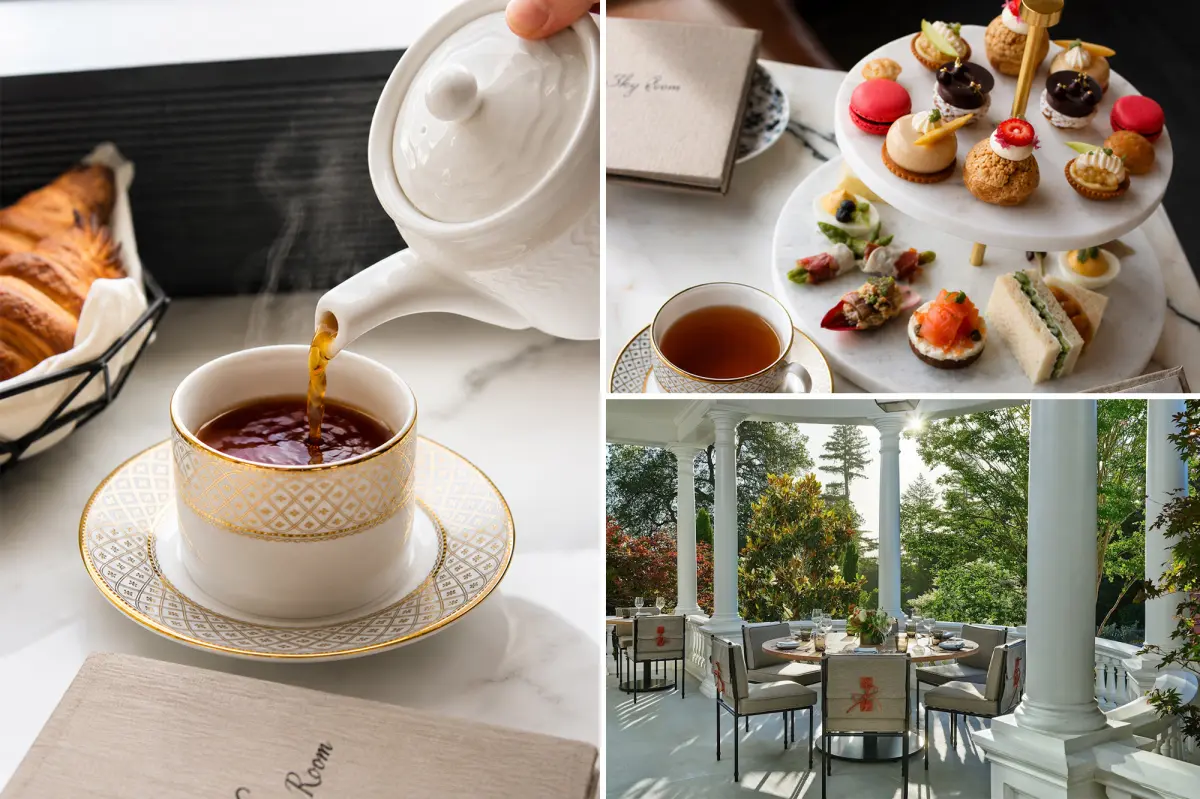
The tradition’s roots, however, are never far beneath the surface. At the Langham Huntington in Pasadena, the tea service pays profound homage to its historic predecessor—the original afternoon tea served at The Langham in London back in 1865. This Pasadena outpost understands that to move forward, one must honor the past; thus, they serve their version with an almost archival reverence. The menu features a curated mix of savory delicacies, postcard-worthy pastries, and proper scones, all paired with teas sourced from across the globe. There is a scholarly gravity to the Langham’s iteration, a respectful nod to the Victorian roots of the custom, reminding guest that they are participating in a centuries-old global conversation. It is a chance to step off the glitzy nineteenth-century reinterpretation of a ritual that once served as a vital social lubricant for the British aristocracy. Yet it is this very historical anchor that gives the modern Californian tea trend its depth. As we move north into the wine-soaked valleys of Napa, however, the tradition is promptly shattered and reassembled in the name of local terroir. At the Alila Napa Valley, the ritual mutates once more, adopting an Italian-inspired, wine-country spin. The meditative elements of tea service align with the vineyard ethos, incorporating local produce, wine-country seasonality, and a relaxed, convivial atmosphere that fits the region’s elegant rusticity. Meanwhile, over in Long Beach, the historic Fairmont Breakers has taken the concept vertically, hauling its tea service up to the 13th-floor Sky Room. Here, the pairing is not just tea and scones, but pastries and sweeping, breathtaking patinas of the city skyline. The views become the ultimate garnish, transforming a meal into a topographical adventure where the joy of eating is matched only by the joy of looking down at the world.
What is the driving force behind this explosive civilizational resurgence of the tea hour? In a hyper-accelerated, digitally tethered world, afternoon tea offers a sanctioned disconnection. It forces you to sit for two hours, to speak in measured tones, to look another human being in the eye over a fragile porcelain cup. It is an extension of the broader “slow living” movement, a rebellion against the grab-and-go ethos of modern consumption. Additionally, this is the era of experiential luxury; guests no longer want just a bed to sleep in—they want stories to tell, photos to post, and memories to savor. Tea offers the ultimate multi-sensory micro-vacation: the visual artistry of the pastry display, the olfactory warmth of Darjeeling or Oolong, the tactile satisfaction of warming hands on a cup, and the auditory serenity of a bustling but muffled dining room. From the couture flourishes of Dior in Beverly Hills to the ocean spray of Santa Monica, from the gastronomic experimentation of Newport Beach to the historical depths of Pasadena and the elevated cityscapes of Long Beach, these Californian hotels have taken a northern European tradition and suffused it with the Golden State’s inherent glamour, pioneering spirit, and obsession with aesthetic perfection. They have successfully proven that tea time is not just for rainy afternoons but is, in fact, big time—an expansive, luxurious, and utterly irresistible celebration of the best that life has to offer.