







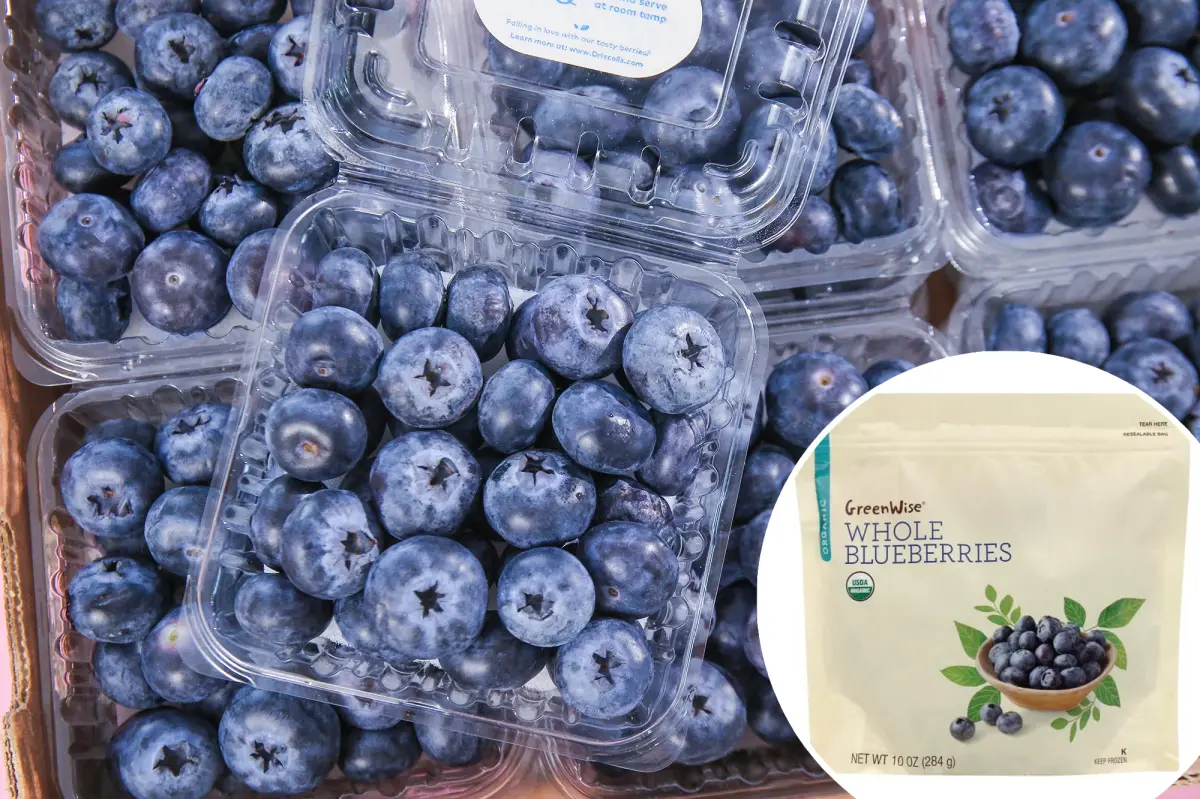
In the quiet comfort of our kitchens, few things feel as innocuous as a bag of frozen fruit. It’s a staple of convenience—tossed into a morning smoothie, sprinkled over oatmeal, or baked into a last-minute cobbler. But health officials have issued a jarring wake-up call for shoppers across the Southeast. That humble bag of GreenWise Organic frozen blueberries or mixed berries sitting in your Publix freezer might be a serious health hazard. The U.S. Food and Drug Administration (FDA) has just escalated a recall to its highest possible level—a Class I designation—amid a troubling active investigation into an E. coli outbreak. This is the most severe classification the agency can assign, meaning there is a “reasonable probability” that consuming these products could cause serious, life-threatening health consequences, or even death. While no fatalities have been reported so far, the reality is stark: at least twelve individuals have already fallen ill between May 11 and June 5, with four of them requiring hospitalization. This isn’t a theoretical risk or a mere precautionary measure; this is an active public health alert that requires immediate attention.
To understand the scope of this recall, it helps to picture the shelves of a Publix store—a beloved regional chain where these organic items are a common sight. The recall specifically affects the store brand, GreenWise Organic, in two frozen formats: Whole Blueberries and Whole Mixed Berries. The affected products come in two main packaging sizes, a convenient 10-ounce bag and a larger 48-ounce family-size bag. The specific UPC codes printed on the back are 41415-06453 and 41415-12053 for the blueberries, and 41415-06753 and 41415-12153 for the mixed berries. The contamination was first flagged on July 3, when the Chile-based manufacturer, Frutas y Hortalizas del Sur S.A., issued a targeted recall for a single 10-ounce lot. That lot, marked with the codes 60401 (also shown as 6 040 01) and a best-by date of February 9, 2028, tested positive for E. coli during routine screening. However, the situation escalated rapidly. Roughly three weeks later, Publix took the decisive step of pulling all lots of these specific GreenWise frozen products from their shelves, working alongside federal regulators to cast the widest net possible. If you live in Alabama, Florida, Georgia, Kentucky, North Carolina, South Carolina, Tennessee, or Virginia—and you have purchased any of these frozen bags—the clock is ticking to check your freezer right now.
This isn’t just any stomach bug. The culprit behind this outbreak is a nasty strain known as E. coli O145:H28, a member of the Shiga toxin-producing E. coli family. These specific bacteria have the insidious ability to unleash toxins that attack the lining of the intestinal wall, causing severe inflammation. While a typical E. coli infection might pass in a few miserable days of cramps and loose stools, this strain can escalate rapidly into something far more terrifying. Symptoms generally strike anywhere from a couple of days to up to nine days after eating the contaminated food. Imagine the sudden onset of relentless stomach cramps that double you over, violent and persistent diarrhea that turns bloody, vomiting, and a fever that leaves you weak. For those most vulnerable—the very young, the elderly, and individuals with compromised immune systems—the danger is exponentially higher. As the infection progresses, the Shiga toxins can enter the bloodstream and ravage the kidneys, triggering a severe complication called hemolytic uremic syndrome (HUS). HUS is a potentially fatal form of kidney failure. It might start with subtle warning signs like easy bruising or a pale pallor, but it quickly progresses to decreased urination and severe systemic shutdown. In the most extreme cases, permanent kidney damage occurs, potentially requiring dialysis or even a transplant. For a parent who bought these berries to give their child a healthy snack, the thought of that trajectory is absolutely terrifying.
So how did investigators link these bags of frozen fruit to the sick patients in Florida and Georgia? The FDA’s team of epidemiologists and food safety sleuths went to work, interviewing the victims to track their dietary footprints. Of the nine people who were able to provide detailed accounts of their eating habits, seven confirmed they had consumed frozen blueberries in the days before falling ill. When pressed for more specifics, five individuals identified the very product in question: GreenWise Organic Whole Blueberries purchased directly from Publix. This evidence created a strong epidemiological link, prompting the swift escalation of the recall. However, despite this clear connection to the consumers, the mystery of where and how the contamination occurred remains unsolved. The FDA and state partners are actively digging into the supply chain, investigating everything from the growing conditions in Chile, to the processing facilities, to the freezing and packaging lines. The origin of the contamination remains an open question—a silent, hidden breach that highlights just how vulnerable our global food system can be. For those who have already thrown out the bags, this unresolved source creates a lingering anxiety. But for those who haven’t yet checked their freezers, the investigation also serves as another urgent prompt to verify their purchases immediately.
The FDA’s message is clear, direct, and urgent: Do not eat, sell, or serve the recalled GreenWise Organic Frozen Whole Blueberries or Whole Mixed Berries. It’s a simple directive, but the execution requires diligence. First, go to your freezer and locate the packaging. If the labels match the UPC codes or the specific lot numbers listed, do not taste-test them to see if they’re bad. Throw them out immediately, or if you prefer, return them to your nearest Publix for a full refund. However, the cleanliness protocol extends beyond just disposing of the fruit. The FDA is strongly emphasizing the risk of cross-contamination. Those berries came into contact with plastic containers, mixing bowls, or the interior of your freezer. Any surface that touched the berries—the bag itself, your hands, the countertop, a blender base—needs to be thoroughly washed with hot, soapy water or a sanitizing solution. Furthermore, if you tossed the original packaging and transferred the berries into another container, the FDA advises that you err on the side of extreme caution: if you cannot definitively verify that they are not part of the recalled lots, throw them in the trash bin. It feels like a waste, but as the agency put it, it’s a far better outcome than gambling with a severe bacterial infection. And if you or a family member has consumed this product, monitor your health closely for the next nine days. If you develop severe stomach cramps, bloody diarrhea, vomiting, or notice reduced urination or bruising, do not wait it out—contact your healthcare provider immediately.
In a world where we trust the industrial food complex to keep us safe, recalls like this are a sobering reminder of our inherent vulnerability. A bag of “healthy” organic fruit—something we actively choose for its nutritional benefits—can suddenly become a source of a serious life-threatening illness. It’s a psychological whiplash that makes you look at your grocery cart a little differently. But in this specific moment, the priority is action. The FDA’s Class I status signifies that they view this as a pressing public health emergency, and they are right to. While the investigation into the source contamination continues—with the FDA and state partners dedicating resources to trace the outbreak back to its origin—the immediate threat is mitigated only when consumers take the necessary steps. Take a moment right now to walk to your refrigerator. Check those GreenWise bags. If they match the criteria, handle them with care, dispose of them safely, sanitize your kitchen, and breathe a sigh of relief. The twelve people who have already suffered through this bacterial siege—and the four who needed hospital care—are a grim reminder that food safety is never a guarantee. But by staying informed, participating in the recall, and spreading the word to friends and neighbors, we can shut this door before any more families are impacted. Awareness is our first line of defense in the fight against invisible threats lurking in our own kitchens.