






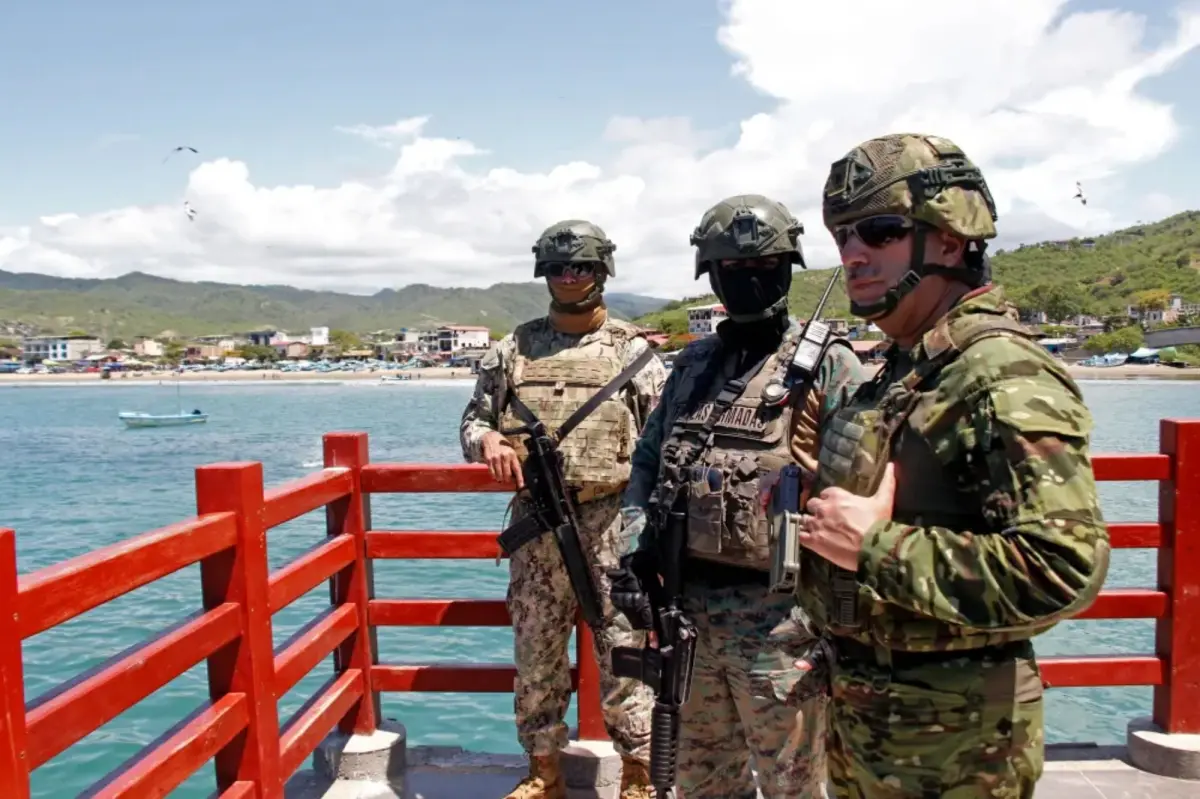
If you’ve been scrolling through travel photos of misty Andean peaks, colonial streets painted in rainbow colors, and giant tortoises ambling through volcanic craters, Ecuador has probably made it onto your dream list at some point. It’s a country that feels like a geography textbook come to life—snowcapped mountains, Amazon jungle, Pacific beaches, and the legendary Galápagos Islands all packed into one relatively small nation. That kind of variety is rare, and it’s easy to understand why travelers are drawn there. But before you book that flight, there’s something important to know: the U.S. State Department has just issued a fresh advisory urging Americans to be more cautious than usual when visiting Ecuador. It’s not a “stay home” warning, but it is a serious reminder that this beautiful country is currently facing some real safety challenges, including violent crime, drug-related violence, kidnapping, and even terrorism concerns in certain regions. The advisory, rated Level 2 “Exercise Increased Caution,” applies to the whole country, which means the message is simple: Ecuador is still open to visitors, but it’s not a place to let your guard down completely.
The heart of the concern is crime, and not just petty theft. According to the State Department, Ecuador is dealing with widespread criminal activity, including murders, assaults, armed robberies, and kidnappings. Much of this violence is tied to transnational drug trafficking organizations that operate in the region. These aren’t just random street crimes—these are organized networks with significant power and resources, and their presence has raised the stakes for everyone living in and visiting the country. The advisory specifically notes that U.S. citizens and lawful permanent residents have been victims of kidnapping and extortion. That’s a chilling detail, and it explains why officials are being so direct about the risks. Ecuador sits in a tough neighborhood, sandwiched between Colombia to the north and Peru to the south, both of which have their own long histories of drug-related conflict. The country’s Pacific coast is beautiful, but it also provides routes for illegal trafficking, and the violence that comes with that trade has spilled over into everyday life. For travelers, this means certain areas are far more dangerous than others, and even popular destinations can have pockets where crime is a serious concern.
Now, here’s the part that makes this advisory feel extra complicated: Ecuador is also a place that Americans genuinely love. It’s not some obscure destination that a few adventurous souls visit—it’s actually the number one source of foreign visitors to the country. According to the National Institute of Statistics and Censuses, Americans made up roughly a third of all international arrivals in 2025. That’s a huge number, and it reflects Ecuador’s popularity for everything from hiking in the Andes to exploring Quito’s historic center to sailing around the Galápagos Islands. The good news is that many of the most famous spots—like Quito, Cuenca, and the Galápagos themselves—are not on the “Do Not Travel” or “Reconsider Travel” lists. You can still visit those places, and the advisory doesn’t tell you to avoid them entirely. But the warning does single out several areas that travelers should be especially careful about, including parts of Guayaquil, Ecuador’s largest city, and the coastal provinces of Manabí and Santa Elena. These are areas with beautiful beaches and vibrant culture, but they’re also places where the risk of violence is higher, and the State Department wants Americans to think twice before heading there.
Beyond the crime, the advisory also brings up another layer of unpredictability: terrorism, civil unrest, and protests. Ecuador has seen its share of political tension in recent years, and demonstrations can pop up with little notice. When they do, they can block roads, disrupt public transportation, and shut down access to basic services like hospitals or grocery stores. For tourists, that could mean getting stuck in a place you didn’t plan to stay, or struggling to reach an airport during a chaotic situation. The advisory also reminds travelers that much of Ecuador is empty and remote, especially outside the big cities. If you’re planning a trip to a rural area or a small mountain village, you need to understand that help may be extremely limited. Local authorities might not be close by, and U.S. government assistance can be delayed because of the distance. That’s not to say remote Ecuador isn’t worth seeing—it absolutely can be—but it does mean you should go with a solid plan, good communication tools, and a flexible schedule. The phrase the State Department uses is “help from local authorities and the U.S. government may be very limited in remote areas, causing delays.” In other words, don’t assume someone will be able to rescue you quickly if something goes wrong.
The timing of this Ecuador advisory is also worth noting, because it’s not happening in a vacuum. It comes right after the U.S. government renewed similar warnings for popular destinations in the Caribbean. Earlier this summer, the State Department updated its Level 2 advisory for the Bahamas, citing violent crime, burglaries, sexual assaults, and armed robberies—crimes that can affect anyone, including tourists staying in resorts. Then in July, officials updated the advisory for Turks and Caicos, another tropical favorite, due to assaults, petty crime, and scams targeting visitors in popular tourist areas. These aren’t isolated cases; they’re part of a broader pattern of U.S. officials paying closer attention to safety conditions in destinations that Americans flock to. It might feel like travel advisories are becoming more common, and in some ways they are, because the world is more connected and information is more available. But they’re also a reminder that beautiful places have challenges, and being a responsible traveler means taking those challenges seriously without letting them ruin your sense of adventure.
At the end of the day, the Ecuador advisory is not a blanket warning to cancel your plans. It’s a nudge to be smarter about how you travel. If you’re heading to Quito or Cuenca, you’ll likely have a wonderful time—just stay aware of your surroundings, avoid walking alone at night, keep valuables hidden, and don’t resist if someone attempts to rob you. If you’re thinking about the Galápagos, the advisory’s risks are mostly separate from the islands themselves, so you can still enjoy that once-in-a-lifetime wildlife experience with confidence. But if you’re considering Guayaquil, Manabí, or Santa Elena, it’s worth doing extra research, staying in safer neighborhoods, and maybe avoiding unnecessary displays of wealth like expensive jewelry or cameras. And wherever you go, keep an eye on local news for protests or unrest, register with the Smart Traveler Enrollment Program (STEP) so the embassy can reach you if needed, and have a backup plan for transportation and accommodation. Travel is about opening yourself up to new experiences, but it’s also about being prepared for the unexpected. Ecuador is still a magnificent destination, and it deserves a spot on any adventurous traveler’s radar. Just remember that the same qualities that make it beautiful—its wild landscapes, its remote corners, its mix of cultures—also require a little extra caution right now. So go, explore, and soak in the magic, but do it with your eyes wide open. The world is a big place, but it’s also a complicated one, and the smartest travelers are the ones who respect that complexity while still embracing the joy of discovery.