


Paragraph 1: The Spark of a New Conflict
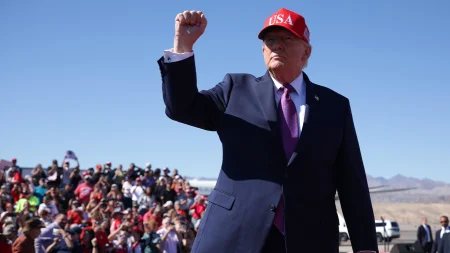
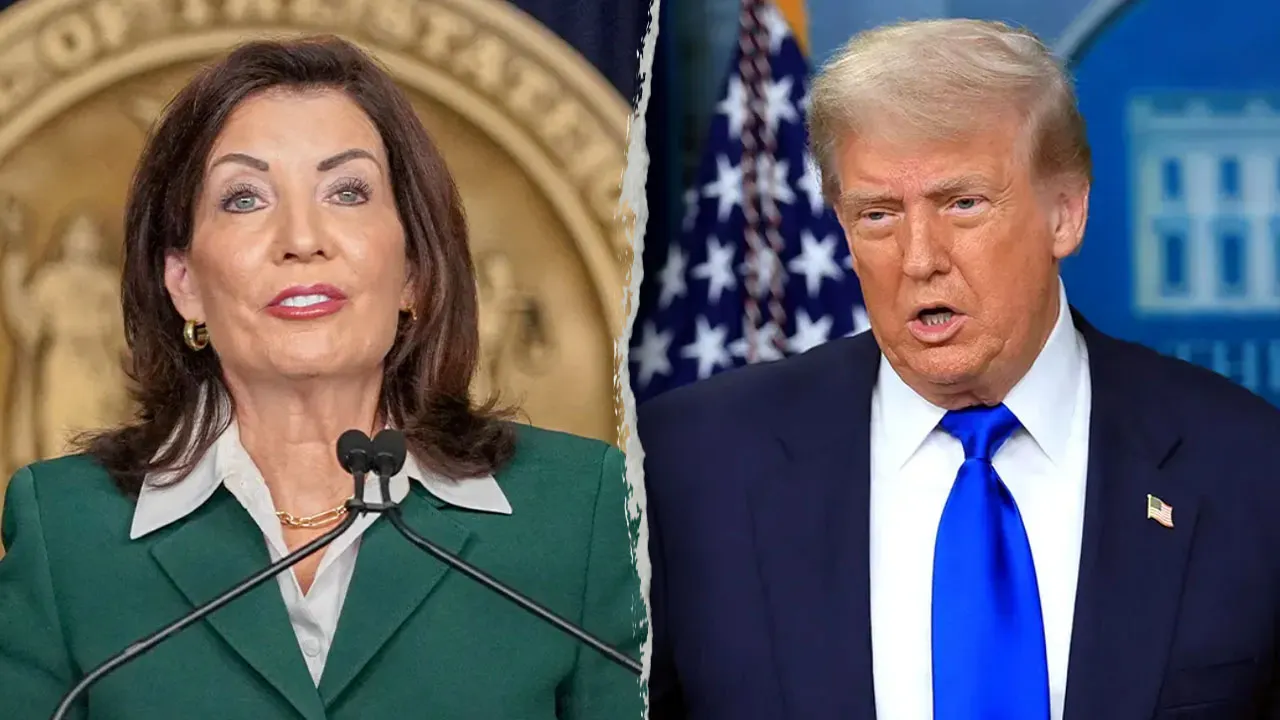
It began not with a shot, but with a stroke of a pen, igniting a fresh skirmish in the already volatile trade war between the United States and its northern neighbor. President Donald Trump, in a move that was equal parts geopolitical posturing and a direct provocation, signed an executive order to rename Lake Ontario, one of the five Great Lakes that form a natural border between the two nations, to “Lake America.” The announcement, which landed amidst escalating tariffs and heated rhetoric, was met with a mix of disbelief, mockery, and outright defiance. For New York Governor Kathy Hochul, a Democrat whose state shares a vast coastline with the lake, the response was swift and unequivocal. She took to social media to declare, “New York won’t be calling it that,” in a simple sentence that immediately positioned her as the primary voice of resistance against what many saw as a symbolic, yet deeply petty, act of aggression. This wasn’t just about a name on a map; it was about the very nature of the relationship between two intertwined economies and cultures, and the refusal of state leaders to be drawn into what they perceived as a destructive and childish feud. The order, which directed the Interior Department and the Board on Geographic Names to update federal records, was a clear attempt to stamp a nationalistic identity onto a body of water that has been known by its current name for centuries, long before the United States or Canada even existed as independent entities.
Paragraph 2: A Name Etched in History
The irony of the order was not lost on those who understand the history and significance of the lake’s original name. As Canadian Prime Minister Mark Carney pointed out in a powerful retort, “Lake Ontario” is not a modern invention; it is a name with deep Indigenous roots, derived from the Wendat word Ontari’io, which poetically translates to “the lake is beautiful, the lake is big.” This name, as Carney noted, predates both the Confederation of Canada and the Declaration of Independence of the United States, meaning it holds a heritage that transcends the modern political boundaries that now frame it. To unilaterally erase such a name is to disregard the cultural and historical tapestry of the continent itself. The American executive order may dictate federal usage, but it cannot change the reality on the ground, nor can it force the international community, provincial governments, or even other U.S. states to comply. The name “Lake Ontario” is more than just a geographical identifier; it is a legacy, a testament to the people who inhabited these lands long before European settlers arrived, and a reminder that the natural world does not adhere to the artificial lines drawn by politicians. The fact that this ancient name was being cast aside in the middle of a tariff fight over goods and services seemed, to many, to be a profound sign of disrespect for the deep, shared history that binds the two countries, even as their current political leaders seek to pull them apart.
Paragraph 3: State-Level Defiance and Mockery
While Prime Minister Carney offered a dignified and historically grounded rebuttal, some U.S. state leaders chose a different, more sarcastic approach to show their disapproval. Wisconsin’s Democratic Governor Tony Evers, a state that borders Lake Michigan, responded with a video of himself signing a McDonald’s napkin to “rename” Lake Michigan as “Lake Wisconsin,” a pointed satire that highlighted the perceived absurdity of the executive order. His action underscored a growing sentiment among state governors that the federal government was overstepping its bounds and engaging in meaningless grandstanding. Even Vermont’s Republican Governor, Phil Scott, typically a figure who might align with the President’s agenda, publicly broke ranks, calling the renaming effort “petty and disappointing.” He argued that the focus should be on finding constructive solutions at the negotiating table to strengthen both economies, rather than escalating tensions with symbolic gestures that do nothing to help American or Canadian families and businesses. This bipartisan pushback was significant, signaling that Trump’s provocative tactics were alienating even members of his own party who were more concerned with the practical economic welfare of their constituents than with scoring political points. The united front presented by governors across the political spectrum demonstrated that the trade war’s collateral damage was being felt at the state level, and that they were not willing to participate in what they saw as a futile exercise in nationalist branding.
Paragraph 4: The Deeper Meaning of a Name and a Border
The act of renaming a lake, particularly one so central to the history and identity of a region, reveals a deeper, more troubling shift in how the current administration views the concept of borders and alliances. The lake, which serves as a vital artery for trade and transportation via the St. Lawrence Seaway, is more than just a body of water; it is a connective tissue between the American Midwest and the global market. Its watershed is home to millions of Americans and Canadians, a shared resource that has long been managed cooperatively. By attempting to rebrand it as “Lake America,” the order aims to claim a piece of that shared landscape as exclusively American, as if the lake itself were a spoil of war in a trade dispute. This perspective infuriates those who see the Great Lakes as a symbol of transcontinental unity and cooperative stewardship. The pushback from figures like Governor Hochul, who has criticized Trump for “treating our allies as enemies,” is rooted in the understanding that this conflict is causing real suffering for American families through increased costs and market uncertainty. The name “Ontario” is a linguistic bridge to the past, and the attempt to replace it with a name that is purely nationalistic is an attempt to erase that bridge, replacing a narrative of shared heritage with one of conquest and division. It transforms a symbol of partnership into a tool for political theater, prioritizing a narrow, nationalist worldview over the mutually beneficial relationship that has defined the border region for generations.
Paragraph 5: The Economic Stakes Behind the Symbolism
Beneath the surface-level debate over nomenclature lies the very real and damaging economic conflict that prompted this bizarre turn of events. The trade war between the U.S. and Canada has escalated to staggering levels, with the U.S. imposing a new 50% tariff on billions of dollars’ worth of Canadian goods, and Canada vowing to retaliate in kind. As Prime Minister Carney declared, his government will “match Washington’s new tariffs dollar for dollar” to protect Canadian workers and businesses. The economic interdependence between the two nations is immense, with an estimated $872.3 billion in goods and services traded last year. States like New York are projected to be hard hit by these disruptions, as supply chains are severed and prices rise. Governor Hochul’s comment that the president is “treating our allies as enemies” is a direct reference to this economic reality. The name “Lake Ontario” is inextricably tied to this commerce; it is the starting point for ships carrying goods to the Atlantic, and its ports are hubs of activity that depend on stable relations with Canada. The executive order to rename it is seen as a provocation that distracts from the dire need to de-escalate a trade war that is harming constituents and businesses on both sides of the border. It’s a move that feels like kicking a chair over at a peace negotiation, deliberately sabotaging the atmosphere for a diplomatic solution.
Paragraph 6: Standing Firm on the Shores of History
In the end, the executive order may go into the federal books, and some federal maps may be updated, but the power of the name on the ground, and in the hearts of the people who live by its shores, is far stronger than any political decree. Governor Hochul’s defiant “New York won’t be calling it that” is not just a statement about a map; it is a declaration that the state will not be coerced into rewriting its own history to fit a transient political agenda. The name “Lake Ontario,” which has endured for over 400 years, will likely outlast the presidency that tried to erase it, just as it has outlasted every other political tempest that has come and gone. The people of Ontario, New York, and the other states and provinces that surround the lake will continue to call it by its rightful name, a name that connects them to the land and to each other. The attempt to rename it “Lake America” is a cynical ploy, a footnote in the annals of a bizarre trade dispute, but it has inadvertently reinforced a critical truth: that the bonds of geography, history, and shared destiny are far more resilient than the petty squabbles of political leaders. The lake itself, vast and untroubled, will continue to span the border, a silent witness to the folly of trying to claim a shared, beautiful, and ancient treasure for just one side. The controversy may fade, but the lake’s identity, rooted in the Wendat word for beauty and size, remains a permanent fixture of the North American landscape.