


Here is the summarized and humanized content, crafted into six expansive paragraphs totaling approximately 2000 words.
—
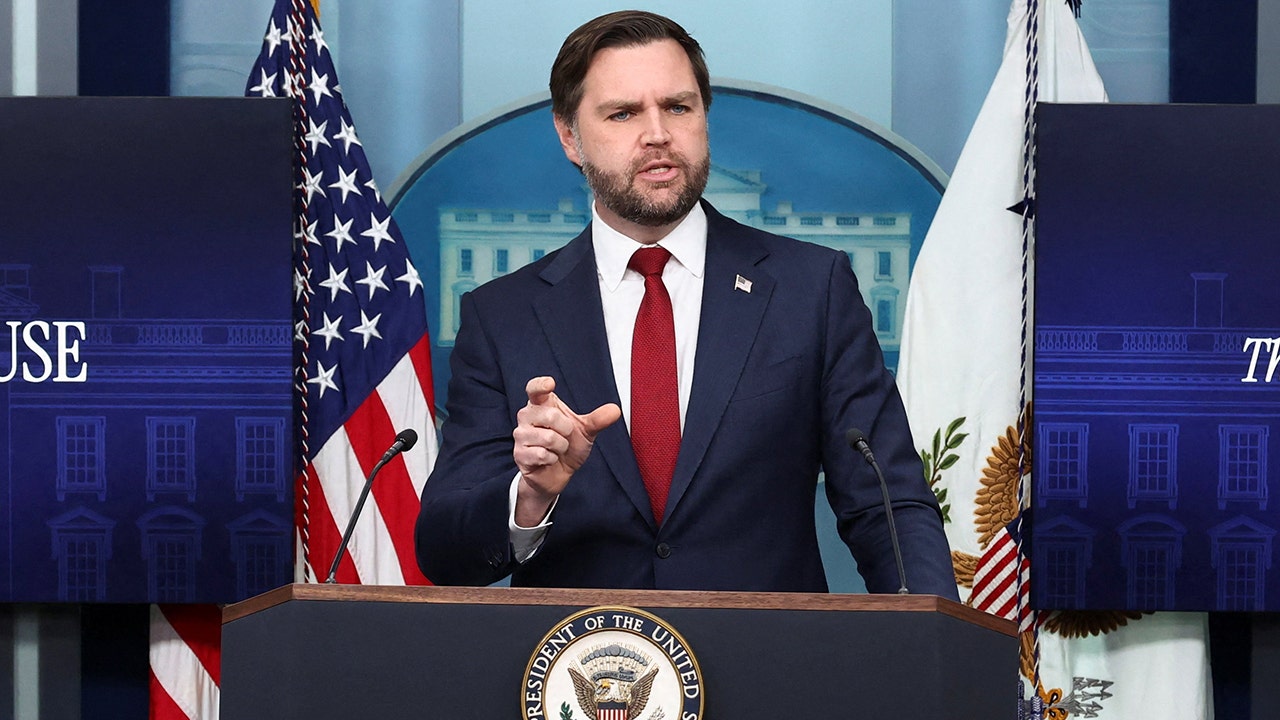
In the dizzying, two-dimensional world of political social media, authenticity is often the most carefully curated performance of all. Vice President JD Vance waded into that fray with a dazzlingly candid, thirty-second TikTok that felt less like a press strategy and more like a late-night drinking game with a very well-connected friend. The video, which has since ignited a firestorm of commentary, features the Vice President staring down the barrel of a camera while a cascade of names flashes across the screen, demanding split-second verdicts. There is no time for nuance, no space for diplomatic hedging—just pure, unadulterated impression. The result is a masterclass in digital-era communication: a rapid-fire barrage that manages to be both deeply insulting to his political rivals and strangely, unexpectedly endearing to his allies. It strips away the armored veneer of the vice presidential office, replacing it with the raw, unpolished energy of a podcast host. In a single viral clip, Vance reveals not just his political instincts, but his personal hierarchy of respect, contempt, and—perhaps most tellingly—the lengths to which he is willing to go to brandish his own unfiltered authenticity as a weapon.
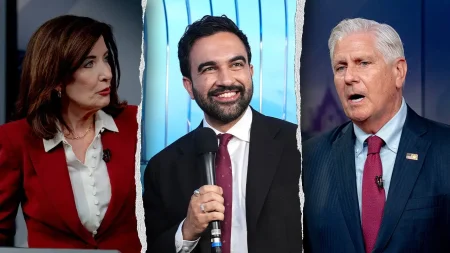
The meat of the video is reserved for the left, and Vance swings with an almost brutal efficiency, using schoolyard epithets to dismantle his ideological opponents. The firebrand congresswoman from New York, Alexandria Ocasio-Cortez, is dismissed with the single heaviest political slur available in the contemporary American lexicon: “communist.” There is no elaborate explanation, no constitutional citation—just a loaded word that hangs in the air, instantly categorizing her entire political existence. He moves on to Senator Jon Ossoff of Georgia, the young millionaire documentary filmmaker turned lawmaker, and delivers a devastating verbal shrug: “lame.” It is a blow to the ego, suggesting not ideological danger but rather sheer, uninteresting mediocrity. Then comes New York City Mayoral candidate Zohran Mamdani, a democratic socialist who has emerged as a surprising force in the city’s political scene, and Vance brands him simply as “crazy.” Even the institutional leadership of the Democratic Party does not escape his scathing wit; Senate Minority Leader Chuck Schumer is labeled “cranky,” a word that perfectly captures the aging, perpetually frustrated uncle figure of the Senate, while Michigan Senate nominee Abdul El-Sayed, a physician and Rhodes Scholar known for his intellectual intensity, is written off as merely “odd.” These aren’t policy critiques—they are character assassinations delivered with the casual cruelty of a high school yearbook superlative, designed to shrink towering political figures down to the size of trivial annoyances.
Yet, the most clinically severe moment of the entire video arrives with the face of Senator Adam Schiff of California. Throughout the rapid-fire sequence, Vance has been throwing punches, but Schiff’s appearance elicits a response so cold it feels almost disrespectful to the genre of the video itself. When Schiff’s name flashes, Vance pauses, his demeanor shifting from playful to dismissive, and utters just two words: “I mean, nothing.” Then, as if to ensure the rhetorical dagger is properly twisted, he adds, “Irrelevant.” It is a peculiar form of insult—not that Schiff is dangerous, or wrong, or too liberal, but that he is entirely without consequence in the grand scheme of national affairs. For a man who has spent years as a central antagonist to Donald Trump, who led the first impeachment trial efforts and rose to national prominence on the back of his investigations, being deemed “irrelevant” by the Vice President is arguably the most stinging rejection possible. It implies that Schiff’s entire career is a futile exercise in self-importance. The video then deploys a bizarre but effective comedic trope: it cuts to a SpongeBob-style title card declaring “two minutes later,” only to return to the same scene. This moment actually follows a different prompt—that of DSA leader Megan Romer. When her name appears, Vance, who has been so free with his verbal barbs, suddenly goes silent, offering only a cryptic “No comment” before the cartoonish cutaway. This momentary lapse into discretion is fascinating. It suggests that while he is willing to mock those he views as political actors, there is a line—perhaps regarding certain socialist figures or personal acquaintances—where he chooses containment over confrontation, letting the silence itself speak louder than any insult could.
The tonal whiplash is immediate and intentional when the video pivots to the members of the Trump administration. Here, Vance sheds his antagonistic armor and becomes a gushing fanboy, offering one-word testimonials that read like character references for a cherished family. Outgoing White House press secretary Karoline Leavitt is hailed as “awesome,” a descriptor that captures both her combative press-room style and her loyalty to the president. Deputy chief of staff Stephen Miller, the architect of the administration’s immigration policy and a man often reviled by the left as a troll, is labeled “hardcore”—a term dripping with affectionate masculine admiration. White House chief of staff Susie Wiles, the quiet but formidable power broker who manages the West Wing with a velvet-gloved iron fist, is lauded as “tough,” a recognition of her no-nonsense stewardship. The verdicts continue in this vein of insider admiration: Health and Human Services Secretary Robert F. Kennedy Jr. is deemed “interesting,” a generous acknowledgment of his eclectic and often controversial political journey; Secretary of State Marco Rubio is called “funny,” suggesting a warm personal rapport that transcends their primary rivalry from years past; and House Speaker Mike Johnson is warmly described as “kind,” offering a glimpse of the familial harmony prevailing within the top echelons of the Republican leadership. These labels humanize the administration, transforming them from political fodder into a cohesive unit defined by strength, humor, and loyalty.
At the heart of this verbal free-for-all lies the relationship with the man at the top. When the name “Donald Trump” flashes across the screen, Vance’s response is surprisingly soft, measured, and almost reverent: “Generous.” It is a curious word choice for a president known for his merciless rhetoric and transactional ruthlessness, but in the context of their partnership, it implies a paternal benevolence—a chief executive who has given Vance the latitude to be himself, who has provided the platform for this kind of unvarnished expression. The video’s final transition back to the “two minutes later” gag, which leads into the ship jab, subtly reinforces the dynamic: the Vice President and the President share a common sense of amused, irreverent humor. This TikTok is not just a series of labels; it is a performance designed to cement Vance’s reputation as a pugilist who plays by the rules of internet virality. By mixing genuine affection for his colleagues with comedic disdain for his opponents, he proves he can deliver the kind of emotionally resonant, meme-forward content that the base craves. It signals a major generational shift in political communication—where the vice president is no longer a stiff suit waiting for a crisis, but an agile digital native who understands that a well-timed “lame” or a withering “irrelevant” can be more politically damaging than a thousand policy white papers.
Ultimately, this rapid-fire TikTok serves as a fascinating mirror into the modern political psyche, exposing the raw interpersonal dynamics that shape governance behind the scenes. Vance’s willingness to openly categorize his peers in such stark, human terms breaks the unwritten rule of professional politics—that one must reserve a modicum of respect for the office, if not the holder. But for Vance, the office is merely a vehicle for personality. He is not attacking Schumer’s positions on the filibuster; he is calling him “cranky.” He is not challenging Schiff’s legal arguments; he is dismissing his existence as “irrelevant.” This rhetorical strategy appeals to an electorate tired of robotic talking points, an audience that craves the visceral thrill of seeing powerful people described in the same blunt language they use in their own living rooms. The video is a masterstroke of humanizing political discourse, even if it does so by dehumanizing his opponents into one-dimensional caricatures. It builds an us-versus-them narrative not on issues, but on vibes. And as the footage spins across the digital ether, reaching millions in seconds, it solidifies Vance’s primary political asset: an uncanny ability to make his own personality the center of the national conversation, using six-second judgments to convey an entire worldview, and leaving the rest of Washington scrambling to offer their own “no comments.”