


A Glimmer of Hope Amidst Relentless Chaos
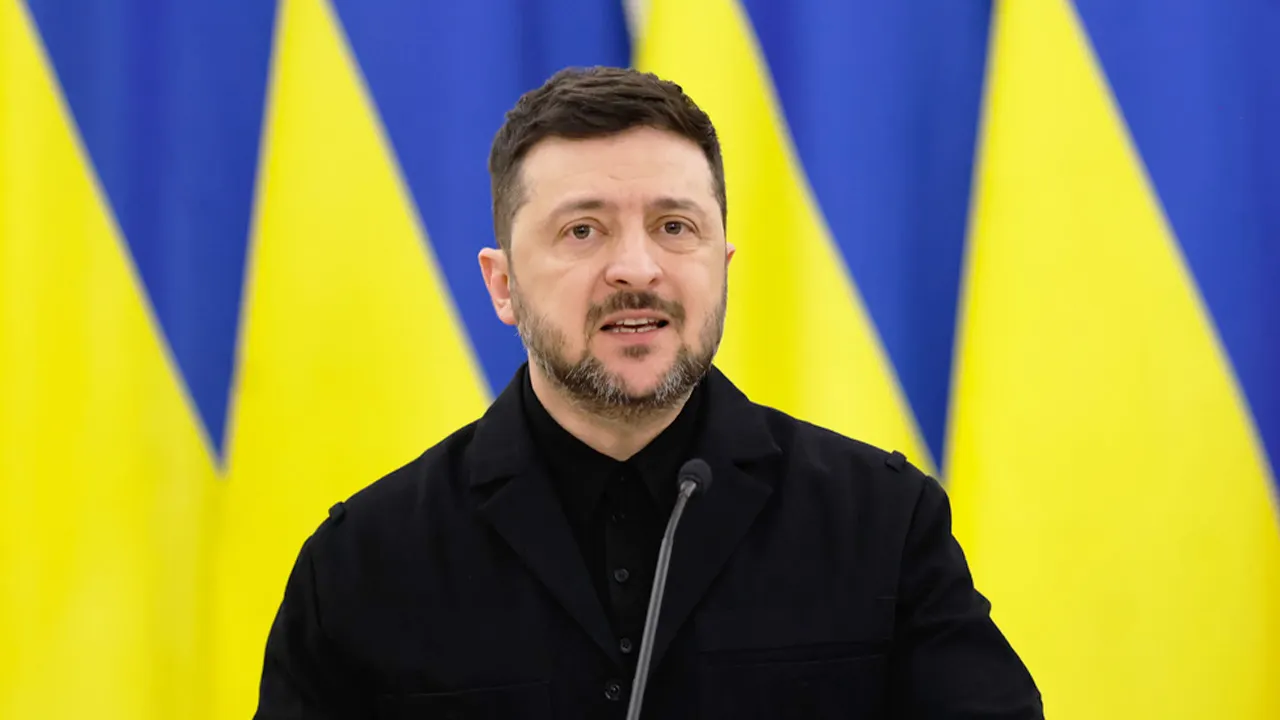
In the heart of a bitterly unfolding crisis, Ukrainian President Volodymyr Zelenskyy stepped into the spotlight on Sunday, his voice carrying the weight of a nation yearning for respite. Through a heartfelt post on X, he unveiled plans for a fresh round of diplomatic talks—this time including Ukraine, the United States, and Russia—set to unfold in Abu Dhabi on Wednesday and Thursday. It’s a moment that stirs the soul, evoking images of families torn apart, children hiding in basements, and parents whispering prayers for an end to the gunfire that has echoed for nearly four years. Zelenskyy, ever the resilient figure with tired eyes and an unwavering posture, declared Ukraine’s readiness for “substantive discussion.” He emphasized his nation’s deep interest in forging a path toward a “real and dignified end to the war,” not just a band-aid solution but something restorative, healing the wounds inflicted on millions. This isn’t just about political maneuvers; it’s about reclaiming lives, homes, and futures from the shadows of conflict. As observers around the world watch, one can’t help but feel a pang of cautious optimism—could this bridge the chasm between empires at odds, bringing warmth to a frozen standoff? Yet, beneath the surface, the air is thick with the reality that trust is a fragile thread in international relations, especially when power plays overshadow human suffering. Zelenskyy’s words resonate like a plea from a father protecting his brood, reminding us that peace talks are more than talks; they’re lifelines for the ordinary people enduring the extraordinary. He knows the room in Abu Dhabi will be fraught with tensions, where every word could shatter illusions or build bridges, and his presence alone symbolizes the courage of a leader who refuses to let despair define his agenda. This announcement serves as a reminder that diplomacy, in its most human form, is about listening—not just to leaders, but to the cries of the civilians huddling in darkness. The global community holds its breath, wondering if these meetings will mark a turning point or another echo of unresolved grievances. In sharing this news, platforms like Fox News invite us to listen actively, to engage with stories that shape our world and tug at our shared humanity.
Russia’s Unyielding Onslaught Targets the Heart of Survival
As Zelenskyy’s call for dialogue rang out, Russia’s military machine hummed on, delivering what many describe as a merciless escalation against Ukraine’s vital lifelines. Across the war-torn landscape, Russian forces have ramped up their assaults on energy and logistics infrastructure, turning the conflict into a grueling test of endurance for the Ukrainian people. Picture the scene: families wrapping themselves in layers of blankets, rationing firewood, their breaths visible in icy air as power lines snap under the weight of incoming strikes. This isn’t mere strategy; it’s a calculated torment, exploiting the season’s cruelty to amplify the agony of daily life. Civilians, who just months ago might have dreamed of holidays or simple joys, now face dark nights without heat or light, their resilience put to the ultimate test. Ukrainian officials have long accused Moscow of weaponizing winter, striking power grids, heating systems, and water supplies in a bid to break the spirit of a populace that refuses to kneel. It’s a narrative woven into the fabric of suffering, where each blackout feels personal—a blow to parents tending to sick children or elders reminiscing about warmer times. Reports flood in of regions plunged into chaos, hospitals straining to keep generators roaring, schools shuttered without electricity for lessons or warmth. The human cost is staggering: lives disrupted not by accident, but by design, forcing Ukrainians to confront the raw brutality of modern warfare. This intensification underscores the stark divide between rulers in gilded halls and those bearing the brunt on the ground. As winter’s grip tightens, it humors the cruel irony that while leaders negotiate in climate-controlled rooms, ordinary folks fight an invisible enemy—the cold itself. Fox News captures these realities not as distant broadcasts, but as calls to empathy, urging listeners to tune in and feel the pulse of a nation standing tall against overwhelming odds.
The Bite of Winter: A Deadly Ally in Russia’s Arsenal
Winter’s arrival has turned Ukraine into a canvas of stark survival, with authorities predicting one of the harshest stretches yet, plunging temperatures to a bone-chilling minus-22 degrees Fahrenheit in some areas, as warned by Ukraine’s State Emergency Service. This isn’t just weather; it’s an amplifier of despair, where frostbite lurks around every corner and the simplest tasks become heroic feats. Imagine waking in a home shrouded in darkness, the air so cold it burns the lungs, searching for ways to keep loved ones alive amid the silence of failed infrastructure. Russia’s pattern of targeting energy systems throughout the nearly four-year conflict transforms this seasonal shift into a weapon of existential dread, aiming to sap the will of a people already battered by loss. Families huddle closer, sharing stories by candlelight, their laughter a defiant shield against the encroaching numbness. Elders recall winters past filled with festivity, now eclipsed by the roar of drones and the thud of missiles, each strike a reminder that vulnerability is the true battleground. Officials paint a grim picture: civilians shivering in makeshift shelters, children bundled in mismatched clothing, their wide eyes reflecting not just fear, but an unbreakable hope. It’s a human tragedy unfolding in real-time, where the cold becomes a silent aggressor, colluding with military might to test the limits of endurance. Yet, amidst this freeze, Ukrainians’ spirit endures—a testament to their collective fortitude, drawing strength from community bonds forged in adversity. This chapter of the war highlights the ethical abyss of using nature’s fury as an extension of warfare, prompting global reflections on humanity’s capacity for cruelty and kindness alike.
Trump’s Diplomatic Dance: Promises and Pauses Amid the Frost
Enter President Donald Trump, stirring the pot with claims that inject a dose of unpredictability into the icy narrative. Late last week, Trump revealed during a White House Cabinet meeting that he had personally appealed to Russian President Vladimir Putin for a temporary halt to strikes on Kyiv and other cities, citing the “extraordinary cold” as grounds for mercy. “I asked President Putin not to fire on Kyiv and the cities and towns for a week during this … extraordinary cold,” Trump stated, framing Putin’s alleged agreement as a diplomatic olive branch. This revelation paints Trump as a broker in a high-stakes drama, his words carrying a blend of conviction and flair, much like a showman unveiling a plot twist. For those following the saga, it evokes a mix of curiosity and skepticism—was this a genuine step toward humanity, or political theater on a global stage? Trump’s invocation of the cold as a catalyst for pause humanizes the dialogue, acknowledging the tangible misery of frosted landscapes and desperate civilians. But the White House’s silence on specifics—timing, scope, or enforcement—leaves a void filled with doubt, as if the promise dangles tantalizingly just out of reach. Ukrainians, accustomed to the sting of broken assurances, view this cautiously, their trust eroded by the relentless barrage. It raises personal questions for global audiences: What motivates a leader to intercede on behalf of the vulnerable? Is it altruism, strategy, or ego? Trump’s role adds layers to the story, transforming news into a character-driven tale of power and compassion.
Obstacles and Skepticism: Zelenskyy’s Candid Truths
Despite the buzz of pending talks and claimed pauses, Zelenskyy sounded a note of measured realism on Thursday, highlighting persistent roadblocks to any lasting peace. Key among them: the fate of occupied Ukrainian territories and Russia’s insatiable demands for lands it hasn’t even seized—a territorial greed that undermines the very notion of fair negotiation. It’s a painfully human dilemma, where leaders grapple with concessions that could cost lives or identities, forcing families to weigh ancestral ties against the sirens of conflict. Zelenskyy recounted fresh strikes on energy facilities in multiple regions, his tone laced with frustration yet fortified by resolve. While no overnight assaults hit, Russian drones and missiles persisted, peppering residential neighborhoods and logistics hubs, each impact echoing as a reminder of incomplete ceasefires. Conversing with reporters, Zelenskyy questionedMoscow’s sincerity, bluntly stating, “I do not believe that Russia wants to end the war. There is a great deal of evidence to the contrary.” This skepticism isn’t born of cynicism alone but of lived experience—the shattered schools, fallen heroes, and communities etched in trauma. It invites listeners to empathize with a leader caught between hope and harsh truths, his words a mirror for the doubt festering in millions of hearts. As the war nears its fourth anniversary on February 24, the path to peace feels littered with falsehoods, where every diplomatic gesture must be scrutinized against the backdrop of ongoing devastation. Zelenskyy embodies the weariness of a people, urging the world to act with clarity and intent.
Tuning In to the Human Story: Reflections and the Fox News Edge
In wrapping up this tapestry of tension and tentative progress, one can’t ignore the broader invitation to engage more deeply with these unfolding events. Platforms like Fox News shine a light on the personal dramas within the geopolitics, transforming cold headlines into stories that resonate with our shared vulnerabilities. As Zelenskyy heads to Abu Dhabi for those pivotal talks, the world watches, holding onto threads of hope while confronting Russia’s unyielding resolve. Trump’s interventions add a layer of intrigue, humanizing the chessboard of international relations through personal appeals and purported concessions. Yet, the recurring strikes amid promises of pause remind us of the enduring toll—lives on hold, identities in flux, and a continent straining under the weight of conflict. Downloading the Fox News app becomes more than a convenience; it’s a conduit for staying informed, letting us “listen” to these narratives in auditory form, fostering empathy in an age of division. The Associated Press’s contributions enrich this reporting, ensuring a panoramic view. Ultimately, this saga urges reflection: In a world of escalations and negotiations, how do we protect the human spark amidst the storm? Zelenskyy’s doubts echo as a call to truth, inviting us all to champion dignity over devastation. Stay tuned, stay connected, and remember—the voices from the frontlines deserve our attentive ears.