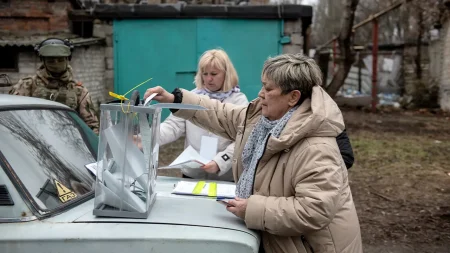






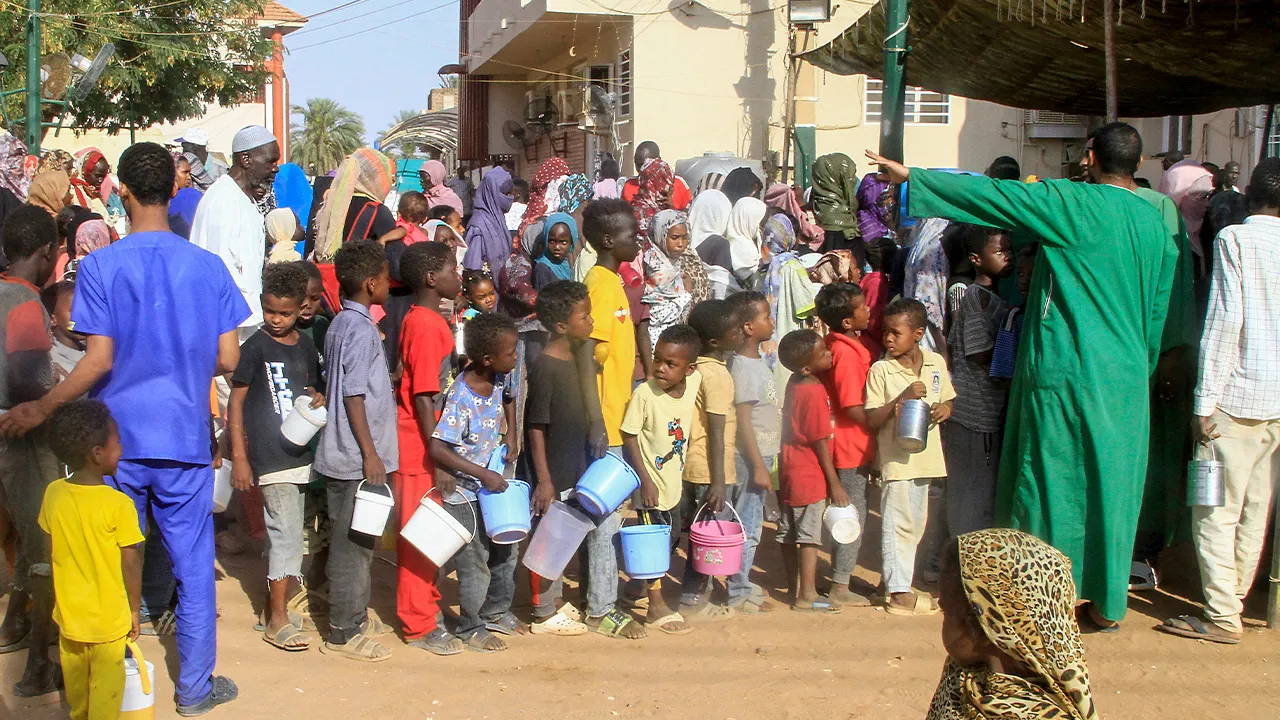
Across the globe, from the dust-choked roads of Sudan to the besieged, rubble-strewn alleys of the Gaza Strip, millions of innocent civilians are trapped in a terrifying state of survival, navigating a world where the very systems designed to protect them are buckling under unprecedented weight. Hospitals, once regarded as sacred sanctuaries of healing protected by international law, have increasingly become targets of military aggression, while the global humanitarian aid system struggles to keep pace with the sheer volume and velocity of contemporary emergencies. According to a landmark report published in the prestigious medical journal The Lancet, the traditional architecture of global aid is no longer fit for its intended purpose. Dr. Paul Spiegel, a co-author of the report and a distinguished professor at Johns Hopkins University, shared a somber warning, noting that after more than thirty years of working on the frontlines of refugee camps and war zones, he believes humanity has entered an extraordinarily dark era. The expert panel behind the report, titled “Health in a World of Crises and Impunity,” highlights a tragic and frustrating paradox: while the international community possesses the scientific knowledge, resources, and clinical expertise required to save countless lives, systemic failures, political paralysis, and a growing culture of impunity are preventing this vital assistance from reaching the people who need it most.
To truly comprehend the depth of this crisis, one must look beyond the sterile statistics and gaze directly into the human reality of modern conflict zones. In Sudan, a brutal and largely forgotten civil war has forcibly displaced over twelve million people, transforming entire communities into wandering populations desperate for basic sustenance, clean water, and shelter as famine spreads relentlessly across the country. Meanwhile, in Gaza, the civilian population faces a catastrophic collapse of basic services, where medical workers are forced to treat horrific injuries with dwindling supplies while navigating a highly complex security environment that threatens their daily survival. The tragedy of these situations is compounded by the fact that the suffering is not caused by a lack of global wealth or medical innovation, but by a modern style of warfare that increasingly ignores humanitarian boundaries. When aid convoys are blocked by political red tape and medical facilities are treated as collateral damage, the concept of humanitarian neutrality begins to dissolve. This degradation of international norms leaves millions of vulnerable families stranded in a lawless void, exposing the uncomfortable truth that our current global safeguards are failing to protect the basic human right to survive.
The root of this systemic failure lies deep within the bureaucratic machinery of our international institutions, which have become too slow, risk-averse, and politically compromised to address fast-moving emergencies. Many of the world’s premier aid organizations, including various agencies within the United Nations, were designed in the mid-twentieth century to handle interstate conflicts with clear lines of authority, making them poorly equipped for the chaotic, asymmetric, and politically polarized crises of the twenty-first century. The Lancet report paints a picture of an aid system bogged down by endless administrative processes, excessive overhead costs, and diplomatic hesitations that paralyze decisive action on the ground. While bureaucrats in comfortable offices debate funding allocations and security protocols, families in active conflict zones are left to perish from preventable diseases, malnutrition, and untreated trauma. The slow response of these massive institutions has created a dangerous gap between the immediate needs of suffering populations and the actual delivery of life-saving interventions, proving that without deep structural reform, the world’s most vulnerable will continue to pay the ultimate price for institutional inertia.
Adding to this complex landscape is the politicization of international aid, where life-saving assistance is frequently used as a tool for geopolitical leverage or subjected to sudden domestic policy shifts. The report specifically examines the destabilizing consequences of political decisions made by donor nations, pointing to the Trump Administration’s abrupt restructuring of the United States Agency for International Development (USAID) amid allegations of fraud and mismanagement. While Dr. Spiegel and other experts acknowledge that USAID and the United Nations are in desperate need of reform, they argue that the sudden dismantling and folding of critical humanitarian programs into foreign-policy-driven bodies like the State Department created a massive shock to the global aid pipeline. When funding and resources are suddenly restricted or redirected based on shifting political winds rather than human need, it is the most vulnerable populations who suffer the immediate consequences. This weaponization of humanitarian resources represents a profound moral failure, demonstrating what happens when national political agendas take precedence over our collective ethical duty to protect human lives.
To dismantle this cycle of despair, the authors of the Lancet report propose a fundamental rebalancing of the global humanitarian model, starting with a dramatic shift toward local empowerment and direct funding. For decades, the traditional top-down approach has filtered billions of dollars through massive international organizations, leaving local non-governmental organizations and community leaders, who understand the cultural and physical landscape of their regions best, with only a tiny fraction of the resources. By directing funding straight to these courageous, on-the-ground responders, the global community can foster more resilient, agile, and culturally appropriate emergency operations. Furthermore, the report calls for an end to the culture of impunity by demanding strict accountability for governments and armed factions that deliberately block aid, starve populations, or target medical staff. Establishing strong legal and economic consequences for these violations is essential for restoring the integrity of humanitarian space, transforming aid from a passive act of charity into a protected right under international law.
Ultimately, solving this crisis requires more than just logistical adjustments and administrative reorganizations; it demands a profound revival of human empathy and a shared moral commitment to our global community. Reflecting on his several decades of service in some of the world’s most challenging environments, Dr. Spiegel’s words serve as an urgent appeal to the conscience of a distracted global public. We cannot allow ourselves to become desensitized to the images of starving children in Sudan or destroyed hospitals in Gaza, nor can we accept systemic failure as an inevitable reality of modern geopolitics. Treating healthcare and survival as non-negotiable human rights is the first step toward rebuilding a compassionate international architecture that prioritizes human dignity above political strategy. By stripping away the bureaucratic barriers, standing up to political self-interest, and empowering those on the front lines, we can build a humanitarian system that truly serves the vulnerable, proving that even in our darkest moments, human compassion can still prevail.