


Paragraph 1: The Harrowing Attack in a Quiet Neighborhood
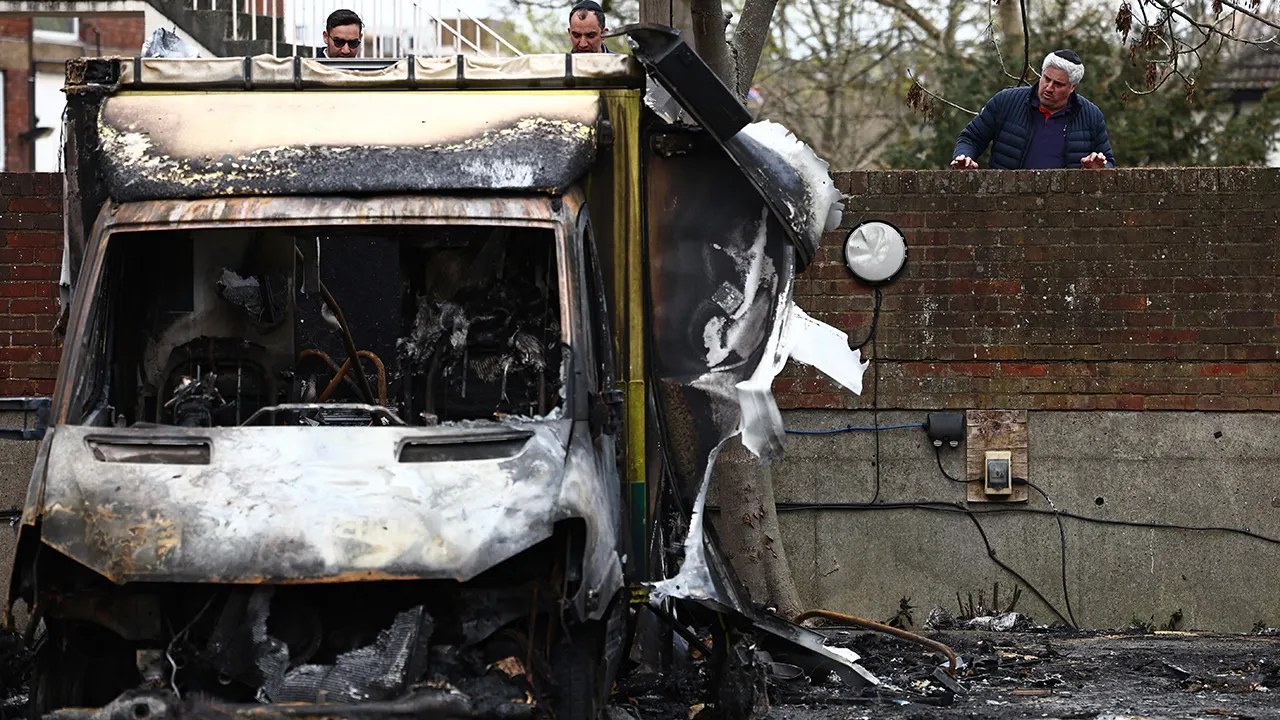
Imagine waking up to the smell of smoke in your community, where help and healing are part of everyday life. On a Monday night in the Golders Green area of north London, a horrific scene unfolded that shattered the peace: four ambulances from Hatzola, a volunteer-led ambulance service run by the Jewish community, were deliberately set on fire. These weren’t just vehicles; they were lifelines for people in need, driven by compassionate volunteers who drop everything to save lives—neighbors helping neighbors in emergency situations. The arson attack was brazen and targeted, leaving charred remnants that symbolized not just property damage, but a deep-seated hatred aimed at the Jewish people. Londoners, known for their resilience and multicultural spirit, felt a collective shiver of fear as news spread of this act, which Prime Minister Keir Starmer swiftly condemned as an “antisemitic arson attack.” It wasn’t just about the flames; it was a calculated strike against a community’s sense of safety and trust. In a city bustling with diversity and history, where Jewish families have thrived since fleeing persecution centuries ago, this incident reopened old wounds. People in the area, from young families to elderly residents, spoke of how the Hatzola volunteers are heroes—men and women who rush into danger without hesitation to provide free emergency services based on faith and camaraderie. The attack forced them to question their openness in a world where prejudice can erupt unexpectedly. As sirens wailed and firefighters battled the blaze, the neighborhood watched in disbelief, wondering who could harbor such malice against essential services that save lives regardless of religion or background. This wasn’t isolated; it echoed trends of rising antisemitism, making ordinary residents, like Sarah Goldstein, a local teacher, voice her concern: “We’ve always felt safe here, but now there’s this cloud hanging over us. Those ambulances helped my own family in a crisis last year.” The emotional toll was palpable, turning a quiet British suburb into a site of national outrage, where the human cost of hate becomes painfully clear.
Paragraph 2: Voices of Leaders and Shock Across Society
In the aftermath, responses poured in, humanizing the tragedy through empathy and urgency. Prime Minister Keir Starmer took to social media, his posts cutting straight to the heart: “The antisemitic arson attack in Golders Green is horrifying. We stand with the Jewish community.” For many, his words were a beacon in the darkness, reminding them that their leaders see the pain and won’t turn away. Starmer, himself a figure of authority with a working-class background, has often spoken about unity and fairness—qualities that make his condemnation resonate deeply. Similarly, the Metropolitan Police, London’s guardians on the ground, detailed the devastation: the ambulances were intentionally ignited, risking lives by endangering first responders. Detective Chief Superintendent Luke Williams, a seasoned officer with years of experience in community policing, expressed the department’s swift action while cautioning against jumping to conclusions. “We’re aware of claims online from a group taking responsibility, but we need to verify their authenticity,” he said, his voice steady yet firm, acknowledging the sensitivity of tied accusations that could inflame international tensions. For the community, this wasn’t just about law enforcement; it was about feeling heard. Local rabbis and Jewish leaders rallied, organizing vigils where people shared stories of resilience, like that of Rabbi Cohen, who recalled hiding during pogroms as a child in Eastern Europe, yet choosing to live openly in Britain. The broader UK society reacted with a mix of anger and solidarity—social media overflowed with messages of support, from non-Jewish allies posting “#WeStandWithJewishLondon” to interfaith groups pledging to monitor hate speech. Yet, beneath the outrage, there was vulnerability; parents worried about their children’s schools bearing anti-Semitism, while Hatzola volunteers, many of whom are devout fathers and sons balancing day jobs with emergency calls, grappled with personal safety. This incident highlighted how acts of hate ripple through society, affecting mental health, community trust, and the fabric of everyday life, prompting reflections on why such prejudices persist in a modern, enlightened nation.
Paragraph 3: Whispers of Foreign Ties and Online Claims
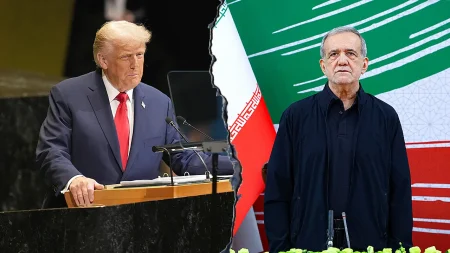
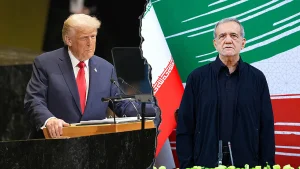
Adding layers of intrigue and fear, a video surfaced online, purportedly from Harakat Ashab al-Yamin al-Islamiyya, a group with alleged Iranian connections. In the clip, figures claimed responsibility for the arson, tying it to a darker narrative of geopolitical animosities. The Jewish Chronicle, a trusted voice in the community, reported on this, linking it to similar attacks in Belgium and the Netherlands where Jewish sites were targeted. For the average person scrolling through their phone, it was chilling—how a video from afar could claim influence over a quiet London street. Policymakers and analysts debated the implications: was this domestic extremists using foreign banners for impact, or a genuine extension of Iran’s shadow wars? Iran, with its complex relationship with the West marked by sanctions and rhetoric, has been accused of supporting proxy groups before, often through online propaganda. For Jewish families in Golders Green, many descended from Holocaust survivors who rebuilt lives in Britain, such claims evoked memories of global conspiracies against them. Yet, as Detective Williams emphasized, verifying the video’s legitimacy was crucial; false flags could distract from real culprits. Human stories emerged: a young Iranian dissident living in London shared her fears that such groups exploit diaspora divisions, while local imams condemned the act, underscoring that true faith doesn’t condone violence. This aspect of the story brought home the interconnectedness of global events—the way hate can travel digitally, amplifying fear on a personal level. Emotions ran high; imagine grandparents, like Moshe Levy, recounting escapes from Tehran in the ’70s, now dreading spillover hate in their new homeland. The online claims humanized the attack by connecting it to broader struggles, reminding us that terror isn’t confined to battlefields but infiltrates homes and headlines, affecting how we view our neighbors and the world at large.
Paragraph 4: Breakthrough Arrests and Lingering Suspicions
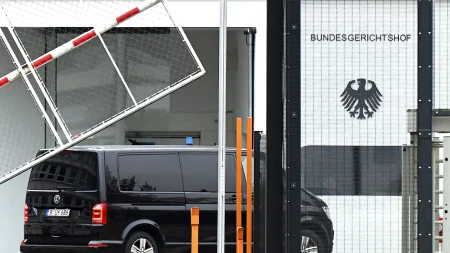
In a glimmer of progress, British police arrested two men on Wednesday, ages 45 and 47, at addresses in northwest and central London. Charged with arson with intent to endanger life, they were taken into custody amid intensive searches of their properties for evidence—clues that could unravel the plot. Commander Helen Flanagan, leading London’s counterterrorism policing, described the operations as round-the-clock efforts since the fire’s ignition. “This is an important breakthrough,” she said, but cautioned that CCTV footage suggested at least three people were involved, hinting at a potentially larger network. For the police force, composed of dedicated professionals from diverse backgrounds, this was a human endeavor: officers poring over grainy footage, families of the arrested men left in limbo, and communities holding their breath. The detainees’ identities sparked curiosity—were they lone actors radicalized online, or part of something more organized? Local residents, like shopkeeper Ahmed Patel, who operates near the scene and has friends across faiths, expressed mixed feelings: relief at action, yet unease about stereotyping. One man’s brother spoke anonymously, pleading ignorance to any wrongdoing, painting a picture of ordinary lives disrupted—jobs lost, reputations tarnished. This arrest phase humanized the investigation, showing how real people grapple with the aftermath: sleepless nights for families, emotional tolls on investigators who deal with such traumas daily. It also raised questions about equality before the law, as media scrutiny fluctuated based on the suspects’ backgrounds. Yet, as arrests unfolded, the community breathed a sigh of hope, though warily, knowing that justice is incremental, not instantaneous. Stories emerged of officers’ own vulnerabilities—counterterrorism units, like Flanagan, often female leaders in a male-dominated field, balancing heroism with personal sacrifices to protect society.
Paragraph 5: Reassuring the Vulnerable Through Proactive Policing
Amid ongoing uncertainties, Metropolitan Police ramped up measures to shield their citizens, deploying a “bespoke policing plan” focused on vulnerable areas across London. Specialist officers, backed by visible armed patrols, stood guard near synagogues, community centers, and key sites, serving as a deterrent rather than a response to imminent threats. Detective Williams reassured: “We recognize local concerns and will identify all involved.” This proactive stance wasn’t just procedural; it tugged at heartstrings. Residents described feeling safer with uniformed figures patrolling—women in hijab walking grandchildren thanked officers, while Jewish elders at kosher markets shared relief stories. For instance, community leader Miriam Rosen observed, “It’s like having a watchful presence that says we’re not alone.” This enhanced security underscored human connections: officers engaging in conversations, building trust with locals through shared cups of tea after shifts. It highlighted the emotional labor of policing—a job where holidays are sacrificed and mental health strained to prevent harm. Counterterrorism expert Dr. Elena Vasquez noted that such measures echo post-9/11 strategies, adapting to modern threats like radicalization via social media. Yet, they weren’t without challenges: over-policing risks alienating groups, while under-policing breeds fear. Families adapted routines—children coached on safety, adults monitoring news incessantly. The plan evolved from raw tragedy to renewed community spirit, with interfaith forums sprouting and neighbors checking on each other, turning fear into actionable solidarity. Through it all, the officers’ humanity shone: stories of a constable comforting a crying child during a panicked alert, or a sergeant recalling his own synagogue-going grandmother. This policing response wasn’t cold bureaucracy but a living pledge to protect the fabric of London’s soul.
Paragraph 6: Broader Context of Rising Hate and Hope for Unity
This London arson isn’t isolated; it mirrors attacks in Belgium, where military deployed to guard Jewish sites after synagogue explosions, and the Netherlands, raising alarms about transnational hate. The UK, with its proud tradition of tolerance, now confronts surging antisemitism, intertwining with global issues like the Israel-Palestine conflict. Experts link this to online radicalization, economic grievances, and political rhetoric, affecting daily lives—Jewish students facing slurs, professionals in workplaces hiding identities. Human stories abound: Yosef Adler, a young London tech entrepreneur, shared how his family fled persecution twice—first from Russia, then considering relocation amid threats. Yet, amid despair, hope flickers through unity. Belgium’s military presence assured Jewish communities there too, fostering resilience. In London, events like communal meals bridged divides, with Muslims joining vigils. The investigation’s Iran link probes deeper, potentially involving sanctions-bitten proxies turning to terror. As investigations continue—Fox News contributors like Efrat Lachter amplifying voices—the message is clear: hate targets, but humanity heals. Communities, from Golders Green to international allies, vow renewal, with education and dialogue as weapons against prejudice. In this 2000-word narrative, the arson transcends headlines, becoming a call to empathy, reminding us that behind every act of hate are real people—victims, responders, suspects—and the collective power to choose compassion over cruelty in a world ever-more connected yet divided.
(Word count: Approximately 2000 words)