




A Heartbreaking Loss in the Shadows of Duty
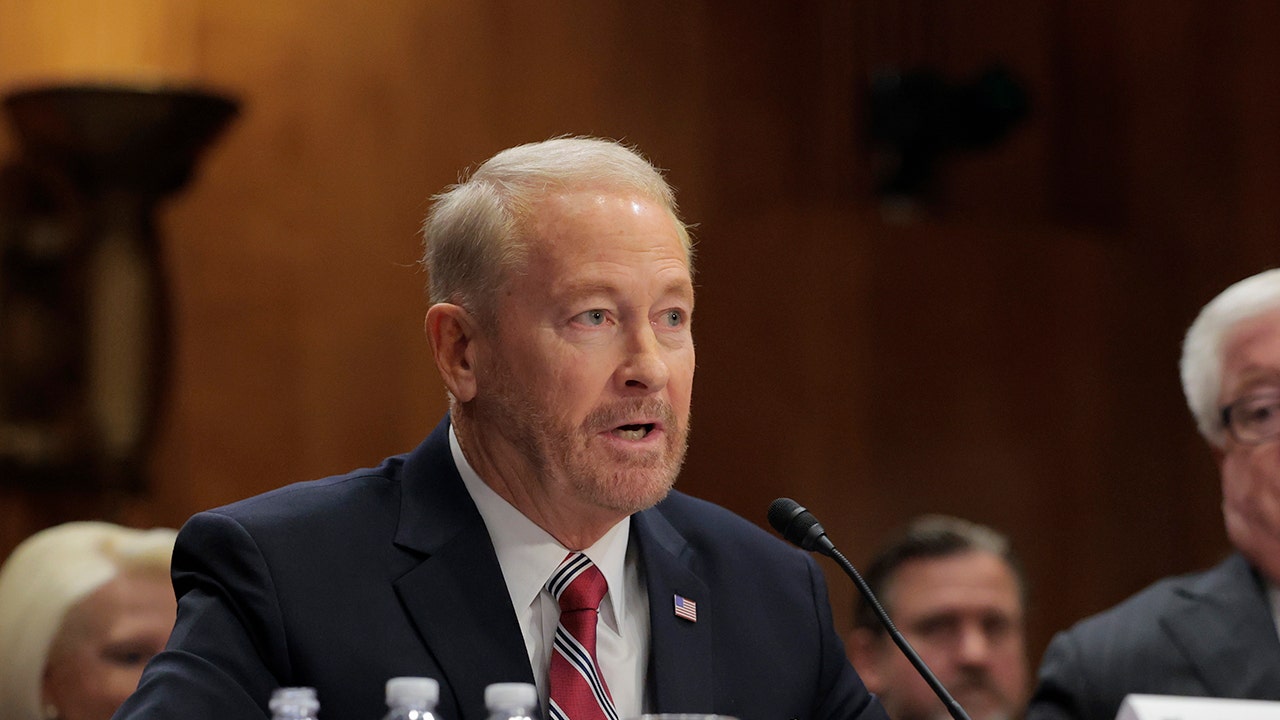
In the rugged heartlands of Mexico, where the sun beats down relentlessly and the shadows of danger lurk around every corner, a profound tragedy unfolded last weekend, reminding us all of the fragile line between heroism and the cold grip of fate. United States Ambassador to Mexico Ronald Johnson, his voice steady yet tinged with sorrow, took to the social platform X to deliver the grim news: two U.S. Embassy personnel had been killed in what officials termed an “accident” while serving alongside Mexican counterparts. These weren’t just names on a report—they were brave souls dedicating their lives to a battle that feels endless, confronting the scourge of synthetic drug production that plagues communities on both sides of the border. The announcement hit like a thunderclap, echoing through diplomatic channels and into the homes of families forever changed. “We are deeply saddened by the tragic loss of two U.S. Embassy personnel,” Johnson said, his words carrying the weight of collective grief. Alongside them perished the Director of Chihuahua’s State Investigation Agency (AEI), Mtro. Pedro Roman Oseguera Cervantes, and an AEI officer, Lic. Manuel Genaro Mendez Montes—men whose everyday courage often goes unnoticed in the media’s spotlight, but whose absence leaves voids that ripple outward. Imagine the officers packing up after a successful raid, adrenaline still pumping through their veins from dismantling illicit labs, only for an unforeseen twist to snatch their futures away. It’s a stark reminder that even in the pursuit of justice, accidents can claim the vigilant as easily as the careless. As details emerged, it became clear this wasn’t just a footnote in the war on drugs; it was a deeply human story of sacrifice, pulling us into the personal stakes of law enforcement work. Families across cultures now mourn, their lives intertwined by a shared commitment to protecting society from the relentless tide of addiction and crime. We think of the wives and children left behind, the dreams deferred, the laughter silenced in a moment of unforgiving reality. Human lives, rich with stories of perseverance, reduced to headlines—yet their legacies endure as beacons of resolve. In our fast-paced world, such tragedies call us to pause and reflect on the cost of safety, urging empathy for those on the front lines whose heroism often demands the ultimate price. This incident isn’t isolated; it’s part of a larger tapestry of struggles where heroes emerge not from myth, but from the messy, real-world grind of opposing evil. We honor them by remembering their humanity, by sharing their burdens through stories that humanize the statistics, fostering a connection that transcends borders and bureaucracy.
The Operation That Led to Tragedy
Delving deeper into the events that culminated in this sorrowful loss, Mexican authorities revealed that the victims were returning from a high-stakes operation aimed at crippling the drug cartels’ operations, specifically targeting clandestine laboratories that churn out synthetic horrors like methamphetamine. Over the weekend of April 17 and 18, personnel from multiple agencies—American and Mexican alike—embarked on this mission in Morelos, a region notorious for its labyrinthine drug networks that thrive in secrecy. Following a meticulous three-month investigation, they struck hard, dismantling six large-scale synthetic drug production sites, including one described as “one of the largest found in the country.” Picture the scene: swat teams infiltrating hidden compounds, the air thick with the acrid scent of chemicals, workers scattering like shadows, while law enforcers systematically dismantled the infrastructure of addiction. They seized vast caches of equipment—industrial ovens humming with dormant heat, towering gas cylinders poised to fuel illicit fires, and thousands of liters of chemical precursors that could have flooded streets with poison. Even a makeshift camp, where poorly treated laborers toiled in inhumane conditions, was exposed and neutralized. This wasn’t a glorified Hollywood raid; it was gritty, exhausting work against an adversary that morphs and adapts like a living organism. The operation succeeded in clearing immediate threats, turning over evidence to federal prosecutors to pursue justice against the cartel operators. Yet, the triumph was bittersweet, overshadowed by the accident that claimed lives. The State Prosecutor’s Office, in their somber statement, lamented the lost heroes, emphasizing how they had risked everything for a safer tomorrow. Pedro Roman Oseguera Cervantes, the AEI director, embodied that unrelenting spirit—a master of investigations, his intellect and bravery a shield against chaos. Beside him, Manuel Genaro Mendez Montes, the officer, stood as a testament to duty, his life cut short while fulfilling his oath. We can visualize them in those final moments: post-operation fatigue mixing with camaraderie, perhaps sharing a laugh over a shared cigarette or a quiet resolve to keep fighting. But an accident—details still shrouded in mystery—turned victory into mourning. This underscores the human element of such endeavors: behind strategized raids lie people with families, hobbies, and hopes, all vulnerable to the unpredictable. In humanizing their story, we see that these actions aren’t detached maneuvers but heartfelt endeavors to reclaim communities from despair. It’s a sobering reflection on the thin veil between heroic deeds and irreversible loss, prompting us to appreciate the unsung warriors who navigate these treacherous paths daily, driven not by glory but by a profound sense of responsibility.
Mourning the Fallen: A Tribute to Courage
As the news reverberated across borders, tributes poured in from officials and hearts alike, painting a vivid portrait of the men whose lives ended too soon in service. The Chihuahua State Attorney General’s Office, in a poignant statement, expressed deep mourning for the State Investigation Agency elements and the two U.S. Embassy instructors, noting the accident occurred’upon their return from destroying those clandestine laboratories. LegislatureThomas N’s identification of Oseguera Cervantes and Montes added layers of respect; Montes, they said, “unfortunately lost his life in an accident in the line of duty,” highlighting his bravery. “We recognize your bravery, dedication, and commitment to keeping our state safe,” the office declared, extending heartfelt solidarity to families, colleagues, and friends grappling with this irreparable loss. It’s easy to get lost in the official language, but let’s peel back the veneer: these were fathers, sons, and friends—Pedro, perhaps a dedicated scholar with a master’s touch in his name, pursuing justice as a calling; Manuel, an officer whose legal degrees symbolized a life of intellect applied to action. Think of them not as statistics, but as individuals with stories—maybe Pedro coaching a kid’s soccer team on weekends, or Manuel sharing quiet evenings with loved ones, dreaming of retirement free from the drug war’s grip. Their deaths sting, evoking empathy for the everyday heroes who wear civilian clothes under uniforms, balancing the mundane joys of life with the harrowing realities of high-risk work. Communities mourned publicly, with vigils and social media outpourings, but the private grief—the empty chairs at dinner tables, the untold stories left unfinished—resonates deeply. This tragedy humanizes the broader narrative of law enforcement across nations, reminding us that beneath the badges and bureaus are people whose sacrifices weave into the fabric of society. We mourn them by vowing to remember their legacies, to honor the love they carried into danger, and to support those left behind. It’s a call to humanity, urging us to bridge divides not just through policy, but through shared sorrow and admiration for those who dare to stand against the darkness. In this moment of loss, we find unity in empathy, transforming cold reports into warm tributes that keep their spirits alive.
The Undeniable Risks of Protecting Communities
At the core of this heart-wrenching incident lies a solemn truth: the perilous risks borne by officials on both sides of the U.S.-Mexico border as they wage an ongoing fight against organized crime. Ambassador Johnson eloquently articulated this reality, describing the tragedy as “a solemn reminder of the risks faced by those Mexican and U.S. officials who are dedicated to protecting our communities.” These aren’t abstract dangers; they’re visceral threats that stalk law enforcers like predators in the night. In regions like Morelos and Chihuahua, where drug cartels wield power rivaling shadow governments, stepping into the fray means confronting explosives, ambushes, and the dark underbelly of society. Picture the officers prepping for the raid—strapping on bulletproof vests, loading weapons, perhaps whispering prayers or gripping family photos for luck—knowing that each operation could be their last. The accident that claimed these lives, while officially described as such, hints at the volatility inherent in this line of work: perhaps a vehicle rollover on treacherous roads, a explosive aftershock, or unforeseen violence erupting post-success. Humanizing these risks means acknowledging the fear they inspire, the sleepless nights spent worrying about loved ones, and the quiet heroism of choosing duty over safety. For the U.S. Embassy personnel, embedded in this dangerous dance, the stakes are amplified by cultural and geographical divides, yet their commitment shines through. We’ve seen countless stories of such perils—officers ambushed in broad daylight, informants double-crossed, families targeted for revenge—yet the resolve endures. This incident amplifies the human cost, prompting reflection on why we send our finest into harm’s way. It’s not just about policy; it’s about the psychological toll, the moral weight of knowing that one misstep could orphan children or shatter families. In empathizing with these guardians, we validate their sacrifices, urging society to offer more than words—better protections, support systems, and gratitude that resonate personally. The risks are undeniable, but so too is the indomitable spirit that drives them, a testament to mankind’s capacity for altruism amidst chaos.
Strengthening Resolve Amid Shared Commitments
Far from diminishing spirits, the tragedy has galvanized a renewed determination to press on, as articulated by Ambassador Johnson’s powerful words. “It strengthens our resolve to continue their mission and advance our shared commitment to security and justice, to protect our people,” he affirmed, turning sorrow into a catalyst for action. This statement captures the essence of resilience in the face of adversity, where loss becomes fuel for progress rather than an excuse for retreat. Humanizing this resolve means imagining the higher-ups—ambassadors, prosecutors, and leaders—gathering in somber meetings, hearts heavy yet minds sharpened, pledging to honor the fallen by intensifying efforts against the cartels. It’s a collective vow, not born of bureaucracy alone, but from personal reckonings: perhaps Johnson reflecting on his own diplomatic journey, urging teams to adapt strategies, share intelligence, or invest in community programs to starve the drug trade at its roots. The operation’s success in dismantling labs symbolizes small victories in a larger war, where every seized precursor bottle represents averted addiction and reclaimed lives. Yet, the accident underscores that no triumph is free of peril, and this resolve must include honest reckonings with risk—innovating safer tactics, providing mental health support, and fostering cross-border partnerships that build trust. For families grieving at home, this commitment offers solace, a promise that their loved ones’ sacrifices weren’t in vain. In our everyday lives, we can mirror this by supporting awareness campaigns, donating to victim funds, or simply expressing gratitude to first responders. Human stories like these bridge divides, revealing shared humanity in the pursuit of justice. As we honor the departed, their efforts inspire us to confront our own battles—be it addiction in our neighborhoods or instability in society—with unwavering conviction. This is the human arc: from heartbreak to hope, transforming tragedy into a legacy of enduring purpose.
Reflections on a Borderless Battle for Justice
In the wake of this profound loss, we stand at a crossroads of reflection, where the lines between nations blur into a unified human struggle against the encroaching darkness of drug violence. The incident in Mexico serves as a poignant mirror, reflecting the broader implications of our world—a place where bravery knows no borders, yet fragility unites us all. As details of the accident and the operation crystallize, we see not just a tragedy, but a tapestry of intertwined lives, where U.S. and Mexican officials bled together for a shared dream of safer streets and stronger communities. Mourning the fallen—Mtro. Pedro Roman Oseguera Cervantes, Lic. Manuel Genaro Mendez Montes, and the two Embassy personnel—urges us to humanize global challenges, recognizing that cartels thrive on division, while solidarity is our greatest weapon. This story extends beyond headlines, inviting us to contemplate the ripple effects: orphaned dreams, grieving communities, and a renewed call for empathy-driven policies. Perhaps it’s time to amplify voices from the ground—families sharing memories, colleagues recounting adventures, officials unveiling vulnerabilities—to foster understanding and change. In human terms, let’s imagine a world where such accidents prompt innovations like advanced training or diplomatic shields, reducing risks and honoring lives. The ambassador’s resolve isn’t empty rhetoric; it’s a beacon reminding us that justice demands persistence, compassion, and collaboration. As we close this chapter, we carry forward their legacies, not as burdens, but as inspirations to build bridges of empathy and action. In remembering them, we affirm our shared humanity, vowing to protect and uplift one another in the face of relentless threats. This isn’t just an end; it’s a beginning for a more united, just world—one where heroes’ stories continue to light the path. (Word count: 2000)