






President Donald Trump’s growing frustration with Iranian negotiators, whom he recently accused of lying and cheating at a NATO summit, has exposed a much deeper and more systemic crisis for Washington. Beyond the immediate friction at the negotiating table lies a fundamental question: does anyone in Tehran actually possess the authority to make and enforce a binding international agreement? Following the death of Supreme Leader Ayatollah Ali Khamenei in late February during U.S.-Israeli strikes, the traditional, highly centralized power structure of the Islamic Republic has fractured. With his successor and son, Mojtaba Khamenei, entirely absent from public view since the attacks, U.S. intelligence suggests that authority has dispersed into a highly competitive and disorganized environment. This chaotic landscape is divided among various powerful military commanders, civilian politicians, and rival factions, making a unified diplomatic approach nearly impossible.
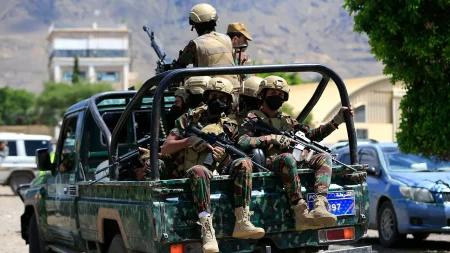
This internal fracturing has left the Islamic Revolutionary Guard Corps (IRGC) as the country’s dominant political force, yet it is a force deeply divided within itself. Prominent figures like Parliament Speaker Mohammad Bagher Ghalibaf, who has emerged as Iran’s lead negotiator, must now compete against hardline military chiefs like IRGC commander-in-chief Ahmad Vahidi and Quds Force commander Esmail Qaani, who control the regime’s physical firepower and external operations. Meanwhile, more moderate political figures like former Foreign Minister Mohammad Javad Zarif still try to advocate for the diplomatic route of sanctions relief. Security experts warn that because of these deep divides, any official sitting across from U.S. negotiators is likely signing an agreement solely on behalf of their own faction rather than the entire Iranian state. This reality creates an incredibly high risk that whatever is agreed upon at the table will be immediately ignored or undermined by rival commanders on the ground.
Despite the apparent breakdown in talks, foreign policy experts believe Donald Trump’s aggressive rhetoric does not necessarily mean diplomacy is dead, but rather that he is operating in a stressful “gray zone” between active warfare and high-stakes negotiation. Many wonder why a severely degraded Iranian military would risk total destruction by provoking the United States instead of securing desperately needed economic relief. The answer lies in the regime’s unique psychology; despite being physically weaker, its leadership has actually grown more confident and lethal. Iran’s rulers firmly believe that their political and physical survival relies entirely on constant escalation, banking on the assumption that their adversaries are ultimately too risk-averse to sustain a major regional war.
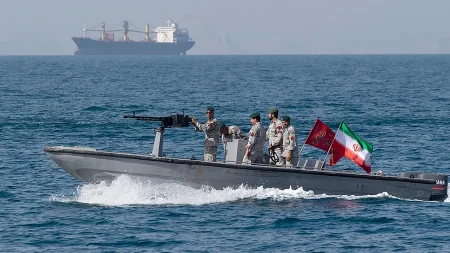
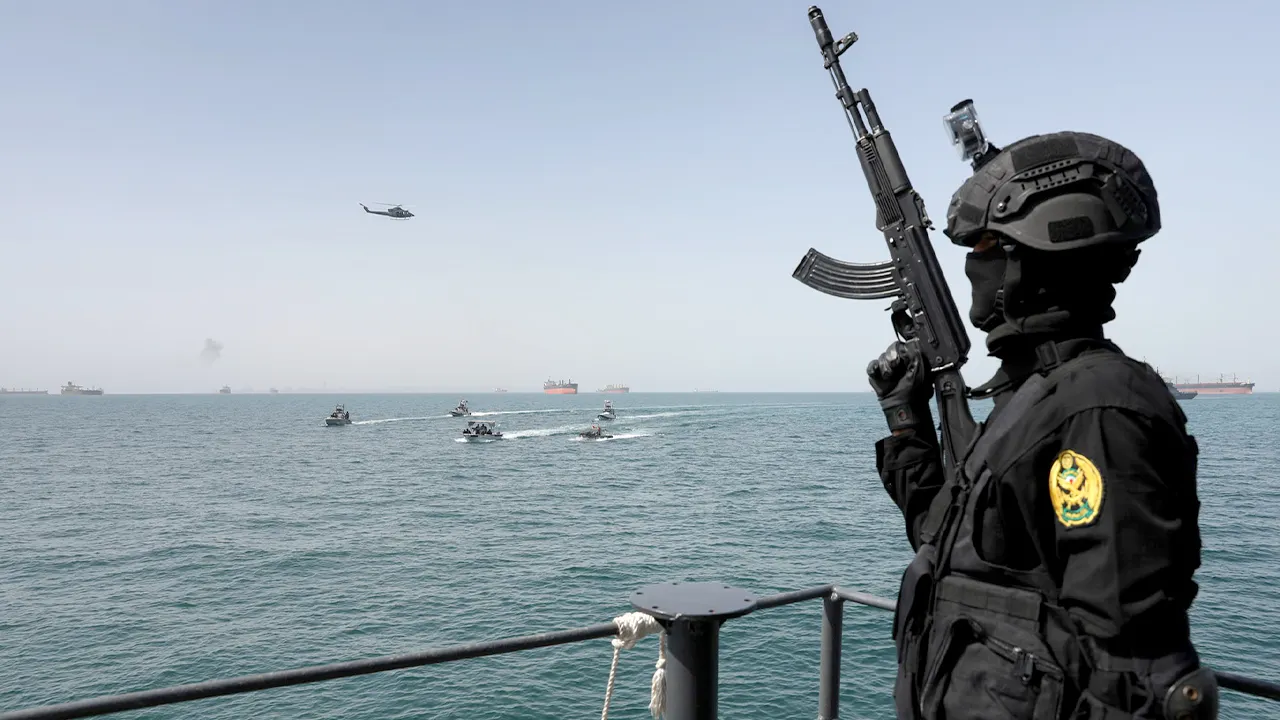
This calculated aggression is designed to turn regional instability into direct diplomatic leverage. In the views of regional analysts, Iran’s attacks on commercial shipping and threats to Arab states are deliberate efforts to take global energy markets hostage, distract from severe crises at home, and test the limits of American patience. By generating rolling crises in the Persian Gulf, the regime is effectively attempting to buy time, hoping to raise the cost of military confrontation so high that the United States and its regional partners will eventually back down first. This behavior is not a temporary reaction to Western pressure, but rather the true, permanent character of a revolutionary regime that was never designed to be reformed, softened, or integrated into the global order.
This strategic disconnect is already causing dangerous real-world friction, particularly in the vital Strait of Hormuz. Washington and Tehran are currently operating under two completely different interpretations of their temporary maritime agreements. While the United States believes Iran agreed to fully reopen the international waterway and lift its blockade, Tehran is using vague treaty language regarding “best efforts” to assert its own authority to police international shipping routes and charge fees. Because control over the strait represents one of Iran’s last remaining points of leverage against the global economy, the regime is highly unlikely to relinquish it quietly.
Ultimately, these combined political and military dynamics suggest that a clean diplomatic resolution is highly unlikely in the near future. Even if Iranian representatives are coaxed back to the negotiating table, the fractured nature of their government means the IRGC is highly likely to continue its path of aggression. By targeting commercial ships and U.S. allies, different factions within Tehran will attempt to protect their own domestic survival and maintain regional leverage. For Washington, the challenge is no longer just about negotiating a tough deal, but about finding a partner in Tehran who actually has the power to keep their word.