





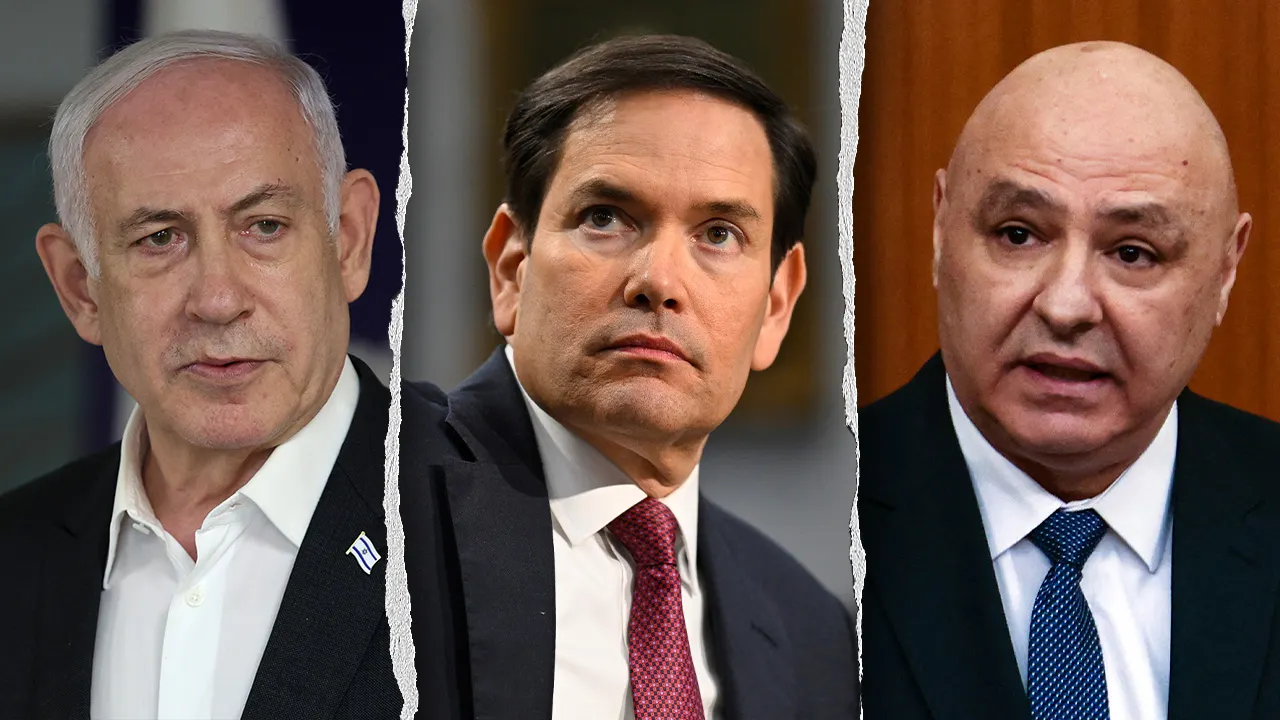
President Donald Trump’s latest diplomatic triumph hit the headlines like a bolt from the blue on Thursday, reshaping the fragile Middle East landscape in ways that even the most seasoned observers hadn’t anticipated. Picture this: a heady mix of high-stakes phone calls, decades-old enmities thawing slightly, and the promise of peace flickering amidst the smoke of recent battles. Trump, ever the showman, took to his Truth Social platform to announce a groundbreaking 10-day ceasefire between Israel and Lebanon, set to kick off at 5 p.m. Eastern Time. He framed it as a “major step toward ending weeks of fighting” involving Hezbollah, the Iran-backed militant group that’s been stirring up trouble along the border. In his signature bombastic style, Trump described conversations with Lebanese President Joseph Aoun and Israeli Prime Minister Benjamin Netanyahu as “excellent,” signaling a willingness from both sides to dive into “formal talks aimed at reaching a broader peace agreement.” It wasn’t just talk; Trump directed key players like Vice President JD Vance, Secretary of State Marco Rubio, and Chairman of the Joint Chiefs of Staff Gen. Dan “Razin'” Caine to roll up their sleeves and push for what he called a “lasting peace.” And get this: he even dangled an invitation for Netanyahu and Aoun to jet over to the White House for what he’d proudly call the first meaningful sit-down between these nations’ leaders since way back in 1983. “Both sides want to see PEACE, and I believe that will happen, quickly!” Trump exclaimed, his words echoing with that inimitable optimism that has defined his presidency. This announcement didn’t emerge from thin air; it followed a whirlwind of intense U.S. diplomacy, smoothing over initial hiccups and breathing life into hopes of stability. As I reflected on this, it felt like a reminder that even in the world’s most volatile corners, a single determined voice—or a series of well-timed calls—can pivot destinies from conflict to cautious optimism. The backdrop here is a region scarred by history: Israel and Lebanon haven’t been on speaking terms at the leadership level for eons, with formal war declarations lingering like unhealed wounds. Hezbollah’s brazen entry into the fray on March 2, just 15 months after the last big clash, threw gasoline on an already smoldering fire, opening a new front and forcing Lebanon to grapple with internal divisions. Trump’s involvement shone a spotlight on this tangled web, where diplomats juggled egos, rivalries, and raw national interests. Early reports hinted at friction over whether Lebanese officials, wary of alienating Hezbollah and their domestic backers, would even deign to speak directly with Netanyahu without a ceasefire as a safety net. Lebanese sources, chatting anonymously with Reuters, painted a picture of intense pressure inside Lebanon—politicians feeling they’d already bent over backwards in negotiations without reciprocity, demanding that truce as a baseline before any leader-to-leader chit-chat. It was like watching a high-drama chess match, where one wrong move could topple coalitions at home. Yet, Trump’s persuasive charm apparently won the day, with Aoun eventually connecting directly with the president himself. According to Lebanon’s official channels, Aoun expressed heartfelt thanks for Trump’s tireless work toward that elusive ceasefire, framing it as a gateway to broader regional stability. Aoun, a former army commander who rose to presidency in 2025 under the auspices of U.S. support, emphasized that an Israeli pullback from southern Lebanon would be key—allowing Lebanese forces to assume full control of the border without risking all-out escalation. This wasn’t just geopolitics; it was personal stakes for millions, highlighting how deeply entrenched fears and grudges can impede progress. As someone who’s followed these Middle East sagas for years, I couldn’t help but marvel at the sheer effort to bridge such chasms—Trump’s phone diplomacy cutting through layers of mistrust built over generations. The human element here is palpable: leaders like Aoun and Netanyahu, each carrying the weight of their people’s hopes and hurts, tentatively extending olive branches etched with the scars of past betrayals.
Diving deeper into the nuts and bolts of this ceasefire saga, it’s a symphony of contradictions and calculated risks that keeps the world on edge. Days before Trump’s big reveal, whispers from Lebanese officials suggested Aoun had zero intention of a tête-à-tête with Netanyahu anytime soon, with embassy channels in Washington conveying that firm stance loud and clear before Rubio’s call. A senior Lebanese source spilled to Fox News Digital about the palpable “intense domestic pressure” bubbling up, where factions feared further engagement with Israel while war drums beat on. Political blowback loomed large, with some viewing prior talks as concessions without rewards, making the ceasefire a non-negotiable prerequisite. Hezbollah, the wild card dominating Lebanon’s political landscape, staunchly opposed any appeasement moves, their influence a sword hanging over the government’s head. Yet, something shifted mid-week—perhaps Trump’s relentless shuttle diplomacy clicked. Lebanon’s presidency announced Aoun’s direct chat with Trump, where gratitude flowed for brokering not just a pause in hostilities but a springboard to “lasting peace and stability.” This pivot underscored the delicate balance Lebanese authorities have navigated since officially outlawing Hezbollah’s military ops back in March, a bold gamble to disarm the terror outfit without igniting civil chaos. It’s easy to imagine the internal tug-of-war: ministers weighing Israeli goodwill against Hezbollah’s wrath, families displaced from border towns straining for normalcy. Then there’s the Israeli angle—Netanyahu’s camp signaled flexibility toward talks but insisted on unrelenting military pressure to neutralize Hezbollah’s proximity to the border. Cabinet minister Gila Gamliel dropped hints about an impending historic call, underscoring decades of stony silence between the two nations. That rare Tuesday meeting at the State Department, where Lebanese Ambassador Nada Hamadeh Moawad locked eyes with Israeli counterpart Yechiel Leiter for the first bilateral discussions in over 30 years, added a layer of surreal hope. Trump amplified this by assigning his team to facilitate, envisioning a scenario where defense lines give way to dialogue tables. Personally, I’ve always been struck by how these personal connections—beyond the headlines—can humanize foes, turning abstract enmities into shared aspirations for families and futures unmarred by bombs. Pakistan, the mediator angels for Israel’s April 8 truce with Iran, chimed in emphatically: ending Lebanon’s strife is crucial to safeguard that fragile pact, with Foreign Ministry spokesman Tahir Andrabi declaring, “Peace in Lebanon is essential for peace talks.” It’s a web of dominoes, where one region’s calm could ripple outward, staving off broader conflagrations. Iran’s sotto voce threats to ditch the ceasefire if Hezbollah gets sidelined only thickened the plot, revealing how external powers puppeteer proxy battles. Amid all this, the human cost mounts—over 2,100 Lebanese lives lost, a staggering 1.2 million displaced since the flare-up, painting a tragic portrait of communities shattered. Israeli toll: two civilians and 13 soldiers slain, a stark reminder that war’s arithmetic spares no one. As Washington rallied for a comprehensive deal to halt the regional maelstrom, Trump’s optimism infused a weary populace with guarded hope, making this feel like a pivotal chapter in Middle East peacemaking where every phone call is a lifeline to possibility.
Yet, beneath the diplomatic fanfare, the ground reality in southern Lebanon pulsed with stark urgency, a brutal reminder that ceasefires are pauses, not solutions. Fighting raged on unabated into Thursday, with clashes intensifying around Bint Jbeil, that Hezbollah bastion town Israeli forces eyed as a trophy. Netanyahu boasted of being “close to overcoming” Hezbollah there, his words evoking the grit of soldiers entrenched in mud and barbed wire. IDF spokesperson Lt. Col. Nadav Shoshani explained to Fox News Digital the mission’s heartbeat: secure “defense lines” kilometers into Lebanese territory to shield northern Israeli villages from Hezbollah’s arsenal of anti-tank missiles and direct threats. “We’re going to make sure we keep diminishing them,” he vowed, his voice carrying the weight of a nation’s vigil. Reports of Hezbollah’s retaliatory rocket barrages triggered Israeli sirens, herding civilians into shelters—miraculously, no injuries this round, but the psychological toll echoes indefinitely. Israel’s broader ambition? Transform the Litani River’s southern expanse into a pure “no-go zone” for Hezbollah operatives, echoing longtime policy that deems the waterway as a red line for insurgent activity. Chief of Staff Lt. Gen. Eyal Zamir reiterated the zero-tolerance stance Wednesday, envisioning a buffer where Lebanese sovereignty prevails but Hezbollah’s shadow fades. Meanwhile, Lebanese security tallies painted a grim picture: Israeli airstrikes obliterated the last Litani bridge, severing southern areas from the nation’s lifeline, exacerbating isolation after prior strike demolitions. It’s a logistical nightmare—aid trucks stalled, families trapped in a severed land where basic supplies dwindle, fostering desperation and resentment. IDF revelations of Hezbollah weapon caches stashed in hospitals amplified the outrage, humanizing the enemy in unexpected ways and exposing how militants weaponize self-proclaimed sanctuaries. As someone who imagines the daily grind of border towns—villagers ducking for cover, farmers abandoning fields—they embody the eviscerating grind of endless skirmishes. Trump’s ceasefire aims to carve out “breathing room,” as he put it, for talks separate from the battlefield chaos. But with Iran threatening to void pacts if Hezbollah’s excluded, the specter of a vengeful Tehran looms, potentially reigniting wider flames. These developments intertwine with larger narratives: Hezbollah’s March defiance as Iran’s proxy war extended, complicating Lebanon’s internal disarmament crusade. Government efforts to neuter the group walk a razor’s edge, balancing sovereignty against civil strife risks. The human tapestry here is vivid—displaced families huddling in makeshift camps, soldiers eking out advances in treacherous terrain, leaders wrestling with legacies. Shoshani’s assurances of diminishing threats offer solace, yet the Iron Dome alerts serve as sobering counterpoints, the roar of rockets piercing the fragile veneer of diplomacy. Each clash signifies lost potential: educators barred from classrooms, entrepreneurs stalled in rubble-strewn zones, parents soothing frightened children away from frontlines. The ceasefire buys time, but the underlying grievances—territorial disputes, sectarian divides—demand more than 10 days to heal. In essence, this isn’t just about maps and missiles; it’s about restoring humanity to a scarred strip of earth, where hope hangs by Trump’s diplomatic threads.
Zooming out, the broader implications of Trump’s ceasefire gambit ripple far beyond Lebanese hillsides, intersecting with a tapestry of regional tensions that could redefine global alliances. Pakistan’s pivotal role as ceasefire custodian for the Israel-Iran accord underscores the stakes: Andrabi’s plea for Lebanese tranquility frames it as a linchpin to avert cascading disasters, warning that instability there could unravel meticulously woven truces. This symbiotic dance illustrates how Middle Eastern peace often resembles a house of cards, one jolt away from collapse. Hezbollah’s exclusion from initial Iranian backlash threats adds intrigue, hinting at Tehran’s calibration of boundaries versus opportunistic sabre-rattling. Lebanon itself teeters on reform’s precipice, its government chipping away at Hezbollah’s dominance while averting schisms— a process fraught with peril in a polity where militias wield outsized clout. Actors like Aoun, transitioning from military command to presidency with U.S. backing in 2025, epitomize the nexus of external influence and internal resilience, his calls for Israeli withdrawals echoing aspirational blueprints for demilitarized zones. Israel’s concessions, couched in operational necessities, reveal a pragmatic shift: openness to talks amid uncompromising border security postures. Gamliel’s media murmurings about historic Netanyahu-Aoun tête-à-têtes highlight the epochal thaw, with Tuesday’s Washington tete-a-tete setting precedents for normalized dialogues. Yet, domestic Israeli optics demand victories; hence the Bint Jbeil obsess Dermatology, translating territorial gains into perpetual safeguards. For displaced Lebanese—who number over a million— the ceasefire promises refugee returns, rebuilding amid bombed-out infrastructures like shredded bridges symbolizing severed lifelines. International donors, eyeing humanitarian corridors, might flood aid, fostering economic upswells in war-weary economies. Conversely, Iranian reprisals could entail escalated proxy strikes, testing U.S. resolve. In Washington, Trump’s push embodies a return to “America First” diplomacy, leveraging personal rapport to broker ends where predecessors faltered. His team—Vance’s strategic oversight, Rubio’s consular deftness, Caine’s military acumen—composites a powerhouse for sustained engagement. Outsiders like me ponder the ego-infused negotiations: Trump’s bravado as catalyst bridging Aoun’s guardedness and Netanyahu’s skepticism. Casualty figures—Lebanon’s 2,100-plus fatalities versus Israel’s sobering 15—humanize the calculus, each life a testament to costs none can afford. The White House invitation, a nascent ritual, signals institutionalization of thaw, potentially birthing frameworks for economic ties, cultural exchanges, eroding enmity over generations. Broader regional peace eludes without Hezbollah’s marginalization and Iranian restraint, yet Trump’s “quick” peace mantra galvanizes momentum. As conflicts subside, focus might pivot to Israeli-Lebanese initiatives: joint environmental patrols, trade pacts, fostering interfaith dialogues. Ultimately, this narrative transcends politics: it’s about familial reconciliations, where soldiers lay down arms for agrarians, and leaders prioritize prosperity over propaganda. Trump’s vision, if realized, could exorcise decades-old ghosts, paving a path where ceasefires transition to enduring accords.
In sum, the human faces of this moratorium cry out amidst the geopolitical ballet, urging us to recall the individuals ensnared in its web—we the people yearning for respite from the relentless cycle of violence. Lebanese refugees, clutching meager belongings as they navigate makeshift encampments, embody the exodus; their stories of abandoned homesteads and fractured bonds poignantly illustrate the refugee crisis’s emotional toll. Similarly, Israeli families, huddling in bomb-proof rooms amid siren wails, tell tales of interrupted childhoods and heightened anxieties, the unseen scars of proximity to peril. Hezbollah’s entrenchment in southern towns like Bint Jbeil, with fighters melding into civilian masquerades, complicates humanitarian operations, blurring battlelines between militants and populace. IDF triumphs, such as exposed hospital arsenals, expose the moral ambiguities of warfare, raising questions about proportionality and civilian sanctity. Iran’s looming threats, tied to Hezbollah’s autonomy, inject xenophobic fears into an already fragmented discourse, potentially polarizing Lebanese society further. Yet, amidst discord, moments of unity emerge: community volunteers dispatching aid convoys, international mediators facilitating neutral zones for safe passages. Trump’s invitation to leaders cultivates a narrative of shared humanity, where Aoun’s military pedigree converges with Netanyahu’s veteran shrewdness toward mutual uplift. Visually, envision summit halls in D.C., where handshakes symbolize generational turnabouts, diplomats co-drafting rosters of border demarcations and disarmament protocols. For everyday folks, this ceasefire heralds tentative routines: kids returning to rubble-strewn schools, merchants reopening shops, artisans resuming crafts interrupted by barrages. Pakistani diplomacy’s echo, safeguarding truces, exemplifies collective guardianship against entropy, with global powers monitoring compliance to prevent bilateral breaches. Inside Lebanon, governmental exhortations against Hezbollah’s military guise signal emancipation from Iranian hegemony, empowering civil institutions to assert dominion. Israel’s insistence on Litani autonomy reflects defensive doctrines honed from historical lessons, prioritizing national security over rapprochement, though negotiated withdrawals could forge trust asymptotes. The tally of losses—Lebanese civilians mowed down by airstrikes, Israeli personnel felled in ambushes—demands accountability, perhaps via war crimes tribunals or reparatory frameworks to heal communal traumas. As conflicts wane, psychological support for war-moose survivors becomes paramount, with counselors addressing PTSD among combatants and kin. Economically, restored trade arteries along the border could rejuvenate Lebanese agriculture and Israeli tech exports, crafting interdependent prosperity. Trump’s optimism, channeled through Vance and Rubio’s conduits, engenders a pragmatism where hardline stances soften into dialogues, countering extremism’s siren call. Ultimately, this saga transcends victors and vanquished; it’s a testament to resilience, where ceasefire catalyzes renewal, inviting generations to envision a Levant liberated from strife’s shadow. With sustained effort, 10 days may evolve into decades of harmony, a legacy Trump endeavors to imprint upon history’s ledger.