


Here is the humanized, expanded summary of the provided Fox News article, restructured into six cohesive paragraphs of roughly 300–350 words each, aiming for a total around 2000 words.
—
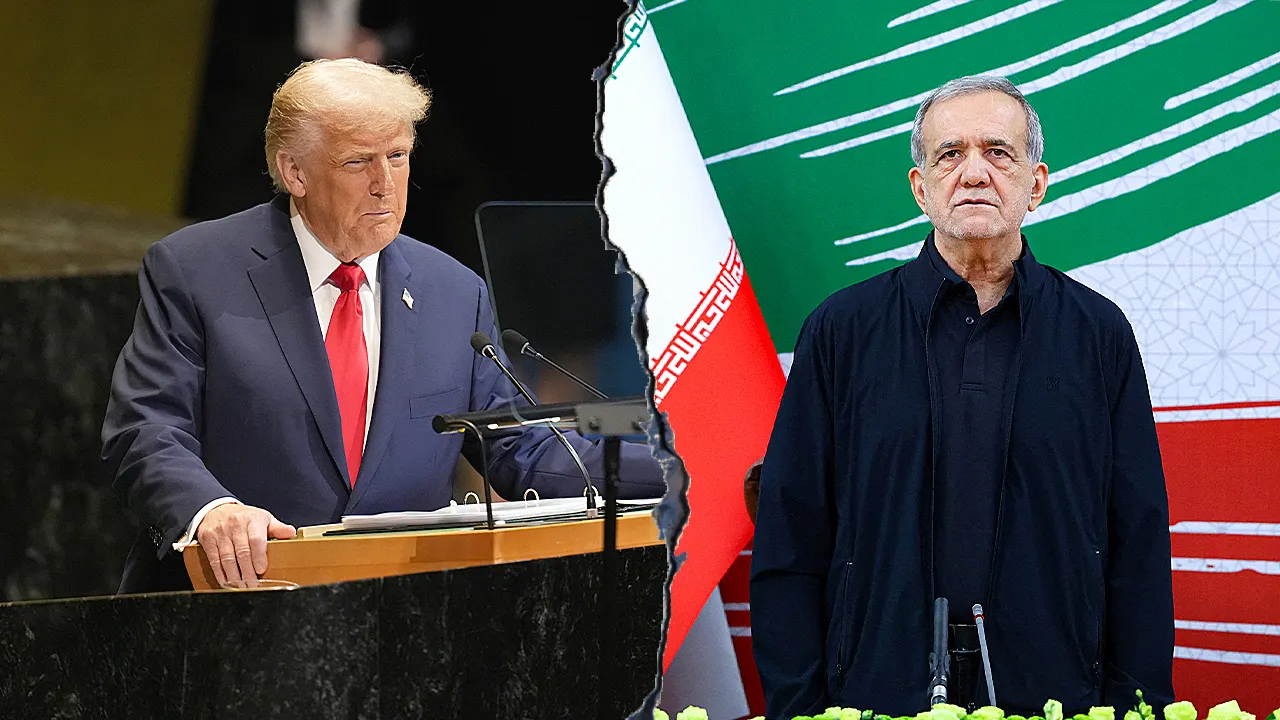
The heartbeat of global diplomacy is about to shift to the bustling avenues of New York City, but this is no ordinary gathering of world leaders. As the U.N. General Assembly opens its doors, the stage is set for a truly electric, charged convergence: President Donald Trump and Iranian President Masoud Pezeshkian will both be in the same city, breathing the same air, but operating in vastly different orbits. The sheer proximity of these two bitter adversaries creates an almost cinematic tension. It’s a “dramatic” diplomatic moment, as one former White House insider put it, but the drama is not just about the speeches from the iconic green-marbled rostrum. The real story lies in the curious, almost surreal situation of the Iranian delegation—effectively held as “captives” in Manhattan, with their movements heavily supervised and restricted by U.S. authorities, even as they come to speak before the world’s most prominent diplomatic body. This isn’t diplomacy as usual; it’s a high-stakes game of cat and mouse where the host nation is setting the ground rules very, very firmly.
The choreography of this week’s UNGA is fascinating, especially when you consider the constraints slapped onto the Iranian presence. According to Theo Wold, who once served as a White House domestic policy advisor and acting assistant attorney general, the limitation on the Iranian delegation is all about controlling the narrative. They will have far less access to the international press and less room to poke the Trump administration in the eye. But Wold suggests that this is actually a sensible move—letting them come, letting them talk in an official capacity, and then essentially telling them to go home. The State Department has made it crystal clear that this is no vacation. In a frankly biting statement, spokesperson Tommy Pigott quipped that while ordinary Iranians suffer under brutal repression and economic hardship, the regime’s officials want to go on shopping sprees in New York. “Not on our watch,” he declared. Wold elaborates, painting a rather vivid and humorous picture of what that actually means: the delegation is restricted to their accommodation and UN headquarters, so they can’t go out and buy a small car or a handful of microwaves from Costco, or stroll into a luxury boutique for Rolex watches. They’re certainly not hitting up Michelin-starred restaurants or taking a leisurely tour of Sam’s Club to stock up on bulk appliances.
This image of Iranian diplomats being prevented from raiding local big-box stores isn’t just about pettiness; it’s a calculated reflection of the deep, simmering animosity between the two nations. The U.S. is bound by a 1947 agreement to allow foreign representatives into the country for UN business, but it doesn’t have to make their stay pleasant. Washington’s restrictions are a pointed way of saying, “You are here on official business, but don’t pretend you’re welcome.” For their part, the Iranians are pushing back with their own narrative. Iranian state media quoted Foreign Ministry spokesperson Esmaeil Baghaei as saying that New York holds “absolutely no charm” for them, calling their attendance a legal right, not a favor. They accuse the U.S. of using every tool in the box to block their participation. And while the U.S. did approve visas for Pezeshkian and his team, the mood is one of deep hostility. This isn’t just about logistics; it’s about psychological warfare, where every step is watched, every move is a potential PR stunt, and the backdrop of a nearly seven-month-old war casts a long shadow over every encounter.
Wold, for one, uses this situation to point out what he sees as the profound hypocrisy of the United Nations. From an American perspective, the sight of representatives from a hostile regime that has killed American service members wandering the halls of the UN to exchange pleasantries with other international elites is perplexing and, frankly, offensive. He critiques the organization for being eager to lecture the U.S. on climate change or transgender rights while simultaneously serving as a safe forum for despots and obvious human rights violators. The UN, he suggests, seems to operate in a strange vacuum, where the very real threat posed by a country like Iran is downplayed in favor of procedural niceties. There’s a raw, emotional undercurrent to this criticism. It highlights the fundamental tension that many Americans feel: why do we roll out the red carpet for our enemies? Why do we offer a platform to those who chant “Death to America” while benefiting from the protection of our home soil? The security concerns are real, the moral outrage is palpable, and yet, the rule of law and international obligations pull Washington in a different direction.
But beyond the sniping and the restrictions, there is another, quieter layer to this international drama. The UNGA gathering is not entirely about conflict; it also presents a unique, last-ditch opportunity for diplomacy. Wold acknowledges that, ideally, these high-level meetings could be a chance for real discussion. He hopes that the U.S. and Iran can find a quiet corner, away from the theatrics and grandstanding, for fulsome, meaningful closed-door conversations. The goal, he suggests, would be to hammer out some kind of understanding about what a cessation of hostilities could actually look like. The stakes couldn’t be higher, as President Trump weighs renewed strikes on Iran and Tehran has laid out its own conditions for talks. The presence of other regional leaders, particularly the Gulf Cooperation Council representatives meeting with Trump to discuss the Strait of Hormuz, adds yet another layer of complexity to this high-stakes chess game. It’s a delicate dance where the possibility of an open conflict and the hope for a negotiated off-ramp exist on the same crowded Manhattan island, separated only by a few blocks and a whole lot of trust.
Ultimately, the entire world is watching to see how President Trump navigates this high-wire act. The former president, who has often been at odds with the diplomatic “establishment,” is in his element in this environment, using raw power and blunt rhetoric to shape the narrative. Wold, offering his personal vote of confidence, insists that Trump is the best man for this moment, a natural leader who is not prone to bending or breaking under immense pressure. “It’s a precarious time for President Trump,” Wold admits, “but I have no doubt that he’ll rise to the moment.” This is more than just a political event; it’s a stark illustration of global power dynamics in the 21st century. The UNGA may be a gathering of world leaders, but in this instance, it’s become a surreal, tense, and highly choreographed stage where the ghosts of wars past and the threat of wars future collide. In the end, as the diplomatic limousines glide through the police barricades and the pronouncements are made, one thing is certain: the encounter in New York will be remembered not for the speeches, but for the unspoken, simmering standoff between two nations locked in a dangerous embrace on the world’s most visible platform.