





The Silent Storm in the Pacific: A Glimpse into the Shadows of Narco-Trafficking
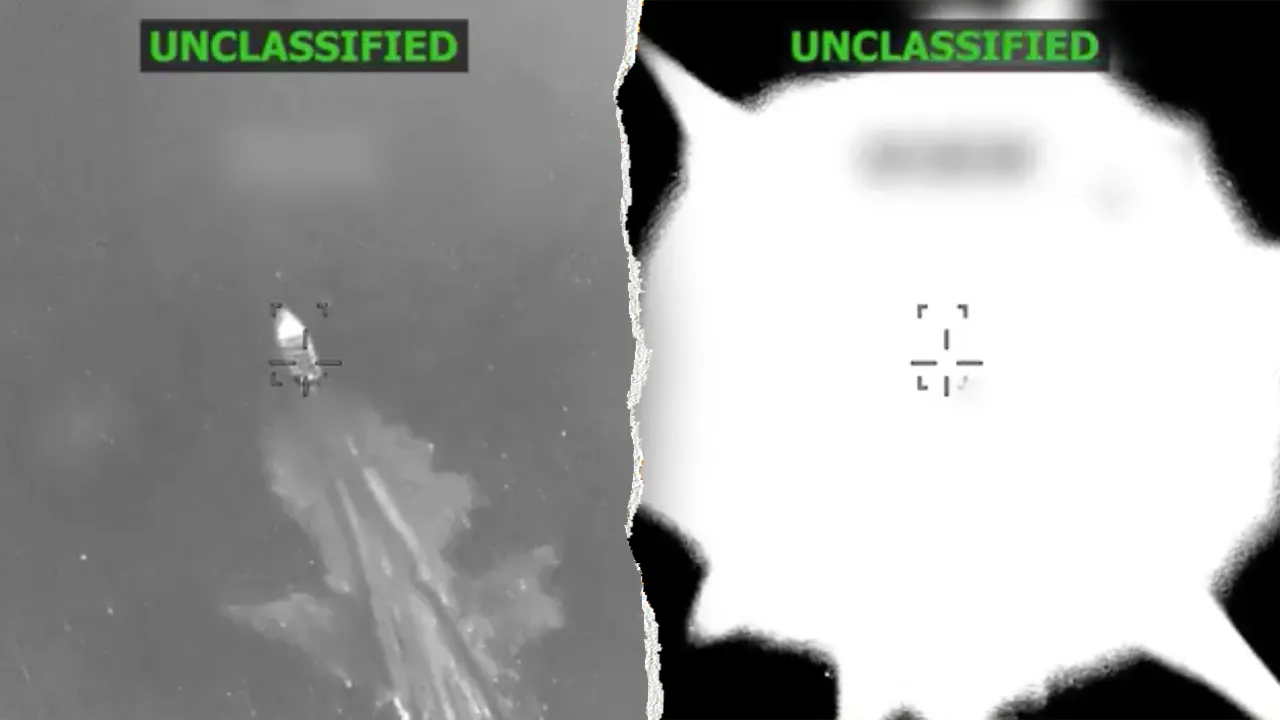
Imagine the vast expanse of the Eastern Pacific Ocean, where turquoise waves meet the horizon under an unrelenting sun, and beneath the surface lurks a hidden war. It’s not fought with armies in grand formations but with swift, covert strikes that echo the unspoken battle against drug cartels threatening America’s shores. Just days ago, the U.S. Southern Command, affectionately known as SOUTHCOM, unleashed a decisive blow in this watery arena. Their target? A vessel suspected to be a lifeline for narco-trafficking operations. Driven by meticulous intelligence, Joint Task Force Southern Spear, under the leadership of Commander Gen. Francis L. Donovan, executed a lethal strike that claimed the lives of three men deemed narco-terrorists. These weren’t random sailors; they were operatives navigating known routes used by cartels to smuggle illicit cargoes toward the U.S. and Central America. SOUTHCOM’s announcement on social media was stark yet resolute: the boat was confirmed to be entangled in trafficking, and the operation proceeded without injury to any American forces. It’s a reminder that in this modern warfare, technology and bravery intersect with deadly precision, protecting national interests from threats that creep through the tides.
In the heart of this operation, one can almost picture the scene unfolding like a tense scene from a thriller. The vessel, likely a small, fast-moving go-fast boat engineered for evasion, sliced through the waves along infamous corridors carved out by traffickers over decades. Intelligence had pinpointed it, tracking its suspicious maneuvers that screamed of illicit intent. With a command from Donovan, a seasoned general whose career has spanned numerous covert missions, the strike was authorized. It wasn’t done haphazardly; every detail mattered. The team monitored the boat’s progress, confirming its role in moving narcotics that fuel violence and addiction stateside. When the moment came, the engagement was swift and final, neutralizing the threat without risking American lives. One can humanize this moment by considering the families across the border who might never know the dangers their loved ones courted at sea, or the agents back at command centers poring over screens late into the night. For Donovan and his team, this was another notch in a broader campaign, one where each strike peels back layers of a global network that intertwines drug money with terrorism, destabilizing regions and spilling chaos northward.
But this isn’t an isolated incident—it’s part of a relentless crescendo of actions that have marked the recent months. Just the day before, SOUTHCOM struck again in the Caribbean, sinking another suspected drug vessel and taking out two traffickers in a similar blitz. That op followed closely on the heels of an April 24th raid in the Eastern Pacific, where another two narco-terrorists met their end aboard a trafficking boat. Picture the Caribbean’s azure blues turning into a battlefield; these waters have become a hotspot for interception, where U.S. forces chase shadows that morph into tangible targets. The pattern reveals a tactical escalation: after a Caribbean strike less than a week earlier that eliminated three suspects, the command’s project called Spear has sharpened its blade. Each operation builds on the last, gathering momentum against syndicates that use the ocean as their highway, slipping past radar with cunning tactics. It’s humanizing to think of these as not just statistics but stories of intercepted plights—men who chose a life of crime, perhaps lured by poverty or greed, now confronted by justice from afar. For the communities in Latin America impacted by this scourge, these strikes are a beacon of hope, even as they underscore the ongoing sacrifice of those on the front lines.
At the core of this effort is SOUTHCOM itself, a command with a sprawling mandate that stretches across Central and South America to the Caribbean. Established to safeguard U.S. interests, their role in counter-narcotics has evolved into something vital, tackling smugglers who don’t just peddle drugs but also fund insurgency and corruption. Commander Donovan, a figure forged in the fires of real combat, oversees these operations with a steady hand, ensuring that interventions are not aggressive wagers but calculated moves backed by intelligence. The command’s work disrupts these networks at their roots, preventing tons of narcotics from reaching American streets and weakening cartels that terrorize populations with violence akin to warfare. Humanizing this, one can envision the command centers as hives of activity—analysts piecing together electronic breadcrumbs, sailors on ships enduring turbulent seas, and families at home clinging to hope. It’s a testament to the quiet heroes who deploy not for glory but for the safety of millions, turning the tide against an enemy that hides in plain sight.
The Eastern Pacific, in particular, stands out as a critical artery in this drug pipeline—a watery graveyard of seized intentions. Cartels deploy fleets of nimble vessels, designed for speed and stealth, to shuttle cocaine and other substances northward, often in collusion with corrupt officials or armed groups. These operations aren’t mere business ventures; they intertwine with terrorism, financing rebel armies and fueling unrest that ripples back to the U.S. through addiction epidemics and border chaos. Understanding this humanizes the stakes: every boat intercepted represents lives saved—children in suburban homes spared the grip of overdose, migrants escaping cartel coercion, or economies protected from siphoned wealth. SOUTHCOM’s strikes aim to dismantle these corridors, using unmanned tech and naval prowess to rewrite the rules of engagement. It’s a chess game where the U.S. anticipates moves, leveraging alliances with regional partners to stem the flow. Yet, the resilience of these traffickers is sobering; for every vessel sunk, others lurk, proving that victory is incremental, born from the sweat and resolve of dedicated warriors.
In wrapping this saga, it’s worth noting the evolving face of how we consume such stories. As news organizations adapt, like the announcement that you can now listen to Fox News articles, it brings this distant drama closer to home, letting voices narrate the highs and lows. Contributors like Bradford Betz and the team have illuminated these events, blending facts with the human element—the triumph in a job well done, the vigilance required, and the hope for a safer tomorrow. SOUTHCOM’s campaign is more than military might; it’s a narrative of protection, perseverance, and the unyielding fight against forces that exploit the vulnerable. Each strike echoes as a promise: the ocean’s vastness won’t shield the guilty forever, and through targeted actions, America strives to redraw the lines of security in an interconnected world.
Echoes of Justice: Unveiling the Faces Behind the Headlines
Delving deeper into the psychology of these operations, one can’t help but wonder about the individuals involved—the commanders, the suspects, and the unseen beneficiaries of disrupted flows. Commander Gen. Francis L. Donovan, with his years of service, embodies the archetype of a dedicated leader, perhaps a family man himself, motivated by a sense of duty that compels him to authorize strikes from safe-distance orbits. His decisions, rooted in zero-tolerance policies, spare no quarter for those labeled narco-terrorists, terms that paint a picture of hybrid threats merging drug profits with militant ideologies. On the other side, the men killed—three in the recent Pacific encounter—carried lives shrouded in mystery, likely hardened by the brutal underbelly of cartel life, where loyalty is bought with blood and betrayal met with death. Humanizing them requires acknowledging the systemic failures that drive people into such paths: poverty in source countries, lack of opportunity, and the allure of easy money that cartels dangle like bait. Yet, the U.S. approach doesn’t indulge in moral ambiguity; intelligence-driven eliminations prioritize national security, cutting off heads of operations that poison communities. It’s a stark contrast—American service members, trained and equipped with the latest tech, versus traffickers relying on desperation and shadow tactics—to underscore the asymmetry of this war.
The series of strikes paints a timeline that’s both cautionary and inspiring, a chronicle of persistence against adaptable foes. Recent months have seen a flurry: the Caribbean hit on Monday, mirroring the Pacific one’s lethality, followed by echoed operations that dismantle fleets one by one. This isn’t arbitrary bombing but strategic interdiction, where data from satellites and informants guides missiles or boarding teams to precise targets. Imagine the adrenaline for the joint task force members, enduring monotonous patrols only to erupt into action when confirmation arrives—the thud of engagement, the confirmation of kills, and the debriefing that follows, blending relief with the weight of lives taken. For the victims of trafficking on land, these actions ripple as deterrents, signaling that no corridor is safe from the long arm of U.S. intervention. Humanizing this narrative, it’s not just about firepower; it’s stories of reconstructed lives, of addicts finding help because fewer drugs cross the border, or of border towns reclaiming peace from cartel intimidation. SOUTHCOM’s broader campaign, dubbed operations like Swift Spear, integrates with international efforts, fostering a sense of global camaraderie in this fight.
SOUTHCOM’s mission transcends mere deployment; it’s a guardian role tailored for hemispheric defense, where counter-narcotics dovetails with humanitarian aid and training. Under Donovan’s command, they navigate political sensitivities in partner nations, where corruption can undermine even the best-laid plans. Their tech advancements, such as autonomous systems for surveillance, embody the future of warfare—drones soaring without pilots, gathering intel that once required boots on the ground. This humanizes the command as innovators and protectors, not conquerors, dedicated to uplifting regions plagued by instability. Families of service members might sleep easier knowing operations like these minimize risks, but they also grapple with the isolation of duties far from home, echoing the sacrifices of generations past. The command’s ethos reflects America’s commitment to allies, building capacities to enforce laws rather than invading shores, creating lasting alliances that starve cartels of their lifelines.
The Eastern Pacific’s role as a trafficking highway is a testament to geography’s complicity in crime, where currents and winds aid smugglers evading detection for eons. Cartels exploit this, using semi-submersibles and modified fishing boats to blend into commercial traffic, posing as innocent vessels while carrying tons of contraband. This nexus of crime and terror—narco-terrorism—threatens not only U.S. interests but global stability, funding insurgencies and trafficking humans alongside drugs. Breaking it down humanizes the impact: millions worldwide suffer from addiction fueled by these routes, from urban slums to rural families torn apart. SOUTHCOM’s strikes target this heart, intercepting shipments that could flood markets and enrich violent groups. The command’s intelligence-sharing with Latin partners amplifies effectiveness, turning isolated incidents into networked defenses. It’s a reminder that progress comes from empathy for affected communities, driving policies that address root causes like inequality, which supply the cartel recruitment pool.
Finally, as media evolves with audio accessible news, these stories become more immersive, letting listeners envision the splash of waves during a strike or the determination in a commander’s voice. Contributors to this reporting have woven these threads with expertise, highlighting the human drama beneath the data. SOUTHCOM stands as a bulwark, their efforts a blend of strategy and humanity, forging safer horizons against the shadows. In this tale of oceanic confrontations, one finds hope—that through vigilance and innovation, the tides will turn in favor of peace, one intercepted vessel at a time.