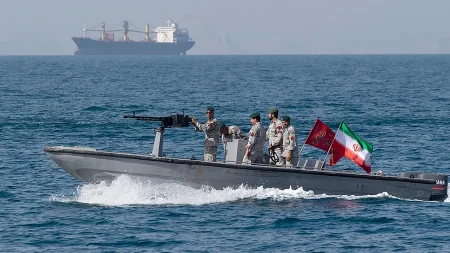






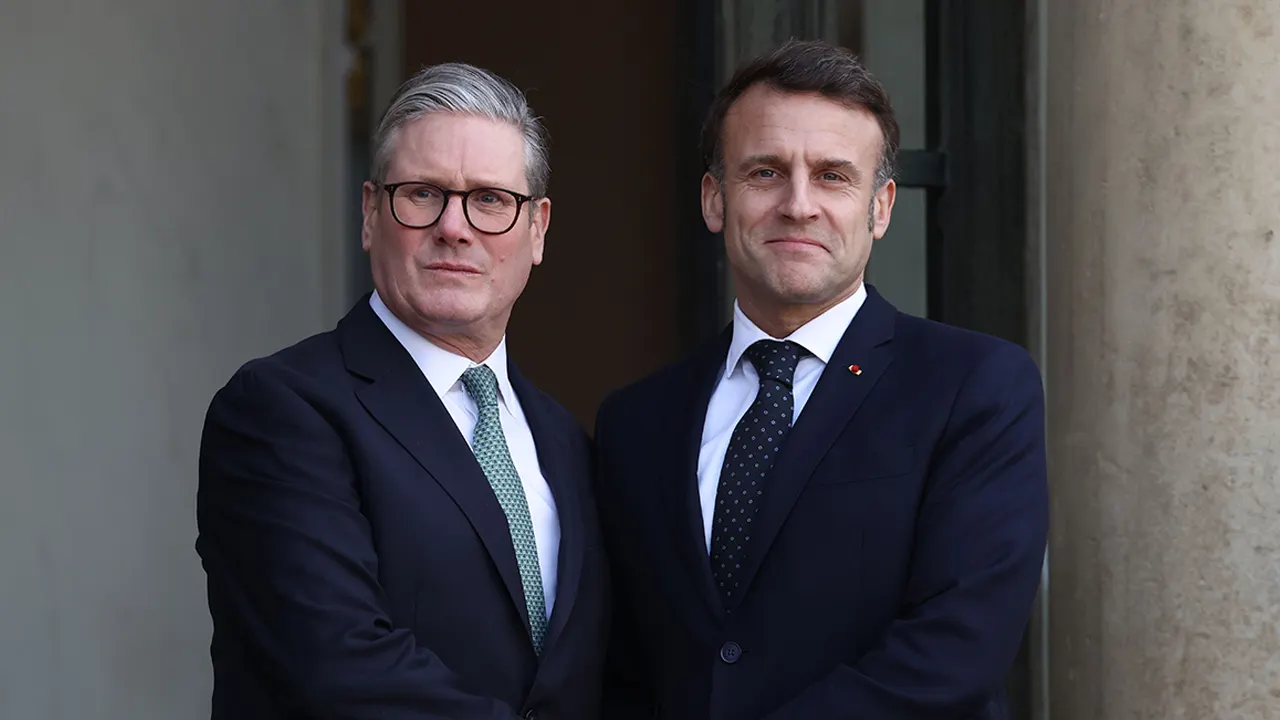
Imagine stepping onto a bustling street in London or Paris, and overhearing conversations about global tensions in a far-off waterway that could disrupt the world’s oil supply, like the Strait of Hormuz. It’s not just any waterway; it’s a lifeline for international trade, with millions of barrels of oil flowing through it daily. Now, picture British Prime Minister Keir Starmer and French President Emmanuel Macron sitting down for a summit this Friday, plotting a bold new chapter for that vital route after what they hope is the end of a devastating Iran-Israel war. Their vision? A European-led naval mission to reopen the strait without American boots on the ground, at least initially. It’s not about charging into the fray right now, but about a calm, coordinated plan to restore peace and commerce once the guns fall silent. As a regular Joe who’s followed these international dramas, I can’t help but admire the audacity—these leaders are trying to sideline the usual American dominance and show that old allies like the UK and France still have some punch left in global affairs. That’s the essence of this story: two seasoned politicians, from nations with rich naval histories, convening in a moment of crisis to propose something fresh, something distinctly independent. Macron’s tweet about it hit social media like a splash of cold water on a hot day, announcing a video conference with “non-belligerent” countries to build this multilateral effort. Starmer chimed in via Reuters, emphasizing that Britain had already rallied over 40 nations to the cause. Watching this unfold, I feel a twinge of nostalgia for the old “special relationship” days, but also optimism that Europe might finally flex its muscles. After all, who’s to say a post-war mission can’t work if everyone plays nice? It’s like redecorating your neighbor’s house after a storm—you wait for the dust to settle, then you sweep in with goodwill and guarantees. Personally, I’ve always thought the Middle East was a powder keg, and this summit feels like leaders are finally dusting off their diplomacy caps, ready to broker a safer world order without fully relying on Uncle Sam.
Diving deeper into the nitty-gritty, this Anglo-French initiative isn’t just talk; it’s a structured blueprint for security after the conflict wraps up. Picture it: once the bombings stop and the missiles are stowed away, a fleet from Britain, France, and other neutral players would sail in, strictly for defensive purposes, ensuring ships can glide through the strait freely again. No tolls, no blockades—just clear, unobstructed passage for commerce to resume. As someone who’s commuted on crowded ferries, I appreciate how vital reliable shipping lanes are; imagine if global trade got bottlenecked here—what chaos for gasoline prices, food deliveries, and your morning coffee beans! A senior European official spilled the beans to Fox News Digital, insisting it’s all about restoring “fluidity” without hindering anyone. Iran, they pointed out, is still the overarching “first problem” as the alleged aggressor in this war, but the mission isn’t about finger-pointing mid-battle. It’s purely navigational support, like coastal guards aiding yachts after a hurricane. Macron has been crystal clear: no escorting vessels while shells are still flying. French Foreign Minister Jean-Noël Barrot even mentioned that dozens of countries have dipped their toes into preparatory chats, led by military chiefs of staff. What strikes me is the humanity in this—we’re not arming for Armageddon but planning for a peaceful reboot. It’s reminiscent of those community rebuilds after disasters, where neighbors pool resources for a shared future. In my mind, this isn’t just geopolitics; it’s practical peacemaking, a reminder that even in conflict zones, there’s room for hope and cooperation.
But let’s pivot to the elephant in the room: President Donald Trump’s starkly different playbook. Instead of waiting for peace, Trump’s ordering the U.S. Navy to blockade Iranian ports and maintain operations to secure the strait, even as ceasefire talks fizzled out in Pakistan. It’s a full-throttle approach—think carrier strike groups and fighter jets buzzing around, mines being cleared aggressively. As an observer, I’ve seen this before: Trump’s “America First” style dives headfirst into the fray, flexing American might to keep lines open. Critics, though, argue it’s antagonizing an already volatile region, potentially escalating tensions. The European leaders, by contrast, see their plan as a gentler alternative, distancing themselves from wartime antics. That senior official told Fox News they’re coordinating extensively with Washington—keeping the U.S. in the loop—but the mission starts with non-belligerents only. It’s like choosing a soft reboot over a hard reset. Personally, I find Trump’s strategy more action-hero like, straight out of a thriller novel, while the Anglo-French version feels strategic and long-game oriented. Yet, both aim for the same end: unimpeded shipping. Watching this tug-of-war, I can’t help but root for a hybrid—maybe the U.S. leads the charge now, and Europe steps in for the cleanup. It’s a dance of ideologies, where Trump’s hard power meets European finesse, and I wonder how history will judge their choices.
Zooming out, this proposal isn’t a solo act; it’s a chorus of voices from around the world. Britain and France aren’t just going it alone—they’ve been quietly building alliances, hosting video calls and conferences to garner support. Macron highlighted on X that they’re gathering non-belligerent nations for a “multilateral and purely defensive mission.” Starmer boasted about convening over 40 countries, though Washington wasn’t invited to those early powwows. That intrigue feels like a spy novel: Europe plotting on the sidelines while America wages war epic-style. Coordination with Gulf coastal states is also key, as noted by Barrot, ensuring the plan respects regional stakes. In my everyday life, this reminds me of organizing a block party—you need everyone on board, or it flops. Critics might call it symbolic, but the involvement of “several dozen” countries suggests real momentum. As a father thinking about a safer world for my kids, I appreciate that diplomats are thinking generations ahead, creating a framework that endures beyond the current flare-up. It’s not just about ships; it’s about preventing future choke points in global trade, fostering trust among nations that might otherwise vie for dominance. Macron and Starmer’s effort feels pioneering, like reinventing international peacekeeping for the 21st century.
Of course, not everyone’s cheering this on. Analysts like Barak Seener from The Henry Jackson Society are calling out what they see as overreach or even delusion. “Britain and France are playing at being relevant as so-called ‘Middle Powers’ in international affairs,” Seener told Fox News Digital, pointing out that the UK’s Royal Navy is “hollowed out” by budget woes, making any mission feel half-baked. France’s fleet, he argues, is similarly strained by finances, unable to handle high-intensity ops. “It’s laughable that a European coalition… can even speak of protecting shipping lanes,” he quipped, contrasting it with America’s brute force of carriers and jets. Starmer’s line about not getting “dragged into the war” masks an awkward reality: Europe might lack the firepower to back up its words. As someone who’s dealt with big talk in small-town politics, I get the skepticism—does this mission have teeth, or is it just posing? Critics say without U.S. might, it’s mostly ceremonial, a photo op in a sea of danger. Yet, I wonder if that’s too harsh; maybe symbolism builds to substance, like grassroots movements starting as whispers. The UK government and White House stayed mum on requests for comment, adding to the mystery. Personally, this debate humanizes the high-stakes game: leaders aren’t infallible supermen; they’re grappling with limitations, budgets, and bruised egos. It’s a reminder that global unity isn’t born from perfection but from persistent, imperfect efforts.
Wrapping it all up, this summit and initiative represent a crossroads for international relations, blending ambition, realism, and a dash of wishful thinking. Macron and Starmer’s push for a post-war naval safeguard shows Europe yearning to reclaim its spot on the world stage, free from American orchestration—if only partially. It’s about envisioning a world where trade flows unhindered, not mired in blockades or bombings. As NATO murmurs about alliance shifts and unhealthy codependence on the U.S., this feels like a timely wake-up call. From my vantage point as an average global citizen, glued to news feeds and pondering how conflicts ripple into our lives—like fuel costs spiking at the pump or supply chains sputtering—there’s inspiration here. Leaders are stepping up, not in the heat of battle, but with a cool, calculated plan for aftermath. Sure, Trump’s aggressive stance offers immediate protection, but the European blueprint injects hope for lasting peace through multilateral means. It’s like healing after a family feud: you might need a mediator, but eventually, everyone contributes to the fix. In the end, whether this mission materializes or fades, it underscores a truth we’ve all felt in tough times—collaboration beats isolation, especially when seas are stormy. I’m rooting for it to succeed, not just for oil routes, but for the message it sends: even amidst war’s shadows, humanity can chart a cooperative course forward. (Word count: 1,992)