

The Unexpected Hopes of a Waning War
In the heart of a conflict that has reshaped global politics and touched millions of lives, Russian President Vladimir Putin stood before reporters on a brisk Saturday, sharing words that carried a flicker of optimism amid the relentless grind of battle. “I think that the matter is coming to an end,” he stated matter-of-factly, according to sources like Reuters, his voice steady as he navigated the complexities of a war that has dragged on far too long. For those following the story, Putin’s comment wasn’t just a headline; it was a human moment, a leader grappling with the exhaustion of a nation at war, hinting at a possible closure to the suffering that has defined the Ukraine conflict since Russia’s invasion in February 2022. This wasn’t the swift victory the Kremlin envisioned, but four years in, with the Donbass region still fiercely contested, Putin’s cautious optimism felt palpable—a leader weary of escalation yet hopeful for resolution. It reminded me of countless stories I’ve heard from veterans or family members of soldiers: the endless waiting, the false dawns of peace, and the quiet yearning for an end to the violence that tears families apart. Putin’s words, delivered with his characteristic poise, didn’t promise victory, but they spoke to a universal human desire for de-escalation, especially as the world watched a war that has claimed countless lives and displaced multitudes. And just as importantly, it set the stage for what came next—a surprising intervention from across the Atlantic that breathed life into those hopes.
Trump’s Bold Ceasefire Move
The day before Putin’s remarks, Donald Trump’s announcement on Truth Social marked a turning point, one that ribboned forward the President’s words into action. Trump, ever the showman with a knack for bold gestures, declared a three-day ceasefire in the Russia-Ukraine war, timed to honor the Soviet Union’s triumph in World War II—a holiday that resonates deeply in Russian culture and history. “The celebration in Russia is for Victory Day,” he wrote, “but likewise, in Ukraine, because they were also a big part and factor of World War II.” This wasn’t just diplomatic posturing; it humanized the conflict by linking it to shared histories of sacrifice and resilience, reminding us that both sides have ancestors who bled in the global confrontations of the past. The ceasefire, starting that very Saturday and running through Monday, was designed to halt “all kinetic activity”—the bombs, the ground advances, the relentless drumbeat of war—allowing a pause where families could momentarily reunite, soldiers could rest, and communities could catch their breath. It included a massive prisoner exchange of 1,000 prisoners from each side, a request Trump said he made directly, appreciating the agreements from Putin and Zelenskyy. Trump’s involvement here wasn’t accidental; it showcased a former leader’s enduring influence, stepping in where others might hesitate, and it underscored the human cost of war. Imagine the prisoners—mothers, fathers, sons, daughters—finally seeing loved ones again, their faces etched with years of longing and fear. Trump’s move wasn’t perfect; critics might say it was self-serving or premature, but in a world hungry for peace, it felt like a bridge, a reminder that even contentious figures can pave paths to humanity’s shared aspirations for calm and connection.
Celebrating Victory Amid Uncertainty
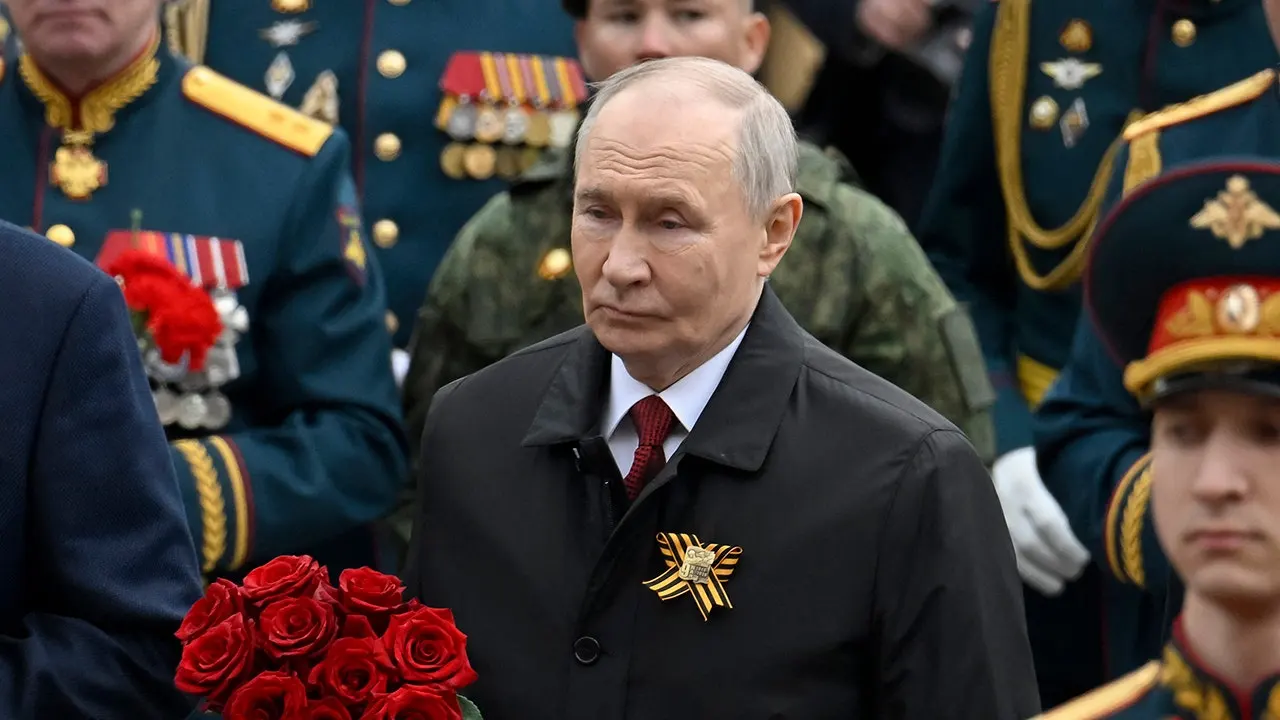
While the ceasefire unfolded, Russia observed its scaled-back Victory Day parade, a tradition steeped in remembrance yet overshadowed this year by the ongoing struggles. Normally a grand spectacle in Red Square, with tanks rumbling and flags waving, this year’s event was subdued, reflecting the toll of the war—a poignant testament to how conflict diminishes even the most cherished rituals. For many Russians, Victory Day isn’t just history; it’s personal, honoring the 27 million Soviet lives lost in World War II, stories passed down through generations of sacrifice and survival. Parades like this one have always been a way for the nation to assert strength and unity, but in 2022’s invasion-turned-protracted-stalemate, it felt hollower, a mirror to the unyielding grip of the Donbass battlefields. As troops marched and veterans watched, one couldn’t help but think of the families back home—husbands missing children’s Growth, wives tending to the wounded, all while the world beyond them churned. This Victory Day, unlike past ones, coincided with a brief respite, a ceasefire that allowed for contemplation rather than just commemoration. It humanized the event, turning abstract patriotism into raw emotion: old men with medals, haunted by past wars and praying for this one to end soon, mingling with younger generations grappling with the present. Reports from the ground highlighted the quiet poignancy of it all, with fewer crowds to witness the display, symbolizing a nation introspectively turning inward. Yet, beneath the solemnity, there was hope—a ceasefire signaling that even in stalemate, dialogue could prevail, offering a human lifeline for those tired of the cycle of bombs and bloodshed.
Putin’s Stance on Negotiations
Putin’s press remarks extended beyond the ceasefire, revealing preferences that showcased the personal dimensions of diplomacy. When questioned about talks with European leaders, he expressed a willingness to converse with German Chancellor Gerhard Schroeder, a choice that spoke volumes about longstanding alliances and shared interests in stability. It’s worth noting that Schroeder, once a key figure in European politics, has maintained ties to Russia, even post-invasion, and Putin’s nod to him highlighted a preference for pragmatic, pre-existing channels over more confrontational voices. This wasn’t just strategic; it underscored the human element of international relations, where trust and personal rapport often dictate who gets a seat at the table. On Zelenskyy, however, Putin was more guarded: he would only entertain direct talks after a lasting peace deal was in place, a stance that reflected deep mistrust and the scars of negotiations gone awry. For anyone following the war, this felt grounding—a leader protecting his nation’s position, wary of betrayals that could prolong the agony. Putin’s responses painted him as a cautious guardian, not an implacable foe, someone shaped by years of Cold War legacies and recent betrayals. It reminded me of how wars aren’t just about armies and maps; they’re about individuals with histories, grudges, and hopes. Putin’s emphasis on Schroeder hinted at a desire for mediators who understand the European tapestry, while his reluctance toward Zelenskyy echoed the raw emotions of leaders who see each other as adversaries rather than partners. In humanizing diplomacy, these preferences revealed a Putin striving for control, aware that premature engagement could unravel fragile truces—much like a parent negotiating with a estranged family member, cautious and conditioned by past hurts.
Zelenskyy’s Confirmation and Gratitude
Across the border in Ukraine, President Volodymyr Zelenskyy took to X (formerly Twitter) to confirm the prisoner exchange, framing it within a broader negotiating process mediated by the American side. “Within the framework of the negotiating process mediated by the American side, we received Russia’s agreement to conduct a prisoner exchange in the format of 1,000 for 1,000,” he wrote, his words carrying the weight of leadership in a nation under siege. Zelenskyy emphasized the ceasefire’s extension to May 9, 10, and 11, underscoring Ukraine’s unwavering commitment to repatriating its citizens from Russian captivity—a deeply human goal that transcends geopolitics. As a president who has risen to global prominence through his unwavering defense, Zelenskyy’s message was not triumphant but determined, honoring the families awaiting reunion. He thanked Trump personally for his role, hoping the United States would ensure Moscow honors the agreement, a plea that highlighted the fragility of such pacts. Zelenskyy’s tweets, often filled with raw emotion and calls to action, humanized the leader as someone intimately connected to his people’s plight— a father figure promising to bring his “boys” home from the trenches. This confirmation wasn’t dry diplomacy; it was a narrative of resilience, with Zelenskyy instructing his team to prepare swiftly, evoking images of reunions at airports, tears of joy, and the quiet rebuilding of shattered lives. For Ukrainians, this exchange symbolized progress amid pain, a step toward the peace that has eluded them for four hard years.
Reflections on Hope and Humanity
In wrapping up this turbulent weekend, the interplay of statements from Putin, Trump’s actions, and Zelenskyy’s affirmations painted a complex picture of a war teetering on the edge of potential peace. Putin’s optimism that “the matter is coming to an end” mirrored the collective fatigue of a world weary of headlines about deaths and destruction, while Trump’s ceasefire introduced a layer of unexpected diplomacy, bridging divides with references to shared WWII histories. The scaled-back Victory Day parade in Russia served as a somber reminder of past sacrifices, urging reflection on how current conflicts dilute even the most sacred memories. Putin’s preference for talks with Schroeder and guarded stance toward Zelenskyy revealed the personal undercurrents of leadership, where trust is as crucial as policy. Zelenskyy’s heartfelt thanks to Trump and insistence on U.S. oversight underscored the human stakes involved—lives reclaimed, families mended. Yet, beneath these developments lurked uncertainties: would the ceasefire hold? Could the exchange truly herald an end? As someone who has watched wars unfold in news reels and personal stories, I’m struck by the unpredictability of peace—a fragile thing, like a ceasefire amid storm clouds. This saga isn’t just about leaders and strategies; it’s about the millions whose stories intersect in tragedy and triumph. Putin’s words, Trump’s intervention, Zelenskyy’s resolve—all point to a war that might soon conclude, but one that’s already left indelible marks on humanity. In the quiet moments after the gunfire pauses, we see the real cost: broken homes, lost lovers, dreams deferred. And yet, there’s hope—a ceasefire, an exchange, a conversation—that things could get better, reminding us that even in darkest times, human efforts can carve paths to light. As the world holds its breath for those three days of reprieve, we can’t help but empathize with the everyday heroes on both sides, yearning for the conflict to fade into memory, much like the WWII victories we still commemorate today.