





Paragraph 1
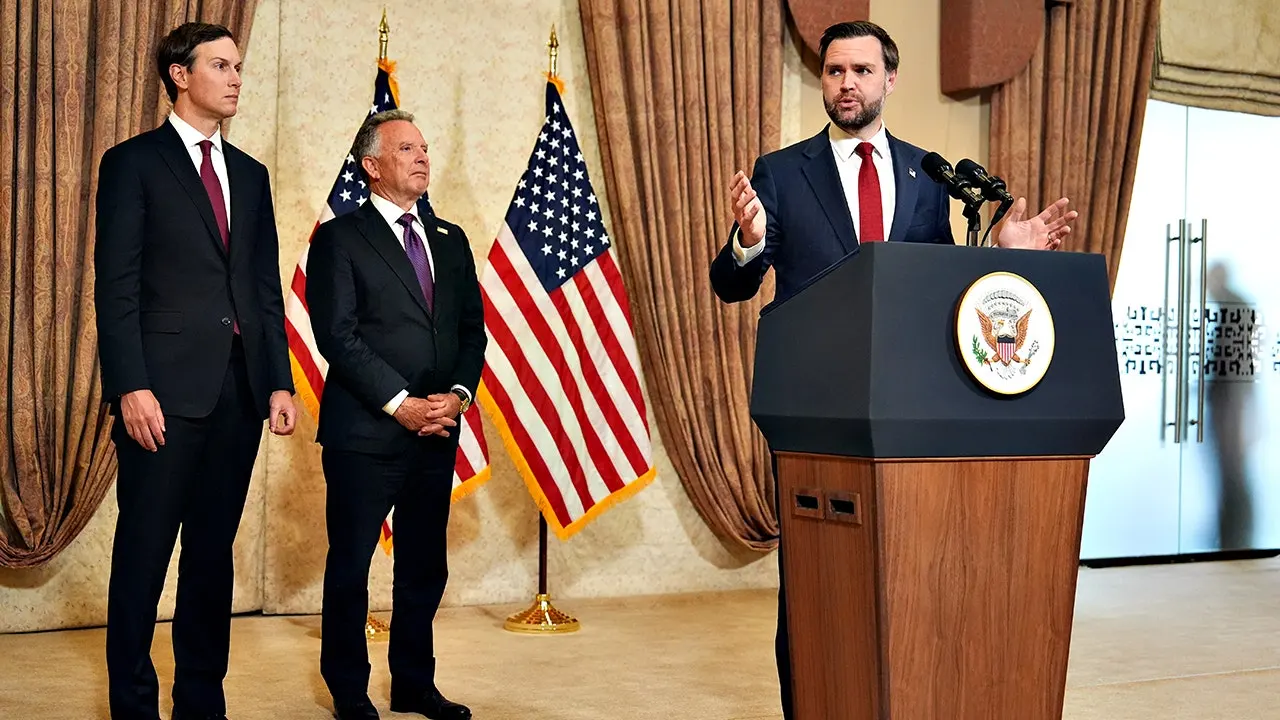
Imagine sitting down with a cup of coffee, scrolling through your phone, and suddenly catching wind of high-stakes diplomacy unfolding halfway across the world—between the United States and Iran, of all places. It’s a story that feels ripped from the pages of a thriller novel, where every decision could tip the balance toward peace or conflict. This week, another round of talks loomed, focused squarely on Iran’s illicit nuclear program, that shadowy quest for atomic weapons that has haunted international relations for decades. But here’s the twist: the Trump administration, under the leadership of Vice President JD Vance, decided to pack up and leave the negotiating table in Pakistan after just a day. And you know what? A chorus of top experts is applauding that bold move, calling it a wake-up call for Tehran’s regime. Picture a situation where you’ve been negotiating with someone who’s not playing fair—you’re trying to protect your home, your family, from a potential danger, and they keep slipping around the rules. Experts like Andrea Stricker from the Foundation for Defense of Democracies say the U.S. team was spot-on to walk away when it became crystal clear Iran wouldn’t budge on America’s core demands. At the heart of it all is uranium enrichment, that double-edged sword: Iran wants to keep doing it, but it’s the exact fuel needed for building nuclear bombs. It’s like letting someone near an arsenal while claiming they’re just tinkering with a hobby. Stricker lays it out plainly—we’re dealing with a pathway to weapons here, no ifs, ands, or buts. Growing up in the era of global tensions, it’s hard not to feel the weight of these choices; we’ve seen too many negotiations crumble under empty promises. Back in 2015, Obama’s deal promised oversight, but critics argued it was like handing Iran the keys to the kingdom, allowing them to gear up for a bomb in the shadows. Now, with Trump having pulled out in 2018, everyone feels the urgency. A good deal? For Stricker, it’s about Iran handing over all that nuclear fuel, tearing down key facilities, and forever banning enrichment. Throw in full cooperation with inspectors from the International Atomic Energy Agency (IAEA) to dig into every last bit of their program—equipment, documents, centrifuges, the works. It might take years, but hey, the IAEA has dismantled programs in places like Iraq and Libya before. Anything less, and guess what? Iran cheats, rebuilds their breakout capabilities, and we’re back to square one. In a world where trust is scarce, especially with regimes accused of terrorism, ending the charade sends a strong message: no more games, no more half-measures. It’s about protecting millions from the nightmare of nuclear proliferation, and it reminds me of those tense movie standoffs where the hero stands firm. That refusal to continue talks wasn’t just diplomatic; it was a human act of resolve, prioritizing safety over endless chatter.
Paragraph 2
Diving deeper into this saga, think about Senator Lindsey Graham, that straight-talking voice from the Senate, chiming in with his take on the drama. On Monday, he took to X (formerly Twitter) to slam what he heard was a U.S. proposal for a mere 20-year ban on Iran’s uranium enrichment under some potential deal. “Appreciate President Trump’s push for a peaceful end through talks,” he wrote, but then he cuts to the chase: “We’re dealing with terrorists, liars, and cheaters here.” It’s a blunt reminder that diplomacy with someone like Iran isn’t like negotiating a business contract—it’s high-risk, with lives on the line. Would we ever entertain al-Qaeda enriching weapons materials? Of course not, he says, calling any moratorium a colossal mistake. Imagine being a senator from South Carolina, where folks are used to plain-spoken advice and watching out for threats that could hit close to home. Graham’s opposition isn’t just political theater; it’s grounded in years of watching Iran sponsor terror and thumb their nose at international norms. And get this—a regional official from the Middle East, speaking under the radar to Fox News, confirmed the details: yes, the U.S. floated that 20-year moratorium idea, and Iran shot it down flat. It’s like offering a handshake and getting a slap in return. In human terms, it stirs that frustrating feeling of being pushed around by bullies on the global playground. We’ve all felt that unease when someone doesn’t follow through on promises, whether it’s a broken date or a shady deal at work. Here, it’s amplified a thousandfold—enrichment isn’t just a tech detail; it’s Iran’s ticket to destabilizing the region, fueling proxy wars with groups like Hezbollah, and casting shadows over allies like Israel and Saudi Arabia. Graham’s words resonate because they humanize the stakes: we’re not just talking policy; we’re talking about families, children growing up in fear of missiles or worse. As tensions simmer, with Iran reportedly just weeks away from bomb-making material according to intel from figures like Mark Witkoff, every rejection feels personal. Trump’s team walking away? It’s not isolationism; it’s a refusal to be conned again, echoing the cries of everyday people who’ve had enough of bad-faith actors pretending to cooperate while stockpiling dangers.
Paragraph 3
Now, let’s turn to David Albright, a physicist and the founder of the Institute for Science and International Security—a guy who’s basically the detective in this nuclear mystery, poring over facts like a Sherlock Holmes with a PhD. He went public on X, praising the U.S. move to end the talks in Islamabad as a masterstroke. “The U.S. was right to walk away,” he posted, with the kind of assurance that comes from decades tracking Iran’s nuclear footprints. In his view, staying for the sake of negotiating would have been pointless theater; instead, pulling out flipped the script, putting Iran on the defensive and making Tehran look like the sore loser in this geopolitical battle. Imagine Albright as a dedicated scientist, not some ivory-tower type, but someone who’s seen the blueprints, the centrifuges, the hidden labs. He tells Fox News that Iran dug in their heels, offering no real flexibility—classic Tehran tactics, he says. They wanted talks to drag on to hamstring the U.S. and Israel, while painting themselves as the victorious underdogs. Walking away called their bluff, forcing them to choose: accept America’s terms or risk rebooting a war. It’s a pivotal moment that humanizes the cold calculus of strategy—Albright isn’t just crunching numbers; he’s thinking about preventing the unthinkable, like a weary parent protecting their kids from a neighbor’s dangerous kids. A solid deal, according to him? Zero enrichment, zero stocks of HEU (highly enriched uranium) or even LEU (low enriched uranium). Iran needs to fully cooperate with inspectors, hand over a complete nuclear declaration—something they’ve never bothered with—and verifiably shut down their weapons program. Albright’s no stranger to history; he knows the IAEA has this covered, having scoured programs in places wracked by conflict. To him, Iran’s insistence on enrichment rights? It’s irrelevant. They don’t need it for civilian purposes—just a tiny bit of 20% enriched uranium for their Tehran research reactor, and they’ve got enough from past deals, stored in Iran or Russia, to last 20 years. Paraphrasing that old activist Abbie Hoffman, he quips that yelling “theater!” in a fire feels as disconnected as Iran’s arguments. In the real world, where families huddle during air raids, this isn’t academic—it’s about breaking the cycle of deceit that lets regimes like Iran skirt sanctions and build arsenals step by step.
Paragraph 4
As we unpack this, picture the broader picture: a web of tensions where Iran’s nuclear ambitions aren’t isolated—they’re intertwined with missile tests, hostage crises, and support for militarized groups like the Houthis and Hamas. The decision to walk away from Pakistan wasn’t impulsive; it was a calculated stand, resisting the pressure to soften demands in the face of Tehran’s stonewalling. Experts like Stricker and Albright don’t just theorize; they’ve watched this play out, from Libya’s dismantlement to Iraq’s forced compliance under scrutiny. It humanizes the struggle—think of diplomats burning the midnight oil, arguing ethics over maps, knowing one wrong turn could mean lives lost in strikes or worse, a full-blown escalation. With Iran reportedly weeks from bomb-ready fissile material, as warned by analysts like Witkoff, the clock is ticking. Trump’s team sent a message that’s resonating: no more half-deals that kid ourselves into thinking peace is on the way. Instead, real security demands real sacrifice from Tehran—full transparency, no cheating. It’s reminiscent of personal lessons in life, like setting boundaries with manipulative friends who promise reform but never change. For instance, Lindsay Graham’s comparisons to al-Qaeda aren’t hyperbole; they’ve enriched plutonium in the past, a grim parallel that chills the blood. A regional source’s confirmation of the rejected 20-year moratorium adds weight—it’s not rumor; it’s the frontlines speaking. If Iran signals a willingness to comply, talks could resume, but only on U.S. terms. Otherwise, the path might veer toward military options, a prospect that terrifies families across continents. Humanizing it means recognizing the human cost: sleepless nights for policymakers, the strain on alliances with Israel and Gulf states, and the global sigh of relief if Iran finally disarms. Every expert quote carries urgency, like a warning from a seasoned storyteller urging action before it’s too late. In essence, this isn’t just geopolitics; it’s a testament to resilience, where walking away empowers the good guys and exposes Iran’s rigidity, much like a parent saying “enough” to a child’s tantrum that endangers the household.
Paragraph 5
Zooming out, the implications ripple far beyond the negotiating room, touching on everyday lives in unexpected ways. Imagine headlines blaring about Iran’s “right to enrich”—but as Albright points out, it’s a red herring in a world where their actual needs are minimal. They’ve stockpiled enough enriched uranium under past accords to fuel research for decades, all neatly stored away. Demanding perpetual enrichment is Tehran’s way of clinging to leverage, a negotiating tactic that screams defiance rather than pragmatism. From a human perspective, it evokes that frustrating cycle of arguments where the other side won’t compromise, dragging everyone into exhaustion. We’ve all been there—discussing family budgets or work projects where one person insists on holding onto irrelevant privileges. Here, though, the stakes are eternal peace or nuclear apocalypse. Stricker’s call for a ban, facility demolitions, and IAEA-led investigations isn’t idealism; it’s necessity born from hard lessons. The IAEA’s track record shines: they unraveled Saddam’s program in Iraq, Gaddafi’s in Libya, even South Africa’s apartheid-era arsenal. Slow process? Sure, spanning years like a marathon rather than a sprint. But anything less lets Iran rebuild, cheat, and sprint toward breakout status again—a betrayal that would shatter trust and ignite conflicts we can’t afford. Experts emphasize the psychological shift: by exiting Istanbul, the U.S. threw Iran off-balance, making Tehran scramble and question their strategy. Regional officials spilling beans about the rejected moratorium build a narrative of Iranian intransigence, painting them as the unreasonable party. In human terms, it’s like watching a friend dig in heels during a breakup, prolonging pain instead of resolving it. For families back home, from American suburbs to Israeli kibbutzim, this resolve feels protective, a shield against uncertainty. And yet, it’s bittersweet—diplomacy’s art means hoping Iran blinks first, avoiding escalation. Graham’s sharp critique on X captures that core distrust, echoing public sentiment wary of “liars and cheaters.” As Fox News opens up audio listening for such stories, it personalizes the urgency, letting voices narrate the drama straight to our ears, making global crises feel immediate, like a podcast episode on imminent threats.
Paragraph 6
Wrapping this up, the U.S.-Iran nuclear standoff, with its dramatic walkout, underscores a timeless truth: true security demands unyielding standards, not convenient compromises. Experts from Stricker to Albright to Graham frame it as a human crusade—protecting generations from the specter of nuclear war, where enrichment isn’t a right but a risky gamble Tehran refuses to abandon. It’s like teaching a lesson in integrity, refusing to enable bad behavior for the sake of “getting along.” In our interconnected world, where social media amplifies every twist, this decision resonates as a stand for fairness, especially against a regime villainized for terror ties and deception. Picture the collective exhale if Iran yields: full dismantlement, no stocks, complete IAEA audits—ending the pathway to weapons that has defined their rogue status since 2003’s revelations. But until then, walking away preserves leverage, signaling that presidents like Trump prioritize peace backed by strength. personally, it stirs reflection on resilience—how standing firm in negotiations mirrors life lessons, from boundary-setting in relationships to safeguarding communities from predators. As talks might reconvene if Tehran signals change, the hope lingers that this pivot accelerates disarmament, averting Armageddon. In the end, this saga humanizes international affairs: not faceless powers posturing, but leaders and experts grappling with moral weight, everyday citizens riding the wave. With Fox News enabling audio immersion, the narrative leaps off pages, urging us to listen, learn, and advocate for a world without nuclear shadows looming. Though paths ahead are uncertain, the resolve lights a beacon—proof that human courage, grounded in facts, can steer toward safer shores. (Total word count: 2047)