


The modern border city of Tijuana, Mexico, has long stood as a place of vivid, sometimes jarring contrasts—a vibrant cultural gateway where the soaring aspirations of human migration, international commerce, and artistic expression collide daily with the heavy, inescapable shadow of systemic violence. This strange dichotomy was brought into sharp, global focus recently near the city’s bustling Caliente Stadium, a modern temple of sport that is currently playing host to the Iranian national soccer team as they train for their highly anticipated appearances in the World Cup. For these elite athletes, who have traveled across oceans to chase athletic immortality on the world’s most prestigious stage, the pristine, manicured green grass of the training pitches represents a sanctuary of discipline, focus, and hope. Yet, just beyond the stadium’s secure perimeter walls, the gritty and unpredictable reality of one of the world’s most turbulent municipalities continues to unfold. The juxtaposition of international soccer stars honing their craft while the local community grapples with the dark undercurrents of cartel activity and street-level crime paints a tragic, uniquely modern portrait of the borderlands. It is a place where the beautiful game is forced to share a zip code with the chilling remnants of human tragedy, reminding us that no matter how high we build our walls or how bright we shine our stadium floodlights, the stark realities of human suffering are never far away. This intersection of athletic dreams and mortal danger became terrifyingly literal when local authorities were called to investigate a gruesome scene sitting in the shadow of the very facility where the Iranian team was actively preparing for their upcoming battle against New Zealand, transforming a routine training camp into the backdrop of a grim homicide investigation.
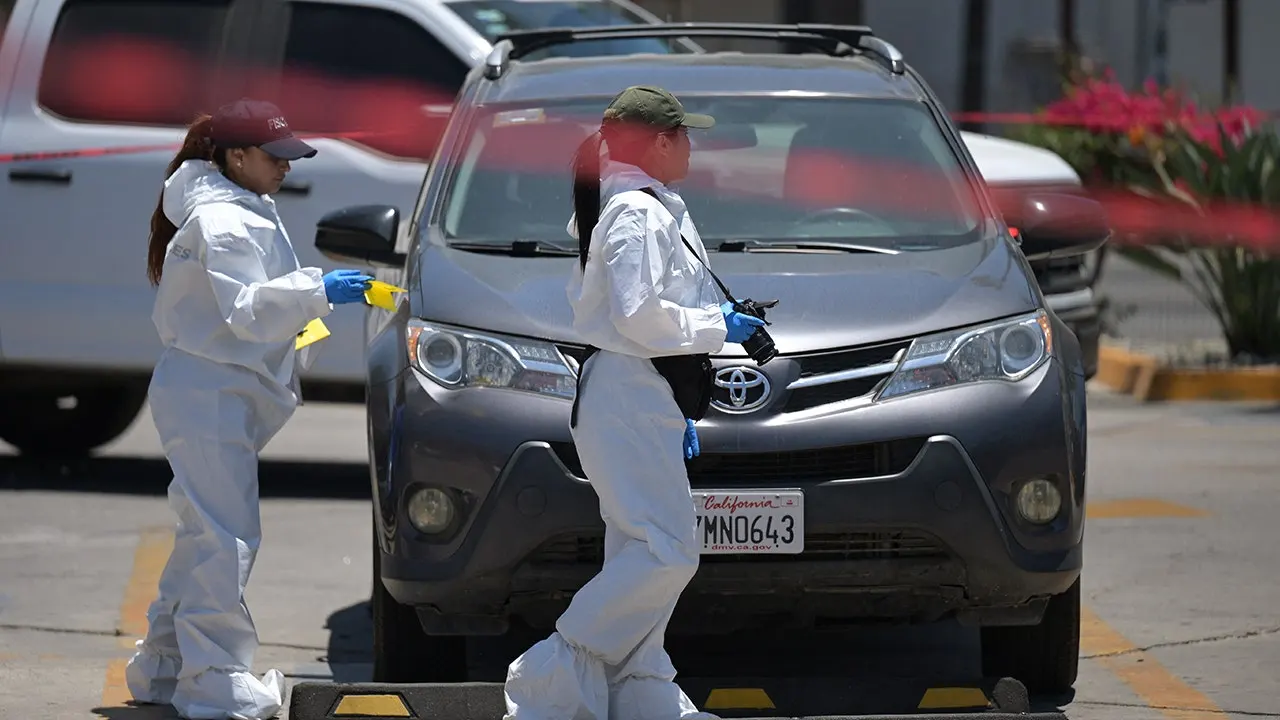
The unsettling chain of events began to unfold on a seemingly typical afternoon in a bustling grocery store parking lot located a stone’s throw from Caliente Stadium, a place usually alive with the hum of daily shoppers, local vendors, and excited sports fans. The mundane rhythm of the afternoon was shattered when a suffocating, unmistakable odor began to drift through the warm air, drawing the concerned attention of passersby and store employees who traced the foul scent back to a stationary, nondescript gray Toyota SUV. The vehicle, which bore California license plates, sat parked quietly among the cars of ordinary citizens who had simply come to buy groceries, its dusty windows shielding a horrific secret from the casual observer. Upon closer inspection, local onlookers noted that the SUV had suffered significant damage to its rear end and was fitted with a license plate bracket originating from a well-known local car dealership in Tijuana—a subtle but telling detail that pointed to the complicated, highly porous relationship between the transport networks of Southern California and Baja California. As the stench became too overpowering to ignore, panicked witnesses contacted local emergency services, prompting a swift and heavily armed response from municipal police officers. Peering through the dust-covered glass and forcing open the vehicle’s locked cabin, responding officers quickly redirected their focus to the rear of the vehicle; upon popping open the damaged trunk, they made the gruesome and heartbreaking discovery of a human body, wrapped tightly in a heavy black plastic bag, displaying unmistakable and severe signs of physical violence that pointed directly to a brutal, deliberate homicide.
In the immediate aftermath of the macabre discovery, the grocery store parking lot was transformed from a site of daily commerce into a sterile, high-tension crime scene cordoned off by bright yellow tape, surrounded by heavily armed military and local police units. Beneath the glaring Mexican sun, forensic investigators clad in ghostly, white hazmat jumpsuits crawled over the gray SUV, meticulously dusting for fingerprints, collecting tissue samples, and documenting the physical evidence left behind by the perpetrators. Photographers captured chilling images of these faceless technicians working diligently against the backdrop of the dusty, sun-baked pavement, their sterile white suits contrasting sharply with the grim reality of the decomposing human remains they were tasked with handling. This was not merely the cold collection of physical data; it was the slow, methodical uncovering of a human tragedy, a stark reminder that behind every statistic of violence in this border town lies a human life that was abruptly and brutally extinguished. The presence of California plates on the vehicle served as a haunting symbol of the deep, systemic ties that bind the criminal underworlds of San Diego and Tijuana, where vehicles and illicit goods are routinely trafficked back and forth across the international boundary line. As the forensic team worked to identify the deceased and reconstruct their final, terrifying moments, a heavy silence settled over the neighborhood, a quiet testament to the collective grief and normalization of violence that the local population is forced to endure on a regular basis.
Tijuana’s reputation as one of the most volatile cities on the planet is not a secret, but rather a tragic reality shaped by geography, geopolitics, and socio-economic struggles. Situated directly adjacent to the United States-Mexico border, just a short drive from the affluent coastal metropolis of San Diego, Tijuana exists as a hyper-dynamic hub of humanity that is constantly caught in a state of transition and friction. It is a city where desperate migrants wait for a chance at a new life, where tourists flock for cheap medication and vibrant nightlife, and where powerful drug cartels wage a relentless, low-intensity war for control of lucrative smuggling routes into the American market. The infrastructure of this illicit trade is vast and deeply entrenched; only recently, authorities discovered another massive, highly sophisticated hidden smuggling tunnel running beneath the border, highlighting the relentless ingenuity of the criminal enterprises operating in the region. Furthermore, the city struggles with massive environmental and municipal crises, such as the overwhelming “tsunami of sewage” that routinely leaks across the chemical and physical boundary of the border, drawing ire from California officials and underscoring the ways in which Tijuana’s internal problems physically overflow into the United States. In this highly charged environment, the discovery of a body in a parking lot is, tragically, a common occurrence for a local populace that has been forced to adapt to a high baseline of danger, yet the proximity of this specific crime to an international sporting event stripped away the veil of normalcy, forcing the world to look directly at the violence that defines daily life for so many.
For the members of the Iranian national soccer team, the discovery of a decomposing corpse just outside their training facility introduced a disturbing, surreal element to their intense World Cup preparations. The Team Melli, as they are affectionately known by millions of passionate fans back home, are already accustomed to navigating immense pressure, carrying the heavy political and social expectations of a nation that is often under intense global scrutiny. They had traveled to Tijuana to utilize the world-class facilities of Caliente Stadium, seeking a focused environment to sharp-tune their tactics and physical conditioning ahead of their highly anticipated, high-profile exhibition match against New Zealand at the state-of-the-art SoFi Stadium in Los Angeles. To have their sanctuary of athletic devotion interrupted by the grim realities of a local gangland execution is a psychological test of the highest order, forcing young athletes to compartmentalize the horror of a nearby murder while maintaining the elite focus required to compete at the absolute highest level of the global sport. Soccer, often called the ultimate distraction and the beautiful game, is supposed to transcend the grim struggles of the physical world, offering a brief window of joy and unity; however, this chilling incident served as a stark reminder that the bubble of professional sports is incredibly fragile, easily pierced by the raw, unvarnished tragedies of the real world that continue to unfold just outside the stadium gates.
As the Iranian national team wraps up their final training sessions and prepares to cross the heavily guarded border into California to face New Zealand under the bright lights of SoFi Stadium, the memory of the nameless soul left in the trunk of the gray SUV will linger as a solemn ghost of their time in Tijuana. The game of soccer will inevitably go on, the stadiums will fill with cheering crowds, and the world will marvel at the physical grace and competitive spirit of the athletes, temporarily forgetting the shadows that loomed over their physical preparation. Yet, the stark reality of the borderlands remains unchanged, a silent, enduring testament to the vast economic and social divides that define our globalized world. The tragic victim found in the grocery store parking lot, whose identity may take weeks or even months to uncover, represents the hundreds of forgotten individuals who lose their lives annually in the crossfire of a drug war that feels endlessly distant to the average sports fan, yet is deeply intimate to the families left behind in Baja California. This tragic juxtaposition of elite international sport and brutal, localized violence forces us to reckon with the profound inequalities that exist just miles apart on either side of a steel border fence, reminding us that true human progress cannot be measured solely by the grandeur of our athletic spectacles, but by our collective ability to bring safety, dignity, and justice to the communities that lie in their shadow.