



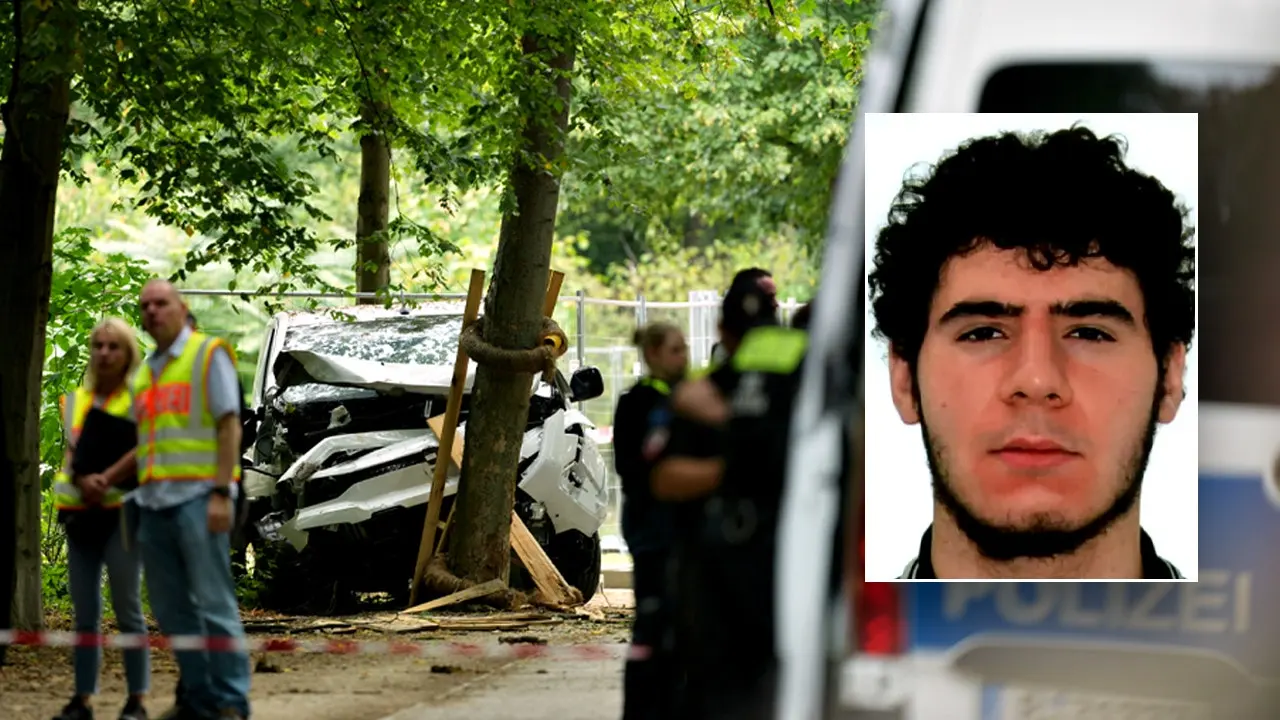
It was supposed to be a weekend dedicated to love, acceptance, and the hard-won victories of human rights, as the streets of Berlin filled with the vibrant colors, music, and laughter of the annual pride festival. For thousands of attendees, the gathering represented a sanctuary of safety and self-expression in a world that can still feel remarkably hostile to the LGBTQ+ community. But that collective joy was shattered in an instant when a brutal wave of violence swept through the crowds, leaving a trail of physical and emotional devastation in its wake. The sudden transition from celebration to terror left one person dead, twenty-nine others injured, and a community traumatized by a senseless, targeted assault. As the panic subsided, the immediate physical wounds began to heal, but the psychological scars remained deeply etched into the fabric of the city. Berliners were left to grapple with the chilling reality that their sanctuary had been breached, raising painful, urgent questions about the vulnerability of public spaces and the human cost of extremist hate. In the days following the tragedy, the vibrant pride flags that had symbolized hope and solidarity were lowered to half-staff, serving as a somber reminder of a community in mourning, desperately searching for answers and comfort in the face of unimaginable grief.
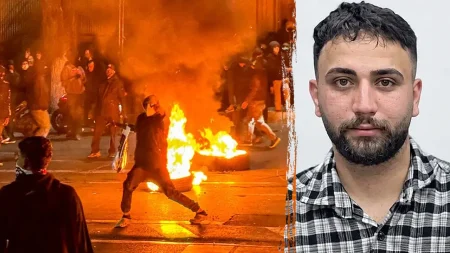
The mechanics of the attack themselves read like a nightmare, unfolding with a terrifying rapidness that gave the unsuspecting victims no time to escape. On a warm Saturday night, twenty-one-year-old Abdul Ballout allegedly weaponized a van, plowing the heavy vehicle directly into the dense crowds of festival-goers before exiting the vehicle to continue his rampage on foot with a machete. The sheer chaos of the scene—marked by the screech of tires, the screams of the wounded, and the desperate scramble for cover—sent shockwaves across Berlin. The hunt for the suspect ended the following day in a dramatic, fatal confrontation with law enforcement officers. When cornered by a special forces unit, Ballout refused to surrender, instead charging the officers with a bladed weapon, prompting them to open fire and fatally wound him at the scene. While the immediate threat was neutralized, the violence left behind a deeply shaken city, placing a severe emotional toll not only on the survivors and the families of the victims but also on the first responders and police officers who had to confront the bloody aftermath of a calculated act of domestic terror.
Perhaps the most unsettling element for the public was the realization that the perpetrator was not a foreign operative who had slipped past border controls, but a young man born and raised in Berlin, possessing full German citizenship. Abdul Ballout’s path to radicalization represents a tragic and terrifying modern narrative of a young life consumed by the digital and ideological poison of the Islamic State. Last year, at just twenty years old, Ballout had traveled to Lebanon with the explicit and desperate goal of crossing the border into Syria to officially join the ranks of ISIS. To his neighbors and peers, he was a child of the capital, a young man who had grown up in their schools and walked their streets, yet secretly harbored a boiling hatred for the very society that had nurtured him. His radicalization highlights the insidious, tragic failure of early-intervention systems, leaving families and community leaders to wonder how a local youth could become so profoundly alienated and weaponized against his own neighbors. The realization that such extreme, volatile hatred could be cultivated entirely within domestic borders has forced the nation to look inward, confronting the dark reality of radicalized youth living quietly among them.
The grief of the public quickly turned to collective outrage as details emerged regarding the suspect’s previous encounters with the German judicial system. Just months before the attack, a Berlin juvenile court had convicted Ballout of preparing a serious act of violent subversion against the state and disseminating highly dangerous ISIS propaganda. Despite the severity of these charges, which clearly marked him as a national security threat, the court sentenced him to a youth custody term of only one year and ten months, subsequently lifting his arrest warrant and deferring his probation under a controversial provision of the Juvenile Courts Act. While the public prosecutor’s office, sensing the immense danger Ballout posed, desperately filed an appeal to demand a longer, non-probationary sentence, the wheels of justice turned too slowly; the conviction was not yet legally binding, and Ballout was permitted to walk free. This shocking bureaucratic loophole, designed to prioritize the rehabilitation of young offenders over public safety, ultimately provided a convicted extremist with the freedom and opportunity to plan and execute a mass casualty event. The revelation of this failure has sparked a bitter debate over whether the legal system’s compassionate treatment of youthful offenders has created a blind spot that leaves innocent citizens entirely unprotected.
This systemic failure has ignited a fierce political firestorm across Germany, with prominent leaders demanding accountability and expressing absolute disbelief over the judicial decisions that allowed a known extremist to roam free. German Chancellor Friedrich Merz spoke out passionately in the wake of the attack, calling for a thorough reevaluation of security laws and insisting that the government must do everything within its power to protect citizens from dangerous individuals who, for whatever legal technicalities, manage to evade custody. Interior Minister Alexander Dobrindt echoed this frustration in an interview with public broadcaster ZDF, pointing out the glaring, common-sense absurdity of allowing a convicted ISIS supporter walk the streets, stating that keeping such a high-risk individual in custody was the only logical course of action. Meanwhile, Berlin Mayor Kai Wegner, speaking to regional broadcaster RBB, captured the exhaustion and anger of the public by admitting that while he respected the historical independence of the judiciary, when it came to the catastrophic oversight in this specific case, “words fail me.” These raw, emotional statements from the country’s highest officials highlight a growing chasm between the cautious, procedural protections of the law and the urgent, protective demands of a terrified public.
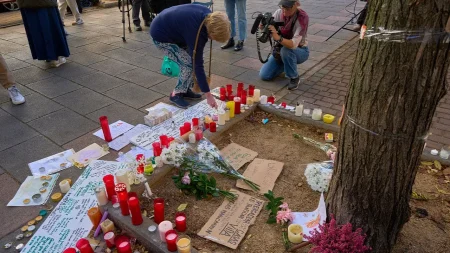
Ultimately, the tragedy in Berlin serves as a painful warning about the persistent, evolving threat of global terrorism, which actively waits to exploit any gaps left by fractured legal frameworks and security oversights. Security experts have warned that terror organizations like ISIS remain highly adept at capitalizing on systemic vulnerabilities, leveraging lone-wolf actors to inflict maximum damage on civilian targets with absolute minimal resource requirements. Yet, even in the shadow of this immense grief and the political battles that lie ahead, the resilient spirit of Berlin’s citizens remains unbroken. In the days following the attack, community members, allies, and survivors gathered to hold vigils, lighting candles and reasserting their commitment to love, freedom, and inclusivity. Their message was quiet but powerful: while their laws and safety nets may have failed them, their unity would not, and they would refuse to let fear dictate how they live, love, and gather. As Germany begins the difficult process of revising its juvenile security protocols, the memory of those lost in Berlin stands as a solemn monument to the delicate balance a free society must maintain—protecting the civil liberties of the individual while forcefully upholding its sacred duty to protect the lives of its people.