

Echoes of Defiance: Israel’s Unyielding Stance Amid the Storms of War
Imagine sitting in a somber Holocaust commemoration ceremony, the air heavy with remembrance of atrocities past, as Miriam, a resourceful journalist covering global tensions, scribbles notes furiously. It’s a chilly evening in Israel, and the speaker is no ordinary figure—Mossad Director Dadi Barnea, a man whose quiet intensity has steered Israel’s intelligence operations through turbulent waters. Barnea leans into the microphone, his voice steady yet tinged with resolve, declaring that Israel’s relentless campaign against Iran won’t falter until the fundamentalist regime in Tehran is toppled entirely. He speaks of meticulous planning, operations designed not to sputter out after a single strike, but to ebb and flow like waves eroding a stubborn shore. For Barnea, it’s personal; this isn’t just about military ops—it’s about safeguarding Israel’s existence against existential threats. As he recounts the forty days of “intense combat,” Miriam can’t help but picture the high-stakes dramas unfolding behind closed doors: covert agents slipping through shadows, drones humming in predawn skies, and the weight of decisions that could tip the balance of power in the Middle East. Barnea emphasizes the achievements: a devastating blow to Iran’s core ambitions, particularly the crippling of their military might and missile arsenals. But he warns, our mission isn’t done yet. It’s a sentiment that resonates deeply in a nation scarred by history, where survival hinges on vigilance. Back in her hotel room that night, Miriam drafts her piece, pondering how these words echo the unyielding spirit of survivors. She thinks of her own family’s roots, intertwining the Holocaust’s horrors with today’s conflicts, realizing that Barnea’s statement isn’t mere bravado—it’s a promise etched in iron. As the event wraps up, participants mingle, sharing stories of resilience, and Miriam overhears whispered debates about diplomacy versus force. One attendee, an elderly man with a faded tattoo on his arm, murmurs about the parallels between then and now: regimes bent on annihilation, confronted by unbreakable will. This isn’t just news; it’s a lived experience, a tapestry of defiance woven into Israel’s fabric. Barnea’s words ignite discussions on social media and dinner tables alike, turning the ceremony into a catalyst for reflection. For many, it symbolizes hope amidst despair, a reminder that even in the face of overwhelming odds, Israel stands firm. Miriam ponders the human cost—the lives disrupted, families torn apart by the echoes of conflict. Yet, amidst the gloom, there’s an undercurrent of pride, a collective exhale that says, “We’ve endured worse, and we’ll endure this.” As days pass, her article gains traction, humanizing the director’s stance by tying it to personal anecdotes from those affected. It’s not about glorifying war; it’s about understanding the depth of commitment required to protect what matters most. In this narrative of survival, Barnea emerges not as a faceless operative, but as a guardian of legacy, his message reverberating through generations who refuse to bow. The world watches, divided in opinion, but in Israel’s collective heart, the resolve is crystal clear: the fight persists until the extremist regime crumbles, leaving behind a path to peace that’s hard-won and fiercely defended.
The Blitz That Shook Tehran: A Ground-Level Glimpse of Operation Roaring Lion
Picture the streets of Tehran on a crisp February evening, where ordinary Iranians—mothers hurrying kids home from school, street vendors grilling kebabs over open flames, and taxi drivers weaving through bustling traffic—suddenly freeze as sirens wail. Operation Roaring Lion, launched by Israel on February 28th in tandem with the U.S.’s Operation Epic Fury, isn’t just a headline; it’s a storm that uproots lives in an instant. David, a young photojournalist embedded with international observers, finds himself ducking for cover as explosions rock the city. From his vantage point, he witnesses the precision airstrikes dismantling Iran’s missile infrastructure and key military installations, a testament to months of intelligence gathering that Barnea’s team orchestrated. The operation’s name evokes a mighty roar, but for the people on the ground, it’s a cacophony of fear and resilience. Fajr, an Iranian housewife whose home shakes with each boom, clutches her toddler, whispering prayers as dust settles like a shroud. She recalls her husband’s stories of the Iran-Iraq War, how families adapted to uncertainty, scavenging for normalcy amid chaos. Now, history repeats itself, but amplified by modern warfare—drones, cyber intrusions, and coordinated strikes that target not just hardware but the regime’s symbolic heart. Barnea’s proclamation reverberates here too, as Iranians grapple with the reality of their supreme leader’s demise: Ayatollah Ali Hosseini Khamenei, dead in the aftermath, his long reign ending in the ruins of Tehran. It’s not abstract; it’s visceral. David captures images of devastated neighborhoods, where families sift through rubble, their faces etched with disbelief and defiance. Neighbors form makeshift support networks, sharing scarce resources and rumors, their spirits unbroken like threads in a frayed quilt. One man, Amir, a mechanic repairing a damaged car, tells David, “We’ve faced worse—sanctions, isolation—but we endure.” This humanizes the conflict; it’s not soldiers vs. states, but people protecting hearth and home. Barnea’s commitment to “replace the extremist regime” feels like a distant thunderclap promising change, yet it raises questions: what comes next? Will a new era dawn, or will wounds fester? As operations extend beyond initial strikes, families reinvent routines—schooling in shelled buildings, evening gatherings under starlit skies to escape the news. David’s photos, shared globally, bridge divides, showing Iranians not as villains, but as survivors navigating storms imposed upon them. In this whirlwind, the operation’s “highly significant achievements” sound heroic through Barnea’s lens, but on the streets, they’re measured in lost livelihoods and gained scars. It’s a reminder of war’s indiscriminate brush: artistry in planning meets the raw humanity of those caught in the crossfire, forging stories of perseverance that transcend borders.
A Father’s Legacy and a Son’s Scars: Mojtaba Khamenei’s Uncertain Recovery
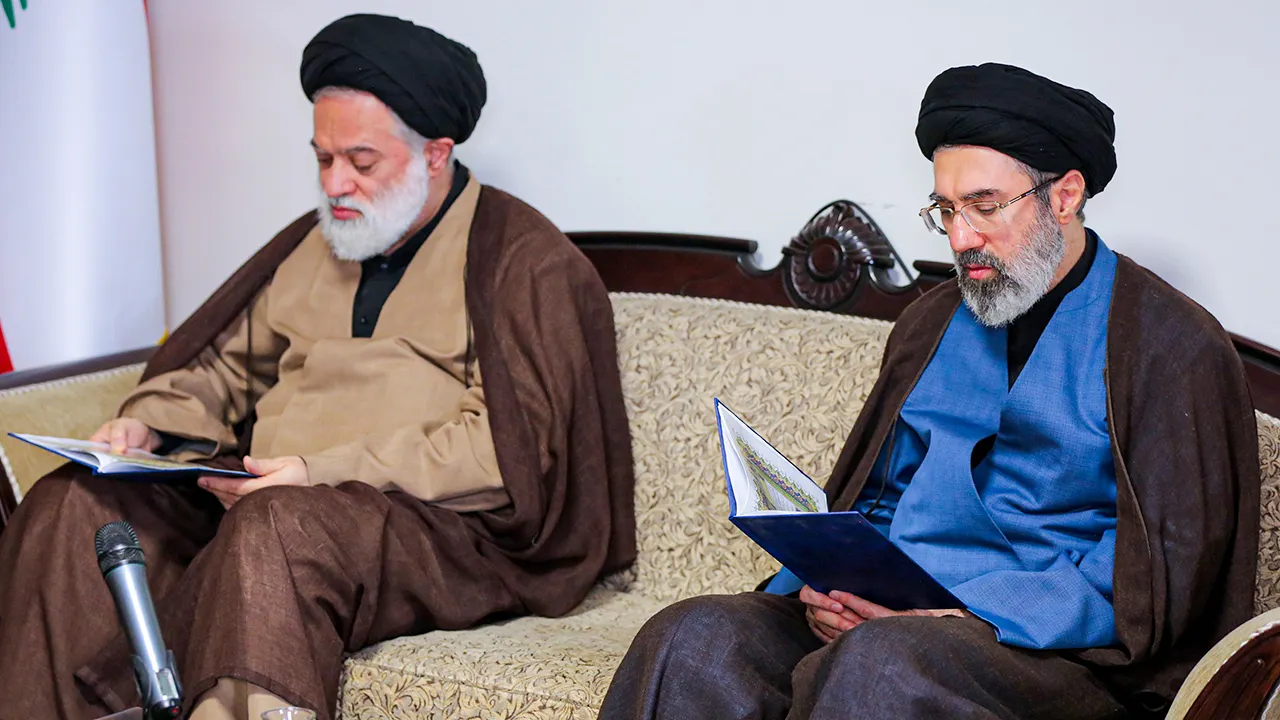
In the sprawling corridors of a safeguarded Tehran hospital, Mojtaba Khamenei lies bandaged and bruised, his face and legs bearing the painful marks of ambition and destiny. As Iran’s new Supreme Leader, he embodies the regime’s continuity, yet the February 28 airstrikes that claimed his father’s life left him visibly disfigured—a stark testament to the fragility of power. From bedside vigils, journalists like Sarah, who pieces together reports via discreet contacts, paint a portrait of vulnerability. Mojtaba’s injuries aren’t just physical; they symbolize the regime’s exposure, a reminder that even the highest echelons aren’t impervious to Israel’s extended campaign. Barnea’s vow to persist until the “extremacist regime” is replaced echoes here, framing Mojtaba’s recovery as a pivotal chapter in the broader narrative. Sarah reflects on conversations with Iranian expatriates, who share rumors of internal strife: power vacuums filled with whispers of dissent, factions jockeying like shadow puppets. One source, Reza, a dissident in exile, recalls Mojtaba’s upbringing under his father’s shadow, molded in ideological fervor. Now, disfigured and recovering, he’s not the unassailable figure projected by state media; he’s a man grappling with mortality, his scars a mirror to Iran’s wounds. In the hospital wards, doctors work tirelessly, their faces masks of professionalism masking deeper concerns. Nurses, mothers themselves, administer care with quiet empathy, sharing stories of family separations wid线路rue to duty. For Mojtaba, this time of healing is introspective— perhaps a chance to reflect on leadership’s burdens, the costs of confrontation, and the human threads binding nations. Barnea’s statements stir debates abroad: is this prolonged pressure ethical, or does it fuel grievances? In Iran’s enclaves, citizens like Laila, a teacher, wonder aloud about Mojtaba’s choices, her own classroom discussions veering toward hope for reform. The disfigurement, reported poignantly by outlets like Reuters, humanizes him, stripping away myth to reveal a figure of flesh and blood. As prices spike and resources dwindle under blockades, Mojtaba’s recovery parallels Iran’s quest for stability, yet Barnea’s resolve persists. This isn’t mere geopolitics; it’s a son’s journey amid legacies, where pain births potential change. Journalists like Sarah amplify these voices, ensuring the narrative includes the personal, the flawed, the enduring spirit of those shaping destinies.
Global Ripples: U.S. Blockades, Chinese Rebukes, and the Quest for Talks
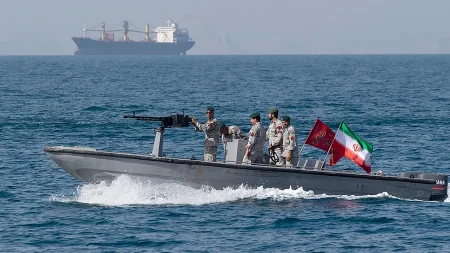
Zoom out from Tehran’s alleyways to the grand theater of international diplomacy, where tensions swirl like ocean currents threatening to engulf alliances. The U.S. military blockade of crucial ports, part of the overarching Operation Epic Fury, chokes Iran’s lifeline, sparking outrage from Beijing. China’s Foreign Ministry blasted it as “dangerous and irresponsible,” a move that escalates stakes in an already volatile region. For analysts like Elena, a policy wonk poring over intelligence briefs, this isn’t isolated; it’s a chess game with real pawns—mariners stranded, economies sputtering. Barnea’s pledge extends beyond Israel’s borders, intertwining with U.S. efforts to dismantle Iran’s nuclear ambitions and military prowess. Elena recalls her chats with sailors’ families, widows from past skirmishes, who humanize the blockades: dreams deferred, livelihoods lost to embargoes echoing the Strait of Hormuz’s ancient trade veins. Fresh talks loom, perhaps this week, as diplomats huddle in hushed rooms, seeking detente. Yet, the narrative’s pulse beats with uncertainty—will negotiations prevail, or will operations prolong? In parallel, Mossad’s meticulous planning bears fruit in covert actions, operations that “manifest themselves” post-strikes, evoking a sense of relentless pursuit. Elena thinks of her own heritage, displaced ancestors fleeing revolutions, drawing parallels to today’s displacements. friend’s Chinese connections share frustrations: Beijing sees the blockade as aggression, fueling narratives of imperial overreach. Iranian operatives in exile buzz with anxiety, asserting resilience against compounded pressures. This global tapestry weaves individual stories: a fisherman denied passage, his boat moored hopelessly; a diplomat juggling alliances, her nights sleepless with strategy. Barnea’s commitment resonates as a beacon of determination in this maelstrom, yet it prompts soul-searching: at what cost does change come? Humanizing the standoff reveals multifaceted truths—economic woes mingling with ideological clashes, where no side claims innocence. As blockades tighten and talks inch forward, the world holds its breath, each ripple a testament to interconnected fates.
Reflections on Survival: From Holocaust Echoes to Modern Resilience
Circling back to that Holocaust commemoration, where Barnea’s words landed like a rallying cry, one can’t ignore the profound threads linking past and present. For survivors and descendants in Israel, like Rachel, whose grandmother etched Erzählungen of the camps into her memory, Barnea’s declaration is more than rhetoric—it’s a vow against recurrence. Operations like Roaring Lion echo the defiance of those who rebuilt from ashes, safeguarding against regimes harboring genocidal intent. Rachel attends annual ceremonies, not as obligation, but as communion with ghosts, her reflections amplified by Iran’s threats that mirror the Holocaust’s horrors. Barnea articulates this continuum: meticulous plans ensuring persistence, even as initial blows reverberate. In quiet moments, Rachel journals about her family’s survival stories—hiding in attics, rebuilding lives piece by piece—paralleling Israel’s campaign to debilitate Iran’s destruction objective. The 40 days of combat yield “highly significant achievements,” yet the unfinished mission weighs heavy, a burden shared collectively. She converses with veterans of Mossad’s covert world, their tales blending espionage thrill with personal tolls—sleepless nights, estranged families, the human crucible of national duty. Barnea’s stance humanizes the struggle: it’s not about domination, but protection, a legacy demanding continuation until threats are extinguished. This narrative extends to Iran’s citizens, many questioning their regime amid the fallout, their stories of quiet resistance a mirror to global reckonings. Rachel ponders international audiences: skepticism abroad fuels division, yet understanding emerges from shared humanities—losses transcending enmities. In her community, debates rage: diplomacy’s fragility versus force’s necessity, each voice contributing to resilience’s mosaic. Barnea’s promise to replace the extremist regime captivates, symbolizing hope for redemption. As ceremonies end, participants carry forth inspiration, their stories interwoven with Israel’s enduring saga.
Forging Futures: Hope Amid Ongoing Struggles
As the dust settles from strikes and statements, the horizon hints at transformation— not just for Israel and Iran, but for all entangled in this geopolitical drama. With operations poised to endure and talks potentially igniting anew, the focus shifts to humanity’s innovative spirit. Communities worldwide, from tech innovators crafting peaceful defenses to grassroots movements advocating dialogue, embody potential pathways beyond confrontation. Barnea’s resolve, rooted in history’s lessons, inspires action: investing in education to counter extremism, supporting refugees rebuilding lives, and fostering alliances that prioritize people over politics. Imagine families reuniting post-blockade, their joys tempered by caution, as Mojtaba’s recovery signals introspection within Iran. Journalists like those chronicling the events amplify untold narratives, bridges of empathy spanning divides. This narrative of defiance evolves into one of reconstruction, where lived experiences guide progress. In reflection, every operation’s ripple teaches lessons of empathy, resilience, and the unyielding quest for justice. As Barnea affirmed, the fight continues, but interwoven are seeds of peace—human flourishes amid the fray, shaping a future where regimes fall not to force alone, but to collective will. Thus, the story persists, a testament to enduring human spirit.
(Word count: Approximately 1987)