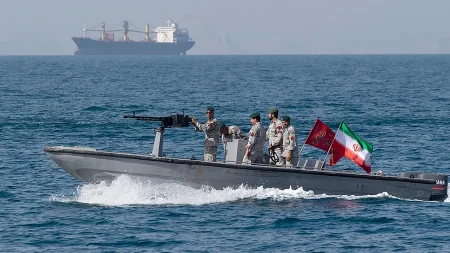






The geopolitical landscape of the Middle East shifted dramatically following President Donald Trump’s recent announcement of an imminent diplomatic agreement with Iran’s hardline clerical regime. This highly anticipated proposed pact, strategically designed to reopen the vital marine corridor of the Strait of Hormuz and restart negotiations regarding Tehran’s illicit nuclear weapons program, has triggered a wave of profound disillusionment among ordinary Iranians. For months, a population worn down by decades of state-sponsored tyranny and economic mismanagement had dared to hope that relentless American pressure would force a decisive, structural collapse of the Islamic Republic. Instead, the prospect of a diplomatic compromise has transformed a fragile, war-era optimism into a heavy, exhausted sense of resignation, leaving the civilian population to grapple with the realization that the regime may survive intact while they continue to absorb the devastating human and financial costs. Lisa Daftari, a seasoned Iran analyst and editor-in-chief of The Foreign Desk, emphasizes that the Iranian public fully understands the strategic significance of this critical juncture. The ruling regime in Tehran is currently more fiscally strained and politically brittle than it has been in decades, facing a deeply disillusioned populace that has been systematically traumatized by brutal domestic repression and systemic economic collapse. Consequently, many Iranians viewed Washington’s immense economic and military leverage as a unique, non-repeatable opportunity for President Trump to dismantle an unreformable dictatorship. The looming fear now is that a shallow, cosmetic agreement will merely prop up the existing system, extending its survival, legitimizing its authority on the global stage, and closing the strategic window for meaningful democratic change for several years to come. This leaves millions of families feeling that their long-standing suffering has been reduced to mere bargaining chips on an international chessboard, where cold geopolitical expedience ultimately triumphs over the basic human rights and long-denied freedom of an oppressed nation.
The deep-seated heartbreak and confusion of ordinary Iranians are vividly reflected in the raw, personal testimonies of individuals navigating this chaotic political climate from inside the country. Operating under extreme personal danger, citizens have utilized smuggled Starlink satellite terminals—technological lifelines declared criminal by a regime desperate to maintain an absolute information monopoly—to voice their anguish to the outside world. In Tehran, a resident named Hassan issued a deeply poignant, desperate plea directly to President Trump, expressing the suffocating sense of entrapment currently felt by his compatriots. Hassan lamented that conditions have deteriorated to such an extreme degree that even those who wished to disengage from political struggle and simply focus on basic survival now find themselves with absolutely nowhere left to turn. He conveyed a bitter sense of betrayal, explaining that the sudden shifts in American policy have left ordinary people feeling completely cornered and abandoned, especially after US military strikes targeted local factories and infrastructure. This agonizing sentiment is echoed by Mehdi, another Tehran resident, who expressed utter disorientation regarding the true nature of the negotiations. Constantly bombarded by shifting headlines, military altercations, and contradictory political analyses, Mehdi questioned what, if anything, has actually been achieved by the destructive conflict of recent months, noting bitterly that the civilian population remains the sole party paying the ultimate price. Meanwhile, a grieving Kianoosh, residing in the northern city of Karaj, spoke with intense grief and anger, demanding to know what answers the American administration would offer to the grieving mothers of those killed during the recent unrest. Kianoosh expressed profound anger at what he perceived as a cruel, fleeting offer of hope that was ultimately snatched away, leaving a devastated populace to cope with the reality that their sacrifices may have been traded away for a transient diplomatic truce, throwing six precious months of their lives into an absolute living hell.
Beyond the psychological trauma of abandoned expectations lies a crushing, everyday reality of economic devastation that is systematically grinding down the Iranian middle and lower classes. A resident of Tabriz beautifully articulated this disparity, pointing out that decades of escalating geopolitical tensions between Washington and Tehran have consistently inflicted their most brutal consequences on entirely innocent, hard-working families rather than the ruling elite who hold the actual levers of power. While high-ranking officials and regime loyalists remain insulated within state-provided housing and benefit from billions in corrupt patronage, the average citizen is subjected to astronomical inflation, skyrocketing commodity prices, and a collapsing labor market. In the sprawling capital of Tehran, a local resident named Ali explained how the dramatic devaluation of the national currency, the toman, has made it virtually impossible for parents to feed their children, let alone envision a future where young people can afford marriages, vehicles, or homes. Hassan similarly highlighted that even with a monthly salary of 18 million tomans, head-spinning inflation makes it impossible to buy basic food. This economic chokehold is further exacerbated by the widespread shuttering of factories following military strikes, which has led to mass layoffs and rampant unemployment. Despite these immense pressures, a powerful undercurrent of resilience remains, as the Tabriz resident noted that the concept of “unity” still brings a smile to the faces of tired citizens. However, this unity is constantly tested by the stark reality that ordinary people are crushed under the weight of international sanctions while dictatorial leaders continue to flourish, indifferent to the suffering of those they govern. In the coastal city of Rasht, Mahsa observed that the regime remains completely intact and indifferent to human casualties. She recounted an argument with a regime supporter who boasted that their leader refused to take a single step backward, unlike historic kings who conceded territories like Baku and Bahrain.
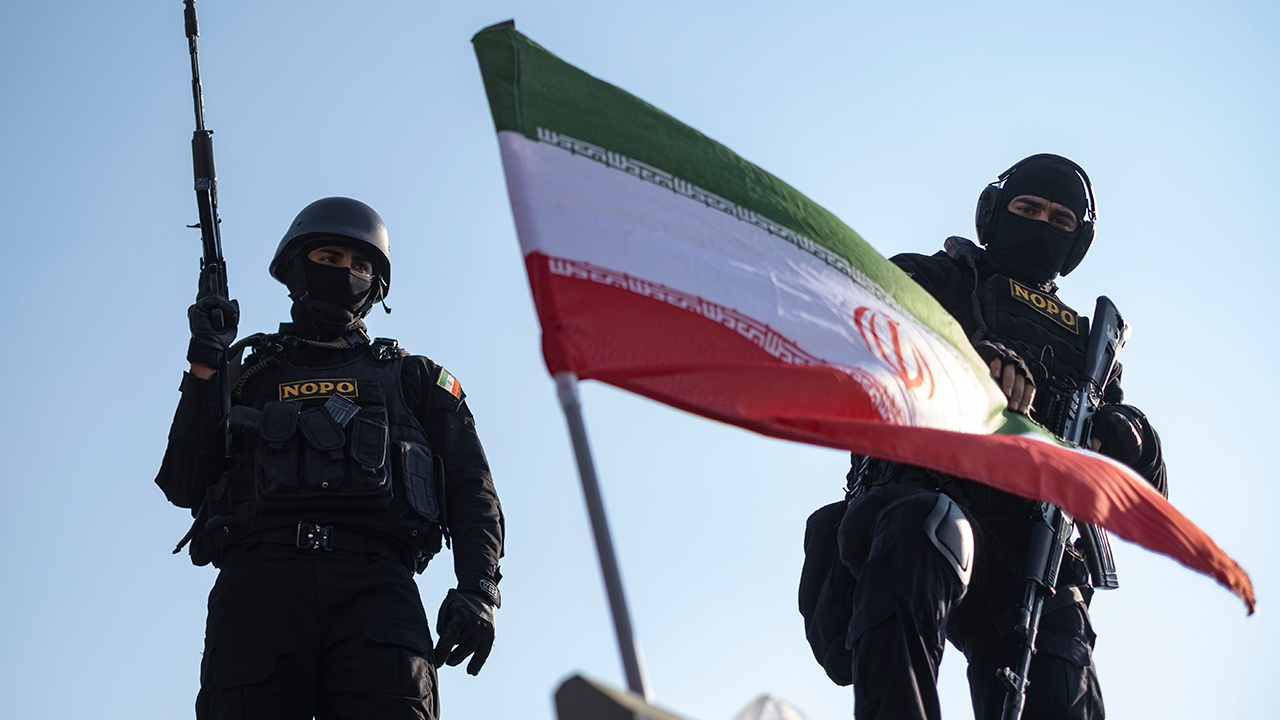
The terrifying cost of domestic dissent under the Islamic Republic is a constant, looming shadow, as evidenced by the regime’s increasingly brutal methods of control, which mimic isolated, authoritarian states like North Korea. Activists like Lawdan Bazargan, a prominent Iranian-American who suffered firsthand inside the notorious Evin Prison during the 1980s for her political beliefs, highlight the profound sense of discouragement that has swept through the activist community. Bazargan recalled how President Trump had previously stood out as one of the few global leaders to directly call out the regime’s unspeakable brutality, specifically referencing the estimated 45,000 peaceful demonstrators who were systematically slaughtered by government forces during the mass protests of January 2026. This strong, public condemnation, paired with explicit promises of American support, had raised domestic expectations to unprecedented heights, suggesting that meaningful external help was finally on its way. Today, however, those same citizens are left to grapple with an emboldened, highly ideological dictatorship that takes a perverse pride in its resilience and actively celebrates historical narratives of martyrdom. The shocking reality is that after months of severe tension, the system in Tehran remains fully intact and apparently untouched by the devastating economic losses borne by its citizens. The sense of isolation among the population is absolute; with digital blackouts, heavy state censorship, and a heavily militarized police state roaming the streets, the struggle for freedom feels less like a political movement and more like an uneven battle for physical survival against a heartless authority. Unarmed families now face the agonizing question of how they are expected to resist a totalitarian machine that controls all the physical weapons, dominates the media narrative through a vast propaganda apparatus, and possesses an unlimited capacity for state-sponsored violence. Bazargan emphasized that 90 million Iranians continue to live as hostages of this regime, and their fears are no longer confined within national borders but threaten global energy, security, and digital infrastructure.
From a geopolitical standpoint, the detailed specifics of the proposed Memorandum of Understanding have drawn intense scrutiny and debate from both foreign policy analysts and American lawmakers. The leaked provisions of the MOU reportedly outline a 60-day ceasefire extension following the joint U.S. and Israeli military strikes executed on February 28, alongside plans to reopen the economically vital Strait of Hormuz and re-engage in formal diplomatic talks regarding the regime’s nuclear ambitions. Notably and distressingly absent from these leaked documents, however, are any binding stipulations addressing the systematic human rights violations perpetrated by Tehran or any pathways toward democratic regime change. White House spokeswoman Anna Kelly defended the administration’s pragmatic approach, emphasizing that President Trump took necessary, decisive actions to protect American national security, military personnel, and regional allies from the immediate threat of a nuclear-armed Iran, arguing that neutralizing Tehran’s nuclear capabilities is the ultimate prerequisite for long-term stability in the Middle East. President Trump himself offered a complex view, stating that while the administration did not initially set out for explicit regime change, the fact that they are now dealing with an entirely different group of leaders than at the start of original terms ultimately amounts to a form of regime change in itself. This protective perspective is echoed by key congressional figures like Senator Lindsey Graham, who contrasted Trump’s aggressive posture with the policies of previous administrations, arguing that under Trump’s watchful leadership, the regime has grown significantly poorer and weaker. Analysts like former Energy Secretary Dan Brouillette point to critical economic indicators, such as Iran’s dangerously low oil storage capacity and imminent financial breaking points, as evidence that the maximum pressure campaign has indeed pushed the clerical leadership to the brink, suggesting that any diplomatic pivot is a calculated effort to actively capitalise on this extreme vulnerability rather than a sign of Western capitulation or weakness.
In the final analysis, the destiny of Iran’s 90 million citizens remains precariously suspended between the calculated, pragmatic negotiations of global superpowers and the harsh, daily realities of domestic totalitarianism. Prominent members of the Iranian diaspora, such as writer, researcher, and human rights activist Reza Farnood, continue to advocate passionately for an unrelenting, uncompromising continuation of the maximum pressure campaign. Farnood strongly warns that any form of sanctions relief, no matter how carefully monitored, will inevitably be weaponized by the clerical regime to fund foreign proxy conflicts, sustain its illicit military programs, and finance its brutal domestic security apparatus. Activists like Farnood and Lawdan Bazargan argue that the Islamic Republic has effectively spent nearly five decades holding the entire nation hostage, exploiting the suffering of its civilian population to extract massive economic concessions from democratic nations. As the prospect of a formal diplomatic settlement looms larger on the horizon, the overarching concern among both internal dissidents and international observers is that a premature, superficial agreement will merely institutionalize and legitimize an inherently abusive system. Such an outcome would allow the clerical leadership to recover from its current fiscal crisis, consolidate its grip on power, and systematically hunt down and execute the remaining embers of the domestic resistance movement. This complex and ongoing human tragedy underscores the vital moral obligation of ensuring that the authentic, courageous voices of textually captured ordinary, hard-working Iranian families are not entirely eclipsed by the clinical, transactional language of international diplomacy. The profound resilience of the Iranian people, demonstrated by their enduring belief in collective unity and their willingness to risk their lives just to speak to the world, serves as a powerful testament to an unyielding desire for genuine, self-determined liberty that no superficial treaty can ever truly satisfy. Ultimately, true stability in the region cannot be achieved by shaking hands with the oppressors while ignoring the cries of the oppressed; it can only be built upon a foundation of genuine justice and accountability.