





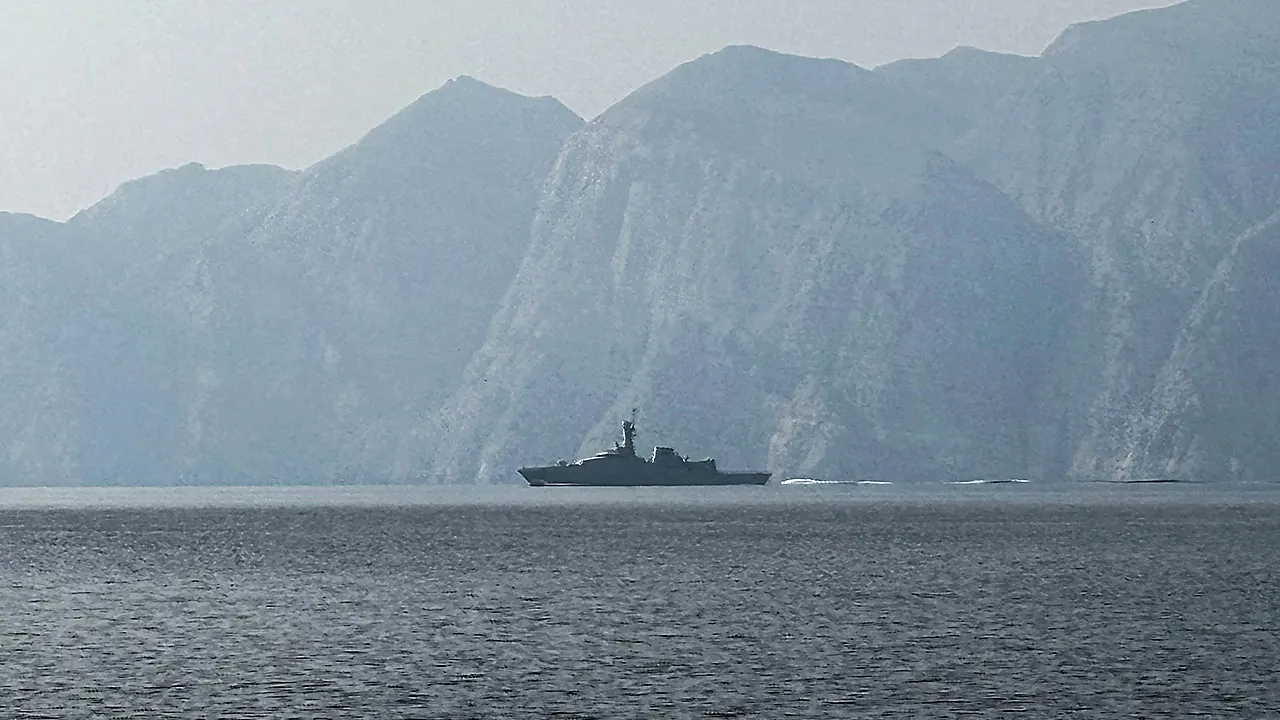
Paragraph 1: Setting the Stage in a Tense Maritime Drama
Imagine waking up one morning to discover that a major artery of the world’s oil supply has been suddenly choked off, not by nature’s fury, but by the heavy hand of international politics. That’s the reality unfolding in the Strait of Hormuz, a narrow waterway shrouded in geopolitical tension, where roughly 20% of the planet’s oil slurps through its choke points every single day. In the shadow of failed peace talks and a fragile two-week ceasefire with Iran, President Donald Trump flexed his presidential muscle on April 13, declaring an all-or-nothing blockade. “Any and all ships trying to enter or leave,” he warned, his voice echoing through Oval Office addresses and cable news cycles alike. This wasn’t just words; it was an ironclad order to U.S. military forces to enforce a no-go zone around Iran’s ports. You can picture the sailors on those hulking naval vessels, radar screens flickering like anxious heartbeats, ready to bar passage for any vessel bearing the flag of the Islamic Republic. But Iran, ever the shrewd player in this high-stakes chess game, didn’t just sit idle. Drawing from decades of shadowy maneuvers learned in the art of evasion, they began rerouting their lifeblood—oil—through covert offshore networks, turning the ocean into a clandestine playground of ship-to-ship handoffs and midnight transfers. It’s like the world’s most expensive game of cat and mouse, played out on the endless blue canvas of the Indian Ocean, where billions of dollars in crude hang in the balance and the specter of conflict looms large. For ordinary folks far removed from these salty theaters, it feels almost surreal: one man’s tweet or speech could spike gas prices at your local pump or rattle markets worldwide. Yet, as experts from maritime intelligence firms like Windward AI peel back the layers, it’s clear Iran isn’t folding—far from it. They’re adapting, innovating, using the vast sea as their shield and partner in defiance.
Paragraph 2: The Blockade’s Birth and Early Days Amid Broken Talks
Let’s rewind a bit to understand the blistering context that birthed this blockade. Picture this: a world already on edge from years of U.S.-Iranian standoffs, from sanctions that bite deep to drone strikes that claim lives, culminated in what felt like a momentary thaw. Peace talks buzzed in Islamabad, a glimmer of hope mirroring the historic Reykjavik summit between Reagan and Gorbachev back in the Cold War days. But hope fizzled, negotiations broke down like a bad handshake, and the ceasefire—those precious two weeks of relative calm—ended with a thud. Enter President Trump, the showman in chief, who didn’t mince words. He’d been hammering home that the Strait must stay open, a lifeline for global trade, but now? It was time for decisive action. At 10 a.m. ET on April 13, U.S. forces, under the watchful eye of Central Command (CENTCOM), swung into gear. No more lip service; this was real. The blockade targeted ships entering or leaving Iranian ports, from the bustling Persian Gulf to the secretive Gulf of Oman. CENTCOM emphasized impartiality—no favoritism, just cold enforcement against anyone playing for Iran. But they assured the world it was about Tehran alone; other traffic through the strait would sail free, untouched. The first hours were telling: nine oil tankers, like door-to-door delivery trucks caught in a police raid, were spotted trying to punch through. U.S. forces didn’t need to board—they roared clear warnings over radios, ordering turns away. By evening, CENTCOM tweeted victories: “No vessels have made it past U.S. forces in the first 48 hours.” It felt triumphant, almost heroic, as if American resolve had sealed the breach. Yet beneath the surface, in that fleeting calm of April 14, the first “full day,” cracks appeared. Vessels reacted unevenly—some pressed on through the strait like defiant rebels, others hesitated, reversed course, or veered off into obscure paths. It was fragmented, unpredictable, as if the sea itself was whispering secrets of resistance.
Paragraph 3: Windward AI’s Eye-Opening Insights into Iranian Evasion
Now, step into the world of Windward AI, the modern-day maritime detectives who’ve turned big data into a superpower. This firm, with its crisp analysis shared exclusively with Fox News Digital, paints a vivid picture that’s equal parts thriller and economic wake-up call. “Iranian oil distribution continues through indirect routing and offshore transfer networks,” they report bluntly, as if unveiling a magician’s trick. By April 13, the picture was stark: at least 11 tankers loomed offshore Malaysia, a hotspot turned into a shadowy hub for ship-to-ship swaps. These behemoths carried about 20 million barrels of Iranian crude, hunkered down like guerrillas in the jungle, waiting for their shadowy counterparts to swoop in for the offload. Imagine the captains of these vessels, bearded men in faded uniforms, huddled in dim control rooms, coordinating via encrypted calls as waves lap against the hull. Windward doesn’t mince words: this is no accident. Iran is leaning hard on offshore storage, stockpiling their black gold away from Hormuz’s prying eyes, letting flows “persist outside direct transit through the Strait.” It’s a clever pivot, born of necessity and practiced cunning, reducing reliance on that one vulnerable choke point. Dark activities fuel it all—falsely flagged ships, sanctions-evading maneuvers, and post-transit port dances that keep the lights on in Tehran’s regime. As one analyst might muse over coffee, this isn’t just economics; it’s survival. Iran’s oil, once a unapologetic lifeline, now relies on these ad-hoc networks, turning the seas into a vast, invisible web of underground trade. It’s human in its desperation, a testament to how far nations will go to keep their economies afloat amid crushing pressure.
Paragraph 4: The Pulse of Oil Tankers Dancing in Defiance
Zoom in closer, and the story gets personal, almost intimate—the lives aboard these tankers feel like forgotten chapters in a larger tale. Take Rich Starry, for instance, a U.S.-sanctioned handy-size tanker that’s like a scrappy underdog in this drama. Laden with cargo, signaling its full belly to any passing drone or satellite, Rich Starry decided to test the waters again. After an earlier pivot, it resumed outbound transit, but smartly—ditching the predictable path past Larak Island for an Iranian-suggested detour. Picture the relief on the bridge as the captain glimpses open seas; one wrong move, and it’s back to square one. Meanwhile, Murlikishnan, a chemical tanker under similar sanctions, made an inbound dash, cutting through the tension with reckless boldness. These aren’t anonymous machines; behind the steel are families on land, counting pennies from ever-volatile oil revenues. Windward’s tracking reveals a pattern of strategic reshaping: sanctioned and falsely flagged vessels thriving in this new wild west of enforcement. It’s like a midnight bazaar at sea, where deals are sealed with nods and radio bursts, and the U.S. blockade forces improvisation. Some captains delay, reverse, or zigzag, turning the strait into a maze of detours. For the folks back home, this means Iran’s oil isn’t stopped—it’s rerouted, accumulating in floating reserves rather than trucking straight through Hormuz. And as these operations hum along, enabled by “dark activity”—think anonymous owners and digital smoke screens—it underscores a deeper truth: sanctions may sting, but economics finds a way, often in the unlit corners of the globe.
Paragraph 5: U.S. Forces on the Front Lines, Enforcing the Brink
Flip the lens to the U.S. side, where sailors and commanders aren’t just enforcing policy—they’re living it, hour by hour, in the sweltering confines of ships patrolling choppy waters. As CENTCOM declared on X, those first 48 hours were a litmus test: nine tankers halted, all complying with stern commands to turn tail toward Iranian shores. No dramatic boardings, no gunfire—just the might of U.S. resolve turning tanker convoys into U-turns. It’s a human story of discipline, from the deckhands scanning horizons with binoculars to the generals monitoring from afar. But April 14 brought nuance; Windward noted “fragmented and uneven” responses. Some vessels sailed on, undeterred, while others adapted routes in real-time evasions. It’s as if the sea became a negotiation ground, where flags lie (falsely advertised, of course) and sanctioned ships play hide-and-seek. CENTCOM reiterated the blockade’s scope: only Iran-bound traffic is barred, ensuring “freedom of navigation” for the rest. Yet, this vigilance isn’t easy—it’s a daily grind of radar pings, helicopter scrambles, and intel briefings that stretch from dawn till dusk. For the ordinary American or everyday global citizen, it evokes a sense of protection, a bulwark against potential threats. But whisper it quietly: this enforcement teeters on escalation. Iran’s threatened halt on Red Sea traffic hangs like a sword, a tit-for-tat that could explode into broader conflicts. U.S. officials, speaking anonymously to outlets like Fox News, stress the compliance—those nine turnarounds were bloodless victories. Still, in the quiet moments between watches, you wonder about the human toll: exhausted crews, frayed nerves, and the unspoken dread of sparking something irreversible. It’s not just geopolitics; it’s people on both sides, breathing the salt air, wondering if tomorrow brings calm or catastrophe.
Paragraph 6: Broader Ripples and the Uncertain Horizon Ahead
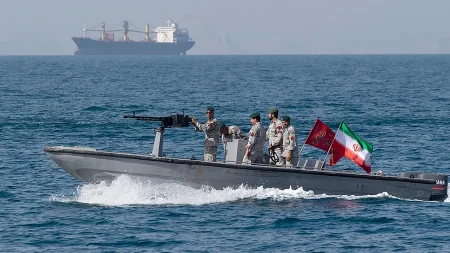
As this maritime saga unfolds, its echoes reverberate far beyond the waves, touching everyday lives in ways that feel both distant and intimately close. Iran’s deft sidestep through offshore networks isn’t just a tactical win; it’s a reminder of how resilient regimes can be when cornered, using global obscurities to keep crude flowing. Enemies of the Islamic Republic rally, crying foul over evasion, while analysts warn of destabilization—higher gas prices, rattled markets, and potential shortages if tensions escalate. President Trump’s bold move, framed as an “all or nothing” stand, mingles swagger with risk; it’s a gamble on leverage, reminiscent of past standoffs where brinkmanship tested nerves. For families fueling up at stations or investors eyeing portfolios, this blockade feels like a rollercoaster: promising control yet loaded with unpredictability. Windward’s data suggests Iran might persist this way indefinitely, stockpiling oil like squirrels hoarding nuts for winter, all while indirect routes flourish. But with CENTCOM enforcing lines, the question lingers: how long can this uneasy balance hold? Threats of Retaliation—halted Red Sea traffic, shadowed by Iran’s navy—add layers of dread, turning the Indian Ocean into a potential flashpoint. In human terms, it’s about livelihoods: Iranian workers clinging to oil jobs, American sailors far from home, and global consumers bracing for economic tremors. Yet, amid the drama, there’s hope in diplomacy’s faint pulse—maybe these broken talks aren’t endgames but pauses. As Fox News invites listeners to tune in with new audio features, bridging the gap between headlines and hearts, one can’t help but reflect: in this interconnected world, the strait’s fate isn’t just Iran’s or America’s; it’s ours, a shared lifeline demanding cooler heads. Ultimately, this standoff humanizes the high stakes, turning abstract strategies into stories of endurance, evasion, and the relentless quest for balance in a turbulent sea.