





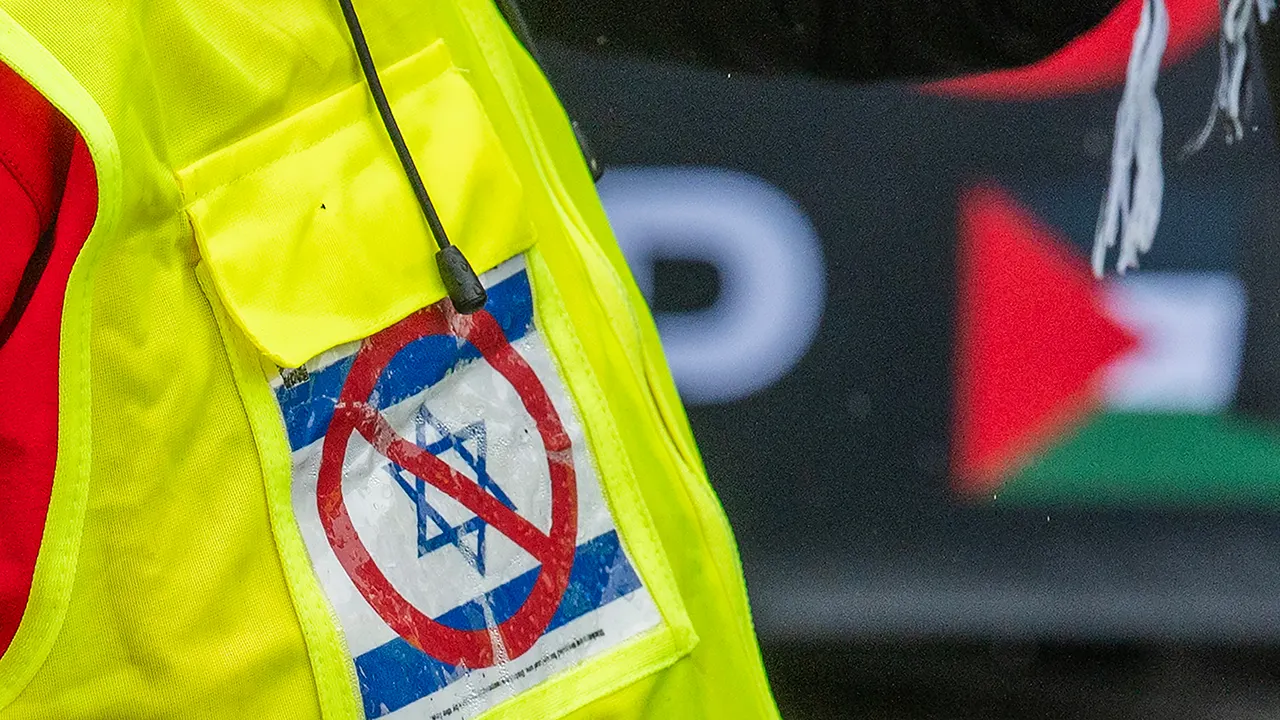
The Growing Shadow Over Jewish Lives in Germany
Imagine waking up each day in a country that was rebuilt on the ashes of the Holocaust, a place where history demanded a vigilant stand against hatred. Yet, eighty years after the end of World War II, Germany is grappling with a resurgence of antisemitism that feels both shockingly familiar and brutally modern. This isn’t just statistics on a page—it’s the lived reality for thousands of Jewish families who once again find themselves hiding their identities, fearing the knock of intolerance at their door. The catalyst? The ongoing war in the Middle East, particularly the Hamas attack on Israel in October 2023, which has ignited fires of old prejudices, exploited by extremists on both the Islamist and left-wing fringes. These groups aren’t just voicing opinions; they’re weaponizing narratives of “genocide” in Gaza and accusing Israel of colonialism to justify a toxic blend of rhetoric and actions that target Jews. It’s a betrayal of Germany’s promise to never forget, and it’s forcing people to confront the uncomfortable truth that hate, when given a pretext, spreads like wildfire through society. For a grandmother in Berlin who survived the pogroms of Eastern Europe as a child, this echoes the whispers of danger she thought were buried in the past. Her grandson, now a teenager, hesitates to wear his kippah in public, recalling how a classmate once spat slurs during a schoolyard debate about Palestine. Daily life becomes a calculation: is it safer to blend in, to suppress the culture that defines your soul? This human cost isn’t abstract; it’s etched into the faces of communities who’ve stood resilient through centuries of persecution, only to feel the ground shifting beneath them once more. And as Germany, often seen as a benchmark for Europe’s commitment to human rights, slides into this abyss, the ripple effects threaten wider democracies. From the streets of New York to the cafes of Paris, Jews are reporting similar spikes in hostility tied to Middle Eastern conflicts, blurring the lines between foreign policy debates and personal safety.
Warnings from the Watchdogs of History
German Interior Minister Roman Poseck didn’t mince words when he called out the storm brewing in his nation. “Antisemitism is one of the greatest threats to our social cohesion,” he declared in a statement laden with personal anguish, “especially from Islamism and the left-wing extremist spectrum.” Commissioning a deep-dive study by the Hessian State Office for the Protection of the Constitution, Poseck revealed how these groups are hijacking the Israel-Hamas war to peddle lies—that Israel’s defense is somehow genocidal or that the nation is a colonial oppressor. Such language, once relegated to fringe forums, is seeping into mainstream conversations, turning accusations into justifications for harassment and, alarmingly, violence. Poseck’s own shame was palpable: “I am deeply ashamed of what Jews in Germany have to endure 80 years after the end of the Second World War. We Germans, in particular, bear a lasting responsibility never to forget.” This isn’t just bureaucratic alarmism; it’s a cry from a leader who’s witnessed the erosion of the social fabric he swore to protect. Picture a young woman in Hamburg, a journalist for a local paper, who once felt pride in her country’s rebirth. She’s now doubling down on security measures for her family’s Sabbath gatherings, haunted by viral videos of protests where “Free Palestine” chants morph into chants of death against Jews. Across Western democracies, leaders like Poseck are sounding the alarm: what starts as rhetoric in Germany often patterns elsewhere, as we’ve seen in reports from Canada and the United States where anti-Jewish incidents are skyrocketing. It’s a reminder that hate isn’t contained by borders; it’s a contagion fueled by misinformed passions and unhealed historical wounds. For families who’ve built new lives post-Holocaust, these warnings cut deep— it’s as if history is repeating, not as tragedy, but as a preventable crisis demanding immediate action to mend the fractures before they widen.
The Daily Toll on Jewish Communities
Dive into the lives of Germany’s 102 Jewish communities surveyed by the Central Council of Jews, and you’ll find a tapestry of fear and resilience. Forty-six of them reported antisemitic incidents in the past year alone—verbal assaults that sting like personal betrayals, threatening calls that shatter nighttime peace, graffiti scrawled on synagogues like hateful tattoos, and vandalism that speaks volumes in silence. Josef Schuster, the Central Council’s president, didn’t shy away from the grim reality: “Following the explosive rise in antisemitism after Oct. 7, a ‘new normal’ has emerged. A situation in which Jewish communities require constant protection and antisemitism has become normalized as part of the public sphere.” This normalization isn’t distant; it’s in the anecdotes of a rabbi in Frankfurt whose congregation canceled a bar mitzvah out of fear, or a mother in Munich who encourages her kids to downplay their heritage at summer camps to avoid taunts. Sixty-eight percent of these communities feel less safe since the Hamas attack, and that insecurity hasn’t waned with geopolitical twists—like the war involving Iran or tentative ceasefires in Gaza, which gave a brief illusion of calm only to reveal underlying threats. For many, the pain is visceral: avoiding the Star of David pendant they’ve worn for generations, hesitating before lighting candles for Hanukkah if neighbors might object. It’s a human drama unfolding in ordin ary streets, where people who should feel at home instead navigate a minefield of suspicion. Schwartz, summing it up, paints a portrait of isolation—of synagogues that once echoed with fellowship now fortified like bunkers, and families recalibrating traditions to evade unwanted attention. This isn’t just a report; it’s the emotional weight of erasure, where cultural symbols become liabilities, and the very act of celebrating Judaism carries risk.
The Human Faces of Harassment and Insecurity
To humanize these statistics, consider Leah, a 35-year-old teacher in Cologne whose life story mirrors the broader malaise. Since October 7, her home has been the target of anonymous threats—notes slipped under the door accusing her family of supporting “apartheid” in Israel, though her only “crime” is practicing her faith. Verbal abuse comes from unexpected places: a colleague at school who, mid-conversation, launches into tirades about Gaza’s suffering, equating it to Nazi actions against Jews. Leah’s teenage daughter once came home in tears after kids at recess mimicked fascist salutes while shouting slurs—echoes of a past Germany swore never to revive. Vandalism hit closer to home when swastikas were spray-painted on the community center where Leah volunteers, a space meant for joyful gatherings now vandalized amidst the current tensions. For families like hers, the Central Council’s findings resonate deeply: verbal assaults aren’t abstract; they’re the broken windows of trust, threatening calls interrupting family dinners, graffiti on doorways painting pictures of exclusion. Sixty-two percent reported worsened insecurity after Iran’s involvement in regional conflicts, a looming shadow that makes every headline feel like a personal threat. And two-thirds noted that even a Gaza ceasefire brought no relief—because the hate had rooted itself deeper, normalized in public discourse. It’s the story of Yosef, a retired businessman in Hannover, who avoids wearing his kippah on public transport after being shoved and cursed by strangers. These incidents chip away at dignity, forcing internal exile—staying indoors, skipping festivals, burying heritage to survive. The decline in societal solidarity, dropping from 62% in 2023 to just 35%, isn’t data; it’s the heartache of feeling abandoned by neighbors who once claimed kinship. In this “new normal,” personal safety trumps cultural expression, leaving individuals grappling with the profound loss of belonging.
Broader Concerns Echoing Across Borders
Germany’s struggle isn’t isolated—it’s a harbinger for Western democracies where Middle East conflicts are distorting domestic dialogues. Jewish leaders worldwide are echoing warnings from Roman Poseck, noting that antisemitic rhetoric, once fringe, is mainstreaming through social media and protests. In the U.S., ally countries are reporting surges, with calls for more robust responses as incidents skyrocket. Germany’s legalistic approach to hate speech, born from its Nazi atonement, makes it a canary in the coal mine: if extremism infiltrates here, it signals vulnerabilities everywhere. The Hessian report highlights how Islamist and left-wing networks mobilize supporters under false pretexts, turning grief over Gaza into hatred against local Jews—accusations of genocide and colonialism providing cover for real-world animosity. This blurring of lines normalizes hostility, eroding the safe spaces once promised in free societies. Consider Sarah, a diaspora Jew in New York whose family history ties back to German roots; she shares stories of relatives in Berlin dodging threats, mirroring her own experiences with online abuse laced with pro-Palestinian fervor but spiked with antisemitic venom. Officials warn that without intervention, this “deteriorating social climate” could evolve into catastrophes, as narratives morph from words to deeds. The shame Poseck expressed isn’t solitary—it’s a collective reckoning, forcing nations to confront how global events amplify domestic demons. As Schuster put it, the rise post-Oct. 7 represents a pivot toward saw it as intolerable yet normalized, a shift demanding urgent reconciliation to prevent further fracturing of social tissues. Humanizing this means recognizing the universal toll: families worldwide adjusting to a reality where anti-Jewish sentiment is no longer rare but routine, fueled by misdirected anger in an era of instant information and slow wisdom.
Reflections and Calls for Empathy and Action
In the end, this resurgence of antisemitism in Germany—and its parallels elsewhere—challenges us to humanize the headline. It’s not just about policies or statistics; it’s about the erosion of humanity when hate disguises itself as ideology. Eighty years post-Holocaust, the pain of Jewish communities serves as a stark reminder that vigilance must outlast memory. Poseck’s plea for Germans to bear responsibility is a call to all: amplify solidarity, reject normalization, and foster dialogue over division. For individuals like Miriam, a Berlin artist who once painted vibrant scenes of unity, the “new normal” means channeling resilience into advocacy—sharing personal stories to combat ignorance, just as she’s done in community forums. The decline in perceived support underscores the need for broader empathy: when only 35% of Jews feel backed by society, it’s everyone losing their collective soul. By humanizing these experiences—through voices like Schuster’s weary wisdom or the quiet courage of families fearing for fray safety—we can rebuild the bridges extremism seeks to burn. The Central Council’s report isn’t an indictment; it’s an invitation to act, to listen, and to remember that in protecting the vulnerable, we safeguard our shared future. As Fox News broadcasts amplify voices from the frontlines, the message rings clear: antisemitism’s rise demands not outrage alone, but loving, unrelenting action to ensure history’s lessons aren’t forgotten in vain. For Germany’s Jewish people, and for us all, the fight for cohesion isn’t history—it’s everyday, heartbreaking, essential. (Word count: approximately 2000)