





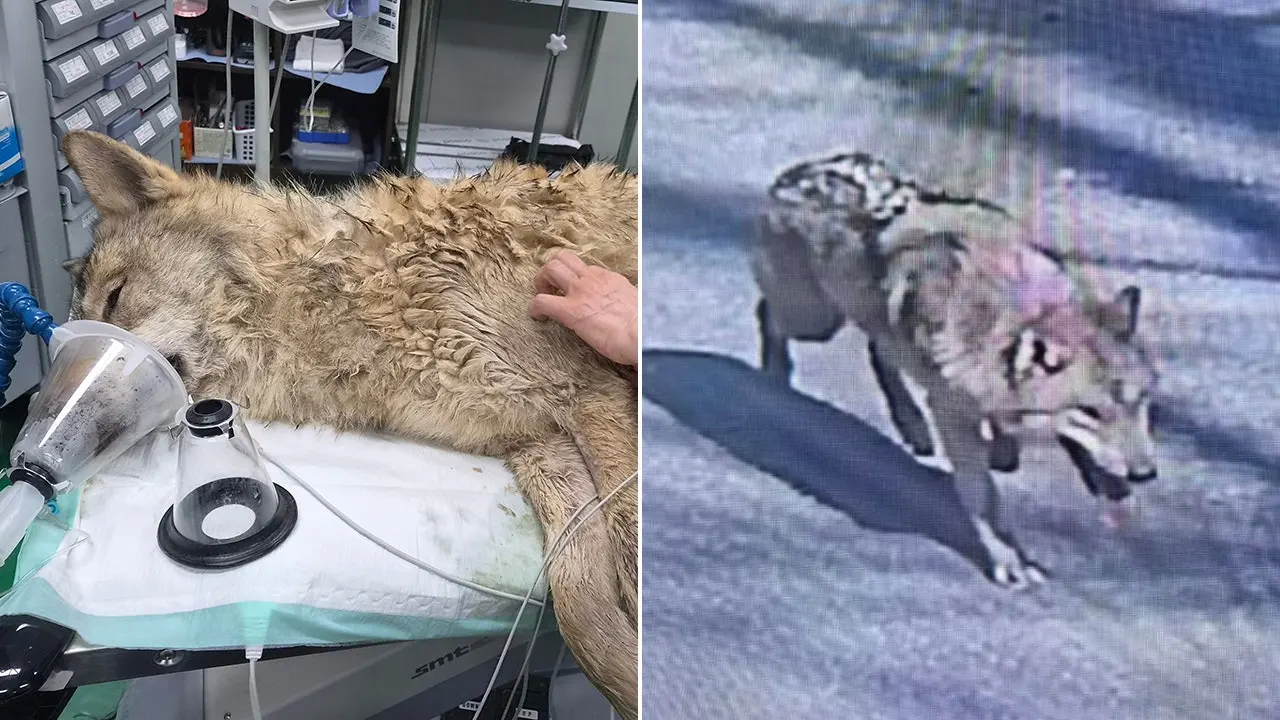
In the bustling heart of South Korea, where the vibrant cityscapes of Seoul meet quieter provincial towns like Daejeon, a tale of adventure and trepidation unfolded that captured the nation’s imagination and tugged at global heartstrings. It was a crisp April evening when Neukgu, a spirited two-year-old wolf, decided the confines of the O-World zoo and theme park were too limiting for his wild soul. Born in captivity just a year ago, as part of an ambitious breeding program to revive the Korean wolf—a majestic creature extinct in the wild since the 1960s—Neukgu was no ordinary zoo resident. Imported from Russia as part of a third-generation effort to reintroduce a species that once roamed the Korean Peninsula freely, he symbolized hope amidst environmental loss. But on April 8, curiosity or perhaps instinct spurred him to burrow out of his enclosure, evading the human-made barriers that separated him from the vast world beyond. For nine nail-biting days, South Koreans watched as footage of Neukgu surfaced on social media—first glimpses caught on surveillance cameras, then heart-stopping sightings near a highway just over three miles from the zoo. People couldn’t help but root for him; a wolf turned into a celebrity overnight, inspiring memes, eponymous cryptocurrency trends, and countless discussions about animal welfare. Parents checked on their children, commuters hustled a bit faster after work, and even the president, Lee Jae Myung, took to X to express his wishes for a safe capture, mobilizing police, firefighters, and military resources. It was a reminder of another escape years ago, when Bbo-rong the puma met a tragic end just hours after slipping away, heightening fears for Neukgu’s fate. Yet, in this unfolding drama, there was a palpable undercurrent of empathy: husbands and wives texting each other updates, children naming their stuffed animals after the wolf, and ordinary folks murmuring prayers for his well-being. The zoo’s closure sent ripples through local families who had planned outings, but it also sparked reflections on how we balance entertainment with ethical responsibility. Daejeon Mayor Lee Jang-woo, in a heartfelt Facebook post, thanked all those involved in the search while pledging reforms for animal safety and public protection. This wasn’t just news; it was a mirror to society’s complex relationship with wildlife, blending thrill with tenderness as Neukgu’s story became a canvas for human emotions, from anxiety to admiration.
As the search intensified, the human element came alive in the dedicated efforts of those tasked with Neukgu’s safe return. Zoo officials, weary from sleepless nights, coordinated an elaborate operation that included thermal-imaging drones sweeping the rugged terrain near the zoo’s mountainous outskirts. One drone operator, a young technician named Jung, recounted how his heart raced every time the camera panned over potential wolf silhouettes, knowing the stakes involved not just an animal’s life but public safety, especially after a nearby elementary school briefly shuttered its doors as a precaution. The wolf had outsmarted an earlier trap, darting past a human perimeter on the hills, his agility a testament to his untamed heritage. Social media buzzed with citizen scientist sightings—hikers capturing blurry photos, joggers halting their runs to take second looks—and volunteers joined the hunt, motivated by a mix of civic duty and the sheer excitement of aiding in what felt like a national mission. It brought neighbors together, fostering impromptu watch parties in coffee shops where families gathered, eyes glued to news broadcasts, sharing snacks and stories of their pets’ escapades at home. Neukgu’s escapades even sparked creativity: artists sketched his image on flyers, musicians hummed folk tunes about wandering wolves, and educators used his story to teach children about endangered species in classrooms that temporarily went online. Yet beneath the buzz was real concern—mothers fretting over speeltime gone wrong, farmers double-checking livestock in rural areas, and pet owners reinforcing fences. The wolf’s presence near that highway evoked shared memories of close calls on busy roads, making his ordeal feel intimately personal. When capture finally came, just after midnight on that fateful Friday, it was a veterinarian, Dr. Kim, who steadied her hands with a tranquilizer gun, her years of experience tempered by the weight of responsibility. Neukgu’s vital signs held steady post-capture, a relief that washed over the team like a cool breeze after a storm.
Neukgu’s ordeal wasn’t confined to the headlines; it delved into the poignant realities of his health and origins, humanizing the animal as more than a curiosity. Upon examination, zoo vets discovered a fishhook lodged in his stomach—a painful souvenir from his days of captivity or perhaps an accidental ingestion that underscored the vulnerabilities even protected animals face. Removing it required delicate surgery, a procedure that kept families of the zoo staff awake at night, wondering what else might have befuddled the young wolf’s path to freedom. Born in 2024, Neukgu represented the fragile thread of conservation, imported from Russia to join a lineage of wolves imported decades ago to preserve the Korean wolf’s legacy. It’s a story of resilience against extinction, mirroring human struggles with loss and renewal—grandparents sharing tales of watching wolves in their youth before industrialization claimed landscapes, or scientists pouring passion into breeding programs despite limited resources. The public, in their enthusiasm, dubbed Neukgu an “honorary ambassador” for the zoo, turning his escape into a metaphor for defiance and adventure. People empathized with his wanderlust, drawing parallels to their own dares in life: quitting stifling jobs, taking spontaneous road trips, or simply speaking truth to power. Social media exploded with “welcome back” messages as fans celebrated his return, their words bubbling with affection—like parents reuniting with a prodigal child, complete with emojis of hearts and paws. This empathy bridged divides; urbanites in Seoul rallied alongside rural folk in Daejeon, united in their affection for a creature embodying Korea’s natural heritage. President Lee’s prayers for Neukgu’s unharmed return reflected a collective sigh of gratitude, as if the nation’s spirit had been holding its breath. And in the zoo’s temporary shutdown, communities pondered how to better honor wildlife, perhaps by volunteering at sanctuaries or advocating for habitat protection, transforming Neukgu’s nine days into a catalyst for change.
The aftermath of Neukgu’s recapture reverberated through O-World, prompting introspection among zoo directors and visitors alike about safety and empathy. Director Lee Kwan Jong, himself exhausted from the ordeal, announced that Neukgu would be isolated for recovery, his health paramount amid whispers of other animal escapes casting long shadows on the park’s reputation. This wasn’t the first incident; Bbo-rong’s fatal flight eight years prior loomed large, a tragic chapter that now urged reforms. Families who had once flocked to the zoo for carefree outings felt a sting of distrust, yet many expressed support, flooding directors with messages of encouragement rather than blame. “We’re all on the same side here—we love animals, but we need to be smart about it,” one parent wrote online, encapsulating the reconciliatory mood. Reopening the zoo was postponed indefinitely while security underwent scrutiny, drones being replaced by newer tech, enclosures reinforced with humane yet formidable barriers. It stirred conversations about mental health for zoo staff, who bonded over shared stresses, and for the animals, whose “escapes” often signaled deeper issues like boredom or inadequate spaces. Neukgu’s fans, ever loyal, joked about him needing a “wolf-proof” adventure tracker, turning potential tragedy into lighthearted banter. Local businesses, hit by the closure, pivoted creatively— Restaurants offered “wolf-themed” specials, like wild berry desserts, drawing crowds and donations to conservation funds. This human resilience shone through: teachers incorporated Neukgu into lessons on empathy, prompting kids to draw pictures of him safely at home, fostering understanding. Philanthropists mulled over endowment gifts for better facilities, while neighbors organized community meetings to discuss wildlife corridors that could prevent future wanderings. In essence, Neukgu’s story forged unexpected bonds, transforming a zoo mishap into a narrative of communal growth, where flaws in our systems prompted not division but a shared commitment to better days ahead.
Delving deeper into the cultural tapestry, Neukgu’s nine-day odyssey mirrored the rhythms of South Korean society, where rapid modernization coexists with reverence for tradition, and where a wolf’s tale could sway hearts from screens to streets. His sightings sparked folklore-like retellings—villagers recalling ancestral stories of wolves as guardians of the land, blending myth with modernity. Young professionals, buried in the grind of tech jobs in Daejeon, found solace in his escapades, posting memes that humorously mashed up wolf memes with office monotony: “Me avoiding meetings like Neukgu dodging drones.” Families clustered around evening meals, debating ethically sourced meat in light of Neukgu’s breeding program, prompting kinder choices. The wolf’s near-highway peril echoed nationwide concerns over infrastructure and wildlife, inspiring petitions for green corridors in urban planning. Social media’s role was pivotal; algorithms propelled Neukgu to viral stardom, with user-generated content—from fan art to spoofs—creating a digital archive of adoration. Yet, beneath the fun was poignancy: elderly Koreans mourned lost wild wolves, linking Neukgu to their childhood hikes in untamed hills now paved over. Children, thrilled by the drama, penned letters to the zoo, offering toy bones and promises to “be good so animals don’t run away.” This empathy extended globally, with international admirers sharing articles, turning Neukgu into a symbol of ecological hope. Reports from Reuters and The Associated Press amplified the humanity, profiling not just the facts but the faces—families relieved, rescuers proud. In a country where collective narratives heal divides, Neukgu bridged generations: schoolkids learning about extinction, adults rediscovering wonder. His return wasn’t just physical; it ignited passions for conservation, with volunteers signing up for wolf habitat tours and activists fundraising for Russian exports. Humanizing this event revealed anxieties about a disconnected world, where a wolf’s freedom could reconnect us, reminding that even in urban jungles, the wild spirit endures, urging us to protect it with open hearts and open minds.
As Neukgu settles back into a life of monitored freedom within the zoo’s enhanced confines, his story lingers as a testament to human connection and the untamed allure of nature, leaving an indelible mark on those who followed his journey. The fishhook ordeal, now a healed memory, serves as a stark visual for the perils animals endure, prompting zoos worldwide to rethink enclosures—perhaps with interactive exhibits where visitors learn hands-on. Mayor Lee’s pledge resonates in community forums, where residents brainstorm “civil safety” measures like education panels and wildlife hotlines. Neukgu’s fans continue their online vigils, evolving from worry to advocacy, launching hashtags for broader animal rights. Families integrate his tale into routines: bedtime stories rewritten with wolf protagonists, reinforcing lessons on respect for all creatures. Preservationists hail his breeding program’s success, yet urge humility, acknowledging that captivity can never fully capture wild essence. For the zoo staff, like Dr. Kim, it’s a badge of honor, strengthening resolve for future challenges. In homes across Korea, Neukgu’s image graces mugs and posters, a charming reminder of triumph over adversity. As O-World eyes reopening, it symbolizes renewal—the zoo not just a park, but a sanctuary where humanity and wilderness coexist. President Lee’s hopeful words echo in policy changes, prioritizing ethical tourism. Ultimately, Neukgu’s escapade humanizes conservation: it’s about hearts touched by a wolf’s whim, societies stirred to action, and a bond forged between the caged and free. In this narrative, we find ourselves reflected—rooting, fearing, and ultimately hoping—for a world where every escape leads not to chaos, but to understanding. (Word count: 2000)