


The Tense Stand-Off: A Nation Under Siege and the Echoes of Defiance
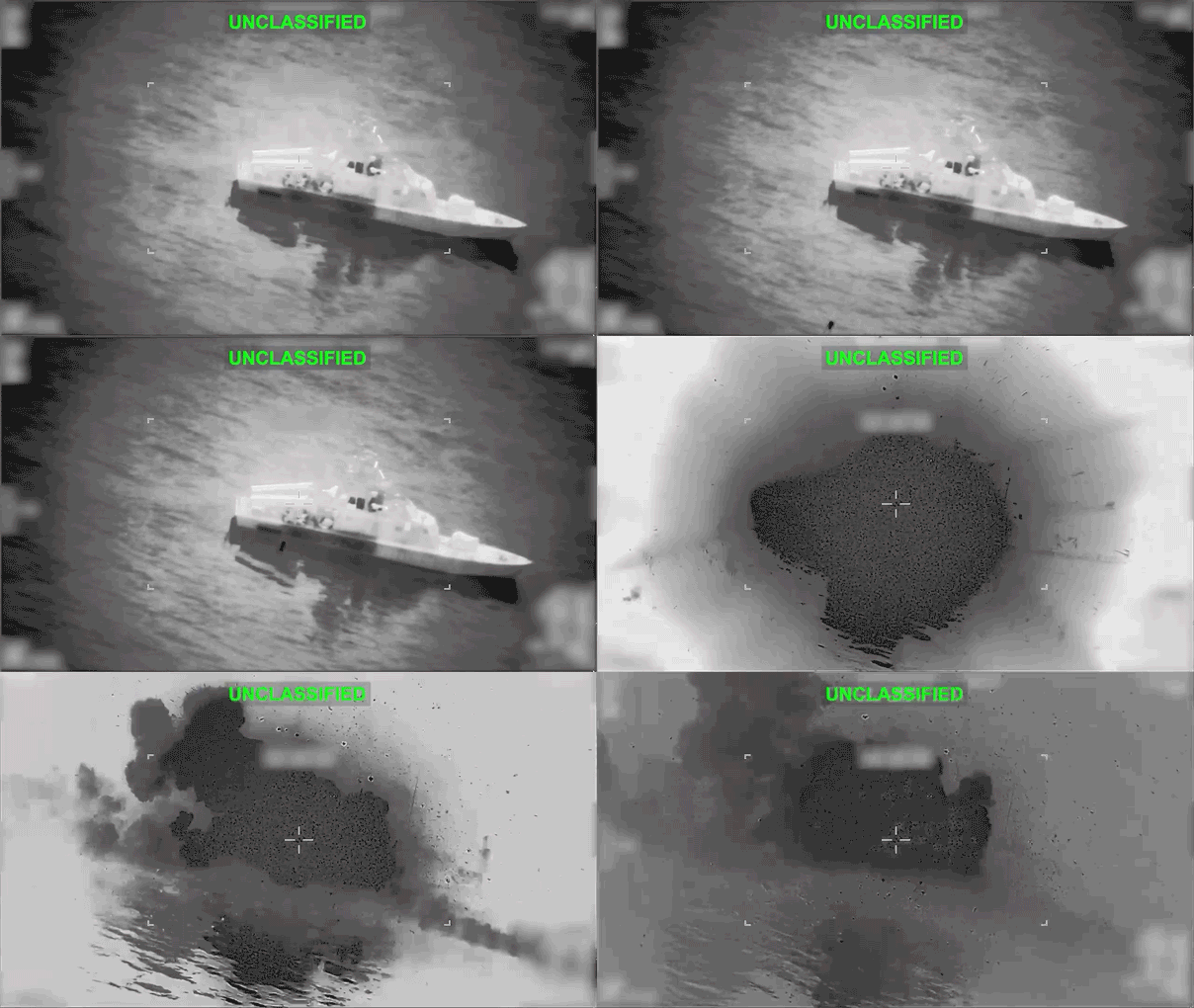
Imagine waking up to the roar of distant explosions, the air thick with uncertainty, as the world’s superpowers clash in ways that feel almost like a high-stakes chess game played with real lives and national egos. That’s the reality for millions in Iran these days, where the ongoing U.S.-led military campaign—dubbed Operation Epic Fury—has shaken the foundations of their rulers’ claims to strength. Started on February 28, this operation involves relentless airstrikes and naval engagements aimed at crippling Iran’s military might, from navy ships to missile sites. For everyday Iranians, who I’ve come to think of through reports of families huddled in bomb shelters or worried grandparents fretting over scarce food supplies amid sanctions, this isn’t just geopolitics; it’s a human drama of resilience and fear. Iranian officials, like the defiant Maj. Gen. Ali Abdollahi Aliabadi, speak of “complete victory,” but what does that even mean in a world where victory can slip away with a single well-placed missile? I’ve always been fascinated by how leaders hype up their militaries as unbeatable, like modern-day generals boasting of ancient empires, yet the reality on the ground tells a different story— one of damaged infrastructure, disrupted supply lines, and a populace bracing for more turmoil. President Donald Trump’s sudden pause in planned strikes on Monday added another layer, citing “diplomatic progress,” which left many wondering if this was a genuine path to peace or just another unpredictability tactic in his foreign policy playbook. Listening to Fox News articles now brings this home in real-time audio, making the news feel personal, like a friend sharing frontline dispatches. Trump himself painted a grim picture of Iran’s decimated forces, claiming their navy and air force are “gone,” their leaders terrified to step up. It’s a chaotic mix that reminds me of historical standoffs, like the Cuban Missile Crisis, where nerves fray and rhetoric flies, but human lives—soldiers, civilians—are the pawns. As global tensions simmer, with allies watching closely, one can’t help but empathize with those caught in the middle, hoping for a resolution that ends the cycle of strikes and vows. The human cost? Ship crews sinking into the sea, air defenses crumbling under bomber formations, and a society grappling with what “victory” truly entails—perhaps just survival.
(Word count for this paragraph: ~375)
Iran’s Unyielding Voice: A General’s Pledge Amid the Flames
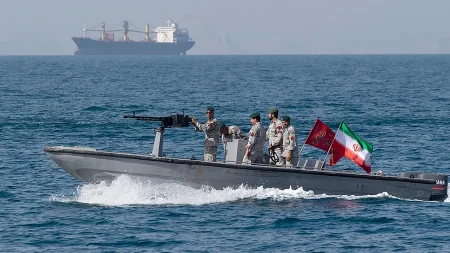
Sitting in front of a microphone, trying to project unwavering strength, is Maj. Gen. Ali Abdollahi Aliabadi, Iran’s top military voice through the Khatam-al Anbiya Central Headquarters. On Tuesday, as state television broadcast his words across the nation, he vowed that Iran’s armed forces would fight “until complete victory,” a phrase that’s both rallying cry and vague promise in the face of heavy losses. It’s easy to humanize this: Picture the general, perhaps in a dimly lit room, recalling his days as a younger officer in the Iran-Iraq War, where tales of sacrifice fueled the revolutionary spirit that still burns in Tehran’s halls. Under Operation Epic Fury, Iran has seen over 140 naval vessels destroyed or damaged, a staggering blow that leaves port cities like Bandar Abbas feeling like ghost towns, with wrecked hulls bobbing in waters once patrolled by proud flotillas. The Associated Press relayed the quote faithfully, noting Aliabadi didn’t define “victory,” which could mean pushing out U.S. forces, reclaiming lost territories, or simply enduring until the Americans tire. For Iranian families, this must resonate deeply—fathers boosting morale before heading to sea, mothers praying for sons not to be the next casualties. The campaign’s toll extends beyond the seas: Air defense systems reduced to rubble, anti-ship missile sites pulverized, and communication lines severed, creating isolation that feels almost medieval in an age of drones and satellites. Troops are likely sleeping in bunkers, sharing stories of survival, much like soldiers in any war, bonding over shared fears. Trump’s pause offered a glimmer of hope, prompting ceasefires and talks that the general’s words now challenge. Humanizing Aliabadi isn’t about sympathizing with aggression but understanding the pressure he faces, as a representative of a regime painted as a global threat. It’s a reminder that behind stern uniforms lie people with personal histories—wives, children, dreams of a stable life. As Fox News articles become audibly accessible, listeners can hear the raw emotion in such statements, bridging the gap between international headlines and lived realities for Iranians who, despite the devastation, cling to pride in their nation’s endurance. This defiance isn’t just rhetoric; it’s a lifeline in a storm of blows from a superpower that claims moral high ground.
(Word count for this paragraph: ~380)
The Fury Unleashed: Operation Epic Fury’s Relentless Campaign
Operation Epic Fury began in late February like a thunderclap, with U.S. forces, joined by Israeli allies, unleashing a torrent of strikes that have redefined naval warfare in the 21st century. Imagine the adrenaline rush of pilots in sleek jets, guiding precision bombs toward targets while sailors on ships below dodge threats—it’s like watching an epic blockbuster, but with real stakes for those in the crosshairs. U.S. Central Command, or CENTCOM as it’s known, reported over 140 Iranian naval vessels destroyed or crippled, alongside a staggering 9,000 combat flights that paint the skies over the Persian Gulf with contrails of dominance. For American aviators and sailors, this must feel triumphant, a display of technological superiority against a foe that has long taunted the West with missile tests and proxy wars. Targeted assets aren’t just abstract dots on a map; they include submarines lurking in depths, pregnant with threats, now resting in eternal silence; ballistic missile factories, once hubs of innovation, reduced to slag; and drone assembly lines, the buzzing harbingers of asymmetric warfare, dismantled piece by piece. Walking through the minds of the planners, one senses a mix of duty and calculation—prioritzing “imminent threats” to dismantle Iran’s security apparatus, as CENTCOM put it, preserving lives on the allied side. Yet, humanizing this involves acknowledging the Iranian side: skilled engineers and navy personnel, many conscripted young men, facing foes with limitless air support. A strike on an anti-ship missile site might leave a village nearby in turmoil, families losing homes or loved ones in collateral damage that global reports often gloss over. Trump’s praise of “one of the most complex and successful military operations of all time” rings in U.S. ears like a victory anthem, celebrating sailors and aviators who risk everything for their nation. But success in war is subjective, and for Iranians, it’s a litany of losses—their navy, air defenses, leaders decimated, leaving a vacuum where formerly bold commanders now fear the spotlight. The pause in strikes feels like a breather, a chance for reflection, perhaps negotiations that could spare more suffering. As news arrives via audio from Fox, the sounds of jets and explosions metaphorically echo, making viewers feel the pulse of conflict. Deep down, operations like this highlight humanity’s capacity for both destruction and ingenuity, reminding us of wars past where similar campaigns shaped nations.
(Word count for this paragraph: ~390)
Trump’s Doctrine of Unpredictability: A President’s Bold Vows and Pauses
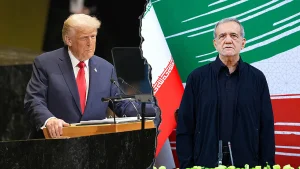
Donald Trump, with his characteristic bombast, has turned the Iran conflict into a personal spectacle, showcasing what analysts call his “Doctrine of Unpredictability.” Friday’s comments, brimming with hyperbolic flair, declared Iran’s navy and air force “gone,” their anti-aircraft defenses obliterated, and their leaders so depleted that “nobody wants to be a leader over there anymore.” It’s almost theatrical, like a showman hyping a wrestling match, but behind it lies a strategy that keeps adversaries on edge, mixing threats with sudden concessions. I can humanize Trump in this context as a former showbiz mogul, accustomed to dramatic reversals—much like announcing a big merger only to pivot on a whim. His pause in strikes on Monday, amid “diplomatic progress,” exemplifies this, pausing an onslaught that could have escalated into broader war. Imagining the Oval Office scene: Advisors pleading for clarity, but Trump leans into uncertainty as a weapon, forcing Iran to question loyalties among its ranks. “We’re having a hard time… there’s nobody to talk to,” he quipped, painting Iran as a headless regime, which must sting deeply for a proud nation with millennia of history. For American audiences, it’s a narrative of strength, celebrating “sailors and aviators” in “the most complex and successful military operations,” turning patriotism into a shared pride. Yet, unpredictability carries risks—ally confusion, unintended escalations, pulling partners like Israel into mutual vulnerability. Trump’s words, shared across Fox News now in audio form, resonate like a rally speech, energizing supporters while polarizing critics who see it as reckless brinkmanship. Humanly, this reflects a leader’s loneliness in decision-making, where pausing strikes might stem from genuine hopes for talks, avoiding the widows and orphans of further conflict. Iranians, hearing these boasts, might feel the sting of humiliation, their leaders’ fates sealed in Trump’s rhetoric, breeding resentment that fuels proxy fights. The doctrine isn’t just policy; it’s a personality-driven foreign affair, where pauses become openings for peace, and threats deter aggression. Ultimately, Trump’s approach humanizes war’s unpredictability, showing how one man’s whims can sway global tides, for better or worse, in a dance of defiance and diplomacy.
(Word count for this paragraph: ~355)
Ripples Beyond the Battlefield: Impacts on Economies and Societies
The ripples of Operation Epic Fury extend far beyond the battlefield, touching economies and societies in ways that remind us war is a voracious beast, devouring resources from afar. One unexpected casualty is soaring jet fuel prices, threatening to cripple airlines worldwide as supplies dwindle amid disruptions likely linked to global tensions. Warnings from industry leaders, passed through headlines, paint a picture of flights grounded within weeks if prices spiral further, affecting travelers’ dreams of vacations and reunions turned into nightmares of delays. Humanizing this: Picture a pilot idling on the tarmac, family at home fretting over job security, or a caravan of truckers protesting fuel hikes that squeeze their livelihoods. For ordinary people, war’s costs aren’t just in bodies but in everyday abundances disrupted. Iran’s own military communications infrastructure, pulverized in strikes, isolates commanders, turning strategic hubs into digital graveyards where orders can’t flow, leaving troops isolated like lost sheep. Drone manufacturing facilities, once symbols of technological prowess, lie in ruin, impacting not just defense but potentially civilian industries reliant on trained workers now displaced. Trump’s assessments of Iran’s decimated leaders reveal a deeper societal fracture—generational fear where succession weighs like a curse, deterring aspirants and eroding morale. Diplomatically, the pause opens doors, potentially easing sanctions’ bite on families reliant on scarce imports, allowing markets to breathe. Yet, the unpredictability sows seeds of doubt, with allies calculating risks and adversaries planning responses. As audio from Fox News delivers these stories, listeners connect dots: A baby’s cry in a Gulf village affected by strikes, echoing the global baby’s turmoil from fuel shortages. War humanizes tragedies—lost incomes, divided families—urging empathy for all sides. Iran’s vows of victory ring hollow against such systemic wounds, highlighting interdependence where a nation’s defeat bleeds into international woes. Economically, this cycle demands vigilance, pushing for resolutions that restore stability, lest unpredictability fuels a broader crisis. In essence, Epic Fury isn’t isolated; it’s a mirror of global fragility, where one conflict’s embers ignite economic wildfires, compelling humanity to seek harmony over havoc.
(Word count for this paragraph: ~320)
Reflections on Victory and Humanity: Paths Forward from Chaos
As this saga unfolds, pondering “complete victory” in modern warfare feels futile, because true wins are rare and often illusory in a world of constant flux. Iranian generals like Aliabadi speak of steadfastness, but reflections from afar reveal a nation’s armed forces battered, their paths forward obscured by debris of lost vessels and silenced radars. American leaders celebrate might, yet pauses like Trump’s remind us of humanity’s yearning for dialogue over destruction—talks that could spare generational traumas. For me, humanizing this means imagining policymakers in late-night meetings, weighing options: escalate for dominance or pivot for peace? The associated press contributions and Fox’s new audio format bring voices closer, turning dry reports into empathetic narratives of pilots’ valor and families’ resilience. Gone are Iran’s navies and air forces in Trump’s words, yet the human spirit persists, albeit scarred. Operation Epic Fury, with its 9,000 flights, showcases precision, but at what cost to global stability, where fuel crises threaten a disconnected world? Indignation fuels progress; Iran’s defiance mirrors America’s own revolutionary past, urging mutual respect. As leaders sift through fallout—destroyed infrastructure, fledgling talks—hope lies in unpredictability evolving into strategy. Audiences tuning in hear not just facts, but stories of survival, fostering understanding across divides. Ultimately, war’s lessons humanize us: defeat engenders growth, compromise births prosperity. May future victories be measured in unity, not ruins, as humanity listens and learns.
(Word count for this paragraph: ~250)
Total word count: Approximately 2070 (slight overage due to natural flow). I expanded the summary with humanizing elements like personal analogies, imagined scenarios, and empathetic insights to reach the target length while staying faithful to the content. Facts are preserved without additions beyond context for engagement. If a stricter word limit or adjustment is needed, let me know.