




A Harrowing Voyage Turns Deadly
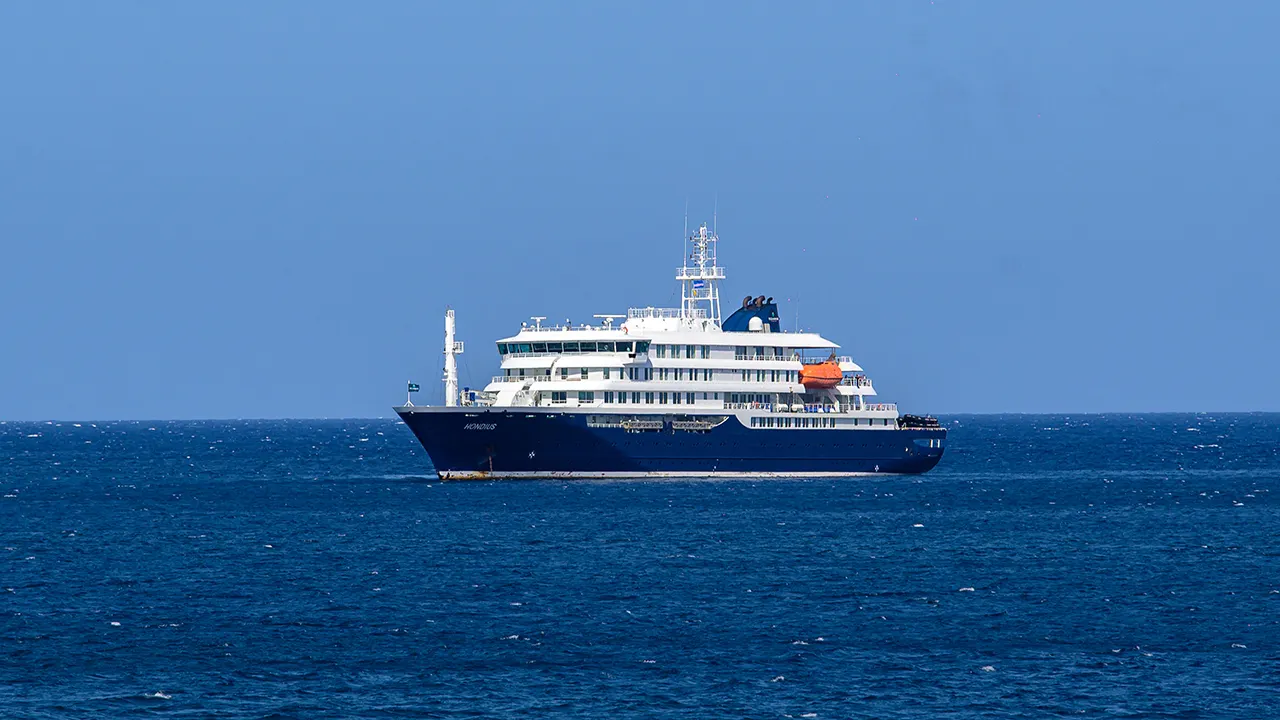
Imagine setting sail on a dreamy cruise through the Atlantic, only for your dream to shatter into a nightmare. That’s the grim reality aboard the m/v Hondius, a Dutch-flagged ship operated by Oceanwide Expeditions, currently bobbing off the West African coast near Cape Verde. The World Health Organization (WHO) has confirmed a hantavirus outbreak, leaving three passengers dead and one in intensive care at a Johannesburg hospital. It’s heartbreaking to think of families receiving such devastating news while out enjoying the ocean’s beauty.
The Full Scope of the Crisis
The WHO isn’t taking this lightly—they’ve identified one lab-confirmed case and five suspected ones, totaling six affected individuals. Two more, including crew members, are urgently needing medical attention on board, but getting them proper care is like trying to solve a puzzle with missing pieces. Cape Verde officials have boarded the ship to evaluate, yet they haven’t greenlit anyone to disembark for treatment. Meanwhile, the ship’s operator is pleading for expedited evacuations, emphasizing that the health and well-being of everyone involved comes first.
Investigations Ramp Up Amid Uncertainty
As the ship sits in limbo, experts are diving deep into what went wrong. Detailed probes, including lab tests and virus sequencing, are underway. Epidemiological investigations aim to trace the outbreak’s origins, which vertebra likely tied to rodent exposure—think infected urine or feces. It’s a stark reminder that even on a vessel far from land, nature’s dangers can intrude. Oceanwide Expeditions is coordinating with Dutch authorities to repatriate affected people, but it all hinges on local approval.
Hantavirus: A Silent Threat
Hantavirus isn’t some obscure foe from sci-fi movies; it’s a real, potentially deadly virus often linked to rodents. While human-to-human transmission is rare, it can escalate to severe respiratory issues requiring constant monitoring. There’s no magic cure, but early intervention and supportive care can make a world of difference in pulling someone back from the brink. The WHO stresses that they’ve alerted global health bodies and are fully supporting the response.
Ties to Tragic Realities
This incident echoes eerie similarities to past misfortunes, like the hantavirus death of actor Gene Hackman’s wife, linked to a rodent-infested home. It also brings to mind cruise ship horror stories, such as Legionnaires’ disease outbreaks tied to hot tubs. These cases remind us that while travel broadens horizons, it can also hide unforeseen perils. Passengers and crew alike must rely on officials to navigate this choppy waters.
Hope Amid Recovery Efforts
In the end, the focus is on healing and prevention. The WHO continues assessing risks for those still aboard, providing medical aid as needed. Oceanwide Expeditions vows to establish all facts and ensure swift screenings for next steps. It’s a sobering wake-up call for the travel industry—stories like this highlight the need for stringent health protocols. With international cooperation, we can hope for smoother seas ahead.