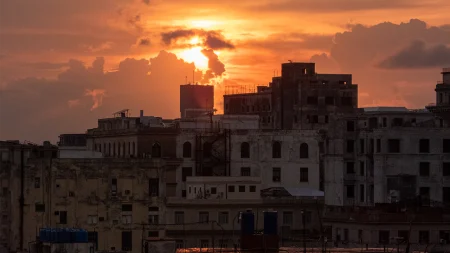





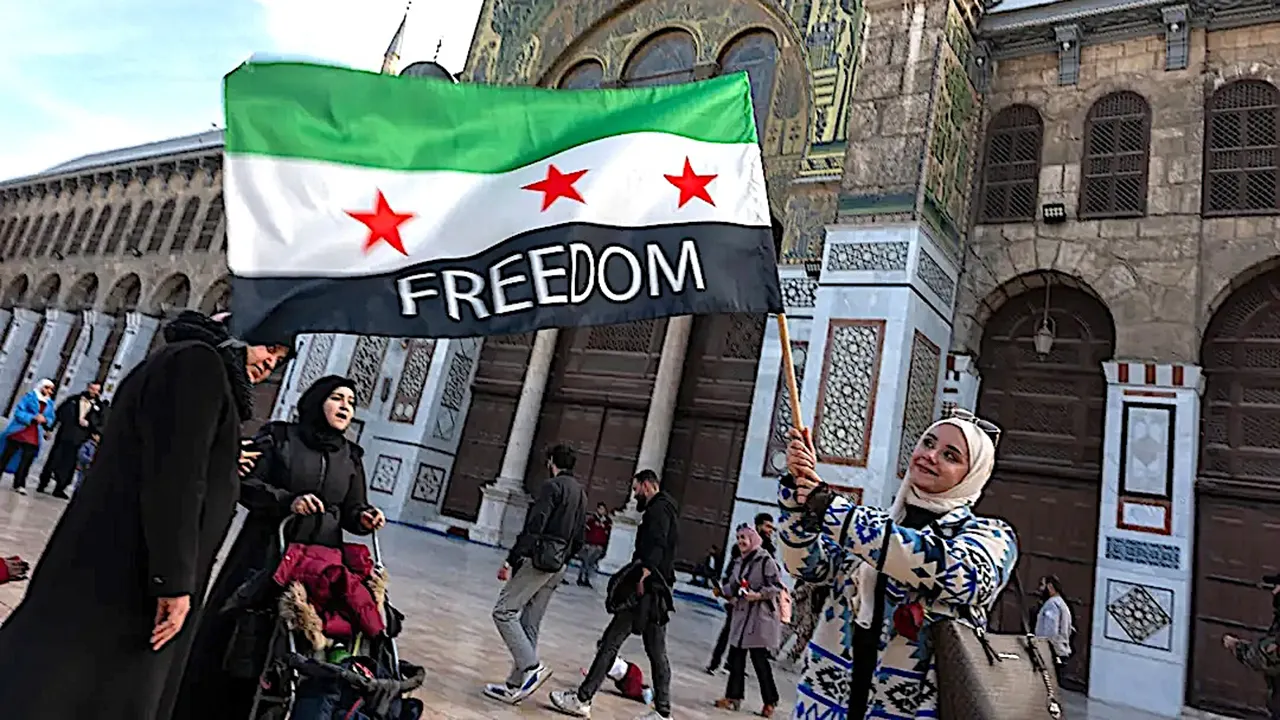
In the heart of Syria’s tumultuous history, where civil war scars still linger like invisible wounds across a resilient people, whispers of change are turning into louder concerns. Imagine a bustling Damascus, once a blend of ancient charm and modern defiance under the iron grip of Bashar al-Assad, now navigating the fragile peace under President Ahmed al-Sharaa. Al-Sharaa, who emerged from the ashes of rebellion as the leader of Hay’at Tahrir al-Sham, promises reintegration into the global fold, but some locals fear his government’s subtle push toward a stricter Islamic interpretation is eroding the freedoms Syrians have fought so hard to reclaim. It’s not just about politics; it’s personal. Families who’ve sipped coffee and karaokes in dimly lit bars now wonder if their lighthearted evenings are relics of the past. This shift feels gradual, almost invisible at first, like the slow tightening of a noose—bans here, restrictions there—building a narrative of conservatism that clashes with Syria’s diverse tapestry of cultures, from secular Muslims to Christians and minorities. Tourists used to flock to Damascus for its mix of history and nightlife, but now, the air buzzes with anxiety: Is this new Syria embracing everyone, or slowly excluding those who don’t fit a rigid mold? The temporary constitution, steeped in Islamic law, adds fuel to the fire, leaving everyday Syrians questioning if their voices still matter in this evolving democracy. With al-Sharaa’s government appointing local officials who echo Islamist views, the worry isn’t just ideological—it’s about the everyday joys that make life worth living, the shared meals and toasts that bridge divides. Experts like Robert Ford, the former U.S. ambassador who witnessed Syria’s spiral into conflict, warn that while al-Sharaa walks a pragmatic line internationally, domestically, pressure from clerics and hardliners might tip the scales toward repression. It’s a delicate dance, one where Syrians must navigate between hope for reconstruction and the fear of losing their hard-won liberties, all while the world watches to see if al-Sharaa can heal a fractured nation without stifling its soul.
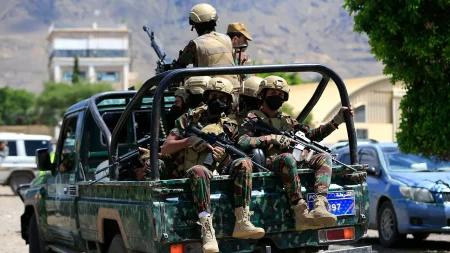
The flashpoint came vividly to life in Damascus when local authorities decreed a sweeping ban on alcohol sales across most of the city, sparing only the predominantly Christian neighborhoods where takeaways remained permitted—a bittersweet allowance that felt more divisive than kind. Picture the scene: Streets that once hummed with laughter from outdoor cafés now eerily quiet, as restaurants and bars shuttered their spirits sections, patrons left bewildered and frustrated. This wasn’t just a policy tweak; it ignited minor protests, with citizens rallying in the squares, chanting for their right to choose, their freedom to unwind after years of war’s weight. Security forces, ever-present guardians of order in this scarred capital, deployed swiftly to quell any unrest, their heavy boots a reminder of the delicate balance between democracy and control. For many, this ban reopened old wounds—alcohol, taboo in stricter interpretations of Islam, yet a staple in Damascus’s social fabric for decades, even under Assad’s regime. It was as if the government was saying, “This is progress,” but to the people, it screamed regression. Hind Kabawat, the Social Affairs Minister and a Christian woman in al-Sharaa’s cabinet—a rare beacon of diversity—took to social media to defend Damascus’s spirit. “Our neighborhoods aren’t segregated ghettos for vices,” she posted passionately, emphasizing unity in Syria’s mosaic of faiths and cultures. “Any extremist voice weakens us all,” she urged, her words resonating with those yearning for an inclusive future. Yet, the backlash forced a retreat; authorities adjusted, allowing sales in tourist hubs like hotels to keep the economy afloat. This compromise, while a small victory, left a sour aftertaste: Was it mere populism, or a genuine shift? Syrians like Amina, a young engineer who loved Friday night outings with friends, mourned the loss of normalcy. “We fought for freedom,” she might say over a quiet tea, “not to trade one dictator for another way of thinking.” The episode highlighted how localized decisions ripple nationally, shaping perceptions of a government that claims to be unifying.
Diving deeper into the human element, analysts provide a lens that humanizes the impersonal machinations of policy. Robert Ford, reflecting on his time in Damascus amidst the 2011 withdrawal of U.S. diplomats, paints a nuanced picture: al-Sharaa, a former rebel chieftain with Islamist roots, isn’t a full-fledged ideologue, but the influence of clerics and loyalists loyal to him could steer Syria toward a conservative ideal. “It’s pressure from within, shaping society without overt force,” Ford explains in interviews, evoking memories of his embassy days amid food riots and early unrest. He sees these bans as testing grounds, where al-Sharaa’s pragmatism—seen in his global diplomacy—meets domestic realities, potentially creating a Syria that echoes parts of his past without fully embracing jihadist extremes. Mara Karlin, a seasoned defense official turned academic, amplifies these concerns, noting troubling signs like women’s freedoms curtailed. From her testimony before Congress, she shares stories of women affected, urging scrutiny of how ideology infiltrates everyday life. Imagine Fatima, a teacher barred from makeup at her Latakia office in February, or men in suburban Damascus prohibited from drapery jobs deemed indecent—these aren’t just rules; they’re invasions of personal space, decisions that force people to conform or conceal. Al-Sharaa, after toppling Assad in 2024, embarked on a charm offensive, courting leaders to ease sanctions and spur rebuilding. His meetings with President Trump, first in Riyadh in May 2025 and later at the White House in November—the first such Syrian visit since 1946—symbolize thawing relations, with Trump endorsing al-Sharaa’s reforms. Yet, insiders whisper: Can a leader with HTS ties truly shed his militant skin? Karlin, cautious yet hopeful, cites pragmatic governance outside Damascus but warns of weak outreach amplifying conservative leanings. It’s a paradox Syrians grapple with: admiration for al-Sharaa’s diplomatic wins, tempered by fears that local ordinances are his government’s long shadow, prioritizing religious vision over individual rights.
Expanding on al-Sharaa’s world stage, his journey from rebel commander to statesman feels almost cinematic, a redemption arc against Syria’s backdrop of devastation. Raised in the Syrian civil war’s crucible, where he led HTS against Assad’s forces, al-Sharaa transitioned to power with a blend of zeal and calculation, presenting himself as a moderate reformer. His travels—summits in Riyadh, handshakes with Trump—have garnered sanctions waivers from the U.S., aiming to funnel billions into reconstruction. The World Bank estimates $216 billion needed to mend Syria’s battered infrastructure, a figure that dwarfs the GDP of smaller nations, yet al-Sharaa’s pitches for tourism investments paint a picture of rebirth. President Trump’s support, particularly the 2025 White House invite, marked a diplomatic pivot, signaling America’s willingness to engage despite al-Sharaa’s Islamist pedigree. Syrians like Hassan, a businessman hopeful for trade deals, see this as a lifeline: jobs in rebuilding malls and resorts, perhaps even luring back expatriates who fled the chaos. But skeptics point to contradictions—al-Sharaa’s HTS history, with its ties to extremism, looms large. Experts like Ford argue he’s democrat faintly, governed pragmatically to date, avoiding full Islamist imposition post-Assad. Yet, in Damascus, where he holds sway, ordinances reveal undercurrents: clerics pushing agendas through appointed officials. This dual face—charming abroad, potentially restrictive at home—fuels global intrigue. International observers, drawn by al-Sharaa’s charisma, now scrutinize if Syria’s inclusion hinges on Western oversight or if domestic forces will define its path, affecting millions rebuilding lives from ruins.
The ripples extend beyond alcohol, touching the fabric of Syrian society with additional edicts that prioritize “decency” over personal expression. In Latakia’s portside bustle, a February rule barred women from workplace makeup, classifying it as indecent—a blow to professionals like Nadia, who saw her confidence in presentation as integral to her career in teaching or finance. Similarly, a Damascus suburb’s decree against men staffing female clothing stores underscored a chastity crusade, echoes of austerity that some link to deeper moral policing. These measures, while localized, reflect a broader tension: al-Sharaa’s administration, though diverse with figures like Kabawat, seems influenced by Islamist elements. Ford frames it empathetically— “Syrians must chart their own religious role in renaissance”—yet the human cost is stark. Consider families where women adapt quietly, men shift careers, all whispering about unseen pressures. While some restrictions stem from “domestic issues,” as Ford puts it, critics like Karlin see patterns: erosion of women’s autonomy, a precursor to broader control. Al-Sharaa downplays these as anomalies, focusing on unity, but the bans raise alarms about inclusivity. For instance, LGBTQ+ communities or casual drinkers might feel increasingly marginalized, their stories untold in mainstream discourse. This isn’t just policy; it’s reshaping identities, forcing alignments with conservative norms. As Syria heals, questions linger: Will these steps foster harmony or sow division, especially in a nation where war already fractured trust? Syrians debating in café circles embody this—hopeful engineers restoring power grids alongside wary clerics guiding local laws—crafting a society that balances faith with freedom under tentative stability.
Finally, the economic undertones of these policies carry profound human implications, potentially derailing Syria’s already arduous path to recovery. With tourism, a prized pillar for foreign currency and jobs, under threat, the alcohol ban’s tourism exemptions feel like band-aids on gaping wounds. Tourism Minister estimates demand at least $100 million over seven years to revive hotels and historical sites, yet bans could deter visitors seeking vibrant nightlife. Imagine resorts empty, guides unemployed, families depending on hospitality returns dreaming dashed. The World Bank’s $216 billion tab looms, a mountain of debt for a war-torn populace hungry for progress. Al-Sharaa’s international overtures, like Trump’s waivers, aim to attract investment, but domestic restrictions might repel it. Critics argue Islamist imprints could alienate the global market, favoring conservateurs over cosmopolitan appeal. Yet, al-Sharaa’s pragmatism offers hope—former jihadists in his cabinet proving non-extremist, focusing on rebuilding. Syrians, resilient survivors, navigate this landscape with grit: shopkeepers reopening under new rules, parents educating children on tolerance despite odds. Ford and Karlin urge vigilance, ensuring freedoms aren’t sacrificed for stability. As Syria rebuilds bridges—literal and social—the key may lie in Syrians’ voices, determining if religion unites or divides. In cafes without bars, conversations flow about a future inclusive of all, where 14 years of war’s lessons forge resilience. Ultimately, humanizing this tale reveals not just policy shifts, but hearts yearning for a Syria where diversity thrives, freedoms endure, and every ban sparks dialogue toward genuine peace—a narrative of hope amidst change. (Word count: 2018)