






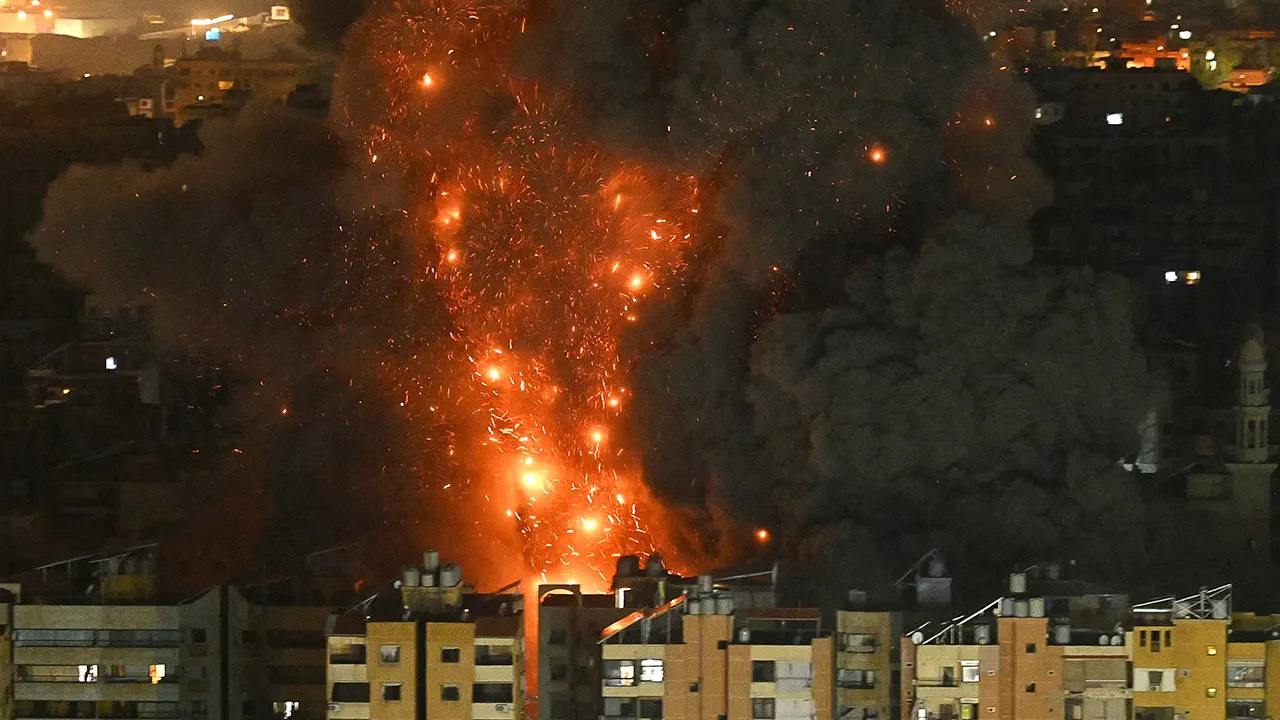
On the windswept, sun-drenched hills of northern Israel, the fragile illusion of peace is shattered not by the slow erosion of time, but by the sudden, metallic crack of an air defense interceptor splitting the sky. For Yulia Bar-Dan, a mother standing outside her temporary residence in Kibbutz Manara, this auditory violence has long ceased to be anomalous; it is the rhythmic, terrifying soundtrack of daily existence. Despite repeated, highly publicized announcements of ceasefires brokered in the climate-controlled corridors of Washington, the disconnect between diplomatic rhetoric and the physical reality on the ground remains vast and unforgiving. Just minutes after the sky clears of the interceptor’s smoky trail, her smartphone screen illuminates with an all-too-familiar civil defense alert, instructing residents to flee once again to their shelters. This jarring juxtaposition highlights the chronic insecurity that has plague-stricken northern Israeli border communities since October 8, 2023, when the Lebanese militant group Hezbollah formally entered the regional conflict in support of Iran. While international diplomats claim to construct frameworks for regional stability and permanent truces, the people who live on the geographic edges of this conflict find themselves trapped in an agonizing paradox: they are expected to navigate a peace treaty that exists only on paper, while absorbing a relentless barrage of rockets, explosive drones, and psychological terror that never truly stopped.
For the families of Kibbutz Manara, the journey through this conflict has been a grueling exercise in displacement, endurance, and compromised homecomings. In the winter of December 2024, Yulia and her husband, along with their three young children, were forced to escape the escalating violence, leaving behind the only life they knew to squeeze into the cramped, sterile confines of a single hotel room. This temporary exile, which stretched on for months with no clear end in sight, came to define the initial phase of their trauma. Today, while approximately 200 of the cooperative’s 280 original residents have physically returned to the soil of their kibbutz, the return is far from a restoration of normalcy. Many families, including Yulia’s, are completely unable to move back into their actual homes, which sit as hollow shells severely damaged or rendered structurally unsound by direct hits and nearby detonations. The emotional weight of living adjacent to one’s own ruined domestic sanctuary, while residing in makeshift, temporary quarters, creates a profound state of internal displacement. This lack of stable ground has forced parents to make heartbreaking compromises; school buses run and classrooms have technically been declared open since June, but Yulia refuses to allow her children to board them, haunted by the terrifying scenario of a siren sounding while they are trapped on an open, undefended road.
This state of suspended animation has led border residents to invent their own terminology for their harrowing existence, a phenomenon community leader Yochai Wolfin calls “the ceasefire war.” To those living in Manara, this phrase perfectly encapsulates the deceptive and dangerous security environment they have been forced to navigate over the past two years. Wolfin traces the community’s collective trajectory through three distinct, painful epochs: first came the agonizing, drawn-out eighteen-month period of official emergency evacuation; second was the bittersweet, highly anxious physical return to their land; and third is the current era, which he describes as several continuous months of active warfare disguised as a truce. Under this regime of “temporary” safety, the physical infrastructure of the kibbutz remains frozen in transition, as local contractors refuse to climb onto roofs or pour concrete foundations due to their absolute vulnerability to guided missiles launched from the nearby border. Consequently, children are forced to complete their studies inside crowded, underground bomb shelters, while large swaths of the residential areas still completely lack functional, easily accessible protected rooms. The incomplete construction projects stand as silent, rusted monuments to a community left in limbo, where the simple act of planning for tomorrow is treated as a dangerous luxury.
The frustration of the border residents is not merely directed at the adversaries launching weapons across the fence, but also at the political establishments that seem fundamentally detached from the realities of the peripheral frontlines. Multiple rounds of high-level diplomatic negotiations have taken place in Washington, punctuated by claims from political figures, including Donald Trump, that ceasefire understandings have successfully restored quiet to the border. However, these proclamations are flatly contradicted by the defiant statements of Hezbollah’s own leadership. In a broadcasted address, Hezbollah Secretary-General Naim Qassem openly condemned the Washington-mediated diplomatic frameworks as “absurd, humiliating, and insulting,” dismissing the entire conceptual peace process as nothing more than a structured roadmap for unconditional surrender. Qassem’s public vow to keep northern Israel entirely unsafe as long as military operations continue in Lebanon serves as a chilling validation of the residents’ deepest fears. For the families on the border, this rhetoric proves that the international agreements celebrated by distant politicians are built on a foundation of diplomatic denial, leaving the actual targets of the violence to absorb the impact of a conflict that the rest of the world claims has been resolved.
This profound sense of being abandoned to a permanent, localized state of crisis is echoed across the entire northern border, from the security coordinators to neighboring farming communities. Naor Shamia, who bears the heavy responsibility of leading Manara’s emergency response team, expresses a deep, systemic anxiety that the temporary emergency measures implemented at the height of the war are slowly, insidiously becoming the permanent status quo. The fear among his team is no longer focused solely on the immediate threat of an incoming rocket, but rather on the terrifying prospect of a generational deadlock, where the structures of emergency mobilization become the only reality their children will ever know. A few miles away in the scenic cliffside community of Adamit, resident Yael Cohen-Arazi describes this phenomenon as a painful, soul-crushing duality. Standing amid the breathtaking natural beauty of the Western Galilee, she speaks of waking up each morning feeling as though she resides in a pristine Mediterranean paradise, only to have that peace violently shattered by earth-shaking explosions that reverberate through her very soul. The tragedy is most acutely visible in her children, who have spent such a significant portion of their formative years running to concrete shelters that they have lost all comprehension of what a peaceful, uninterrupted childhood is supposed to look like.
Back in the wind-swept courtyard of Kibbutz Manara, another distant explosion echoes across the rocky valley, sending a low vibration through the ground and serving as a grim punctuation mark to the afternoon. For Yulia Bar-Dan, the intense anger that characterized the earlier months of the evacuation has slowly dissolved into a quiet, heavy sadness and a profound sense of physical and emotional exhaustion. Her thoughts return frequently to the young soldiers stationed along the perimeter, whose lives are constantly placed on the line to defend an unstable, porous border while politicians argue over definitions of victory and peace. Yet, despite the structural ruins of her neighborhood, the incomplete bomb shelters, the daily threat of shrapnel, and the absence of any real geopolitical solution, Yulia remains unyielding in her determination to stay. Her defiance is not born of naive optimism, but of a quiet, stubborn insistence that the borders of her nation cannot simply be erased or abandoned to the threat of ongoing violence. As she prepares to guide her family through yet another alert, her voice carries the weight of a fundamental truth that defines the survival of her community: this is their home, and regardless of the geopolitical storms that rage around them, someone must remain to tend to the physical and emotional edges of the land.