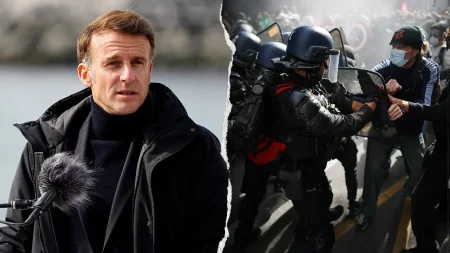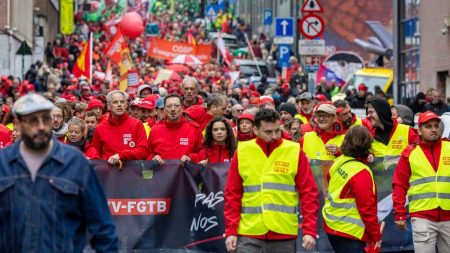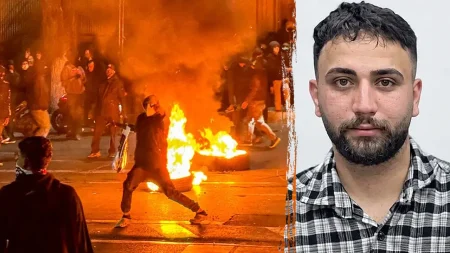



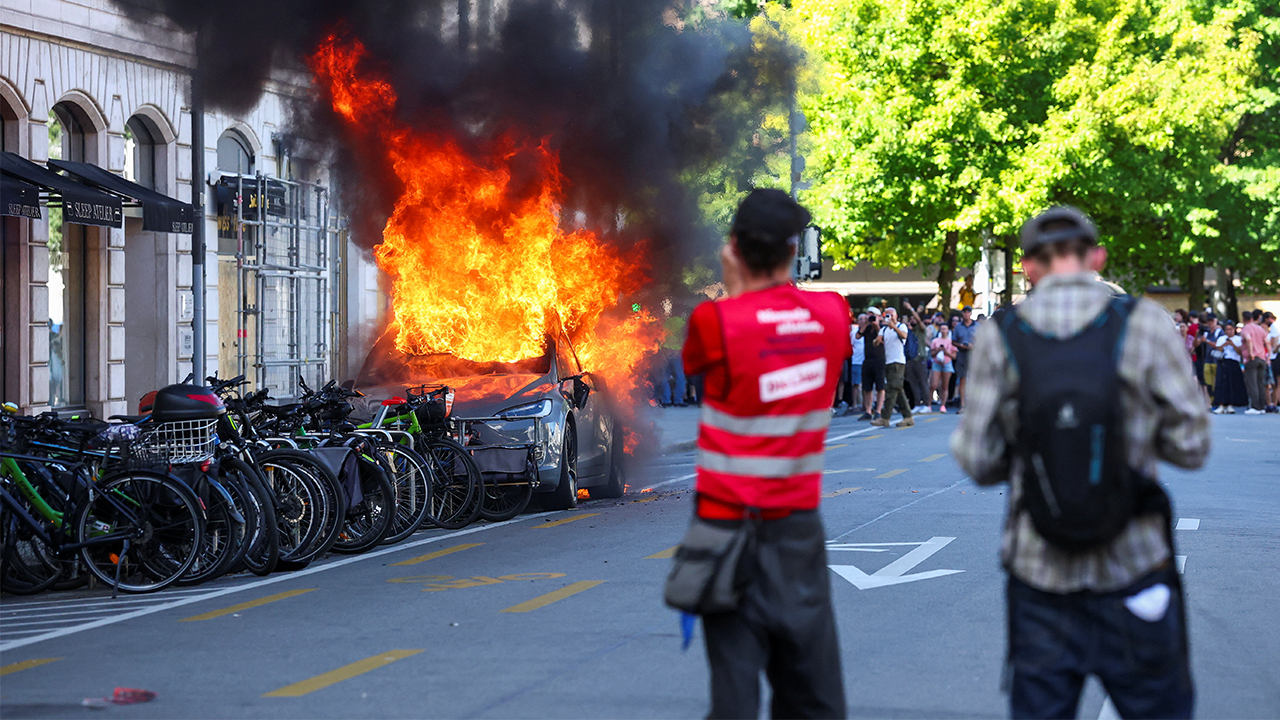
The cobblestone streets of Geneva, typically celebrated for their pristine cleanliness and quiet diplomatic charm, became the stage for a tumultuous clash of ideals this past Sunday as an estimated twenty thousand passionate demonstrators occupied the bustling city center. What began as a peaceful, highly organized march soon fragmented into a scene of intense public frustration and structural destruction, as a subset of the assembly targeted specific physical symbols they associated with modern capitalism and corporate oligarchy. In a striking visual metaphor for the anger directed at the tech elite, a sleek Tesla vehicle parked along the route was targeted, set ablaze, and reduced to a skeletal, smoking wreck that drew gasps from nearby onlookers. Nearby, the sleek glass facade of a United Nations agency lay shattered, its broken panes serving as a stark reminder of the growing public skepticism toward traditional, top down multilateral institutions. As the situation rapidly escalated from passionate chants to physical devastation, demonstrators ripped heavy cobblestones and bricks from the paved streets, hurling them toward the advancing rows of riot police who responded with heavy, choking barrages of tear gas. The stinging chemical fog quickly blanketed the winding avenues, sending both committed activists and innocent bystanders fleeing into side alleys, coughing and rubbing their eyes, while the distant calls for systemic reform were temporarily drowned out by the sharp pop of gas canisters and the roar of burning metal. This volatile outbreak served as a dramatic, chaotic curtain raiser for the upcoming Group of Seven summit across the French border, highlighting a deep seated sociological rift that has been widening for years between the architects of globalized finance and the ordinary populations who feel utterly alienated by their decisions. Ultimately, the day’s events transformed the Swiss diplomatic hub into a physical battleground, illustrating the raw, unbridled friction that occurs when systemic global frustration spills out of locked conference rooms, representing a fierce, historic struggle against modern power structures that cannot be ignored any longer by the quiet, global, established diplomatic community.
To comprehend the intense rage that manifested during this Sunday protest, one must examine the underlying structural grievances that drove thousands of citizens to leave their homes and march under the banner of dissent. For decades, summits hosted by the world’s wealthiest nations have served as flashpoints for activists demanding action on climate change, socioeconomic inequality, and unbridled corporate greed, but the current financial climate has injected an unprecedented level of urgency into these demonstrations. Many of those marching explained that they view the Group of Seven not as a forum for progressive global leadership, but as an exclusive cartel of concentrated political and economic power designed to protect the interests of the wealthy elite at the expense of everyone else. This sentiment was further exacerbated by the staggering economic milestone reached just last week, when Tesla mogul Elon Musk was projected as the world’s first trillionaire, a concentration of personal wealth that stands in stark, painful contrast to the daily struggles of millions facing skyrocketing inflation. Protester Pippa Saugy captured this pervasive sense of disenfranchisement when she observed that such summits are essentially meetings of the rich designed to perpetuate a system where the wealthy continuously amass greater fortunes while the marginalized are left behind. By focusing their rage on a parked Tesla, the activists were not merely targeting a random automobile, but rather striking at the ultimate modern status symbol of tech capitalism, demonstrating that the shiny promises of technological solutions are often perceived as toys for the rich that do absolutely nothing to solve systemic poverty. The destruction of this expensive vehicle highlights a growing narrative of desperation among normal workers who feel that the current macroeconomic system is fundamentally rigged, viewing the lifestyle of the ultra wealthy not as an achievement to be celebrated, but as a symptom of a deeply broken society that values corporate profit margins over basic human dignity, leaving the average citizen to suffer the painful consequences of global economic experiments they never voted for or agreed to endure.
Just a short distance away across the Swiss French border, the secure lakeside resort town of Evian-les-Bains is bracing itself to host the actual Group of Seven summit, scheduled to run from Monday through Wednesday. Set against the serene, picturesque backdrop of Lake Geneva, this high security enclave will welcome the heads of state from some of the globe’s most influential democracies—including France, Great Britain, Canada, Germany, Italy, Japan, and the United States in addition to representatives from the European Union. While the leaders will gather in quiet luxury to discuss the future of the global economy, their actual agenda is heavily weighed down by some of the most complex geopolitical crises and humanitarian tragedies of our time, most notably the devastating, ongoing military conflicts in Ukraine and the Middle East. The diplomatic atmosphere is expected to be incredibly tense as international leaders scramble to navigate a delicate path forward following President Donald Trump’s recent announcement of a tentative agreement aimed at ending the military escalation between the United States, Israel, and Iran. While many global citizens desperately hope for a peaceful resolution to these volatile conflicts, there remains a deep cynicism regarding whether these world leaders can truly cooperate to achieve lasting peace, or if their negotiations will merely serve to solidify their respective spheres of geopolitical influence. The sheer contrast between the tranquil lakeside resort of Evian-les-Bains and the tear gas choked streets of nearby Geneva serves as a powerful spatial metaphor for the profound disconnect between high level decision makers and the ordinary citizens whose lives are directly impacted by the policies, wars, and economic agreements negotiated behind heavily guarded doors, emphasizing the urgent need for a more transparent, participatory global governance system that finally prioritizes human lives over diplomatic maneuvering. Without such a structural evolution, these annual assemblies will continue to be perceived as exclusive country clubs where the global elite make empty assertions that never translate into the meaningful, structural improvements desperately needed by working class communities globally today.
In anticipation of the civil unrest that historically accompanies these high profile geopolitical summits, local authorities in Geneva and surrounding regions initiated an extensive security lockdown, transforming the usually vibrant commercial sectors into a bleak landscape of boarded up windows and metal barricades. Hundreds of heavily armed riot police officers were deployed across the city’s key intersections, armed with tactical gear, armored vehicles, and chemical deterrents designed to dismantle any unsanctioned gatherings before they could gain momentum. For local business owners, the necessity of securing their shops represented a stressful and costly disruption to daily life, while for the activists, this massive display of state force felt like a preemptive act of intimidation. This sentiment of state sponsored suppression was passionately articulated by demonstrator Mattia Piccard, who argued that the overwhelming deployment of militarized police was a deliberate tactic designed to strike fear into the hearts of citizens, discouraging peaceful families and concerned workers from exercising their fundamental democratic right to public assembly. By turning public squares into high pressure security zones, the state inadvertently validated the protesters’ criticisms that the governing elite are increasingly insulated from and hostile toward the very populations they claim to represent. This dynamic of confrontation creates a dangerous cyclical feedback loop, where heavy handed tactics to preserve order are met with escalating resistance from activists who feel their voices are being silenced, transforming a debate about economic policy into a vital battle over basic civil liberties and the right to dissent. When the state prioritizes the protection of luxury retail storefronts and corporate headquarters over the physical safety and expressive freedoms of its citizens, it sends a clear and discouraging message about where its ultimate loyalties lie, further alienating a public that already feels profoundly betrayed by its democratic institutions, leaving people with no choice but to take to the streets. Ultimately, this militarized posture shifts the focus away from diplomatic dialogue, reinforcing the uncomfortable reality that modern governments often protect capital assets over basic human rights.
Beyond the macroeconomics of global capitalism and the complex geopolitics of international warfare, the march in Geneva served as an intersectional platform for diverse grassroots social movements to voice their specific, overlapping struggles against systemic oppression. Among those advocating for marginalized populations was Clélia Colin, a dedicated demonstrator who sought to raise critical awareness about the relentless issue of global gender inequality, which she passionately argued is deeply and structurally intertwined with the core economic policies promoted by the Group of Seven. Colin pointed out that the underlying socioeconomic values championed by these powerful nations are fundamentally patriarchal and exclusionary, actively contributing to structural imbalances that disproportionately disadvantage women and non binary individuals across the globe. From the persistent gender wage gap and the unequal distribution of unpaid domestic care work to the systemic lack of representation in high level geopolitical decision making, the global capitalist framework possesses a distinctly gendered impact that is frequently overlooked in mainstream economic debates. By integrating feminist critiques into the overarching anti G7 narrative, activists like Colin highlight the critical reality that true social justice cannot be achieved through mere economic adjustments or market reforms; rather, it requires a complete dismantling of intersecting systems of patriarchy, classism, and classic imperialism that define the modern globalized order. This intersectional framework has breathed new life into the protest movement, uniting environmentalists, labor organizers, and feminist advocates under a shared understanding that their individual struggles are all branches of the same tree, rooted in opposition to a political elite that prioritizes wealth accumulation over human development. This unified front demonstrates that the anger on the streets of Geneva is not a collection of isolated grievances, but a deeply connected demand for a more compassionate world order that values the lives, labor, and safety of all people equally, regardless of gender or socioeconomic status. By challenging the economic elite to address these deep seated humanitarian concerns, the demonstrators seek to forge a more equitable future for all marginalized global citizens.
As the black smoke from the burning Tesla slowly dissipates and the stinging scent of tear gas fades from the alleys of Geneva, the world’s focus shifts directly to the heavily guarded luxury suites of Evian-les-Bains, where the destinies of billions will be debated and decided behind closed doors. The volatile events of this past weekend have laid bare the profound, aching chasm that exists between the rarefied air of elite global diplomacy and the gritty, daily reality of the people living on the ground. While the Group of Seven leaders will undoubtedly release polished press statements full of diplomatic promises to address inflation, resolve catastrophic wars, and foster global cooperation, the violent unrest in Switzerland serves as an urgent wake up call that a growing segment of the global population no longer believes these promises. True global stability and peace cannot be manufactured through militarized policing or secretive backroom political deals that completely ignore the systemic crises of historic wealth inequality, environmental destruction, and social marginalization. If these powerful nations continue to ignore the desperate cries of their citizens, the fiery scenes witnessed in Geneva may well become the default language of public discourse, representing a future where peaceful dialogue is entirely replaced by the volatile friction of a world deeply divided between the hyper wealthy and the completely forgotten. Ultimately, the true test of the Group of Seven’s leadership will not be measured by the treaties they draft in the safety of their upscale lakeside resort, but by their willingness to step outside their fortified enclaves, listen to the raw pain of the streets, and enact the deep, structural reforms necessary to build a more equitable, peaceful, and compassionate world for everyone. Until that fundamental shift occurs, the streets of our global cities will remain highly volatile battlegrounds where the promise of raw democracy continues to clash with the static power of the elite. This leaves us to wonder if genuine peace will ever be realized, or if strife will persist indefinitely.