





The Unyielding Silence of Ukrainian Nights
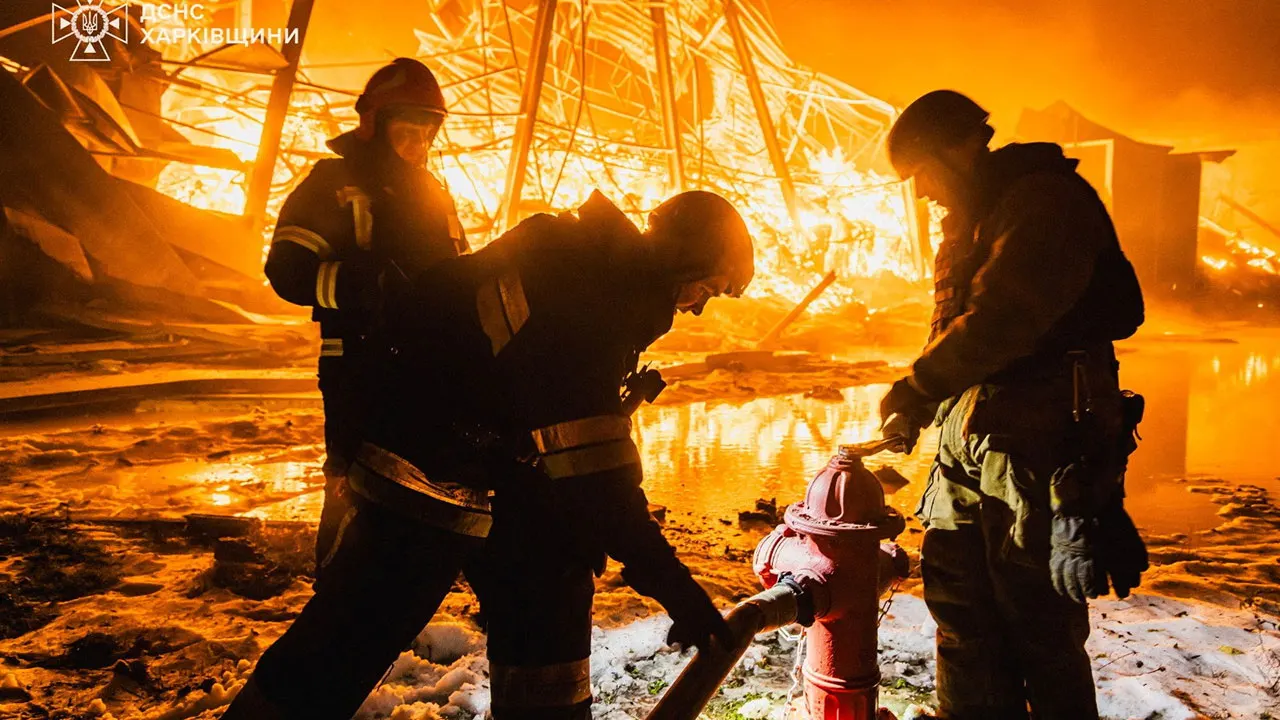
In the quiet hours before dawn, as families huddled under blankets to ward off the creeping chill of winter, Ukraine faced another relentless barrage from Russia. On Wednesday, Moscow unleashed a staggering 324 drones and three ballistic missiles, targeting cities and villages far from the front lines. Imagine the terror: the low hum turning into sirens wailing through the streets, families scrambling for shelter in basements or metro stations. A young boy—just eight years old—lost his life in the central Cherkasy region, his innocence stolen in an instant. A woman in Zaporizhzhia was injured, her world upended. These weren’t just statistics; they were lives shattered. For over three years, since Russia’s full-scale invasion in February 2022, Ukrainians have endured this siege. Ukrainian officials reported that between November and March, Russia fired nearly 27,000 Shahed drones, almost 600 cruise missiles, and 462 ballistic missiles. Yet, amidst the rubble, President Volodymyr Zelenskyy voiced a desperate plea on Telegram: “Every day we need air defense missiles—every day Russia continues its strikes.” His words echoed the exhaustion of a nation bleeding but refusing to break. As the world listened, Ukraine’s allies recognized the urgency. Defense leaders from about 50 countries gathered virtually, led by Germany’s Boris Pistorius and Britain’s John Healey, with NATO’s Mark Rutte and a U.S. representative, Under Secretary Elbridge Colby, joining to coordinate aid. The meeting wasn’t bureaucratic chatter; it was a lifeline, aimed at boosting weapon production, especially air defenses that could pierce the night skies and protect civilians. For Ukrainians, this wasn’t just diplomacy—it was hope in human form, a reminder that they weren’t fighting alone against an enemy that seemed endless. The pledges symbolized solidarity, transforming global promises into tangible shields against the darkness.
Allies Unite with Pounds of Promise
As the virtual meeting unfolded, the announcements cascaded like a flood of support, overwhelming in their scale and sincerity. Germany stepped forward with a €4 billion ($4.7 billion) defense package agreed upon with Ukraine, a financial fortress built brick by brick to fortify Kyiv’s defenses. Norway, ever the steadfast ally, pledged €9 billion (about $10.6 billion), their generosity reflecting a collective resolve to counter Russia’s aggression. Not to be outdone, the Netherlands committed €248 million ($293 million) specifically for drone production, envisioning swarms of eyes in the sky that could scout and strike. But it was the United Kingdom’s vow that captured the imagination: 120,000 drones, a number that dwarfed previous commitments, promising a tide of technology to turn the tide. Imagine the families in Ukraine hearing this news—the parents who lost loved ones to strikes, the children growing up in bunkers, now picturing drones as vigilant guardians. This wasn’t mere aid; it was empathy translated into action. The leaders discussed ramping up production of air defenses, recognizing that every missile intercepted meant lives saved. Under Secretary Colby represented the United States, symbolizing the deep involvement of the West. For Ukraine, this support felt personal, a hug from afar in a world grown cold. Ukraine’s energy executive had warned weeks before that millions faced a freezing winter, with only figures like Trump so far evoking rhetoric about halting Russia. These pledges aimed to address that existential threat, humanizing the conflict by focusing on survival and resilience. The allies weren’t playing politics; they were ensuring Ukraine could defend its people, its homes, and its future.
Echoes of Escalation from the Front Lines
While pledges fortified one side, Russia’s response echoed ominously, a stark reminder of the war’s unyielding tension. Moscow warned that Europe’s drone production pushes risked deepening their involvement, transforming allies into an “escalating military-political situation,” per the Russian Defense Ministry, as reported by TASS. This “creeping transformation” into Ukraine’s strategic support base wasn’t idle talk—it was a strategic chess move, pressuring nations to second-guess their commitments. For Ukrainians, who had already seen their cities reduced to ghost towns like Kharkiv, where a Russian attack wiped out a young family leaving a pregnant mother as the sole survivor, this rhetoric intensified the isolation. The war had become a grinding marathon, with strikes ravaging more than half a dozen areas just on Tuesday and Wednesday alone. Officials revised the assault, painting a picture of aerial campaigns akin to a symphony of destruction. Zelenskyy’s daily call for missiles underscored the human toll: not just infrastructure crumbling, but the psychological weight on civilians, waking to alerts and hunkering down in fear. Historically, the conflict stretched beyond Russia’s 2022 invasion, morphing from a blitzkrieg into a protracted struggle for sovereignty. Defense Minister Fedorov’s words resonated deeply—that “every day” brought more horrors—making the Russian warnings feel like psychological warfare. Yet, this escalation spurred allies’ creativity; the drone pledges were born not out of haste, but out of a shared humanity, envisioning technologies that could outmaneuver Russia’s barrages. In humanizing terms, it was about shielding the vulnerable—the children, the families—from a nightmare that showed no sign of ending soon.
Voices from the Trenches: Zelenskyy’s Urgent Cry
Amid the geopolitical theater, President Zelenskyy’s voice cut through like a beacon, humanizing the urgency of the crisis. His Telegram post wasn’t just a statement; it was a raw, impassioned plea from a leader who had traded sleep for strategy. “Every day we need air defenses—every day Russia continues its strikes,” he reiterated, encapsulating the despair of a populace enduring daily terror. Picture him in Kyiv, perhaps in a dimly lit office, poring over maps while sirens blared outside— not a distant commander, but a man deeply tied to his people’s suffering. The strikes killing an 8-year-old boy and injuring a woman in Zaporizhzhia weren’t abstract; they were personal tragedies fueling his resolve. For over three years, Ukraine had resisted Russia’s invasion, transforming villages into battlegrounds and civilians into involuntary heroes. Behind the front lines, in places like Cherkasy, families grappled with loss, their lives suspended in uncertainty. The earlier warning from Ukraine’s energy executive about a freezing winter for millions underscored the multifaceted agony: not just bombs, but biting cold exacerbating shortages. “Only Trump can stop Russia,” the executive had echoed, injecting political drama into the humanitarian crisis. Yet, Zelenskyy’s focus remained pragmatic—more aid, more defenses—to mitigate that pain. In humanizing this, his words bridged the gap between policy and emotion, making global audiences empathize with the sleepless nights and shattered dreams of Ukrainians. His plea wasn’t for sympathy alone; it was a rallying cry, urging allies to act swiftly before more innocents fell.
Global Guardians: The Summit’s Solidarity
The virtual summit of defense leaders embodied solidarity in its purest form, gathering minds from 50 countries in a digital assembly against tyranny. Germany’s Boris Pistorius and Britain’s John Healey orchestrated the proceedings with NATO’s Mark Rutte providing gravitas, while Elbridge Colby represented America’s commitment. This wasn’t a sterile conference; it was a convergence of wills, each leader carrying stories from home—perhaps recounting neighbors affected by global tensions. They coordinated military aid and accelerated weapon production, honing in on air defenses as the linchpin against Russia’s aerial onslaught. Specific pledges materialized, turning abstract intentions into concrete hope. Germany’s €4.7 billion package and Norway’s €10.6 billion aid were monumental, not just funds but affirmations of partnership. The Netherlands’ €293 million for drones and the UK’s staggering 120,000 units symbolized innovation meeting resolve. For Ukrainians, this support humanized the allies: real people in real offices making real sacrifices to safeguard the undefended. The energy executive’s dire predictions of winter hardships fueled discussions on broader resilience, blending military might with humanitarian aid. Russia’s retaliatory warnings added tension, framing the summit as a high-stakes gamble. Yet, in the spirit of unity, leaders pushed forward, their decisions echoing generations of conflicts where alliances turned the tide. This was more than aid; it was a testament to shared humanity, reconstructing Ukraine’s defenses one pledge at a time.
Russia’s Retort and the Path Ahead
As allies fortified Ukraine, Russia’s Defense Ministry retorted with calculated concern, labeling Europe’s drone plans an escalation that risked transforming nations into strategic bastions for Kyiv. Reported by TASS, this “creeping transformation” highlighted Moscow’s view of the aid as provocative, deepening Europe’s entanglement. For Ukrainians, this wasn’t merely diplomatic posturing; it amplified the psychological dread, knowing Russia’s strikes targeted vulnerabilities exposed by inadequate defenses. The recent barrage—324 drones and three ballistic missiles—struck more than half a dozen areas, leaving scars on society: the slain 8-year-old boy symbolizing innocence lost, the injured woman in Zaporizhzhia representing untold recoveries. Zelenskyy’s daily pleas resonated louder against this backdrop, urging “every day” reinforcements. The war’s timeline, surpassing three years since February 2022, painted a picture of endurance, yet also of scaling horrors with historical precedents of protracted conflicts. Allies’ responses, from Germany’s €4.7 billion to the UK’s 120,000 drones, countered Russia’s narrative, prioritizing protection over politics. The energy executive’s warnings of mass freezing underscored the urgent need for multifaceted support. In human terms, Russia’s pushback was a reminder that while pledges brought hope, the path ahead demanded vigilance and unity. Ukrainians, scarred but steadfast, could envision a future where air defenses repelled the night, allowing families to dream beyond bunkers. This was a war of wills, where empathy and action intertwined to tip the scales toward survival and someday, peace.