





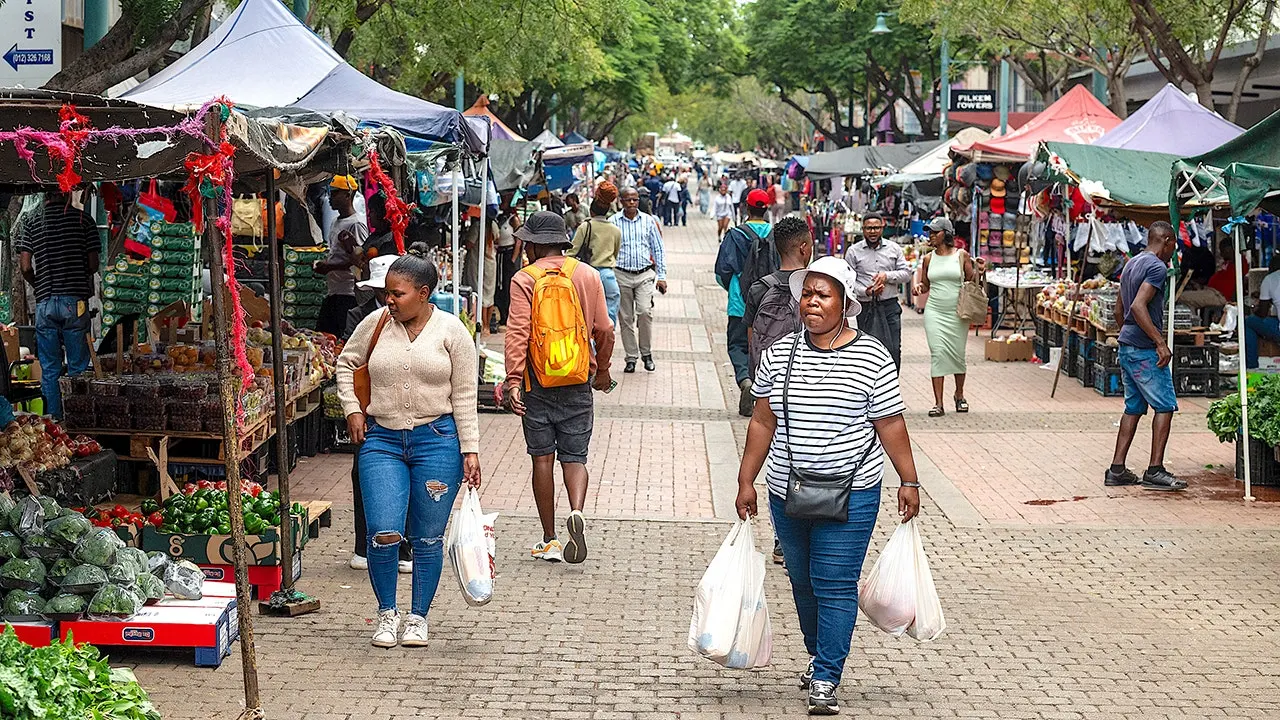
The landscape of international development is undergoing a dramatic shift, and nowhere is this more visible than across the African continent. For decades, the conventional wisdom dictated that African nations required substantial foreign aid to survive, with warnings of immediate collapse whenever those funds were threatened. Yet, when the Trump administration implemented an 83% reduction in USAID funding early last year, the catastrophic economic forecasts failed to materialize. Instead, a remarkable resilience emerged. The shift from a dependency-based aid system to active commerce has sparked an unprecedented economic awakening, breathing new life into local markets and proving that sustainable development is driven by business rather than charity.
This sudden economic acceleration has caught global observers by surprise, with sub-Saharan Africa now projected to outpace Asia’s overall economic growth. According to the International Monetary Fund, the region is expected to grow between 4.3% and 4.6% in 2026, driven largely by robust private investments in hydroelectric power, infrastructure, mining, and coffee exports. Assistant Secretary for the Bureau of African Affairs Frank Garcia highlighted this shift, noting that nine of the twenty fastest-growing economies in the world are now located in Africa. Under this new approach, U.S. exports to sub-Saharan Africa have soared, highlighting a transition where African nations are finally being treated as capable, equal commercial partners on the global stage.
The engine behind this growth is the Commercial Diplomacy Strategy, which actively empowers U.S. embassies to collaborate with local private sectors. Rather than distributing unconditional grants, diplomatic missions work directly with partner governments to identify and dismantle the bureaucratic barriers, laws, and regulations that stifle trade. This practical reform model has already yielded remarkable results, with the Bureau of African Affairs successfully closing dozens of major commercial transactions valued at over $25 billion. These investments are strategically targeted at core, future-facing industries that build long-term wealth, including energy, information technology, critical mineral extraction, aerospace, and agricultural infrastructure.
Critics of the traditional humanitarian model argue that unconditional aid historically did more harm than good by financing projects designed in foreign capitals rather than addressing the actual needs of local communities. When funding bypasses open markets to flow directly to governments, it often stifles local initiative and removes the incentive for policy reform. The current, more transactional approach treats local populations not as permanent recipients of charity, but as entrepreneurs, workers, and partners capable of building their own prosperity. By tying funding to concrete economic reforms and mutual strategic access, the cycle of dependency is broken, fostering a healthier political and economic environment.
This philosophy of self-reliance has also reshaped international health initiatives. Under the America First Global Health Strategy, the U.S. has secured numerous bilateral agreements that combine American assistance with significant co-investment from recipient countries, particularly in sub-Saharan Africa. These partnerships are structured to protect lives while building resilient, locally owned healthcare systems that gradually reduce dependency on foreign taxpayers. By requiring partner nations to share the financial responsibility, the agreements ensure that local governments have a genuine stake in the survival, efficiency, and long-term success of their own medical infrastructure.
This transition to greater accountability has naturally led to tough love for wealthier developing nations. A prime example is the phased drawdown of the PEPFAR anti-AIDS program in South Africa, a middle-income country that failed to meet the administration’s policy requests despite repeated warnings. U.S. officials emphasize that program success should be measured by a country’s ultimate ability to sustain its own healthcare gains. As the continent continues to boom, these policy shifts reinforce a powerful new reality: the path to a prosperous African future lies in robust trade, mutual respect, and the dignity of economic independence.