





The summer of 2026 has ushered in an unprecedented wave of soccer euphoria across the United States, transforming what was once a quiet national curiosity into a roaring, stadium-shaking obsession that has captured the hearts of millions. Through their first two matches of the FIFA Men’s World Cup, the United States Men’s National Team (USMNT) has performed with the ruthless efficiency of a precision-engineered machine, beautifully balanced by the joyful, creative spark of progress that defines this modern generation of American athletes. The historic journey kicked off on Friday, June 12, under the brilliant, cascading lights of their official tournament opener, where the squad executed an absolute masterclass of offensive soccer, dismantling a highly physical Paraguay side in a dream 4-1 victory that set the tempo for their entire campaign. This spectacular opening performance was not a mere flash in the pan; indeed, the Americans proved their tactical mettle and physical resilience just one week later on Friday, June 19, by grinding out a mature, defensive masterclass to secure a 2-0 victory over a disciplined Australian squad. Thanks to these back-to-back triumphs, the USMNT has already punched its ticket to the highly anticipated knockout stage of the tournament with one vital group stage matchup still remaining on the schedule. This early qualification has sent electric shockwaves of pure excitement throughout the host nation, fueling the wild, fiercely passionate dreams of casual observers and die-hard American soccer fans alike, all of whom are now daring to imagine their team embarking on the deepest, most historic World Cup run in modern memory. The palpable shift in the national sports consciousness is impossible to ignore, as historical skepticism has rapidly evaporated, replaced by an authentic belief that this youthful, dynamic team is ready to compete with the world’s absolute elite on their own home soil.
To truly appreciate the profound emotional weight of this current moment, one must look backward into the long, often agonizing archives of American men’s soccer history, a narrative defined by brief flashes of hope separated by long decades of frustrating obscurity. The absolute high-water mark of the USMNT’s World Cup legacy remains a semi-mythical third-place finish at the inaugural tournament in Uruguay back in 1930—an achievement so deep in the past that it belongs to a black-and-white era of heavy leather balls and canvas kits, completely disconnected from the reality of the modern global game. In the contemporary era, stretching from the nation’s celebrated return to the World Cup in 1990 after a painful forty-year absence, the journey has been defined by repetitive heartbreak, missed opportunities, and structural limitations on the pitch. Out of their last seven World Cup appearances prior to this summer, six ended in premature exits during either the grueling group stages or the merciless Round of 16, leaving fans to wonder if the squad would ever break through the glass ceiling of global football. The singular, shining outlier of this modern era occurred during the 2002 tournament in South Korea and Japan, when a golden generation of American talent managed to defy all odds to reach the quarterfinals, only to suffer a painful, highly controversial 1-0 defeat at the hands of Germany. This historical pattern of disappointment had conditioned American fans to brace for impact, adopting a protective shield of irony and low expectations to survive the tournament’s emotional volatility. Yet, the current crop of USMNT stars seems entirely unburdened by this historical baggage, stepping onto the pitch not as desperate underdogs hunting for miracles, but as elite, battle-tested professionals who expect to win.
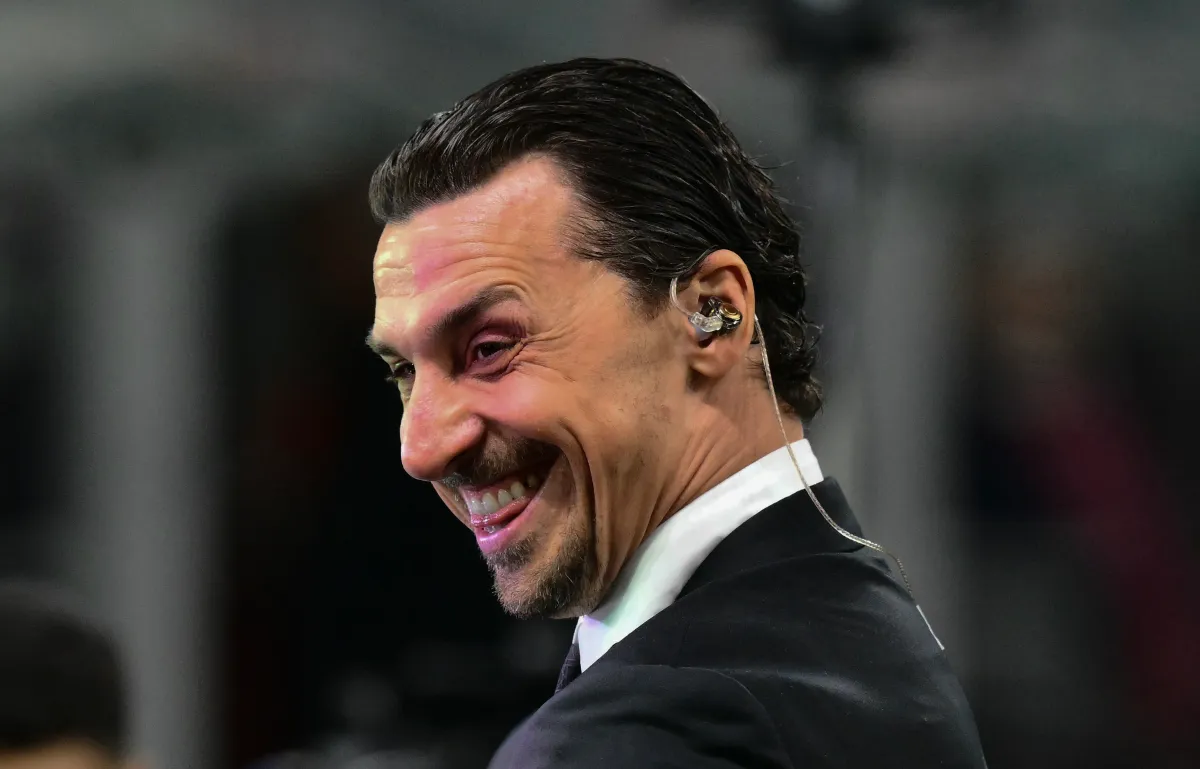
This sudden surge of optimistic energy is far from being a product of classic American hyperbole or localized delusion, as the global footballing establishment has begun to take serious, respectful notice of this formidable host nation squad. Following the impressive, tactically sound victory over Australia, the national conversation shifted into overdrive during the FOX sports postgame broadcast when renowned host Rebecca Lowe asked the legendary, often brutally honest Swedish icon Zlatan Ibrahimović if this American team is genuinely capable of winning the entire World Cup. Without a single moment of hesitation, the international footballing giant delivered a simple, shocking, and definitive answer that resonated across the sporting world: “Yes.” Ibrahimović, a man who has played at the absolute pinnacle of European soccer and who famously demands nothing short of perfection, went on to deliver a powerful rallying cry to the American public, urging them to shed their historical doubts and fully embrace the magnitude of the moment. “If you didn’t believe before, I will repeat: Start believing,” Zlatan told the millions watching at home, his voice carrying the authority of a seasoned champion who understands the psychology of winning at the highest level. He pointed out that the crucial, transformative x-factor of this tournament is the sheer scale and intensity of the domestic support backing the team, emphasizing that when a squad has an entire powerhouse nation rallying passionately behind them, they become an incredibly difficult, almost impossible outfit to defeat. This ringing endorsement from one of the game’s ultimate cynics served as a massive validation for a fan base that has historically felt like outsiders programmatically excluded from the global elite.
As the team prepares for the next phase of this grueling journey, the immediate focus shifts from emotional celebration to the intricate tactical mathematics of Group D and the strategic avenues that could pave a smooth path through the knockout bracket. The USMNT’s destiny of winning the group outright hinges partly on the external matchup between Paraguay and Turkiye on Friday night; a draw or a Paraguayan victory would automatically crown the Americans as group winners without them having to lift a finger. However, if Turkiye emerges victorious in that encounter, the stage will be set for a monumental, high-stakes collision between the USMNT and Turkiye at the breathtaking, state-of-the-art SoFi Stadium in Inglewood, California, on Thursday, June 25. Securing the top spot in Group D is of paramount importance for the coaching staff and players alike, as it grants the group winner the invaluable structural advantage of playing a third-place finisher from another group in the Round of 16, dramatically improving the statistical probability of advancing into the quarterfinal stages. This strategic detail cannot be understated; in a long, grueling summer tournament where physical exhaustion, accumulated yellow cards, and tactical wear-and-tear mount with every passing game, avoiding early encounters with traditional heavyweight favorites is a critical asset. Navigating this final group fixture will require a delicate, masterfully planned balance of squad rotation to keep key players healthy while simultaneously retaining the relentless tactical focus that has characterized their play so far, ensuring that the team enters the high-pressure knockout rounds with maximum momentum, physical freshness, and tactical confidence.
Beyond the points on the board, the television ratings, and the complex tactical diagrams, the true soul of this World Cup campaign lies in the deeply human stories of the young men wearing the red-white-and-blue crest and the cultural revolution they have sparked across the country. This current roster represents a unique, pioneering generation of American players who left their comfortable homes as young teenagers, venturing across the Atlantic to test themselves in the unforgiving, hyper-competitive cauldrons of Europe’s top professional leagues. Having endured the deep loneliness of foreign cities, different languages, and the intense, weekly pressure of elite European clubs, they have returned to home soil as mature, unified leaders who treat each other less like simple teammates and more like brothers who have survived the trenches together. This profound sense of camaraderie and shared sacrifice translates directly onto the pitch, visible in the selfless, tireless tracking back, the intuitive passing sequences, and the collective celebrations that have captivated the domestic audience. Simultaneously, a beautiful cultural awakening is sweeping across the United States, as diverse communities that historically reserved their sports passion for American football, baseball, or basketball are now flocking to soccer bars, public parks, and neighborhood watch parties in record numbers. The beautiful game has suddenly become a unifying national language, bridging deep cultural divides and bringing together fans of all backgrounds who find themselves screaming in unison for a sport that has finally captured the collective imagination and heart of a nation.
Ultimately, we are standing on the precipice of a historical watershed moment, where the next thirty days of competition have the potential to completely redefine the sporting landscape of North America for generations to come. The narrative of soccer in the United States has long been one of unfulfilled potential, of “the sport of the future” that never quite arrived in the present; however, this spectacular tournament is shattering that old, lazy cliche with every passing kickoff and every masterfully executed goal. If this American squad can continue their disciplined, relentless play and successfully capitalize on the bracket advantages laid before them, they will not only surpass the achievements of their predecessors but will establish a permanent legacy of sporting excellence. The challenge ahead is immense, the pressure is astronomical, and the margins for error in world-class knockout soccer are notoriously razor-thin, but this team has proven they possess the physical skill, the squad depth, and the mental fortitude to stand toe-to-toe with any nation on Earth. For the legions of passionate fans watching from coast to coast, the time for defensive skepticism is officially over; it is time to fully embrace the absolute joy of this journey, to let go of the safe cynicism of the past, and to stand proudly alongside a team that is actively marching toward legendary status on their own home turf, ready to claim their rightful place in global football history.