






On a crisp September morning in Bellevue, Washington, a new kind of banking office opened its doors—not with teller lines or trading floors, but with rows of engineers, whiteboards, and the quiet hum of servers. Goldman Sachs cut the ribbon on its first dedicated engineering space in the Pacific Northwest, a Bellevue center designed to house more than 125 employees focused on artificial intelligence and cloud transformation. For a firm known for its Manhattan headquarters and Wall Street legacy, the move signals something deeply human: the recognition that the future of finance will be built by people who write code, design systems, and dream up new ways to use data. The new space doesn’t replace Goldman’s long-standing downtown Seattle office, which has served banking and wealth management clients since 2001. Instead, it adds a new layer to the company’s presence in the region—a place where technologists can do the kind of deep, collaborative work that has become the heartbeat of modern banking. The ribbon-cutting was more than a ceremonial photo opportunity. It was a statement about where Goldman Sachs believes its future lies, and about the kind of talent it wants to attract in a region that has become a magnet for engineers.
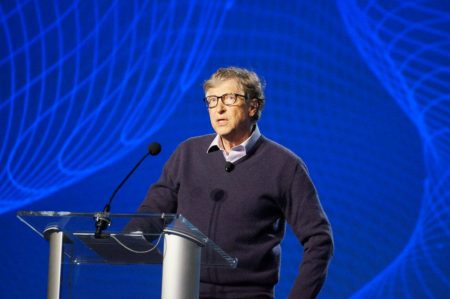
Goldman Sachs Chairman and CEO David Solomon put it plainly in a statement that felt less like corporate boilerplate and more like a genuine reflection on change. “We are in a period of rapid technological change, but we know our people are still this firm’s greatest asset,” he said. “Hiring exceptional talent is central to how we adapt and grow.” Those words carry weight, especially from a leader at one of the world’s most influential financial institutions. In an era when buzzwords like artificial intelligence and cloud transformation can make companies sound cold and automated, Solomon’s emphasis on people is a reminder that technology is only as powerful as the humans who shape it. The engineers who will fill the Bellevue office aren’t just cogs in a machine; they’re problem-solvers, collaborators, and builders. They’re the ones who will figure out how to make banking faster, safer, and more intuitive for millions of customers. They’re the ones who will take raw computing power and turn it into tools that help people save, invest, and plan for the future. And by giving them a dedicated space in the Pacific Northwest, Goldman is saying that their work matters—enough to invest in a new office, enough to plant a flag in a competitive talent market, and enough to bet that the best ideas will come from bringing smart people together in the same room.
The scale of Goldman’s engineering ambition is staggering, and the Bellevue center is just one piece of a much larger picture. The company employs more than 12,000 engineers globally—roughly one-quarter of its entire workforce. That number alone challenges the old image of a bank as a place dominated by suit-and-tie financiers. Today, a significant portion of Goldman’s employees spend their days working on software, algorithms, and infrastructure. The new Bellevue office is designed to tap into the region’s deep pool of engineering talent, including graduates from nearby universities who are looking for opportunities that don’t require moving to Silicon Valley or New York. For many local engineers, the appeal is obvious: a chance to work on cutting-edge problems at a global financial powerhouse while staying close to home, with all the natural beauty and community roots that the Pacific Northwest offers. The office also gives Goldman a foothold in a region that has become a hub for cloud computing, artificial intelligence, and machine learning. By positioning itself in Bellevue, the firm is placing itself right in the middle of an ecosystem that includes some of the world’s most innovative technology companies. It’s a smart move, and one that reflects a deeper understanding of how the geography of talent is shifting.
Goldman Sachs is far from alone in recognizing the value of the Seattle area. The region has become a magnet for financial institutions looking to build engineering teams outside traditional financial centers. JPMorgan Chase, for example, established its Seattle Tech Center in 2018 and has steadily expanded it ever since. What started as a modest outpost has grown to about 400 employees, and it’s now home to a new AI infrastructure team focused on controlling how the bank runs artificial intelligence across its own data centers and outside cloud providers. That kind of work is mission-critical for a modern bank, and it requires top-tier technical talent. GeekWire, a local technology news outlet, maintains a list of nearly 150 engineering hubs in the Seattle region, and the list continues to grow. Financial companies like Goldman and JPMorgan are increasingly rubbing shoulders with tech giants, startups, and research labs, all competing for the same pool of brilliant engineers. The presence of so many engineering hubs creates a virtuous cycle: more companies attract more talent, which attracts more companies, which creates more opportunities for collaboration and innovation. For engineers, it means more choices and more chances to work on interesting problems. For companies, it means more competition but also a richer, more vibrant talent ecosystem.
Goldman’s Bellevue expansion doesn’t exist in a vacuum. The firm has been growing its engineering footprint in other cities as well, including Dallas, Salt Lake City, and Warsaw. This distributed approach allows Goldman to tap into diverse talent pools across different regions and time zones, building a global team that can support its operations around the clock. Earlier this month, the company made another significant move: it hired Dinesh Keswani, a former engineering leader at Microsoft and GoDaddy, to co-lead its core engineering team alongside Gopi Parameswaran. Keswani will also serve as chief technology officer of The Core Engineering, a role that underscores the strategic importance of technology to Goldman’s future. Hiring someone with deep experience in the technology world—rather than someone who spent their entire career on Wall Street—says a lot about how Goldman views the intersection of finance and software. It’s no longer enough to have bankers who understand finance and engineers who understand code. The company needs leaders who can bridge both worlds, who can speak the language of business and the language of technology, and who can inspire teams to push the boundaries of what’s possible. Keswani’s appointment is a signal that Goldman is serious about treating engineering as a core competency, not just a support function.
In the end, the opening of the Bellevue engineering center is about more than square footage or headcount. It’s about the people who will walk through those doors every morning, carrying laptops and ideas, ready to tackle some of the most complex challenges in modern finance. It’s about the baristas who will learn their coffee orders, the coworkers who will become friends, the mentors who will guide younger engineers, and the families who will benefit from stable, rewarding careers in the Pacific Northwest. It’s about a bank that was founded more than 150 years ago adapting to a world where software is eating the world, and where the ability to harness artificial intelligence and cloud computing can make the difference between leading and lagging. Goldman Sachs is betting that its greatest asset isn’t its algorithms or its data centers—it’s the people who bring those technologies to life. The Bellevue office is a physical manifestation of that belief, a place where talent can flourish, where ideas can cross-pollinate, and where the future of banking will be built one line of code at a time. As the region’s engineering ecosystem continues to grow, Goldman’s presence in Bellevue will be a reminder that even the most traditional institutions can reinvent themselves, and that the human element remains at the heart of every technological revolution.